Domestic Shorthair vs American Shorthair Cat: Main Differences (With Pictures, Vet-Reviewed)
In this article
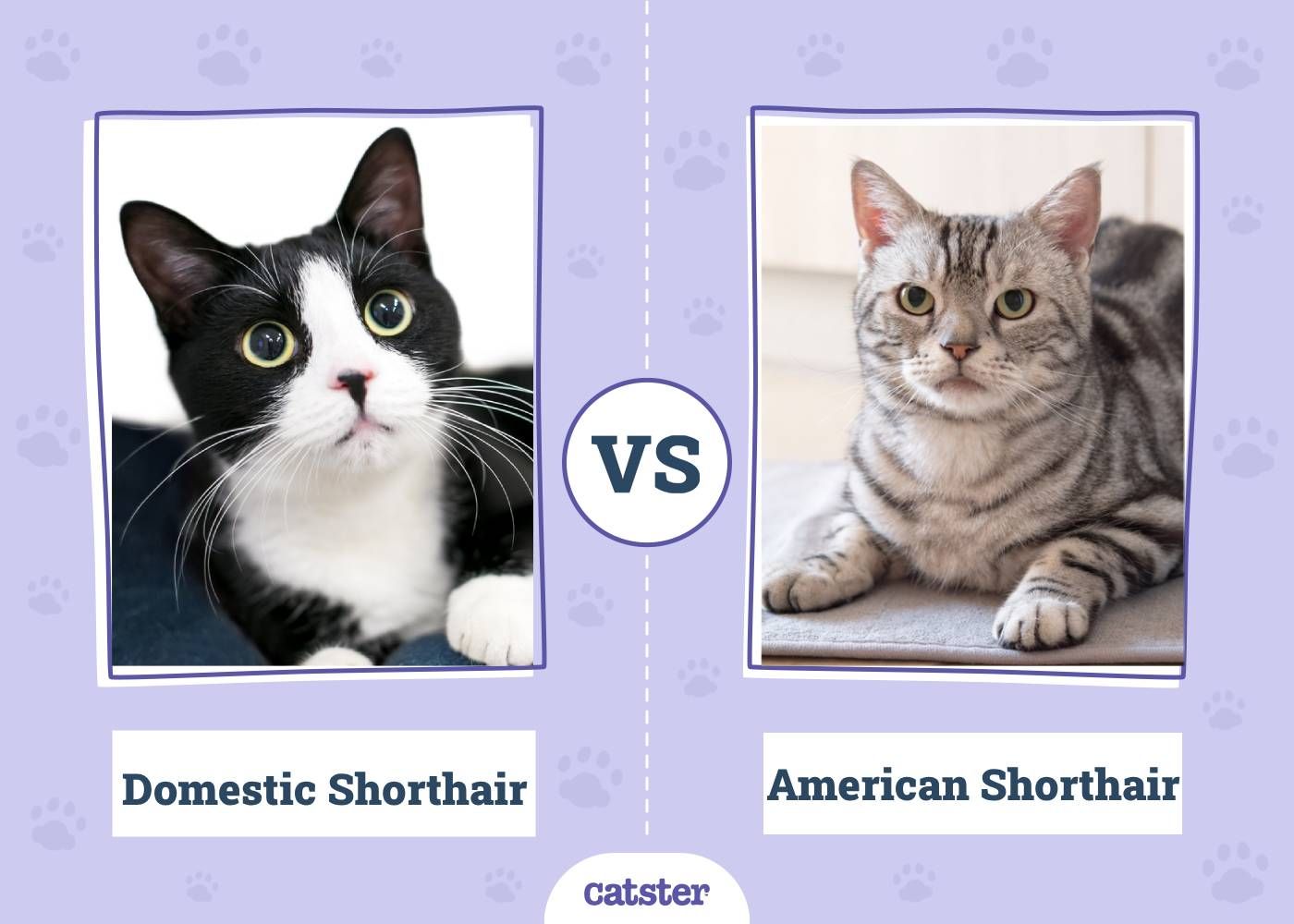
If you’ve been contemplating adding a new cat to your family, then we’d like to introduce you to two of America’s most popular cats: the Domestic Shorthair and the American Shorthair. While the Domestic Shorthair might not be a specific breed as such, they’re well-loved as the perfect addition to any home.
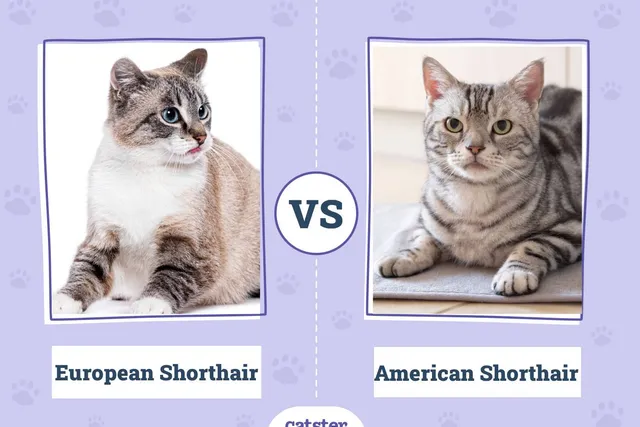
Both come in a huge variety of colors and markings, so you’ll be spoiled for choice when it comes to choosing your new cat. American Shorthairs are slightly larger and more muscular, while the Domestic Shorthairs’ looks vary greatly depending on their origin, parent breeds, and heritage.
Get ready to find out everything that you’ve ever wanted to know about these two cats. We’ve compared them both to make it easy for you to work out which one is your favorite!

Visual Differences

At A Glance

Domestic Shorthair Cat Overview

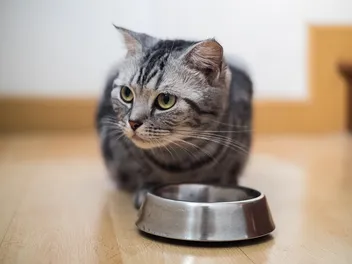
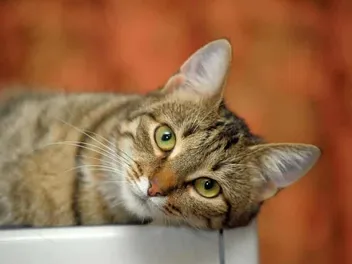
Domestic Shorthair cats aren’t technically a breed; it’s a term that can be used to describe any cat that doesn’t fall into a particular purebred category. They’re the feline equivalent of a mixed-breed pup! These easy-going cats are an incredibly popular choice for families and can trace part of their heritage back to the cats that arrived on ships when America was first settled by colonists.
Thanks to the hunting prowess of these cats, they were kept on by many households to help keep vermin under control. While they’re not officially purebred, Domestic Shorthairs are accepted by the Cat Fanciers’ Association in the Household Pet class, where they can compete for titles such as Grand Household Pet.
Personality & Character
The Domestic Shorthair’s personality and character can vary widely, due to the fact that they come from a diverse mixed-breed background. This means your Domestic Shorthair could be outgoing or shy, active or lazy, or affectionate or independent.
Meeting any kittens that you’re interested in is the best way to get insight into your new cat’s character. Spending time with a litter of kittens and choosing the one that appeals to you most is the best way to end up with a kitten that has a personality close to your ideal. If you decide to adopt an older cat from a shelter, then they will be able to give you detailed information about each cat’s temperament, but bear in mind that this may change as your new cat adapts to living in a home with a loving family.
Health & Care
Due to the wide genetic variety within the Domestic Shorthair mixed breed, they are generally healthy, with few health conditions.
One thing that many Domestic Shorthairs and cats in general may have in common is their love of food, which can result in them becoming overweight. Obesity in cats is a major problem and can lead to other conditions, including diabetes. Make sure to keep an eye on your cat’s weight, encourage them to exercise, and use a diet food with a lower level of calories if your cat is overweight.
All Domestic Shorthairs have a short coat that’s easy to maintain. A quick brush once or twice a week is all your cat will need to stay looking shiny and healthy.
Any cat breed requires dental care in order to reduce the risk of developing periodontal disease. In between vet checks, you should try to brush your cat’s teeth regularly, use dental treats, or add a supplement to their drinking water.

Breeding
You may find a wide range of Domestic Shorthair kittens advertised for sale, as any mixed-breed cat can be advertised as a Domestic Shorthair! You should still make the effort to ask any breeder about the health of both parent cats, as well as if it’s possible to meet them and the kittens.
Another great option is to adopt a kitten or an older cat from a shelter or rescue in your local area. There are so many loving cats in shelters just waiting to find their forever homes!
Color
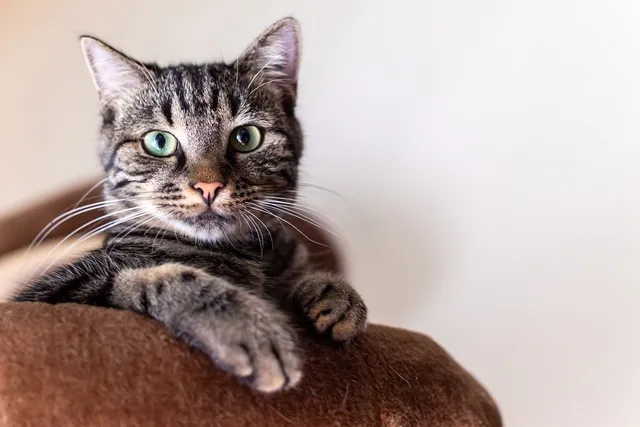
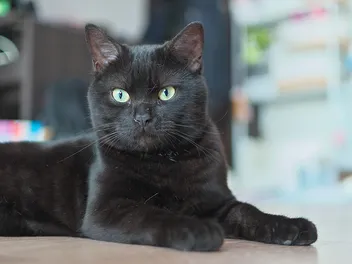
With such a wide range of possible genetic backgrounds, it’s no surprise that Domestic Shorthairs can come in almost any color that you can imagine! Their eyes can be hazel, gold, blue, yellow, green, or sometimes a combination of two of these colors.
Suitability
Families looking for an adaptable and friendly cat could do worse than adopting a Domestic Shorthair kitten! These cats can have different personalities from each other, but they are all generally easy-going and affectionate. Many Domestic Shorthairs enjoy short training sessions, long play times, and of course, plenty of cuddles!
Domestic Shorthairs usually get along well with other pets when adequately socialised and properly introduced, and may often be quite happy entertaining themselves while everyone is out of the house, for a short period. However, they still need regular daily exercise, mental stimulation, and environmental enrichment. Some of them will love their food a little too much, so you may need to keep an eye on their weight to make sure they stay within a healthy range.
Pros
- Low-maintenance grooming needs
- Generally healthy
- Many colors to choose from
- Adaptable
- Suitable for multi-pet households, when properly socialised and introduced
- Can be left alone
- Usually affectionate
- Easy to train
Cons
- Harder to predict their character than some other breeds
- Can suffer from various health conditions, depending on underlying breeds, similarly to other breeds
American Shorthair Cat Breed Overview

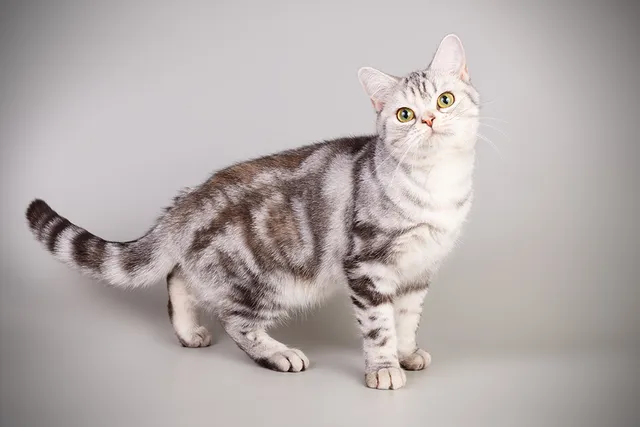
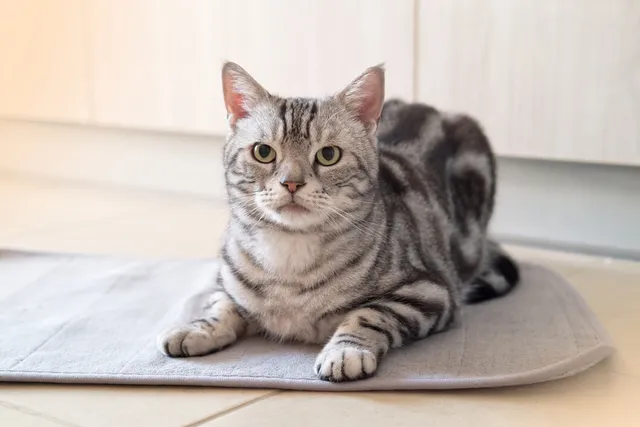
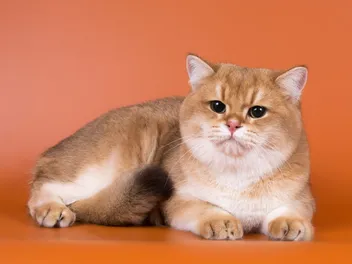
The American Shorthair is an American breed, thought to be descended from European breeds, including the Domestic Shorthair! The first record of this breed was made in the early 1900s. The breed was accepted into the Cat Fanciers' Association in 1906, as their fifth recognized breed. They have also been used in the development of many more modern breeds, including the American Wirehair and partly the Bombay cat. The original purpose of the American Shorthair was to work as a barn cat, keeping farms free of vermin. The muscular and powerful body of these chunky cats harks back to their working roots. This is a slow-maturing breed, and your cat may not be fully grown until they’re 3-4 years old!
Personality & Character
American Shorthairs have what many cat lovers consider to be a perfect personality. They’re affectionate yet not in your face and sociable yet happy to amuse themselves at home while you’re out of the house. These clever cats love to spend time interacting with their families and often enjoy learning tricks, going for walks on a harness, and playing. These cats are adaptable and easy-going and can often enjoy life in a busy, multi-pet household, as long as they have been properly socialised and introduced. That’s not to say that they don’t have their limits, however, and if there are too many strangers around or kids who haven’t been taught how to safely interact with cats, they may seek a quiet spot to wait until the house becomes quieter.
Health & Care
American Shorthairs have a thick and dense short coat, and this becomes significantly thicker and slightly longer over the winter months. They can shed a significant amount, so you may want to brush your cat three to four times per week to help get rid of any shedding hair. As a purebred cat, American Shorthair cats can suffer from a few different health conditions, very much like many other cat breeds and not exclusive to them, including:
- Hyperthyroidism
- Kidney disease
- Hypertrophic cardiomyopathy
Another issue to watch out for in this breed is obesity. As a cat originally bred to be active and live a life mostly outdoors, as an indoor cat, similarly to other cat breeds, they may be prone to putting on weight quickly. Obesity in domestic cats is a major problem and can increase the risk of them developing other conditions, such as diabetes, urinary, joint, breathing issues, and many more. Making sure your cat gets plenty of exercise and doesn’t eat too much is the best way to keep an American Shorthair’s weight in check.
Keeping your cat’s teeth in good condition is also important, so regular brushing combined with vet checks when needed is recommended.

Breeding
American Shorthairs are an extremely popular breed, so you shouldn’t have any problems finding a reputable breeder close to you. We recommend that when visiting any breeder to ask to meet both parent cats, as well as the kittens.
Breeders should be happy to provide references, information about which breed association the kittens will be registered with, and information about any health tests that the kittens have had.
Color
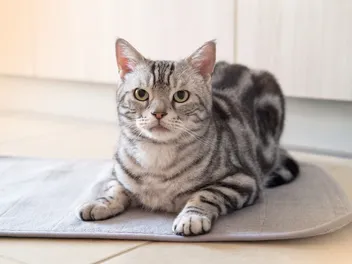
American Shorthairs can be found in a range of colors, including black, white, blue, cream, silver, red, golden, cameo, brown, tortoiseshell, blue-cream, and chinchilla. They can also have patterns including tabby, smoke, shaded, bi-color, and tri-color.
Their eyes can be copper, green, hazel, gold, blue, or odd-colored.
Suitability
American Shorthairs are an incredibly popular breed and for good reason. Their adaptability means they’re happy living in a wide range of homes, from a quiet apartment to a busy rural house. They’ll be able to work the situation to their advantage and make sure there’s always a human around to keep them well-fed and give them plenty of attention when they want it! While they don’t mind being left alone for a while, they prefer having company for most of the day.
This breed isn’t demanding or overly vocal, but they do love spending time with their families. They’re intelligent enough to enjoy learning tricks and playful enough to enjoy life around kids or other pets. They require regular daily exercise and attention, mental stimulation, and environmental enrichment to keep them busy at all levels.
Pros
- Adaptable
- Suitable for multi-pet households, when properly socialised and introduced
- Affectionate
- Easy to train
- Can be left alone
- Many color options to choose from
- Wide choice of reputable breeders
Cons
- Can suffer from a range of health conditions, similar to other breeds
- Coat sheds frequently
Price of Domestic Shorthair Cats vs. American Shorthair Cats
Domestic Shorthair cats are usually reasonably priced, as their breeders usually won’t need to carry out health tests or register their kittens with a breed association. Shelters will usually have a selection of kittens and cats available for adoption, and you’ll just need to cover the cost of an adoption fee before you can bring your sweet Domestic Shorthair home!
American Shorthairs can cost anywhere from $600-$1,200. With this breed, it’s vital that you make sure any breeder can provide health tests for the parent cats and their kittens, as they can be prone to health conditions that can result in expensive vet bills, similar to other cat breeds.
Which Breed Is Right for You?
Now that you’ve gotten to know both the Domestic Shorthair and the American Shorthair a little better, you’ve hopefully got a clearer idea of which cat may suit you and your family better. The good news is that whichever cat you choose, you’re guaranteed plenty of affection and entertainment from your new friend!
Domestic Shorthairs can have a wider range of personality traits, but they’re also generally healthy and hardy. American Shorthairs will almost always be affectionate and intelligent, but they can suffer from a wider range of health conditions. Both these breeds are at risk of developing obesity, so however cute your new cat may be, keep on track with their rations and remember to take into account those treats!
Related Reads:
Featured Image Credit: Left - Mary Swift, Shutterstock | Right - Apisit Hrpp, Shutterstock
Expert cat care, straight to your inbox
News, insights, and useful advice, delivered to you.

No spam — unsubscribe anytime.
By signing up, you agree to our Terms & Conditions and Privacy & Cookies Policy.
How useful was this post?
Click a star to rate. You can leave written feedback afterwards. (We read all feedback.)

Christian started writing for a local newspaper as a teenager, and he's been involved in the publishing industry for most of his adult life. Combining his love of writing with a passion for animals, he is currently the Director of Editorial at Pangolia and the Editor-in-Chief at Catster.
Christian lives in the Philippines with his wife, son, and four rescue cats: Trixie, Chloe, Sparky, and Chopper.