Blue Bengal: Info, Pictures, Origin & History
In this article
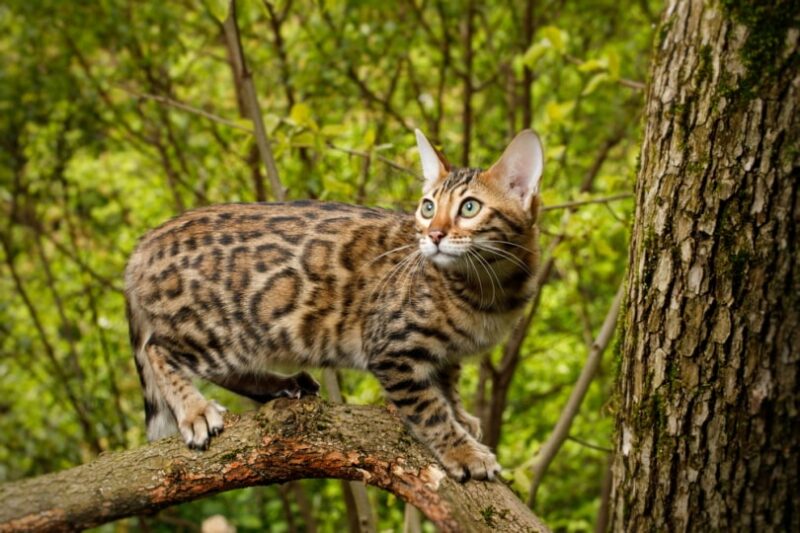
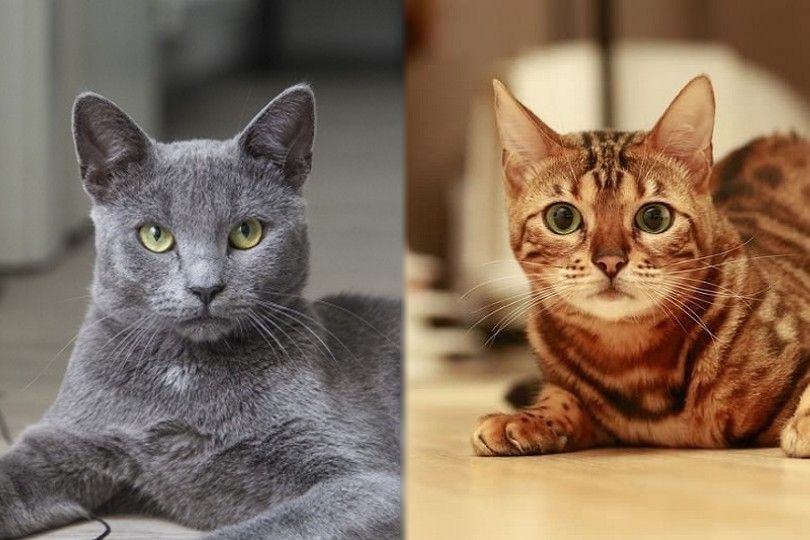
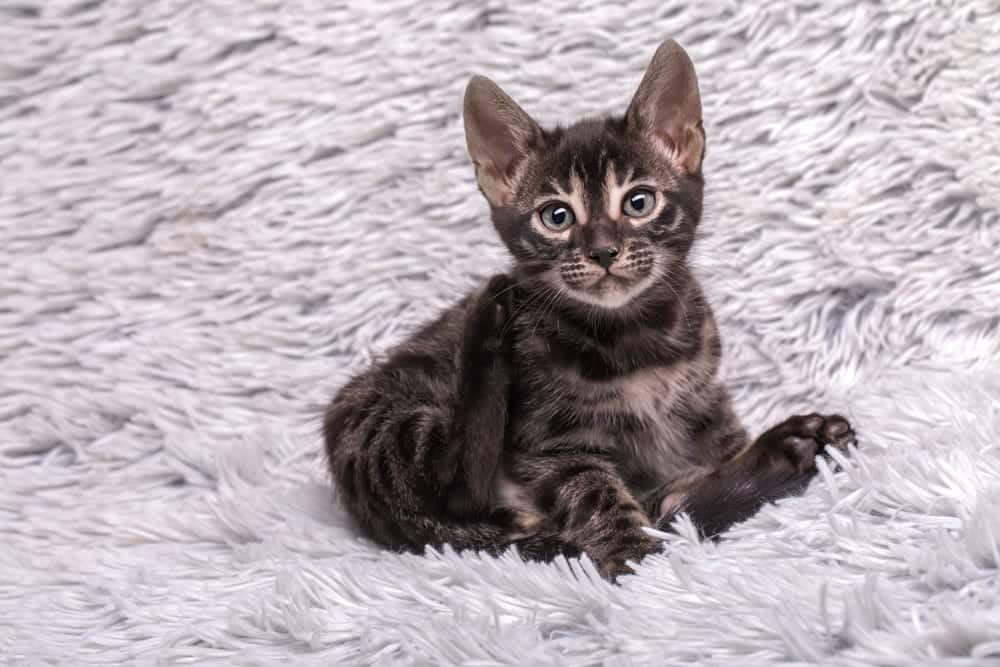
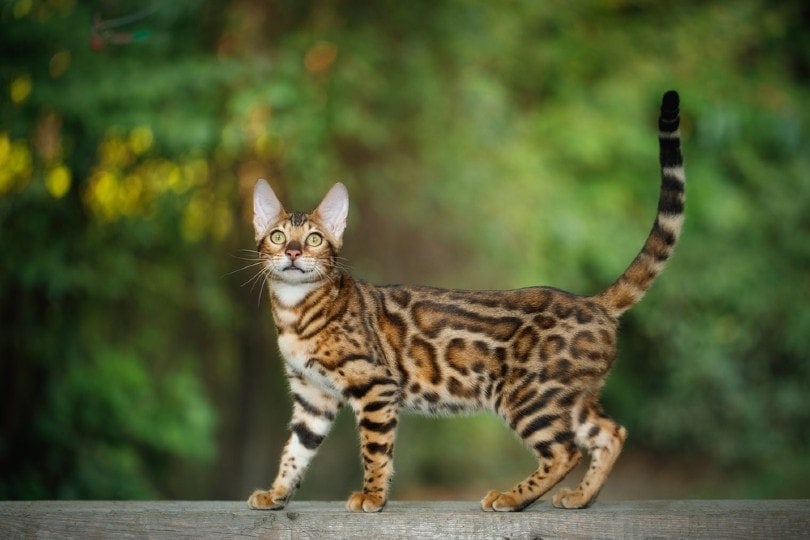
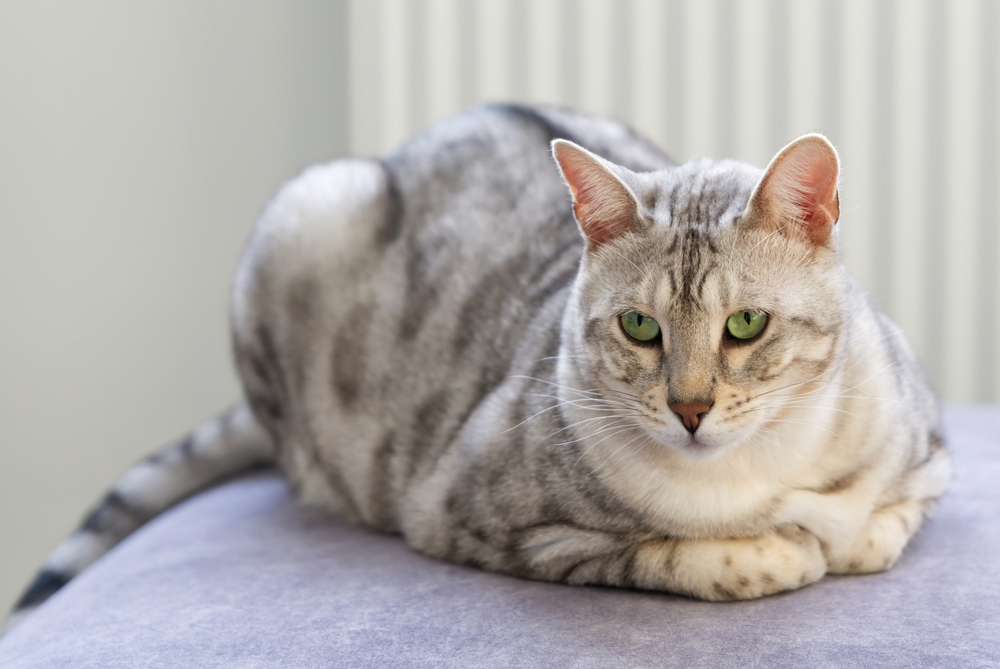
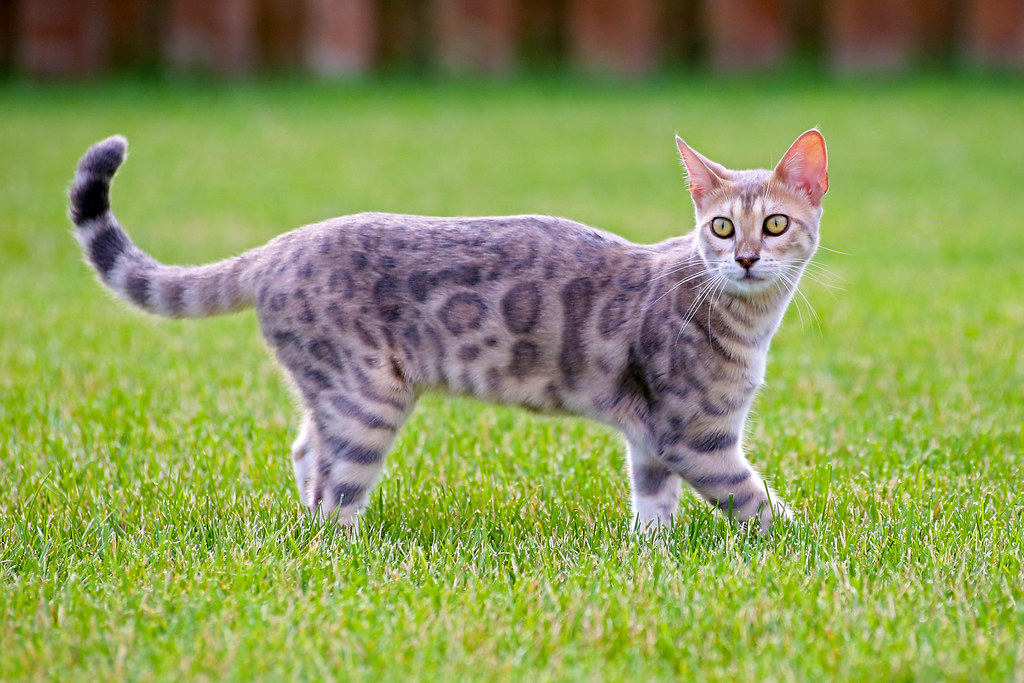
Bengal cats are hybrids of the Asian Leopard Cat and domestic cats. They have the beauty and look of a wild cat with the temperament and size of the average housecat. These friendly and loving cats come in various colors and patterns. The Blue Bengal is a Bengal cat with a bluish-grey tint to their coat, along with creamy coloring. They are not a separate breed of cat. A recessive blue coat gene causes this coat color. Both parent cats must carry this gene to create Blue Bengals. Let’s learn more about these impressive cats.

The Earliest Records of Blue Bengals in History
The Bengal breed wasn’t fully established until the 1970s, when Jean Sugden Mill started breeding these cats in Yuma, Arizona. She then created the domestic Bengal by backcrossing the offspring through five generations. Mill wanted a domestic cat that had the appearance of a wild cat, and this is what she got. Bengals were bred by crossing domestic cats with Asian Leopard Cats, also known as Felis bengalensis. This is how the Bengals got their name.
The Blue Bengal is a coat shade variety that can appear due to a recessive gene. They have no personality traits or care needs that differ from any other Bengal. The only difference is their coat coloring. However, the cats may be more expensive due to their rarity. Since both parents must carry the recessive blue gene, the Blue Bengals are harder to find.

How Blue Bengals Gained Popularity
The first Bengal cats were direct descendants of Asian Leopard Cats, which are wild cats. Since half of the Bengals’ genetic makeup was that of a wild cat, the first Bengals were considered to be too wild. Once further breeding continued, the fourth generation of Bengals was being bred from other Bengals. These kittens were born to two fully domesticated cats and had personalities that resembled them. People became more interested in owning a Bengal cat once their wildness had been bred out.
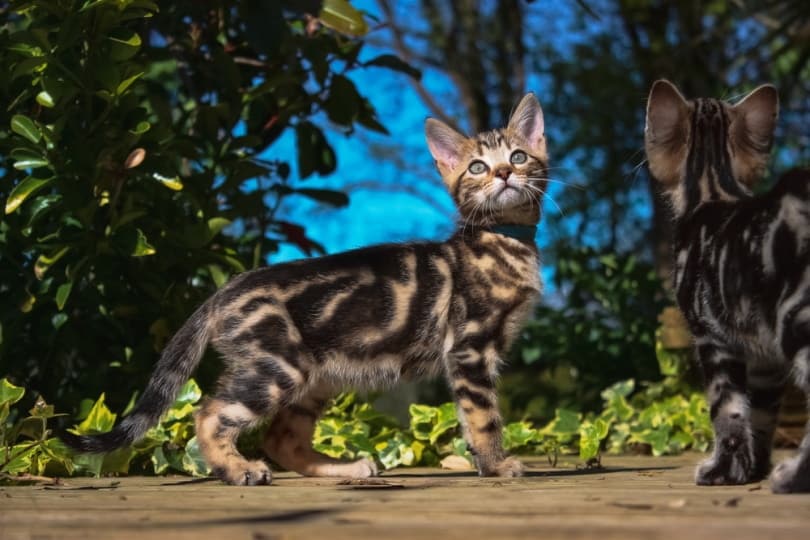
The Blue Bengal coat is desired but difficult to find. Bengals have rosette markings, marbling, spots, and stripes. Their markings are already unique, but the blue coat makes them even more pronounced. If you find a Bengal breeder who breeds Blue Bengals, you will likely end up on a waiting list for a future litter. Many Bengals are spoken for before they are even born.
Formal Recognition of Blue Bengals
The Blue Bengal is not formally recognized as a breed because the cat is a Bengal that has a blue coat. If two non-blue Bengals have a litter but both parent cats carry the recessive blue coat gene, blue kittens can show up in that litter or future generations if the gene is passed to the kittens. When two Blue Bengals breed together, all the kittens will be blue.
Bengals were accepted by The International Cat Association (TICA) as a new breed in 1986. In 1991, the breed gained championship status. They are among the most frequently registered breeds in TICA today. In 2016, the Cat Fancier’s Association accepted the Bengal as a miscellaneous breed.
Top 5 Unique Facts About the Blue Bengal
1. Safari Cats
Until the 1970s, Bengal cats were called Safari Cats. Their name changed to take on the scientific name of the Asian Leopard Cat.
2. Expensive
Bengals are known as the Rolls Royce of cats because of their high price tags. You can expect to pay between $500 and $3,000 for a Bengal kitten from a breeder.
3. High Energy
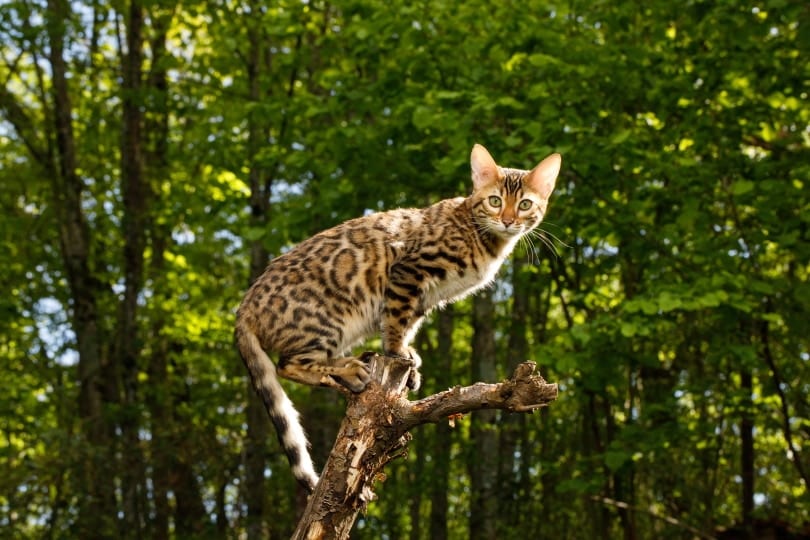
Bengals aren’t your typical lazy housecat. They have high energy levels, crave attention, and love to climb.
4. Water Cats
Bengals, unlike many other cats, enjoy water. They don’t mind getting wet and may even try to get into the shower with you.
5. Coat Colors
Bengals come in various colors and patterns. They can be golden, rust, orange, sand, blue, grey, and ivory. Their spots can be different colors, too, ranging from rust to chocolate and black. Some Bengals have glittering coats that, in the sunlight, look like they’ve been sprinkled with glitter.
Does a Blue Bengal Make a Good Pet?
Blue Bengals are smart, affectionate, energetic cats. They are highly active and playful. Their intelligence makes them able to learn tricks, so you can teach them to sit, lie down, or give high fives. They’re beautiful cats that enjoy being around their people.
Blue Bengals aren’t that cuddly, but they love human companionship. They need plenty of environmental stimulation and attention. If you can meet their needs and are aware that these cats don’t like to be left alone and have high energy levels, the Blue Bengal cat makes a good, fun, and unique pet.
Conclusion
Blue Bengals have bluish-grey coats and are not a separate breed from the Bengal cat. They are true Bengals that have a recessive gene responsible for their coloring. Since it’s more difficult to breed these cats, Blue Bengals are rare. If you find a kitten, the price tag may be much higher than the average Bengal cost. Bringing a Bengal into your home can be a fun and rewarding experience if you understand their needs and personalities. They make beautiful and loving pets.
See Also:
Featured Image Credit: skeeze, Pixabay

Expert cat care, straight to your inbox
Vet-reviewed advice, behavior tips, and the best of Catster. Free, and you can unsubscribe anytime.
By signing up, you agree to our Terms & Conditions and Privacy & Cookies Policy.

Christian started writing for a local newspaper as a teenager, and he's been involved in the publishing industry for most of his adult life. Combining his love of writing with a passion for animals, he is currently the Director of Editorial at Pangolia and the Editor-in-Chief at Catster.
Christian lives in the Philippines with his wife, son, and four rescue cats: Trixie, Chloe, Sparky, and Chopper.
Join the conversation
Ask a question, share your story, or send private feedback.