Skin Cancer in Cats: Types, Causes & Treatment (Vet Answer)

In this article
Skin cancer is a representative name for several types of malignant lesions. In cats, the most common types of skin cancer are squamous cell carcinoma, basal cell carcinoma, melanoma, and mast cell tumors.
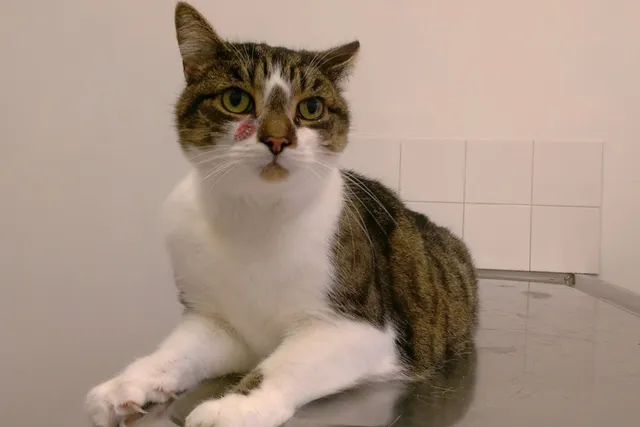
These cancers can appear on a cat's skin in several forms: ulcers, crusts, lumps, lesions, or bumps. Therefore, you’ll need to pay attention to any unusual lump or bump that appears on your cat's skin and take them to the vet for a check if you notice one.
In this article, you will learn about skin cancer in cats, its causes and clinical signs, how you can care for a cat with skin cancer, and more.

What Is Skin Cancer in Cats?
Skin tumors are formed when skin cells begin to multiply uncontrollably. Normally, when skin cells age and die, new cells are formed to replace them. When this process doesn't work as it should, cells multiply faster. These abnormal growths can be non-cancerous (benign), which means they do not spread to other tissues and organs, or they can be cancerous (malignant), which means they can spread and invade other tissues and organs.
Here are the most common types of benign skin tumors in cats:
Benign tumors are generally harmless compared to cancerous ones. That said, they can develop in areas that can hinder your cat's ability to function normally, with removal surgery being necessary. For example, if your cat has a large basal cell tumor that is ulcerated and causing pain and discomfort, it should be removed.
It is necessary to perform diagnostic cytology and sometimes histopathology from a fine needle aspiration or biopsy to differentiate between benign and malignant tumors. For this reason, it is vital to take your cat to the vet when the first clinical signs occur.

What Are the Signs of Skin Cancer in Cats?
For the most part, skin tumors present as changes at the level of the skin in various areas of the body.
These skin changes include:
Although most skin cancer does not usually cause itching, some versions do, and since the lesions are something out of the ordinary for them, cats may scratch and lick intensely until they cause open wounds and lose their hair.
In the early stages, skin tumors on a cat’s body cannot be easily seen because they are hidden in the cat's fur. As they grow, they may become visible. To ensure that your cat's skin is healthy, pet and brush them regularly. This way, you will feel if any changes have occurred on your cat's skin. Growths and tumors around the cat's face area are easier to detect.
If you are concerned about the health and well-being of your pet, we recommend getting in touch with a vet for guidance.

What Are the Causes of Skin Cancer in Cats?
Skin cancer in cats is usually caused by several factors 1, such as genetic, environmental (e.g., sun rays), and mechanical (e.g., irritation and trauma to the skin).
These skin changes include:
How Is Skin Cancer Diagnosed in Cats?

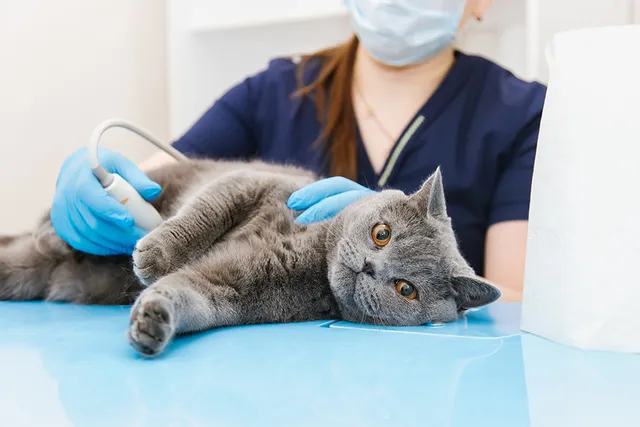
Initially, the veterinarian will perform a general exam and ask you about your cat's medical history. But to correctly diagnose skin cancer in cats (and implicitly, differentiate between benign and malignant cancer), additional tests are needed.
These may include:
Metastasized cancer can quickly spread and disrupt other vital organs. Therefore, it is vital for your cat to be taken to the vet as soon as the first clinical signs occur. If not treated, malignant cancers can quickly damage your cat’s internal and vital organs, complicating the treatment and even becoming fatal.
How Is Skin Cancer in Cats Treated?
In most cases of skin cancer in cats, the tumor should be surgically removed. Once it has been removed, the vet will send it to the lab to see what kind of cancer it is. The cat’s treatment also depends on how advanced or invasive the disease is. For example, if the cancer has spread in the body, the cat will need chemotherapy treatment. If the tumor is too large and in an area that does not permit access for surgical removal or your cat is not a good candidate for general anesthesia, the veterinarian may also recommend chemotherapy and/or radiation.

How Do I Care For a Cat With Skin Cancer?
If your cat has been diagnosed with skin cancer, follow the advice and treatment prescribed by the veterinarian. If your cat underwent tumor removal surgery, monitor the incision site at home for redness, swelling, or discharge. Contact the veterinarian if these clinical signs occur.
Examine your cat's skin regularly. If new lesions appear or if your cat has a wound that does not seem to heal, contact the veterinarian as soon as possible. Also, if you have a cat with white hair or a hairless pet that likes to be in the sun, ask your veterinarian about cat-safe sunscreen.
Frequently Asked Questions
Can Squamous Cell Carcinoma in Cats Be Cured?
The early stages of cutaneous squamous cell carcinoma can be successfully treated, and affected cats will be able to lead normal and healthy lives. If the surgical margins have not been properly resected, cutaneous squamous cell carcinoma can recur. If this type of cancer occurs in other areas (e.g., in the mouth), it has a poor prognosis, as the treatment is ineffective. Cats with oral squamous cell carcinoma live an average of 2–4 months after diagnosis.
How Do You Prevent Squamous Cell Carcinoma in Cats?
The best method of preventing squamous cell carcinoma is to protect your cat from the sun's UV rays. If you have a cat with white hair or a hairless cat, apply feline-friendly sunscreen to reduce the risk. The areas most exposed to the sun are the tips of the ears, the nose, and around the eyes.
Conclusion
Skin tumors in cats can be either benign or malignant. Malignant growths are those that can invade other organs and are known as cancer. The most common skin cancers in cats are squamous cell carcinoma, mast cell tumor, basal cell carcinoma, and melanoma. Skin cancer has no specific signs, except for the changes that occur at the level of the skin. These changes can be bumps, lumps, open wounds, crusts, sores, etc. Since cancers can spread to other tissues and organs, it is important to check your cat's skin regularly and take them to the vet if you notice something abnormal. Most types of skin cancer can be treated surgically, but if they have spread, they will require chemotherapy.
Sources
Featured Image Credit: Libre, Shutterstock
Expert cat care, straight to your inbox
News, insights, and useful advice, delivered to you.

No spam — unsubscribe anytime.
By signing up, you agree to our Terms & Conditions and Privacy & Cookies Policy.
How useful was this post?
Click a star to rate. You can leave written feedback afterwards. (We read all feedback.)
Dr. Iulia Mihai, DVM MSc (Veterinarian)
Dr. Mihai is a vet with over 13 years of experience in laboratory, pet pathology, and cancer. She studied at the University of Agronomical Sciences and Veterinary Medicine of Bucharest, Romania (EAEVE member), where she worked in the laboratory of the faculty clinic after graduation. She has a master’s degree in equine and pet pathology and studied epithelial cancer for her Ph.D. Iulia has a passion for internal medicine and parasitology and started volunteering at the faculty’s clinic in her third year of college. She has worked in a couple of veterinary clinics over the years as an internal medicine specialist. She enjoys writing and teaching people about cat disease prevention, nutrition, behavior, and treatment.