Ear Polyps in Cats: Causes, Signs & Care (Vet Answer)

In this article
Ever wonder what a cat is thinking? Quite often, their ears can give us a great deal of information about what is going on beneath that stoic surface. Alert or relaxed, angry or scared, healthy or unwell; the movement and position of cats’ ears can tell us a lot about how they are feeling, and the feel of them can give us clues about their health.
But what if the ears themselves are the problem? Cats can suffer from a range of ear problems, such as ear mites, infections, wounds, and skin cancer. Ear polyps are a common but sometimes overlooked disease in cats that can cause a range of symptoms, not the least of which is irritation and discomfort. The following information will help us understand what ear polyps are, how they affect our feline friends, and how we can treat them.

What Are Ear Polyps?
Seen almost exclusively in cats (and very rarely in dogs) ear polyps (also called nasopharyngeal polyps) are benign soft tissue growths that originate from the middle ear. They typically appear in younger cats, although they can also affect geriatric felines.
It is generally believed that they are a congenital problem, meaning that they will form due to a genetic defect in the individual rather than the result of a primary illness, but there are studies that indicate that they may be linked to upper respiratory or ear infections.
Certainly, cats that have suffered from cat flu viruses as kittens seem to be far more susceptible to ear polyps, although the viruses themselves have not been found in the polyps. Potentially, both scenarios are true, and polyps occur as a result of inflammation from infection, but only in genetically predisposed individuals.
As the name suggests, ear polyps are found in the ear, but their other name (nasopharyngeal polyps) tells us that the ear isn’t the only place affected. The polyps originate from the tympanic bullae, which is a bit like the “sound chamber” at the base of the ear. From here, the polyps can grow through the eardrum and into the external ear canal or down the eustachian tube into the nasopharynx at the back of the throat.
Although they are not cancerous, these polyps usually require surgery due to the irritation and pain they cause, so the more we understand about them, the better we can diagnose, treat, or prevent these highly annoying growths.

What Are the Signs of Ear Polyps?
The main signs that a cat is suffering from ear polyps depend on several factors, such as the exact location and size of the polyp(s) and whether an infection is present. Cats with ear polyps may show the following signs:
- Head shaking or dropped/flattened ears
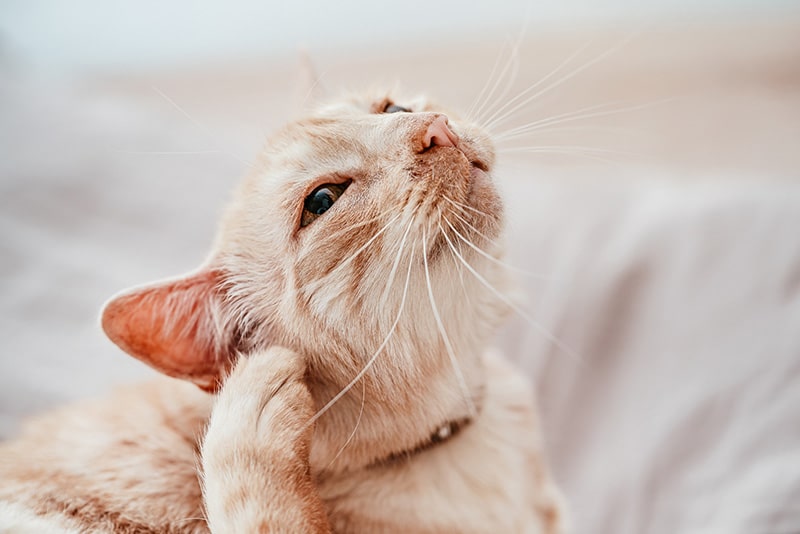
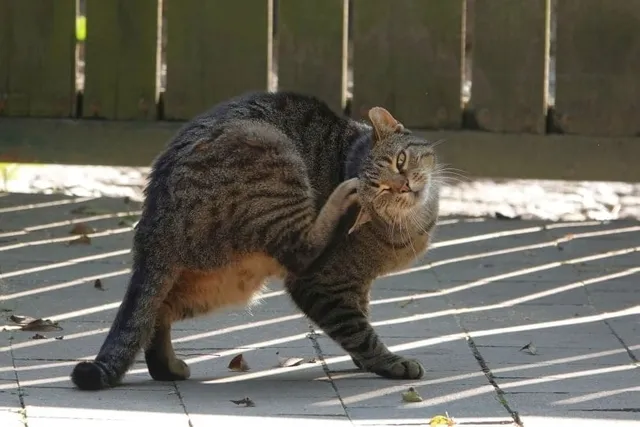
- Ear scratching
- Discharge from the ear
- Head tilt, circling, ataxia (wobbly gait), or nystagmus (eyes flickering rapidly to one side)
- Horner’s Syndrome (due to pressure on the nerves supplying the eye)
- Sneezing, coughing, or noisy breathing
The type of signs seen will help the vet work out where the polyp is likely to be growing.
If you are concerned or have questions about your cat's health, you can also speak to a vet from the comfort of your own home to help make a plan. They can determine when an in-clinic vet visit should be made.
What Are the Causes of Ear Polyps in Cats?
As previously mentioned, the specific cause of ear polyps in cats has not been definitively proven. Studies have shown that they can occur in cats with no known history of ear infections or respiratory disease, suggesting that they may be a congenital problem.
However, there is a much higher incidence of ear polyps in cats with a history of viral or bacterial infections of the ear or respiratory tract, particularly with the viruses associated with cat flu (Calicivirus and Herpesvirus), although the viruses themselves have not been isolated in the polyp tissue. This does not necessarily mean that the virus didn’t cause the polyps, but perhaps that the polyps form because of inflammation rather than from the virus itself.
Ear infections in young cats are often associated with ear mites, as these occur commonly in litters of kittens. The ear mites themselves usually cause little more than irritation, but that irritation can lead to secondary bacterial infections, which may then trigger the formation of ear polyps.

How Do I Care for a Cat With Ear Polyps?
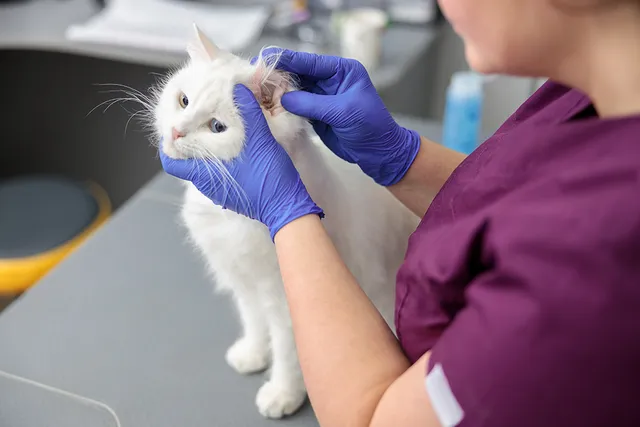
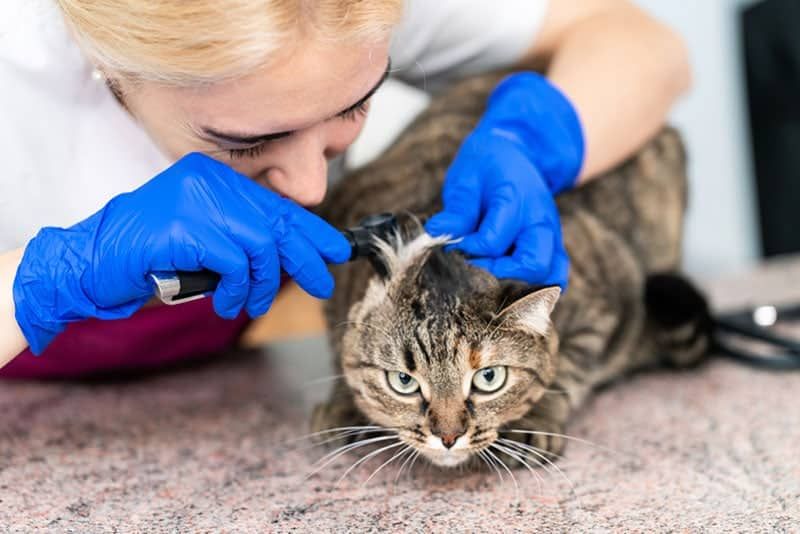
The first, and most important part of dealing with ear polyps is to get a proper diagnosis. Many things could cause the same clinical signs, so your cat must be examined by a veterinarian so that a treatment plan can be devised.
Surgery is generally the recommended course of treatment for ear polyps, and there are two types of approach, both performed under a general anesthetic.
Tension avulsion: the most straightforward approach, where the polyp is visualized, grasped at the base of its stalk with forceps and pulled away from the tissue. This technique depends greatly on the location of the polyp and the ability to grasp it without causing damage to the surrounding anatomy.
Ventral bulla osteotomy: this technique involves opening up the tympanic bulla (the sound chamber) to remove the polyp at its source. This technique is more complicated but is more likely to result in the complete removal of the polyp. It is also the only option if the polyp cannot be accessed via the ear canal or mouth.
Sometimes surgery isn’t an option, or cannot be performed immediately, so we need to know how best to help cats with polyps in a non-surgical way.
Because polyps can grow through the eardrum, it is extremely important NOT to put anything into the ear that has not been prescribed by a vet. Many ear drops and cleaners can cause permanent damage to the inner ear, so only prescribed medications should be used.
A vet may prescribe a combination of topical treatments to use on the polyps (if they are in the ear canal), antibiotics to treat the infection, and anti-inflammatory medications or steroids to reduce inflammation. These medications will usually be given following surgery as well, to try to reduce the risk of polyps growing back.
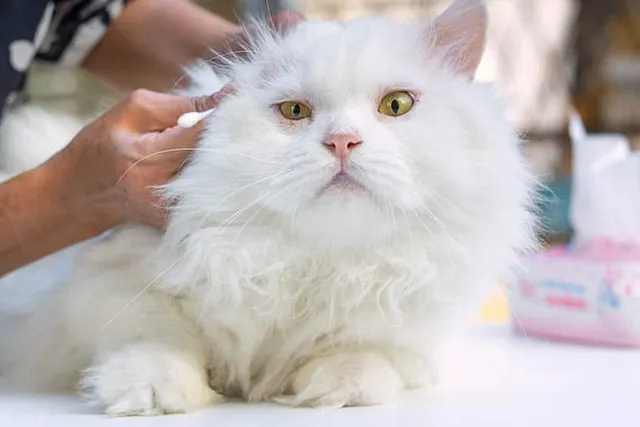
If your cat is scratching or rubbing their ears and causing damage, you may need to use an Elizabethan collar to prevent them from making things worse. If this is the case, your cat will be very grateful if you can give their ears a bit of attention. If you need to clean any wax or discharge from around the ear canal (not inside the canal), the best things to use are baby wipes to gently remove debris from the ear, and cotton tips—very carefully—to clean the nooks and crannies around the opening of the ear. If your cat is particularly sensitive to having their ears touched, put the cotton tips aside and stick with the wet wipes.

Frequently Asked Questions
Can Ear Polyps Be Prevented?
Possibly. As we’ve learned already, ear polyps most likely occur after the cat has had an infection of the ears or respiratory tract, but they may also occur without these.
The best ways to reduce the chance of your cat developing polyps is to:
Can Ear Polyps Make My Cat Deaf?
Rarely, but yes. Some cats can get polyps bilaterally, and if they cause nerve damage or block the ear canals, they can result in deafness.
Should I Clean My Cat’s Ears? How Often?
This depends on the cat. Most cats don’t really need their ears cleaned as they are quite fastidious about their personal hygiene, but on occasion, they might need a bit of attention. Some cats may be prone to waxy or dirty ears, so you should clean them as often as you need, but avoid doing it too often.
IMPORTANT: If your cat is itchy, shaking its head, or in pain, DO NOT attempt to clean the ear before seeking veterinary advice. If the eardrum has been ruptured, cleaning can cause permanent damage, so if in doubt, get them checked out.
Conclusion
Ear polyps, also called nasopharyngeal polyps, are a benign but problematic affliction of cats. They may occur with no previous indication of disease but are more likely to develop following a viral or bacterial infection of the ears or upper respiratory tract. The signs they produce will depend on their location but can range from mild irritation to more serious neurological problems.
The treatment of ear polyps should ideally be surgical, but there are some non-surgical approaches to reducing the irritation they cause. Vaccination of kittens and cats, treatment of ear infections and ear mites, plus early treatment of respiratory problems may reduce the risk of polyp growth. If your cat shows any signs of pain, inflammation, or discharge from the ear, you should always make an appointment to see the vet before attempting to treat or clean the ear.
See Also:
Sources
Featured Image By: Try_my_best, Shutterstock
Expert cat care, straight to your inbox
News, insights, and useful advice, delivered to you.

No spam — unsubscribe anytime.
By signing up, you agree to our Terms & Conditions and Privacy & Cookies Policy.
How useful was this post?
Click a star to rate. You can leave written feedback afterwards. (We read all feedback.)
Dr. Karyn Kanowski BVSc MRCVS (Veterinarian)
Dr. Karyn comes from Queensland, Australia, and has lived in the UK for the past 10 years. In 2010, she graduated from The University of Queensland School of Veterinary Science and also has a Bachelor’s degree in Zoology. She is passionate about using evidence, experience, and owner collaboration to provide the best solutions for pets, and believes in making reliable information about animal health accessible to all. Dr. Karyn shares her home with five cats, four dogs, and one husband. When she is not in the scrubs, she spends her time writing, gardening, and cleaning up pet hair!