Get

In Your Inbox

Catster is reader-supported. When you buy via links on our site, we may earn an affiliate commission at no cost to you. Learn more.

Does a Dryer Kill Fleas on Cat Bedding? Here’s What Science Says (Vet Answer)

Share

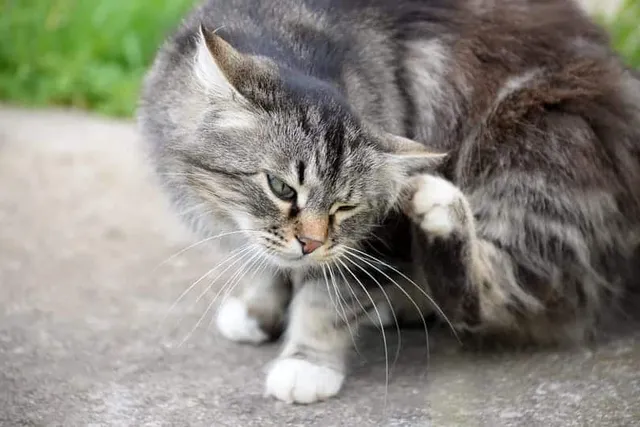
cat scratching ear

Fleas may be small, but they can cause us and our pets big problems. They are the most common external parasite of cats and breed rapidly—with female fleas laying around 2,000 eggs in their lifetime. Once your cat brings fleas into your home, getting rid of adult fleas as well as their eggs, larvae, and pupae, can be a challenging task. It’s a good idea to contact your vet for help and advice on treatment options, to get on top of the problem as quickly as possible.

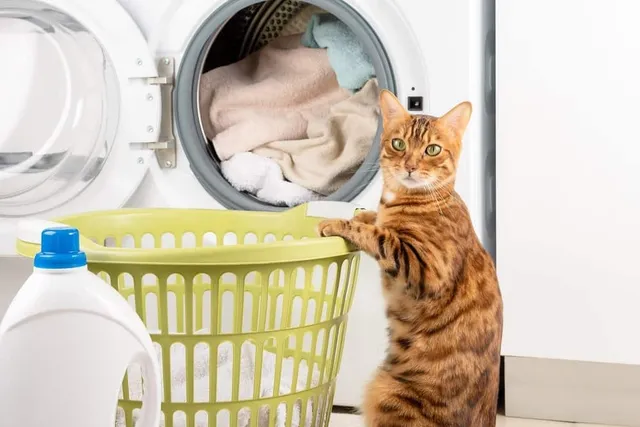
If you are wondering whether putting the cat’s bedding in your dryer can help you tackle an infestation—the answer is yes, it can! The high temperatures in a dryer can kill any fleas, eggs, and larvae in your pet’s bedding and it can be helpful as part of a combination approach to deal with these pesky parasites. Read on to find out more.

divider cat faces 2 oct 2024

What Science Says

Relative humidity of less than 50% and temperatures above 40°C /100.4°F have been shown to kill all flea life stages 1. These can be achieved in a tumble dryer, and it’s recommended to continue for a 40-minute cycle. The average drum temperatures for tumble dryers are around 50–70°C/122–158°F depending on your model and so the temperatures reached should be sufficient to kill all fleas, eggs, and larvae.

Ideally, we would recommend washing bedding and other washable garments first as the washer’s water and detergent should drown most fleas and then the heat, desiccating conditions, and tumbling action of the dryer will kill any that have survived.

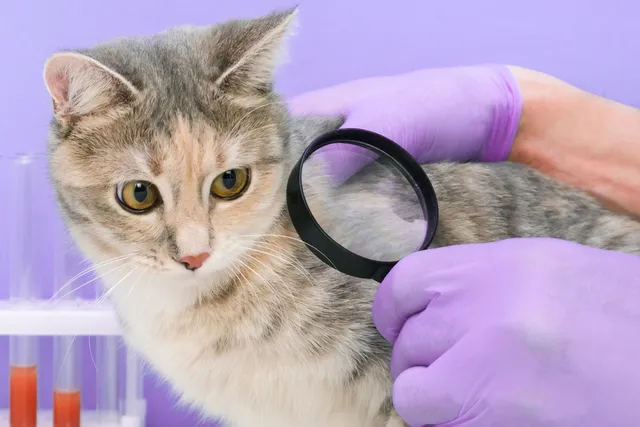
flea combing a tabby cat
Image Credit: Simone Hogan, Shutterstock

How Do I Know If My Cat Has Fleas?

Fleas are tiny dark brown insects and can be seen with the naked eye. Despite only being approximately 1/8th of an inch long, they can jump up to 8 inches high!

Cats are generally fastidious groomers, however, and during grooming often eat any fleas they come across. This can make finding adult fleas in their fur more difficult.

What you will often find instead is flea dirt, which is flea poop consisting of digested blood. These look like black specs and can easily be mistaken for normal mud and dirt. The best way to tell the difference is to collect some and put it onto damp cotton wool or white tissue paper. If they are flea dirt they will slowly dissolve, leaving a reddish blood mark.

Other signs your cat may have fleas include them itching and scratching more than normal, sometimes developing bald patches or a rash. Some cats are allergic to flea saliva and can have more of a marked reaction to flea bites.

close up fleas on cat
Image Credit: KanphotoSS, Shutterstock

divider cat faces 2 oct 2024

Flea Life Cycle

Targeting all stages of the complex flea life cycle is essential when dealing with these irritating parasites, as only about 5% of fleas in an infestation are adult fleas on your pet. The rest are in the environment in the immature stages, including on your cat’s bedding.

Female adult fleas will start laying eggs within a few days of taking up residence on your cat. They can lay up to 50 eggs a day which fall off your cat and into the environment. Flea larvae hatch from the eggs and are usually found in the highest amounts wherever your cat spends time—this means large amounts on their bedding. Larvae don’t like light so will burrow into bedding, carpets, and soft furnishings.

Larvae feed off flea dirt, which also falls off your cat into the environment. These larvae eventually develop into pupae which are protected in a sticky cocoon. Adult fleas then emerge from the cocoons when the conditions are right. The whole flea life cycle can take as little as 15 days, but fleas can lie in cocoons for up to 2 years!

This explains why these troublesome parasites are so difficult to get rid of and it’s important to tackle fleas on your cat but also on their bedding and in your home.

Cat with fleas
Image Credit: Maja Marjanovic, Shutterstock

divider cat faces 2 oct 2024

Flea Treatment and Prevention Measures

Dealing with a flea infestation usually requires a combination approach. To effectively tackle a flea infestation, seek advice from your vet and follow their treatment guidelines carefully.

Here are some of our top tips:
  • Treat and prevent fleas by regularly using a vet-prescribed flea treatment for your cat. This is commonly in the form of a spot-on topical treatment or tablet. Consult with your vet on the best treatment for your cat which will be based on their age, size, lifestyle, and any underlying health conditions. Only ever give them a flea treatment that’s licensed for cats.
  • Vacuum your floors, skirting, and furniture regularly. Empty the vacuum or throw away the dust bag after vacuuming to prevent flea eggs and larvae from developing.
  • Use a household flea spray, ask your vet for advice on this and always follow the guidelines carefully when using.
  • Wash your cat’s bedding (or any other washable material they lie on, such as your bedding) on a hot wash and then tumble dry on a high setting.
  • Fleas can also transmit tapeworms, so your cat should be dewormed at the same time as being treated for fleas.

Note of caution: Some dog flea products contain permethrin, an insecticide that is safe for dogs but highly toxic for cats.

If you have a question about your cat's health or behavior, why not Ask a Vet for Free with Catster. Our veterinary team answers reader questions and provides trusted advice to help you better understand your cat.

askavet on catster

divider cat faces 2 oct 2024

Final Thoughts

Unfortunately, many cats will get fleas at some point and fleas can infest even the most spotless home. Luckily, there are many safe and effective flea treatments available to help. With 95% of a flea population living in the house, including on your cat’s bedding, getting rid of fleas in these areas is a vital part of an effective flea control program. The dryer can kill fleas, eggs, and larvae on your cat’s bedding and is a useful tool in your armory for eliminating these pesky parasites.

See Also: 


Featured Image Credit: fotovictoria, Shutterstock

Want content like this delivered to you?

Sign Up For Our Newsletter

News, insights, expert advice, and everything cat

* By submitting, you agree to our Terms & Conditions and Privacy & Cookies Policy.


How useful was this post?

Click on a star to rate (you can leave written feedback after clicking submit)

Help us improve Catster for pet parents!

Your feedback really matters.

What did you like about this post? Also how can we improve it?

Join the conversation

Leave a Reply

You’re very welcome to leave a comment or question. Please know that all comments must meet our community guidelines, and your email address will NOT be published. Let’s have a positive and constructive conversation.


Catster's Digital Magazine is Back!

Vet-approved health & behavior advice

Real cat stories & community features

The Original Space Invaders – Why Zero Respect for Personal Boundaries Is a Good Thing

Cats have a reputation for being independent, and in many ways they are. But anyone who has tried to work at a laptop...

How Cats Are Helping to Cure Cancer

When most people think about medical breakthroughs, they picture scientists in laboratories and clinical trials involving human patients. Few would imagine that the...

Ask Dr. Paola – My Cat Loves Eating Grass, But It Makes Her Vomit! (June 29, 2026)

Welcome to our “Ask Dr. Paola” series, where every Monday we bring expert advice straight from Dr. Paola Cuevas (MVZ) to help our...

Learning to Speak Cat with Anthony Smith

Many cat lovers know me through Learn to Speak Cat and Cattitude – Doggonit, cartoons that explore the often mysterious, occasionally mischievous, and...

More related

Do Coffee Grounds Keep Cats Away? Vet-Reviewed Facts & FAQ

A beautiful garden and neighborhood cats often don’t go hand-in-hand. Cats are notorious for digging into garden beds to defecate, and some can’t...

10 Common Cat Grooming Mistakes & How Not to Make Them

Cats are fastidious groomers who pride themselves on their cleanliness. However, that doesn’t mean you don’t have to do your part to keep...

Can Cats Eat Turmeric? Vet-Approved Benefits & Advice

Cats may be carnivores, but they sometimes like to munch on plant foods like carrots and bananas. They might snatch our almost-finished muffin...

Cat Trees: How to Choose One & Where to Put It

If you own a cat, you must own a cat tree! It gives your cat something to play on, scratch, sleep on, and...

Keep reading

Why Is My Cat Licking the Floor? 6 Vet-Verified Reasons

Cats sometimes do the weirdest things, and licking the floor is just one way that cats confound their human servants. The good news is that this behavior is relatively normal, at least by cat standards, and has some benign causes....

cat lick the floor

Mouth Cancer in Cats: Vet-Reviewed Signs & When to Euthanize

One of the most difficult parts of pet ownership is making end-of-life decisions. Knowing when to euthanize a beloved animal companion is never easy, and there’s no right answer for every situation. Personally, I’ve had to make that choice three...

cat mouth check by vet

Are Oriental Shorthair Cats Hypoallergenic? Vet-Verified Breed Facts & FAQ

The Oriental Shorthair is a stylish and energetic cat breed that can bring joy and companionship to any home. If you have allergies, you might wonder if they are hypoallergenic. All cats produce allergens, mainly through their saliva, skin, and...

close up oriental shorthair cat

Pneumonia in Cats: Causes, Signs & Care (Vet-Approved Explanation)

Cats rely on healthy lungs to breathe normally, just as humans do. Any health condition that impacts the lungs’ ability to function is potentially dangerous for the cat, and pneumonia is one of the medical concerns. In this article, we...

sick cat in vet

10 Best Wet Cat Foods in the UK in 2026: Reviews & Top Picks

As cat lovers, we want what’s best for our kitties, and that involves feeding healthy cat food that provides all the necessary ingredients cats need to thrive. When it comes to wet cat food in the UK, you’ll see plenty...

orange cat eating wet food

Can Cats Eat Dog Pill Pockets? Vet-Reviewed Facts & FAQ

Unfortunately, almost all cat owners experience times when their cats are prescribed medication for a health condition. Cats don’t generally enjoy eating things that don’t taste like their favorite things, like fish, chicken, and beef. If you think about trying...

Can Cats Eat Dog Pill Pockets

Can Cats Eat Dog Food? Vet-Reviewed Nutritional Facts & FAQ

Dog food and cat food look quite similar after you open the bags. The differences seem minimal when you compare apples to apples—that is, dry kibble dog food to dry kibble cat food. But just because they look the same...

Can Cats Eat Dog Food

Can Cats Eat Palm Leaves? Vet-Approved Facts & FAQ

Palms are common plants that are easy to care for and pleasing to the eye. They are distinguished by their large leaves, known as fronds, that give off a tropical vibe. Palm plants are used to decorate home and office...

Can Cats Eat Palm Leaves

Love Cats? So Do We! Join the Catster Community

Stay informed with expert pet care insights delivered straight to your inbox! Discover professional guidance on animal behavior, feeding tips, trusted product picks, and much more.


Sign up for the Catster Email Newsletter

Stay informed with expert pet care insights delivered straight to your inbox! Discover professional guidance on animal behavior, feeding tips, trusted product picks, and much more.