Do Steroids Make Cats Aggressive? (Vet Answer)


In this article
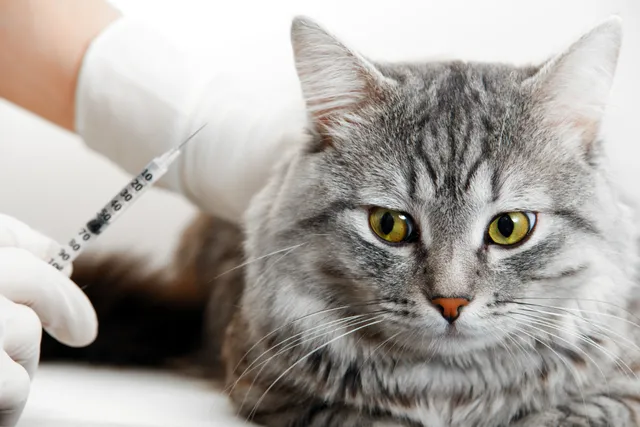
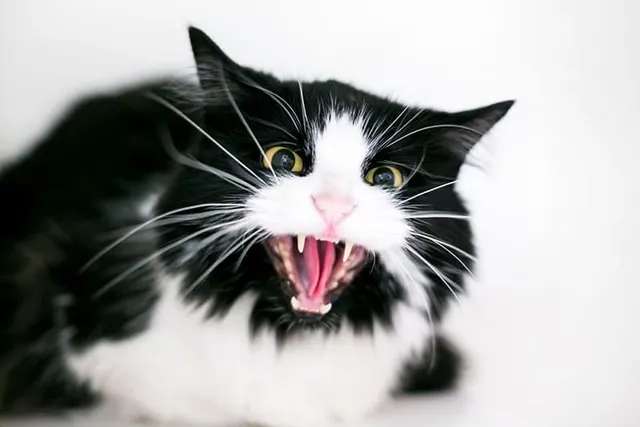
You’ve likely heard of someone who had “roid rage,” which is a physiological response that humans can sometimes experience because of steroid administration. Just like how humans on steroids can experience quick mood swings and agitation, steroid administration to your feline companion may also cause behavior changes, like an increase in agitation. However, this is more common in dogs. If you want to learn more about the effects of steroid administration and how to support cats who may have behavior changes, keep reading.

What Are Steroids?
Corticosteroids are a type of steroid that is naturally produced by the adrenal glands, and they benefit the body in several different ways. They are involved in inflammation, stress, metabolism, and electrolyte regulation, among other things.
Certain medical conditions that your cat may encounter in their lifetime may require treatment with steroids. Examples of conditions that may require steroid administration are allergies, dermatitis, asthma, and immune-mediated disease processes.

Side Effects of Steroid Administration
The effects of steroid administration vary and can be correlated with the dosing. Steroids may be dosed at physiological, anti-inflammatory, or immune-suppressive doses. Undesirable side effects are more likely to be noted with high doses of steroids.
Commonly reported short-term side effects of steroid administration include:
Additionally, cats that are borderline diabetic may become diabetic with the administration of steroids. Similarly, a cat with mild heart disease may develop severe heart complications with steroid administration.
Cats that may need to be on steroids for more than a few weeks can develop the above side effects but could also be at risk for developing long-term side effects as well.
Long-term side effects include:
Ways to Support Your Cat
If your cat is experiencing undesirable side effects from steroid administration, it is important to reach out to the prescribing veterinarian. The steroid should not be abruptly discontinued unless recommended by your veterinarian, as this could cause changes to the body. In some cases, the steroid dosing may be reduced, and improvement in undesirable side effects may be achieved. Alternatively, a different medication may be prescribed.

Other Thoughts to Consider
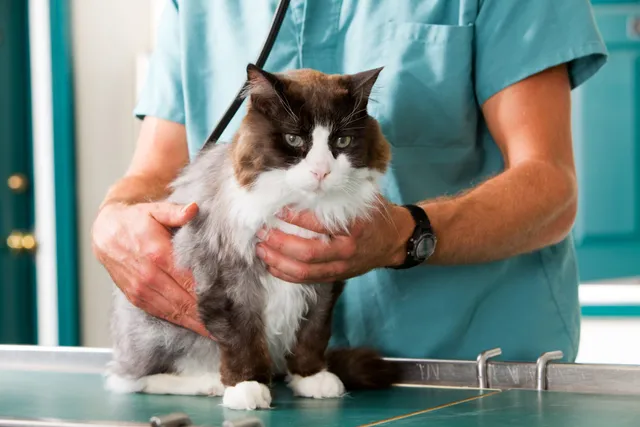
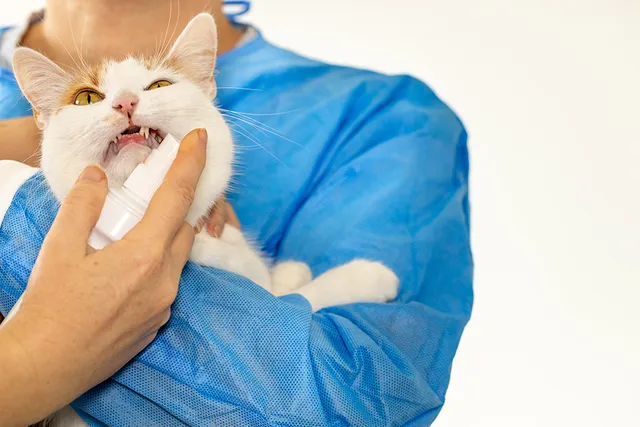
Although your pet is receiving steroids, there may be other reasons for the clinical signs that you are seeing, including aggression. Some pets may act aggressively during times of stress. During an office visit or shortly after a car ride, your pet may be feeling stressed and may act out aggressively. Similarly, a cat who is in pain or is anticipating pain may use aggression to protect themselves from unwanted attention.
It will be important to be mindful of your cat’s behaviors and share your concerns with your veterinarian. Additionally, be mindful of the cues your pet is providing you with and respect their boundaries.
Conclusion
Yes, the administration of steroids may alter your cat’s disposition. Although less common than in dogs, aggression may be noted in a cat receiving steroids. It is important to not just assume the aggression is related to the medication, as it could also be the result of fear or discomfort. Most importantly, keep communication open with your veterinarian if you notice concerning signs in your pet while receiving steroids.
See also:
Risks of Steroid Injections for Cats: Challenges and Management
Prednisone & Prednisolone for Cats: Usage, Safety, Side Effects & FAQ
Sources
Featured Image Credit: Slava Dumchev, Shutterstock
Expert cat care, straight to your inbox
News, insights, and useful advice, delivered to you.

No spam — unsubscribe anytime.
By signing up, you agree to our Terms & Conditions and Privacy & Cookies Policy.
How useful was this post?
Click a star to rate. You can leave written feedback afterwards. (We read all feedback.)
Dr. Marti Dudley is a small animal veterinarian with a passion for preventative medicine and pet parent education. She enjoys being a resource for pet owners as she believes that having a team approach leads to the best possible care of pets. Dr. Dudley enjoys writing and has been able to use this skill as another avenue to educate pet owners outside of the traditional office setting.
Dr. Dudley has been practicing veterinary medicine since 2014. She has an interest in preventative care and emphasizes the importance of pet owner education. Dr. Dudley’s experience in veterinary medicine is broad, as she has worked as a general practitioner, which has allowed her to see and treat many different types of conditions.
Dr. Dudley received her bachelor’s degree in biology from Longwood University in Virginia. She earned her Doctor of Veterinary Medicine (DVM) degree from Ross University.