Cat Sprayed by Skunk? Our Vet Explains What To Do

In this article
If your cat has returned home feeling sorry for themselves and wearing that distinctive odor, “Eau de Skunk”, there are some important things that you need to know. Skunks aren't aggressive animals but will spray cats if they get too close or endanger their young. Below, we'll discuss the risks to your cat, including rabies, a home remedy to "de-skunk" your cat safely, and when to be concerned and contact your local veterinarian.

Why Do Cats Get Sprayed by Skunks?
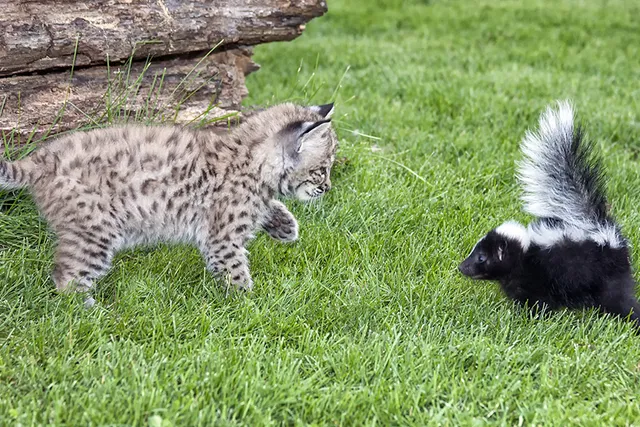
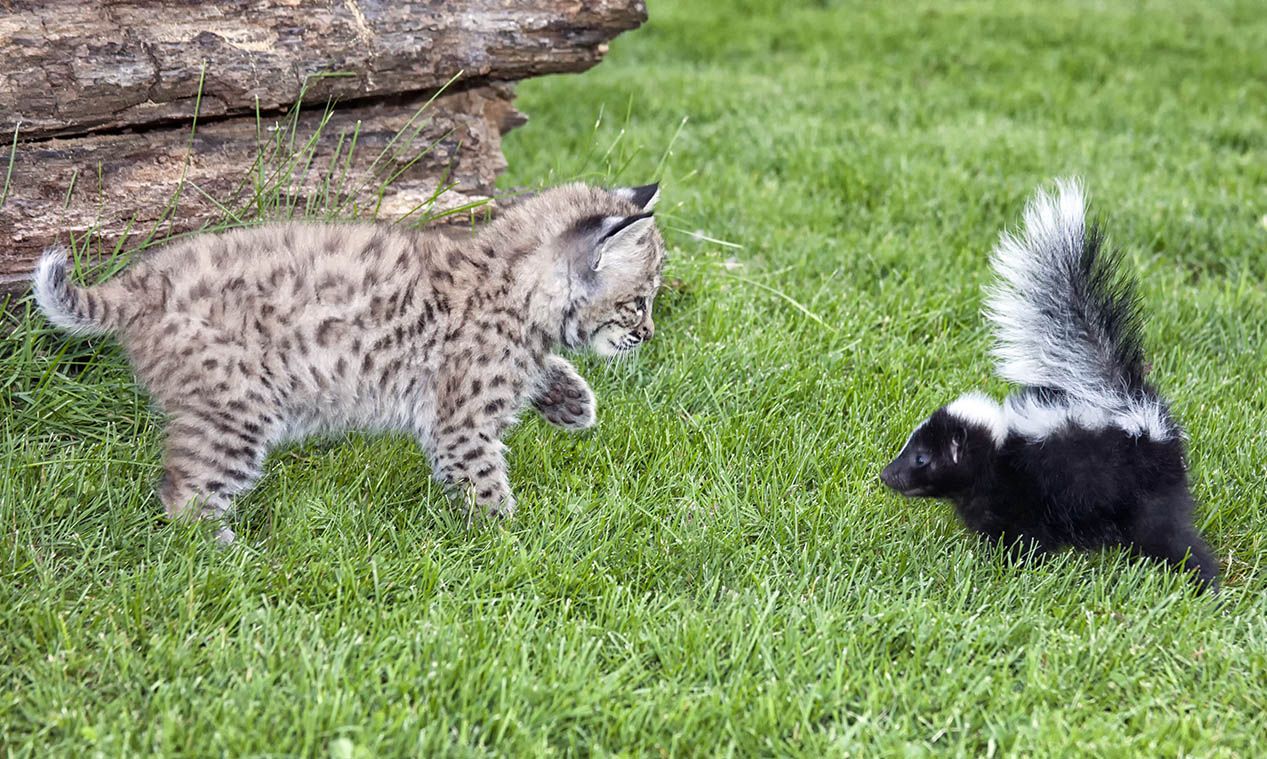
Though very smelly and unpleasant for those on the receiving end, a skunk’s spray serves a very important purpose—to scare aware predators. It’s not in a skunk’s nature to be aggressive and they will often hiss, arch their back, and stamp their feet to warn off an intruder before spraying. A curious cat is more likely to be sprayed if a skunk protects her young and in the warmer months when skunks are more active in the wild.
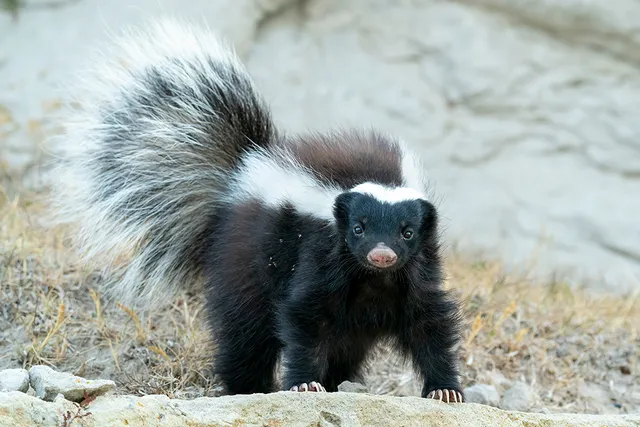
A skunk will lift its tail to spray a unique substance, traditionally known as mercaptan, from specialized sacs located inside the anus. Skunk spray is an oily material with a very distinctive and foul-smelling odor; it's strong enough even to ward off a bear! Unfortunately for a curious kitty, a skunk can also spray over quite a distance, with an impressive range of up to 10 to 15 feet.

My Cat Was Sprayed By a Skunk- Will He Be OK?
Any encounter with a skunk should be taken seriously since skunks can carry and transmit the rabies virus. If left untreated after exposure, rabies is invariably fatal to cats, dogs, and humans. Therefore, it is of utmost importance to ensure your pet’s rabies vaccinations are kept up to date and to call your veterinarian for further advice if your cat has had contact with a skunk.
Bite and Scratch Wounds - Can Cats Catch Rabies From Skunks?
Your cat cannot contract rabies from simply being sprayed by a skunk. Rabies is transmitted through bite and scratch wounds, which may have also occurred after a squabble with a skunk. Bite and scratch wounds are sometimes very difficult to find when hidden in your cat’s thick fur.
If your cat has a wound or you are unsure, seek veterinary attention immediately. Your veterinarian can prescribe antibiotics and will advise you on the appropriate treatment for potential rabies exposure.
Irritation and Injury to Your Cat’s Eyes
Cats are often sprayed by a skunk directly in the face, and the spray itself can irritate the eyes and the mucous membranes that line the eyes and mouth. If your cat has skunk spray in their eyes, it’s best to seek urgent veterinary advice to minimize further damage, as skunk spray has even been known to cause temporary blindness to dogs and cats! Signs that a cat has gotten skunk spray in their eyes include squinting, swollen eyes, and pawing at their face.

Ingestion and Inhalation of Skunk Spray
During a skunk encounter, especially if sprayed in the face, your cat may have inhaled or ingested some of that foul skunk spray. This may result in drooling or foaming at the mouth, vomiting, sneezing, or coughing. If your cat shows any of these signs, they require veterinary attention.

How to Deshunk a Cat
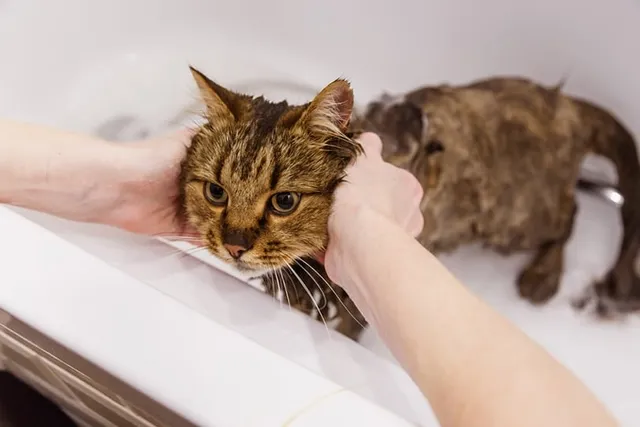
These instructions will help you to minimize that unmistakable skunk smell and prevent your cat from spreading it around your home. The sooner ‘deskunking’ is undertaken, the better. Unfortunately, no method will eliminate the odor, but over time you will notice it disappear. There are special pet shampoos designed for this purpose, but we have also provided a vet-approved home remedy if you don’t have a cat shampoo on hand.
What to do if your cat has been sprayed:
While most cats are great at grooming, sometimes a deeper clean is required to help combat oily skin and diminish tough set-in odors that can cling to their fur. Hepper Deep Clean Pet Shampoo is a great option for lifting pesky cat smells and hydrating skin which also prevents the over-production of natural oils. Learn more about why this shampoo sets itself apart from traditional cat shampoos and if it's right for you here.

- 24-Hour Freshness: Banish Stubborn Pet Odors. Our shampoo's initial strong scent fades in 24hrs, leaving pure freshness. A formula for odor-free pets.
- PH-Balanced, Lasting Clean: Gentle on pets, tough on odors. Maintains natural oils, lasting freshness for cats & dogs through multiple washes.
- Pure Cleanliness, Total Safety: Paraben, Soap, DEA, Sulfate, Alcohol, Dye-Free. Hepper prioritizes safety, always.
At Catster, we’ve admired Hepper for many years and decided to take a controlling ownership interest so that we could benefit from the outstanding designs of this cool cat company!
Home Remedy
Mix these ingredients together and apply them to your cat’s coat. Let it sit for a few minutes and wash thoroughly. This process may need to be repeated a couple of times. Avoid any contact with the eyes, ears, and mouth. Be mindful that prolonged contact with peroxide may lighten a dark coat. [/su_box]
There are many home remedies to be found online for eliminating that awful skunk smell, however, the old wives’ tale of tomato juice is ineffective and incredibly messy! Many recipes also call for detergents or dish soap, such as Dawn, and while they are very effective at breaking down oils, they can also irritate your cat’s eyes and should be avoided. Other substances to avoid are perfumes or Febreze, which will only temporarily mask the smell, and highly acidic lemon juice or citrus.
If you have any concerns about trying to clean a cat yourself at home, especially if your cat becomes stressed or tries to scratch or bite, contact your local vet clinic. They can provide sedation for your cat if required.

How Can I Stop My Cat From Being Sprayed by a Skunk?
Remember that skunks aren’t trying to hurt your cat; they are just naturally protecting themselves and their young. Limiting your cat’s access to skunks, especially over the warmer months, can reduce your cat’s risk of getting sprayed. Skunks are nocturnal creatures, and keeping your cat indoors at dawn, dusk, and night makes them less likely to come into contact with each other. Keeping your cat indoors at all times is an even safer option, but there are reports of cats being sprayed through a screen door, so be mindful of that as a possible access point.
Consider skunk-proofing your property where possible, and it may be worth contacting a professional wildlife team for advice. Skunks like to dwell underneath log piles, stairs, or porches; these areas can be fenced off. Preventing access to trash cans or pet food can also be helpful to avoid attracting unwelcome visitors.
Featured Image Credit: critterbiz, Shutterstock
Expert cat care, straight to your inbox
News, insights, and useful advice, delivered to you.

No spam — unsubscribe anytime.
By signing up, you agree to our Terms & Conditions and Privacy & Cookies Policy.
How useful was this post?
Click a star to rate. You can leave written feedback afterwards. (We read all feedback.)
Dr. Ellen Marcinkiewicz BVSc (Veterinarian)
Ellen is an Australian vet who is combining her love of writing with traveling, working across the UK as a relief vet. Ellen graduated from the University of Melbourne in 2012 and is passionate about all things small animal health. Since graduating, she has worked in clinical practice, including at a hospital university in New Zealand. Ellen is currently based in Somerset and in her free time enjoys modern calligraphy, yoga, reading, and travel!