Can Cats Get Dogs Sick? Our Vet Explains Illnesses & Prevention Tips

In this article
If you have a sick cat, you may wonder if they may be able to spread the same sickness to your unsuspecting dog. The short answer is that it will depend on the illness, but yes, some medical maladies can be passed from a cat to a dog. But, while this can occur, it may be comforting to know that the majority of sicknesses are species-specific and don’t spread from one species to the other.
Below, we’ll explore in more detail some of the medical problems that can spread from a cat to a dog to help empower pet owners with more knowledge on the subject.

The 5 Potential Illnesses That Can Spread From Cats to Dogs
While this is not an exhaustive list, it will include some medical afflictions that can spread from an affected cat to a dog. Some of these illnesses can even spread to people, termed zoonotic diseases, so understanding your cat’s illness to keep other cats, your dog, or even humans safe is imperative!
1. Fleas
Fleas are small insects that live by consuming animal blood. Even though there are more than a couple thousand different flea species, the most common one that affects both cats and dogs is the cat flea, called Ctenocephalides felis felis. These parasites are external ones, which means they live outside their host but still feed off them. While they do not have wings, they are great jumpers for their small size!
Most commonly these insects cause itchiness, discomfort, and irritation to their hosts and can cause flea allergy dermatitis, secondary skin infections, or even anemia in severe circumstances. In addition, fleas are vectors, which means they can transmit a pathogen from themselves to a capable host; some examples for fleas include the bubonic plague, cat scratch disease, or tapeworms.
Signs of fleas may include excess scratching, licking, itching, or hair loss. While inspecting an affected host, you may actually see a fast-moving flea, but this is not always the case. Sometimes, evidence of a flea’s presence is non-existent, or one may find their fecal material, which appears as black specks, in a pet’s fur.
Treatment is two-fold. First, the affected animal must be treated, as well as any other animals that may come into contact with the affected pet. This will work to eliminate the current fleas and to prevent their continued spread. Because species type (cat vs. dog), age, size, weight, etc. are all important components for treatment, veterinary products are recommended. The second part of treatment is environmental cleaning treatment such as vacuuming, laundering, or potential pest control measures to prevent cross-infections or reinfection.

2. Bartonellosis
Bartonellosis, commonly known as cat scratch disease or cat scratch fever, is a bacterial infection due to the bacteria Bartonella henselae. This infectious disease is originally primarily transmitted by infected fleas or ticks to an animal via the bloodstream, but it can also become present if an infected animal scratches or bites an unsuspecting subject. While the disease is fairly common in cats, it can also present in other animals including dogs, humans, and various domestic and wildlife species.
Many cats that are infected are asymptomatic (do not show signs of infection), but this is not always the case in other species, such as dogs. Signs of infection may include fever, vomiting, nose discharge, swollen lymph nodes, sore muscles, lack of appetite, and inflammation of many internal organs including the heart and eyes. Diagnosis is reliant on laboratory testing that can determine if the bacteria is present in blood and treatment of antibiotics is recommended for those who have clinical signs.
Supportive care such as fluids or pain medication may be needed in some cases. Strict flea and tick control is essential in limiting the likelihood of the spread of this disease, and additional considerations include not allowing rough play behaviors such as biting or scratching, trimming a pet’s nails, having energy outlets for enrichment, and having a cat be indoor only.
3. Gastrointestinal (GI) Parasites
There are several internal gastrointestinal (GI) parasites that can originally infect a cat but then be spread to a dog. Roundworms, hookworms, and tapeworms are common culprits that are commonly referred to as “worms” but there are other parasite types such as the protozoan parasite, Giardia.
Testing in some cases may be done with direct examination of the parasite. In other cases, a sample may be subject to various tests, such as examination of an affected fecal sample that is examined under the microscope for eggs, snap tests, etc. Sometimes, no signs in affected pets are noted, while other times there may be diarrhea, weight loss, or a protruding round belly.
Treatment consists of the proper identification of the GI parasite and their subsequent specific treatment. Regular, daily cleanup of the fecal material, using a disinfectant to clean the litterbox on a routine basis, not feeding raw meat diets, and ensuring control of other intermediate hosts, so as to have good control of parasites are all important components for prevention once treated.

4. Mite Infestation
While many different types of mites are species-specific, some kinds can be contagious between species. Ear mites (Otodectic mange) could spread from a cat to a dog and sarcoptic mange (also called Scabies) are a type of mite that is normally more commonly seen in dogs, but can also occur in cats. Both of these mites can spread from one infected animal to an uninfected one most commonly via direct contact.
Common signs include intense itching, hair loss, crusting, and secondary infections. Diagnosis is most often done via sampling areas to examine the mite under the microscope. Treatment via prescription medication to kill the specific type of mite is available. If there is a secondary infection, antibiotics may be needed, and medicated baths or ear cleaners may also be indicated.
5. Ringworm
Did you know that this is not actually a worm, but rather, a fungus? This skin condition is also called dermatophytosis, for the fungi (dermatophytes) that cause the condition. Their fungal spores, originally found in the outdoor environment, can also spread via direct contact with an infected animal such as another cat, as well as from contaminated objects such as bedding.
Signs of an infection include an area of hair loss with redness, scaling, or crusting. The affected animal may also exhibit excess grooming or scratching. In addition, brittle or broken nails with infected nail beds can occur. In people, a characteristic round, raised red lesion is often seen, but this is not the typical presentation found in cats. Testing to confirm ringworm may include the following: a Wood lamp that can fluoresce with light in some infections, a microscopic examination to look for fungal spores, a fungal culture, PCR testing of hair for dermatophyte DNA, or a biopsy sample to be evaluated.
Treatment often consists of a combination of oral antifungals and topical therapy, as well as environmental decontamination and cleaning to prevent reinfection via the fungal spores. If possible, until the cat is cured, isolation of the infected feline from any non-infected animals is ideal. In addition, it is important for any human petting or dealing with the affected animal to wash their hands after contact.

6. Rabies
Rabies is a viral disease that affects the nervous system of any potential mammalian species. Transmission is via an infected animal’s saliva and most commonly occurs via a bite but could also occur if an affected animal’s saliva is transmitted to another via an open wound or through the eyes, nose, or mouth of another. Often wild animals such as raccoons, bats, coyotes, etc. are most likely the species for rabies to originally occur in.
In many parts of the world, a rabid dog can be a common source to infect others but, more recently in America, cats are the most prevalent domestic species infected. This is because some owners may not vaccinate them for rabies as frequently as they do dogs, and the cats can be exposed to rabid wildlife. For an affected animal, the virus travels via the nerves to the brain, and signs of infection may include excess drooling, trouble swallowing, seizures, staggering, paralysis, fearfulness, or aggression.
Once signs are present for rabies, there is no treatment available, but the good news is rabies is entirely preventable through proper vaccination.
7. Kennel Cough
Bordetella bronchiseptica, also commonly referred to as “kennel cough”, is a very contagious bacteria that causes respiratory disease with inflammation in the windpipe (trachea) and bronchi. While often more recognized with dogs, this bacteria can affect both cats and dogs, and even more interesting is that it can spread from one affected species to the other. It can be spread directly, such as with grooming each other, but also in the air with coughing or sneezing.
Furthermore, a contaminated environment (surroundings, bedding, food bowls, etc.) may also allow for the spread. If seen, signs may include coughing, sneezing, eye and nose discharge as well as fever, inappetence, and lethargy. In more severe forms of illness, trouble breathing may also be present. When indicated, treatment consists of specific antibiotics, and pet-safe cough medicine, and in rarer yet harsh illnesses, hospitalization may be needed for further care.
While a vaccine is not entirely foolproof, it can help limit the severity of the illness if contracted; in addition, many boarding and grooming facilities require it.

Prevention Tips

- Awareness. Knowledge is powerful, and understanding can allow for one to take control of the situation for all of their pet’s benefit.
- Practice good hygiene. This includes routinely washing one’s hands after interacting with their pet. In addition, routine washing or cleaning of the bedding and materials one’s pet frequents or uses may also be helpful in limiting some illnesses between species.
- Regular cleaning. Regular and routine cleaning up of cats’ fecal material (ensuring dogs don’t eat it).
- Preventative care. Good preventative care is instrumental in keeping many illnesses at bay. Work with your veterinarian to ensure your pets are properly vaccinated and receive good preventative measures for parasites such as fleas, intestinal parasites, etc.
- Vet checkups. Have health concerns or medical changes investigated promptly.
- Be safe. When applicable, quarantine a sick pet from others until healed. Ensure safe, yet efficacious proper cleaning protocols for a potentially infectious agent at hand.
Conclusion
While most pet diseases are species-specific, there are some that can be passed from a cat to a dog. Because of this, for that subset of specific health conditions, it’s important to have awareness, good preventative care, and prompt medical attention as integral components in your toolkit to ensure the best health for your pet.
Sources
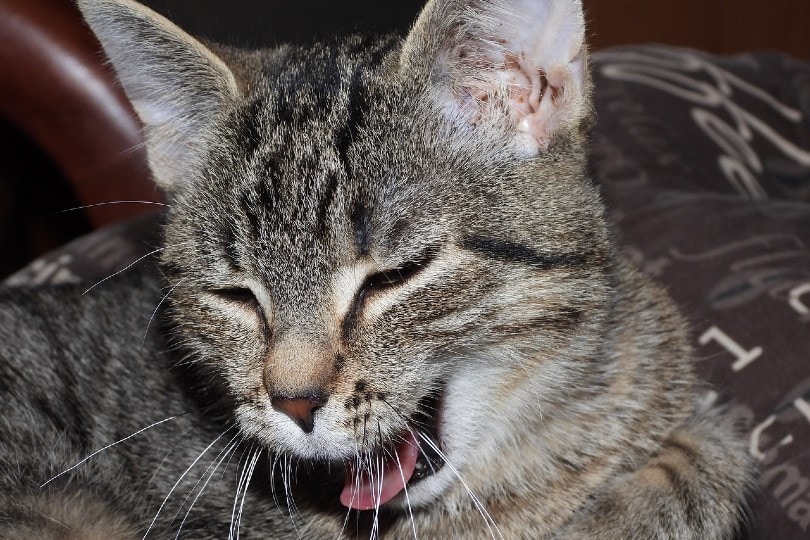
Featured Image Credit: Kashaeva Irina, Shutterstock

Expert cat care, straight to your inbox
Vet-reviewed advice, behavior tips, and the best of Catster. Free, and you can unsubscribe anytime.
By signing up, you agree to our Terms & Conditions and Privacy & Cookies Policy.
Dr. Rachel Ellison DVM (Veterinarian)
Dr. Rachel Ellison lives on a mountain in Utah with her husband, daughter, and son, as well as their animal menagerie— a Bernese Mountain Dog, a Bengal/Siamese mix, and an orange tabby cat, as well as numerous chickens. During her free time, she enjoys being with those she loves, cooking and baking, reading, hiking, sharing her knowledge about cats, and exploring nature and the world around her.
Join the conversation
Ask a question, share your story, or send private feedback.