Can Cats Be Vegetarian? Vet Explained Health Concerns
In this article
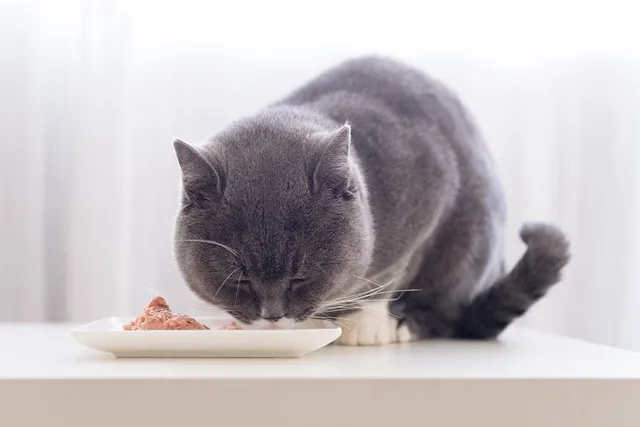
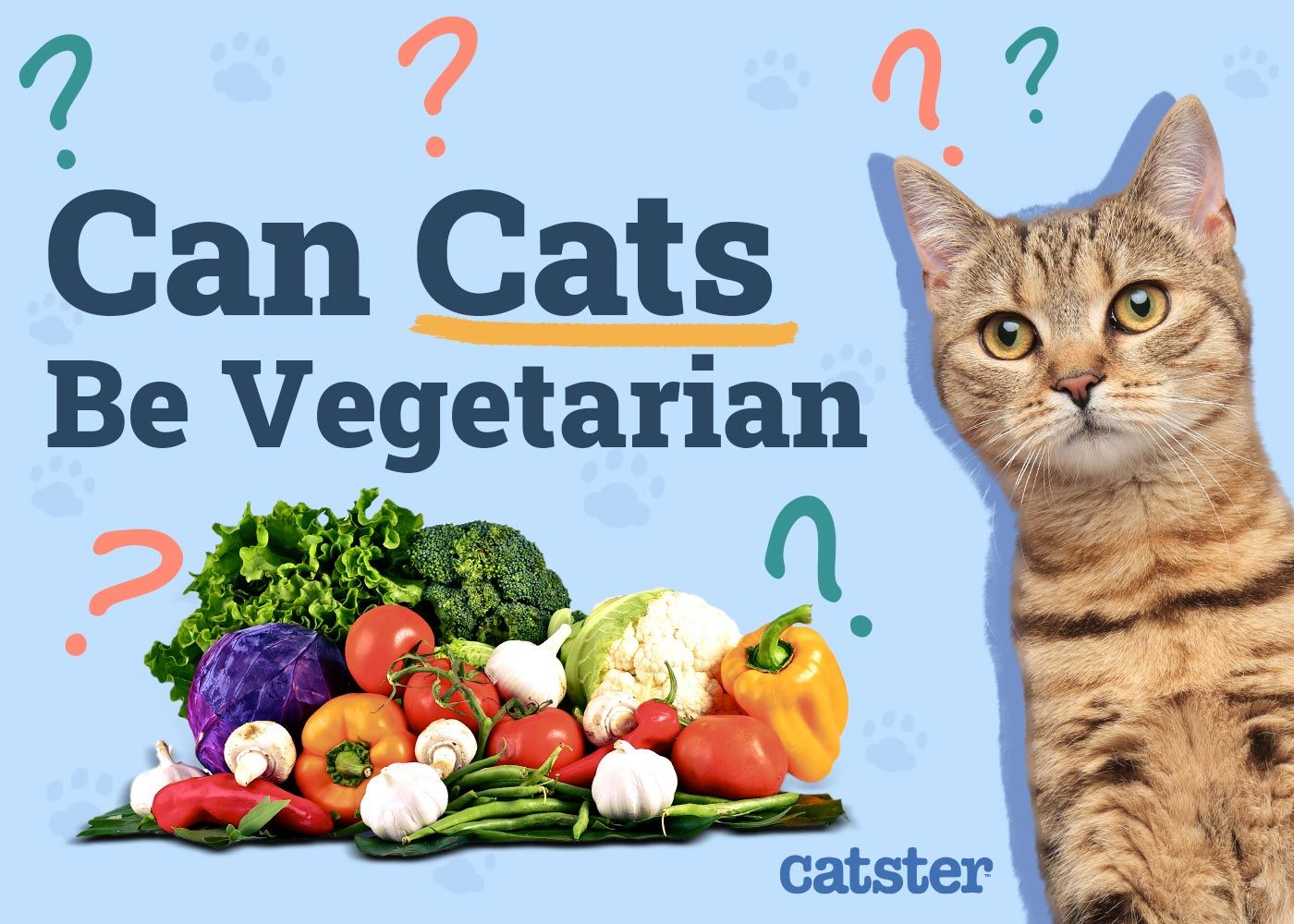
While a complete and balanced vegetarian diet may meet a human’s nutritional needs, this is not true for cats. Felines are obligate carnivores, meaning they need meat in their diet. More specifically, they need the amino acid taurine that is found in animal tissues. So, no, cats can’t be vegetarian. Those that are fed a strictly veggie diet may develop several health complications, including heart disease, poor eyesight, and poor immune function.

Why Do Cats Need Meat?

Unlike dogs, which are classified as omnivores and can obtain the necessary nutrients from both plant and animal tissue, cats require a high-protein diet. In fact, felines need twice as much protein as canines. An adult cat’s nutritional need for protein on a dry-matter basis is 26%, while for a dog, it is 18% (dry matter entails the nutrients remaining after all the moisture has been removed). These nutritional guidelines are set by The Association of American Feed Control Officials, so you can rest assured that your pets' nutritional needs are met in the food that you purchase for them1.
Cats are physiologically adapted to consume meat as a part of their regular diet. Feline teeth are designed to eat meat, and the digestive tract is shorter than that of a dog, as digesting meat is easier and faster than digesting fibrous plant matter. Cats may struggle to digest large amounts of starch, as their pancreas secretes less amylase compared to dogs, which is the enzyme needed to break down starch in plant matter.
Felines require taurine in their diet because they cannot synthesize it from other amino acids like dogs can. Amino acids are the “building blocks of life” and combine to form proteins, which have many important roles in the body.
What Benefits Do Cats Get From Eating Meat?
Cats obtain several important nutrients from animal-based tissues, including:
- Taurine and other amino acids
- Essential fatty acids
- Vitamins
- Minerals
- Protein
What Are the Risks of Feeding a Vegetarian Diet to a Cat?
Vegetarian and homemade diets can be difficult to balance correctly, which can lead to nutritional deficiencies. Health concerns include:
- Poor growth
- Skin and coat issues
- Heart disease
- Neurological problems
- Weight loss
- Decreased immune function
- Poor vision
- Digestive problems
Tips for Keeping Your Cat Safe and Healthy
- Feed them a nutritionally complete and balanced diet made specifically for felines.
- Consult with a board-certified veterinary nutritionist if you want to try a homemade diet.
- Always talk with a veterinarian about your cat’s diet.
Conclusion
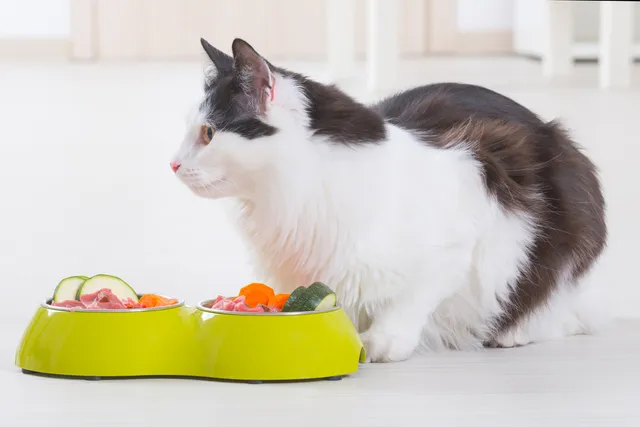
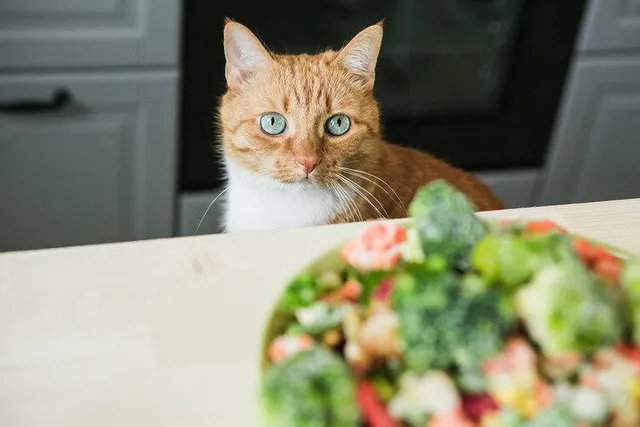
Cats require a high amount of protein in their diet and therefore may develop health issues if they are fed a strictly vegetarian diet. This is not to say that cats should never be fed fruits and vegetables! An occasional portion of fruits and veggies can be offered to supplement their diet. Steamed carrots, broccoli, green beans, peas, blueberries, and strawberries are all safe options for cats in moderation, served as treats alongside their regular meat-based meals.
Featured Image Credit: silverblackstock, Shutterstock
Expert cat care, straight to your inbox
Vet-reviewed advice, behavior tips, and the best of Catster. Free, and you can unsubscribe anytime.
By signing up, you agree to our Terms & Conditions and Privacy & Cookies Policy.
Dr. Stacie Grannum DVM (Veterinarian)
Dr. Stacie Grannum was born and raised in Arizona. When she was five, an encounter with a tiny animal changed her life forever. A baby bird fell high from its nest, and Dr. Grannum diligently cared for it. Sadly, despite her attempts to save the little birds life, the little bird did not survive. From this heartbreaking loss came a new ambition, carving the path that Dr. Grannum followed. She knew that she wanted to pursue a career in veterinary medicine. She worked hard toward that goal and dedicated her time to pursuing her dream.
Today, her focus is on pet health, particularly wellness and preventive medicine. She also enjoys writing about pet health and is eager to share her knowledge with other pet lovers.
In 2014, Dr. Grannum earned her Doctor of Veterinary Medicine Degree from Colorado State University.
Join the conversation
Ask a question, share your story, or send private feedback.