Ask Dr. Paola – Help! My Kitten Pukes After She Eats! (March 2, 2026)
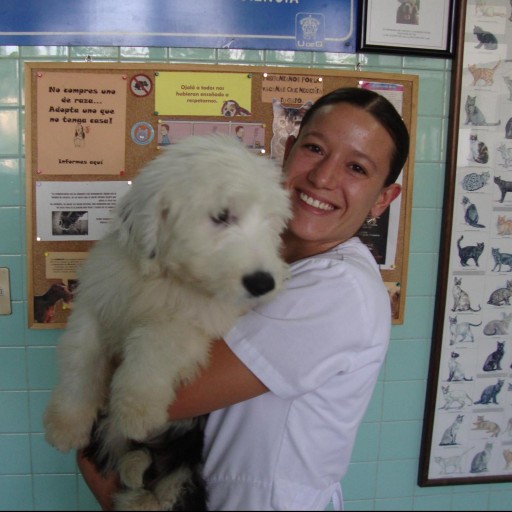
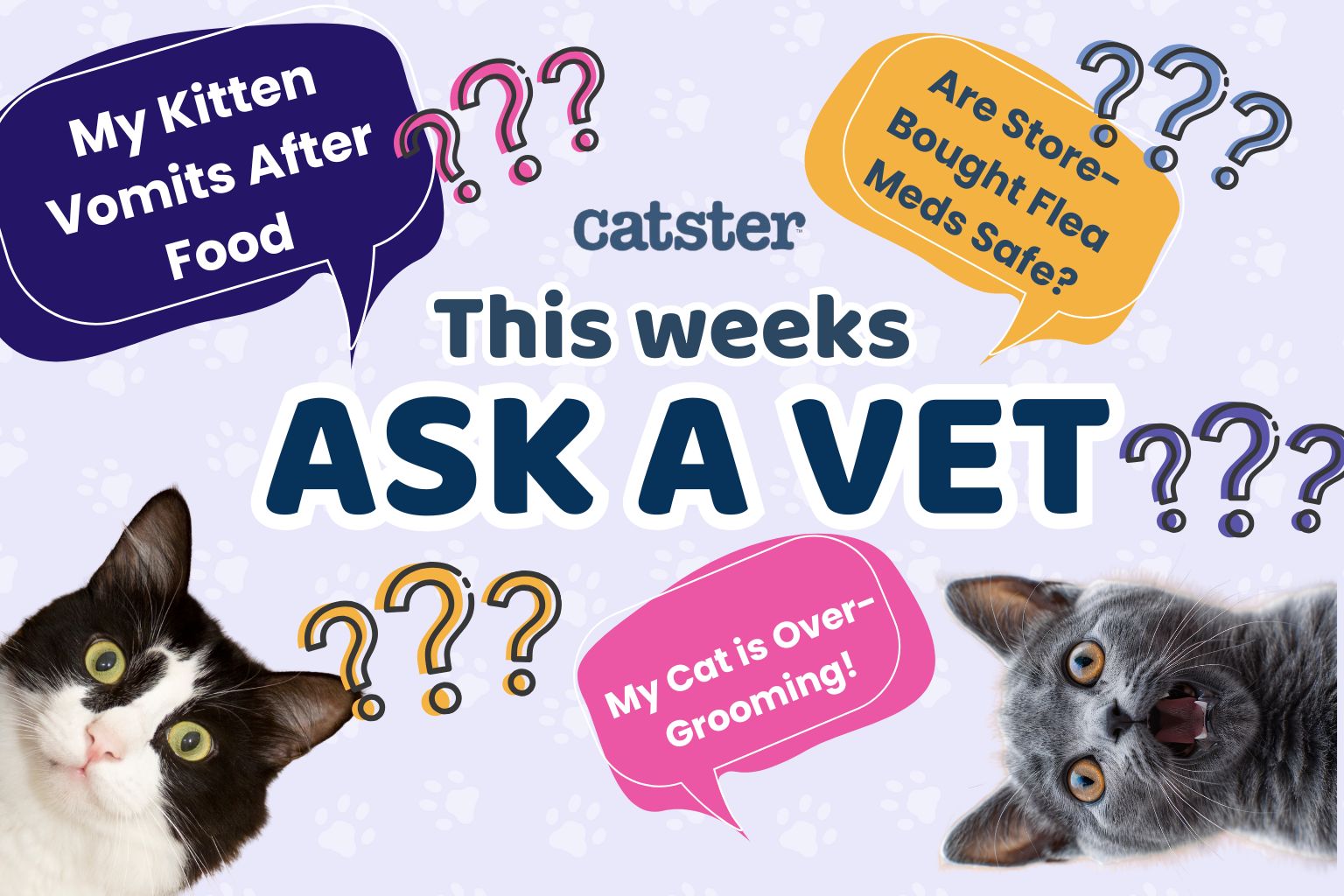
Welcome to our "Ask Dr. Paola" series, where every Monday we bring expert advice straight from Dr. Paola Cuevas (MVZ) to help our readers better understand their cat's health and well-being.
Whether you're a new pet parent or a seasoned cat lover, Dr. Paola is here to provide answers to your most pressing questions. From nutrition tips and preventive care to troubleshooting common behavioral issues, Dr. Paola is ready to offer insights that will keep your kitty happy, healthy, and feline fine. Stay tuned for expert guidance on a range of topics that matter most to you and your cat, so you can make informed decisions and provide the best possible care for your furry companion.
Have a question? Send it in here!

Help! Flea Medication is So Expensive!
"Are the flea medications in stores ok to give my cats? I have 11, so it’s costly at the vet"- Melissa
Hello Melissa,
Yes, some store flea products for cats are safe, but with so many cats, this is one area where careful selection really matters. Think of flea medication like choosing the right key for a lock; the wrong one can cause serious harm. The biggest risk with over-the-counter products is ingredients such as permethrin or products labeled for dogs, which are highly toxic to cats and can lead to severe neurologic illness because cats cannot metabolize this chemical properly. Always choose a product specifically labeled for cats, match the dose to each cat’s weight, and never combine products or use more frequently than directed.
Reliable over-the-counter options like Frontline, Advantage II, or Cheristin are generally considered safe when used exactly as directed and can be a practical choice for multi-cat households. That said, prescription preventives from a veterinarian often have stronger safety data and better effectiveness, and some clinics offer multi-pet discounts, which can reduce the long-term cost. Also, remember that treating the environment, washing bedding, and vacuuming regularly is just as important, because most of the flea life cycle lives in the home, not on the cat. With 11 cats, getting the plan right from the start is like treating the whole garden rather than just the visible weeds; it prevents repeat infestations and protects everyone’s health. Good luck!
- Dr. Paola

Help! Why Does My Cat Over-Groom?
"My outside cat, Diamond, has been over-grooming her back for at least 3 years now. She is healthy and happy, other than her over-grooming. She will be 10 this spring. I’ve taken her to two different vets, and they haven’t been able to provide me reason for her behavior. It has intensified over the last 5 months. I’ve changed her food to “sensitive skin” formula, which seemed to help a bit, but has not changed her behavior. Is there anything else I can do?" - D
Hi D,
When a cat over grooms the lower back for years, the first condition I always revisit is flea allergy dermatitis, especially for an outdoor cat. One important point that often gets overlooked is that most flea products do not repel fleas; they work after the flea jumps on and bites. For a cat that is allergic, even a single bite can trigger intense itching for days or weeks, like a mosquito bite for a person who reacts strongly. This means a cat can be fully protected from infestation and still overgroom if exposure continues outdoors. Using a fast-acting, veterinary-quality flea preventive year-round, without gaps, is essential, and every cat in the household should be protected to reduce the overall flea pressure.
Since Diamond has had this for several years and it has worsened, it is also reasonable to think in layers. If strict flea control is already in place and consistent, the next common contributors are environmental allergies or stress-related overgrooming, especially in outdoor cats that experience territorial tension or unpredictable changes. Supporting her environment with predictable feeding, safe resting areas, and minimizing conflict with other animals can help, because chronic grooming sometimes becomes a coping habit even after the original itch improves. In some cases, when the itching is significant, a short course of prednisone prescribed by a veterinarian can help calm inflammation and break the itch-groom cycle while the underlying cause is being controlled. With cases like this, success often comes from reducing bite exposure as much as possible while also lowering the overall itch threshold, so the skin and the nervous system can finally settle. I hope this helps!
- Dr. Paola

Help! My Kitten Pukes After She Eats!
"My kitten Sugar is three months old and vomits whenever she eats anything. What should I do?"- Sally
Hey Sally,
At three months of age, frequent vomiting after eating is not normal and should be taken seriously. In young kittens, common causes include intestinal parasites, dietary intolerance, infections, or eating too quickly, but at this age, we also worry about dehydration and poor growth if the vomiting continues. Think of a kitten’s body like a very small fuel tank; when food does not stay down, their energy and fluid reserves can drop quickly. A prompt in-person veterinary exam is important so a doctor can check hydration, run a fecal test for parasites, and evaluate for underlying gastrointestinal disease or congenital issues.
Until she is seen, offer small, frequent meals of a highly digestible kitten food rather than large portions, and keep her environment calm during feeding to reduce gulping. Make sure fresh water is always available, and monitor for concerning signs such as lethargy, diarrhea, weight loss, or inability to keep even small amounts down; these require urgent care. Please don’t wait.
- Dr. Paola
This article is a part of our weekly Ask Dr. Paola series

Expert cat care, straight to your inbox
Vet-reviewed advice, behavior tips, and the best of Catster. Free, and you can unsubscribe anytime.
By signing up, you agree to our Terms & Conditions and Privacy & Cookies Policy.
Dr. Paola Cuevas MVZ (Veterinarian)
Dr. Paola Cuevas is the Senior In-House Veterinarian at Pangolia, the parent company of Catster. She has over 18 years of experience as a veterinarian and animal behaviorist. Paola's focus is on preventive medicine and animal welfare. Paola has a large range of skills in from diagnostic imaging to nutrition and clinical pathology. Paola enjoys sharing her extensive knowledge of animal training with our Catster readers and is always happy to answer reader questions as our in-house veterinarian.
Join the conversation
Ask a question, share your story, or send private feedback.