


Thanks to their instincts for self-preservation, cats are masters at hiding signs of illness or injuries. If you want to catch medical problems early, you must learn to spot the signs of trouble despite your cat’s attempts to hide them. Here are 10 ways to monitor your cat’s health at home and what to do if you suspect something is wrong.

The 10 Ways to Monitor Your Cat’s Health at Home
1. Track Their Weight
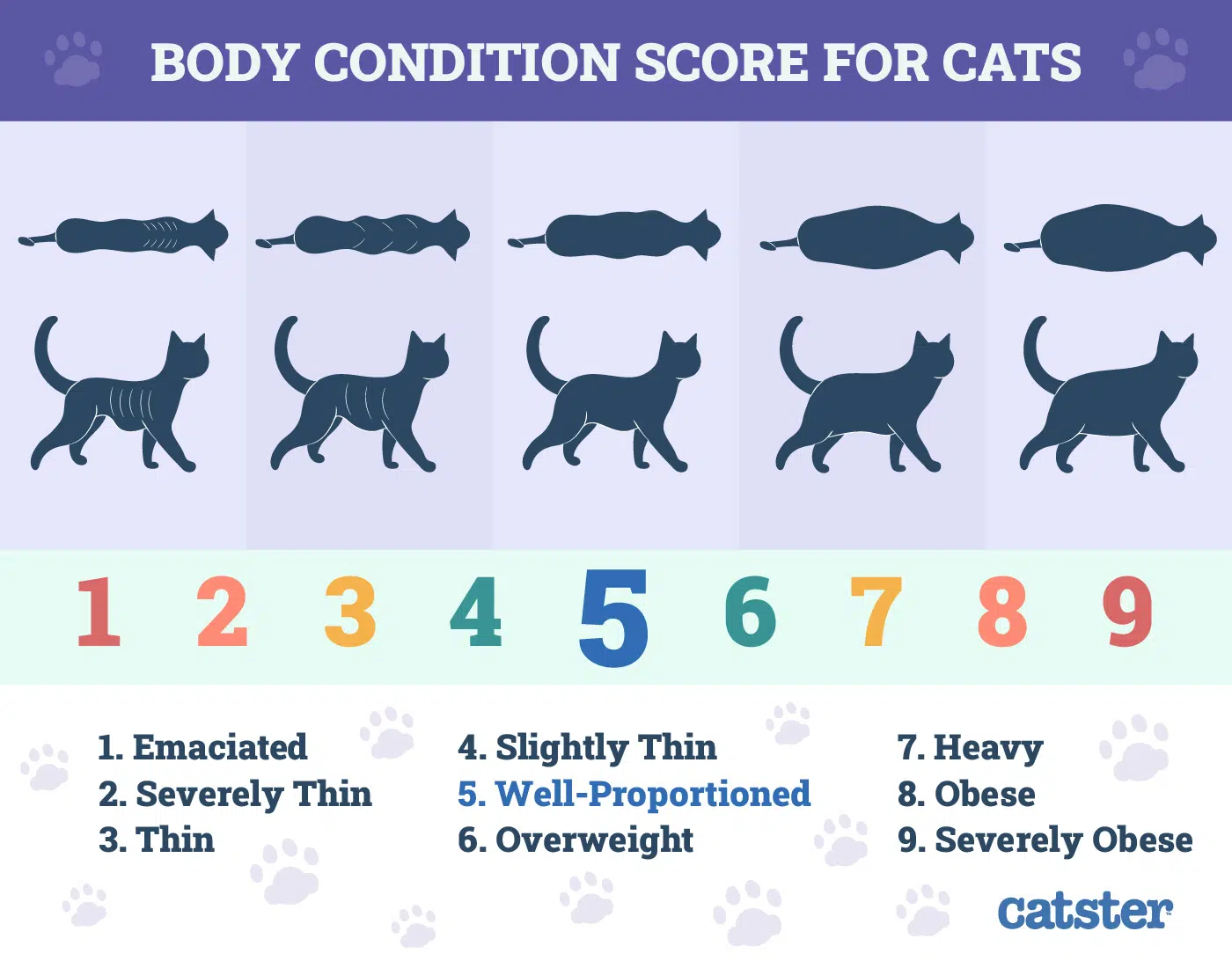
Both weight loss and weight gain can be signs that something has changed in your cat’s health. An easy way to monitor your cat’s health at home is to keep track of their weight. You can evaluate your cat’s body condition by sight and feel.
The cat should have a visible waist when observed from above. You should also feel your cat’s ribs easily under their coat. However, the most accurate way to monitor your cat’s weight is to weigh them at least once a month. If you notice your cat consistently dropping or gaining weight, talk to your veterinarian or make an appointment to check your kitty out.
A helpful tool in understanding how much to feed your cat is a calorie calculator like the one here.
If you need to speak with a vet but can't get to one, head over to PangoVet. It's an online service where you can talk to a vet online and get the advice you need for your pet — all at an affordable price!


2. Check Their Skin and Coat
Changes in your cat’s skin and coat could indicate several medical issues. Look for hair loss, redness, flakiness, or scratching. Ensure your cat’s nails aren’t too long and don’t seem brittle.
As you pet your cat, feel for any lumps, bumps, or injuries, and monitor the general condition of your cat’s coat. Is it clean, well-groomed, and full? You should also check for signs of parasites like flea dirt or fleas crawling on your cat.
3. Note Changes in Appetite or Thirst

Keep a close eye on how much your cat is eating and drinking. Generally, it’s best to feed your cat measured meals rather than always leave food out, as some will overeat. This also makes it easier to notice changes in your cat’s appetite. Monitoring their water intake can be more challenging.
You may not notice if your cat is drinking less water unless you also observe changes in how often they pee (more on this in the next section.) Generally, it’s easier to notice if your cat is drinking more. You may spot them going to the water bowl more frequently or that you’re having to refill the bowl a lot more than usual.
4. Monitor the Litter Box
Each time you scoop your cat’s litter box, which should be at least once a day, check for any changes in your cat’s poop. Does it seem smaller and harder than usual or loose and unformed? Do you see any blood, mucus, color change, or signs of parasites in your cat’s poop? Does your cat seem to be going to the litter box more frequently or spending longer inside when they do? Are they pooping or peeing outside the box? If you have a male cat, it’s vital to ensure they’re peeing regularly. Male cats can suffer life-threatening urinary blockages that require urgent medical attention.
5. Check Their Ears

Healthy cat ears should be clean and odor-free. Cats aren’t as prone to ear issues as dogs, but you’ll still need to check them regularly to monitor your kitty’s health. Watch for redness, a yeasty smell, and excessive wax or discharge. Ensure your cat isn’t scratching at their ears or shaking their head. If you notice these signs, have your cat checked out by a veterinarian.
6. Check Their Eyes
Monitor your cat’s eyes to keep track of their health at home. In cats, eye issues can occur due to genetic conditions, injuries, or secondary to other conditions like allergies or respiratory viruses.
A colored discharge, excessive tearing, cloudiness, redness, or pawing at the eye can all be signs of a problem. Eye problems can be painful and get worse quickly, so it’s important to have your cat evaluated by a vet if you notice any of these signs.
7. Check Their Nose

The temperature and moisture level of your cat’s nose can vary based on factors like the environment. Because of that, you don’t always have to worry if your cat’s nose seems dry and warm or wet and cool.
You should check whether they have nasal discharge or sneeze frequently. Excessive dryness, soreness, crusting, and color changes are some other changes to monitor for as well. Your cat’s nose provides several clues about their overall health.
8. Look in the Mouth
Dental disease is a common health problem in cats and can impact your pet’s health in several ways. Like dogs, cats should receive preventative dental care. Your vet can help you choose the best options for your cat.
It’s best to monitor their oral health by checking your cat’s mouth regularly. Look for tartar buildup, inflamed gums, mouth sores, tumors, or signs of infection. You might also notice your cat drooling, not eating, pawing the mouth, or dropping pieces of food as they try to eat.
9. Note Changes in Activity Level

Watching for changes in your cat’s activity level is vital to monitoring their health at home. Is your cat more active than usual, particularly at certain times of the day?
Does your kitty seem to be sleeping more than they used to? Are they lethargic and not wanting to play? Does your cat avoid going up and down the stairs or jumping onto furniture? These signs can indicate your pet has developed an illness or injury.
10. Note Behavioral Changes
Finally, monitor your cat for changes in their behavior. They could include anything from inappropriate urination, hiding more often, vocalizing, or even aggression. Behavioral changes may indicate either a physical or behavioral issue with your cat.
It could be a behavioral problem if there’ve been recent stressors in the house, such as guests, home remodeling, or a new baby. You’ll often see other physical signs that can help you indicate if your cat has a medical problem, too.

Conclusion
As part of regular preventative care, your cat should get a physical exam from your veterinarian at least once a year. However, for the other 364 days of the year, it’s up to you to keep an eye out for any brewing medical issues. The 10 strategies we covered in this article will help you monitor your cat’s health at home throughout the year. After all, you know your cat the best, and you’re in the ideal position to notice changes in time to intervene.
Featured Image Credit: U_Photo, Shutterstock
 The 10 Ways to Monitor Your Cat’s Health at Home





2 Responses
it depresses me to read how important cat stimulation is. o have no hip bones on my left side
except for using a walker to go poo poo and feed my babies, i am in bed @24 hours. yet. you cannot imagine the emotional and physical love we give each other
Hi Michael,
Thank you for sharing your story with us. We’re truly sorry to hear about your situation, but it’s heartening to know that you and your cats have such a deep and loving bond. It sounds like they are wonderful companions for you.
We understand that stimulating your cats can be challenging given your current circumstances, but we’re happy to share some helpful resources that might make it a bit easier for both you and your furry friends. Here are a couple of articles with great ideas for keeping your cats mentally and physically stimulated on their own:
– https://www.catster.com/lifestyle/ways-to-entertain-cat-while-hes-alone/
– https://www.catster.com/lifestyle/ways-to-entertain-cat-while-hes-alone/
Please copy and paste the link into you preferred browser.
We hope these tips can help keep your cats engaged and happy, strengthening the bond you already share and supporting their health and well-being for years to come.
Wishing you and your feline companions all the best!