How to Get Rid of Cat Dandruff: 6 Vet-Approved Tips and Tricks


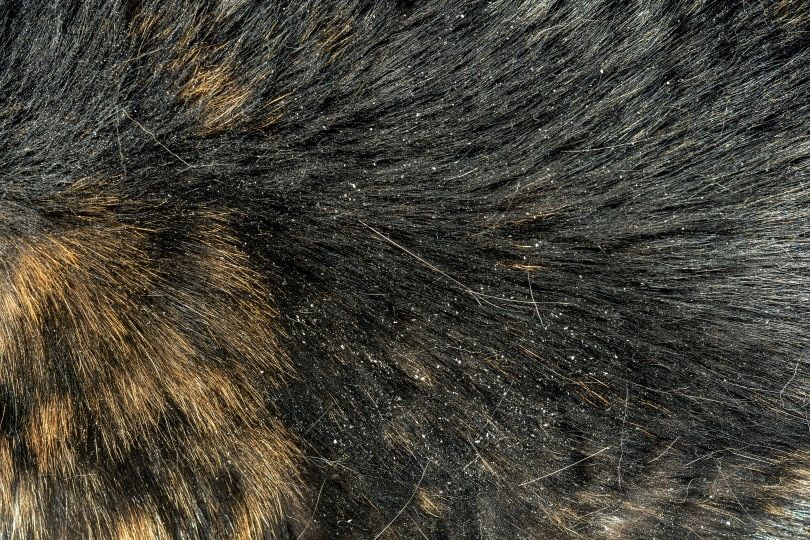
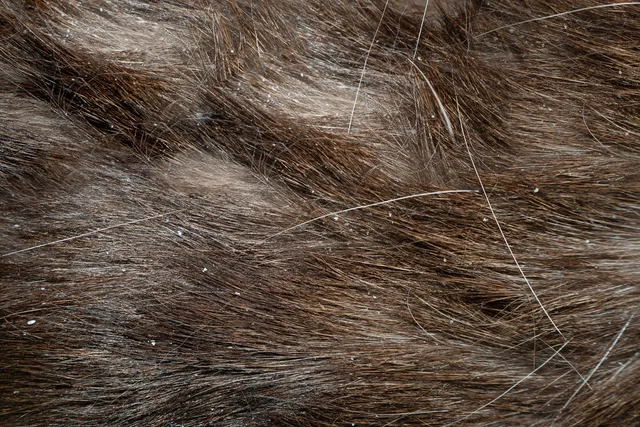
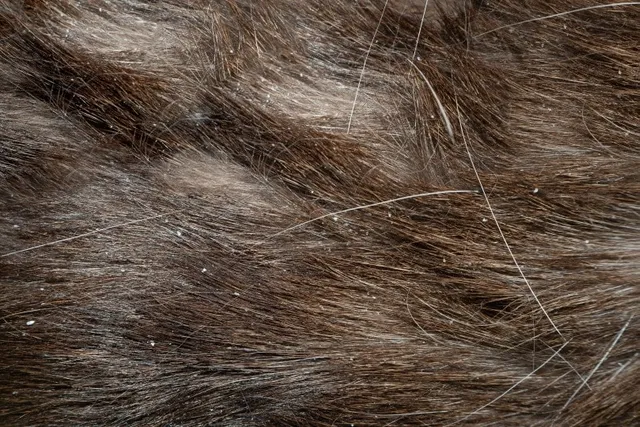
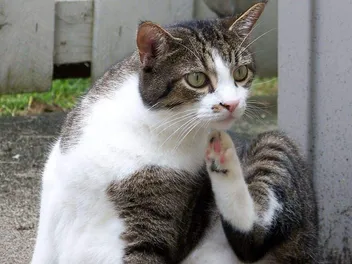
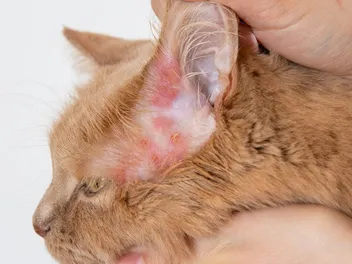
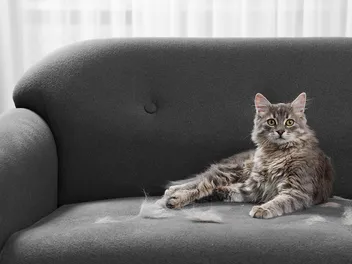
Dandruff is common in cats and is generally a sign that your pet has dry skin. But the causes of dry skin can vary from a simple lack of sufficient humidity in the air to more serious conditions such as allergies, hormonal issues, or arthritis. It can also be a sign of fleas and mites or a fungal or bacterial infection that requires medical treatment.
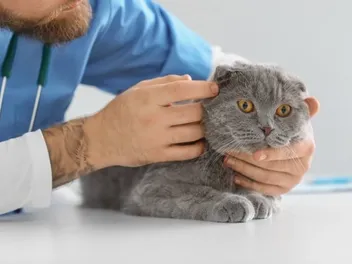
A trip to the veterinarian is often the best way to ensure your cat is diagnosed appropriately and receives the required treatment. However, a few techniques may improve your pet’s skin and coat health. Keep reading for tips and tricks to help you eliminate cat dandruff.

The 6 Tips to Get Rid of Cat Dandruff
1. Consider Changing Your Cat’s Diet
Dry skin can cause some cats to develop dandruff, which may improve with a few tweaks to your cat’s diet. Feed your cat high-quality food that meets the American Association of Feed Control Officials nutritional recommendations. However, some cats benefit from extra nutritional support, such as additional omega-3 fatty acids, which are great for skin conditions.
Cats often benefit from eating formulas designed to meet their age and lifestyle needs. Overweight pets often have trouble grooming themselves, which can cause dry, flaky skin. Kitties carrying too much weight benefit from dropping a few pounds, reducing their chance of developing weight-related chronic conditions.
- Our Recommendations: Best Cat Foods for Dandruff – Catster's Reviews & Top Picks
2. Think About Supplements
Some cats with dandruff may benefit from adding omega-3 fatty acids to their diet through supplements. If you’re interested in supplementing your cat’s diet, speak with your veterinarian before getting started. Discuss any natural brands you’re considering with your veterinarian, as even seemingly harmless natural products aren’t appropriate for all cats. Never give your cat supplements designed for humans since they’re too strong for pets and sometimes contain ingredients like vitamin D that can quickly become toxic to cats.

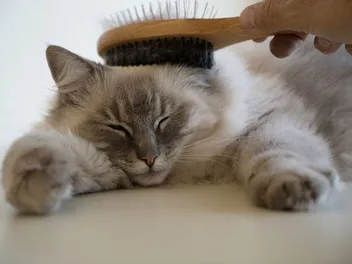
3. Brush Your Cat
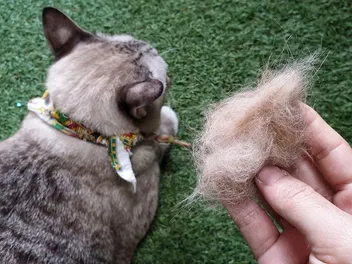
Regularly brushing your cat can help improve the condition of their coat by stimulating their skin's circulation while ensuring their natural nourishing oils are spread throughout their fur. Many cats look forward to being brushed, which can be a fantastic way to bond with your buddy. Brushing is particularly helpful for kitties that need help with grooming because they can’t take care of things themselves due to weight problems or mobility issues.
Aim for around two to three brushing sessions per week, depending on your cat’s coat. It’s also a great time to take care of that all-important dental hygiene; cats’ teeth should be brushed at least three times per week as well.
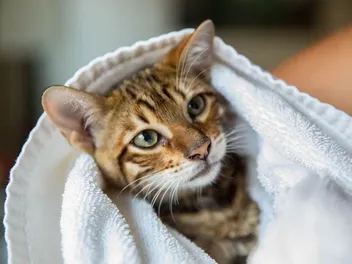
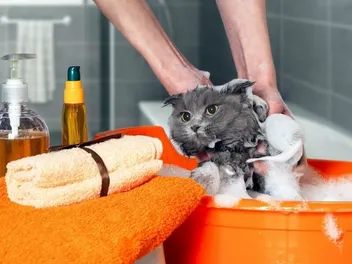
4. Speak With a Veterinarian About Bathing Your Cat
Skin-calming and nourishing shampoos and conditioners may be helpful in some situations. Remember that frequent bathing can cause dry skin in cats, so make sure to speak with your veterinarian before subjecting your cat to regular baths to reduce their dandruff.
Human conditioners and shampoos should always be avoided since they’re often too harsh for cats and sometimes contain toxic ingredients. Your veterinarian can recommend feline-specific shampoos and conditioners if appropriate in your pet’s case.
5. Increase Your Pet’s Hydration
Water is essential for feline skin, coat, and overall health. Cats that aren’t well hydrated can sometimes benefit from drinking more water. Some cats prefer fountains, as the running water stimulates their instinct to take a few extra sips. Adding a bit more wet food to your cat’s current diet is another way to increase hydration.
Fresh wet food contains significant amounts of water, and most cats love wet food. Keep in mind that cats require more wet food than kibble to obtain the same caloric intake, so do the math to ensure your cat is getting the right amount to eat if you start relying primarily on wet food to feed your buddy.
6. Adjust for Seasonal Changes
Cats sometimes end up with skin that becomes dry and flaky when temperatures drop and the air becomes dry. Just like winter weather can do a job on human skin, it can have the same impact on your cat. Air conditioning can also be rough on sensitive feline skin. Running a humidifier can boost your home’s moisture content just a bit, which can sometimes help make the environment more comfortable for cats with dandruff and dry skin.
If you use a humidifier, keep the humidity below 50%; higher humidity levels make it easy for mold and bacteria to develop, which can trigger conditions such as asthma and allergies. To keep the machine hygienic, only use distilled water in your humidifier, and make sure to clean it every day to prevent germs from growing and being blown all over your home.

Final Thoughts
Make an appointment to have your veterinarian look at your cat before getting started with a dandruff treatment plan. The issue is often seen in cats with underlying conditions like allergies and arthritis that require an accurate diagnosis for proper management. Other causes of dry, itchy skin include mite and parasite infestations and hormone imbalances, so it’s best to ensure nothing is happening with your pet. Options for improving your cat’s skin and coat health should always be discussed with your veterinarian first. However, dry skin can often be helped by regular grooming and giving cats high-quality food with skin-nourishing ingredients such as omega-3 fatty acids.
Sources
Featured Image Credit: Nau Nau, Shutterstock
Expert cat care, straight to your inbox
News, insights, and useful advice, delivered to you.

No spam — unsubscribe anytime.
By signing up, you agree to our Terms & Conditions and Privacy & Cookies Policy.
How useful was this post?
Click a star to rate. You can leave written feedback afterwards. (We read all feedback.)
Lorre Luther is a writer who is firmly convinced that cats are smarter than humans. She left her law career in the United States and moved to the Netherlands to follow her dream of becoming a writer. Lorre currently lives in Rotterdam, she enjoys traveling and greatly appreciates the beauty of nature. Lorre has a spot for animals and admires the intelligence of cats.