Do Cats Need Wet Food? Vet-Reviewed Benefits, Facts & FAQ



In this article
Are you wondering whether wet food is necessary or just a luxurious treat for your feline companion? The truth is that wet food is not an absolute requirement for a cat's health, but it does come with a few benefits that shouldn't be overlooked. It can provide much-needed hydration, aid in preventing urinary tract issues, and increase protein intake, all of which can contribute to your cat's overall health and well-being. However, there are also a few drawbacks to feeding wet food to cats.
In this article, we explore the pros and cons of wet and dry food, so you can make the best decision for your beloved pet.

Benefits of Wet Food for Cats
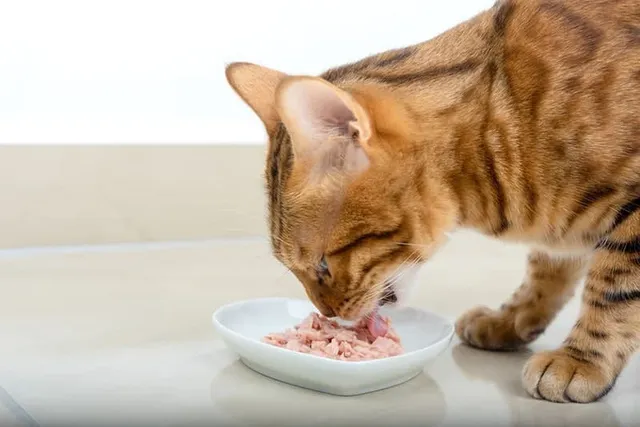
So, what benefits does wet food offer your kitty? The top ones include increased hydration, better digestibility, greater palatability, and more protein (but this varies by brand).
1. Increased Hydration
The biggest advantage of wet food is its increased water content. This benefits cats that do not drink enough water. Felines are notorious for not enjoying stagnant water, which can lead them to avoid their water bowl. So, including canned food in their diet is a good way to keep a cat hydrated, though it does not completely replace water!
Also, cats with certain health conditions, such as kidney disease, diabetes, or lower urinary tract disease, will benefit from the higher water content of this type of food—unless otherwise directed by your veterinarian.

2. Better Digestibility
Wet food may be easier for cats with sensitive stomachs to digest than dry food. The high moisture content and soft texture can help prevent digestive issues like constipation and hairball buildup. Certain canned foods are specially formulated for these health conditions and vet-approved.
3. Highly Palatable
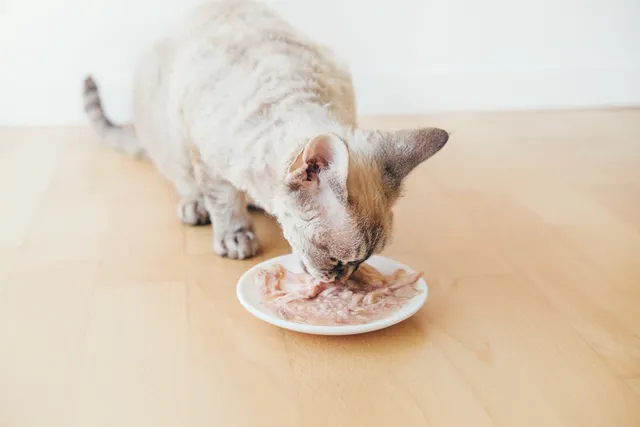
Cats can be fussy eaters, but they rarely turn up their noses at wet food! This type of food is highly palatable and attracts even the most finicky felines. Since it comes in small portions, it's easier to control how much food they will eat, which limits their chances of gaining weight. It is a win-win!

4. May Help Maintain a Healthy Weight
Feeding wet food to your cat can help them maintain a healthy weight. Wet food is usually high in protein, which helps maintain your cat's muscle mass. Dry food generally contains more carbohydrates, which is not ideal if your animal suffers from obesity or diabetes. PetMD states that "feeding a diet of mostly dry foods tends to promote weight gain in cats more than a diet of only or mostly canned foods."1
That said, some cats that are fed dry kibble have unlimited access to their food all day, which obviously can lead to weight gain because the portions are not monitored. Cats that are fed appropriate portions at specific times of the day can maintain a healthy weight with dry food alone.
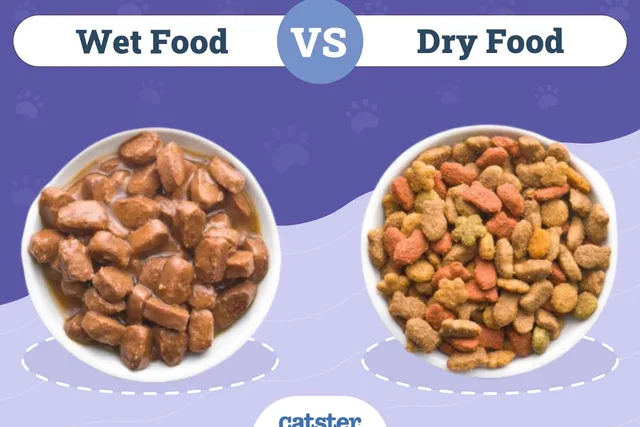
Wet Food vs Dry Food: Which Is Better?
Both types of food have their pros and cons.
Cost
Cost is a vital factor when it comes to choosing what type of food to feed your cat. Wet food can be substantially more expensive, which can be a significant barrier for people on a tight budget.
Dry food often offers the best value for money, though this can vary greatly between brands and if your cat has specific dietary needs.

Storage
Wet food has the disadvantage of not being able to be stored for very long. If your cat does not eat the whole portion, you’ll need to quickly store the leftovers in the refrigerator, and it’ll only be good for a few days.
Conversely, dry food does not need to be stored in the fridge and can be left out much longer than canned food. However, it might be difficult to keep an eye on the actual amount of food that your cat is consuming.
How to Choose the Right Wet Food for Your Cat
When choosing wet food for your cat, you should consider their age, health, and individual needs. Look for high-quality ingredients and the approval of the Association of American Feed Control Officials (AAFCO). Also, be sure to choose a wet food formulated to meet your cat's nutritional needs.
Consider Your Cat's Age and Health
Choosing the right wet food for your cat depends on several factors, including their age, level of activity, race, sex (whether they are sterilized or not), and overall health. Depending on these criteria, your cat may have increased needs for certain nutrients, such as proteins, carbohydrates, fats, vitamins, minerals, omega-3 and -6 fatty acids, etc.
It may require a nutritional assessment by a veterinary team to determine exactly what your feline companion needs.
Look for High-Quality Ingredients and AAFCO Approval
Meat and meat by-products should be at the top of the cat food’s ingredient list because cats are obligate carnivores, which means they need animal protein to provide them with essential amino acids.
Also, look for wet cat food that carries the AAFCO stamp of approval, which assures you that the product contains all the essential nutrients for a balanced diet for your cat.

Consider Offering Both Dry and Wet Foods
To balance the pros and cons of wet and dry food, you may choose to feed them a combination of the two. This can be especially helpful for cats that need a higher water intake but also enjoy munching on dry kibble. By mixing them or offering canned at one meal and dry at the next, your kitty may be able to reap the benefits of both options.
Final Verdict: So, Do Cats Need Wet Food?
It’s not necessary, but giving your feline friend wet food can be beneficial. It helps increase daily water intake, palatability, and digestibility while providing them with a diverse range of food options. That said, it's more expensive and less convenient than dry food, which can weigh more in the balance when it comes to choosing the best option.
At the end of the day, choosing top-quality food tailored to your cat's individual needs is the most important thing for them to thrive, whether it's wet, dry, or a mix of both.
Featured Image Credit: Veera, Shutterstock
Expert cat care, straight to your inbox
News, insights, and useful advice, delivered to you.

No spam — unsubscribe anytime.
By signing up, you agree to our Terms & Conditions and Privacy & Cookies Policy.
How useful was this post?
Click a star to rate. You can leave written feedback afterwards. (We read all feedback.)
Genevieve is both a biologist and a science writer, driven by her deep love for capuchin monkeys, pumas, and kangaroos. Her dedication to wildlife has taken her across the globe, from Bolivia and Guatemala to Canada and Australia, working and volunteering at various rehabilitation centers. As a Canadian living in Argentina, Genevieve starts her days with horses and cows greeting her from the plains outside her home office. She is the proud parent of three rescued dogs—Lemmy, Nala, and Pochi—and an energetic kitten named Furiosa. The opportunity to share her passion and expertise in animal care brings her great satisfaction.