Adopting a Senior Cat? 10 Vet-Approved Things to Consider


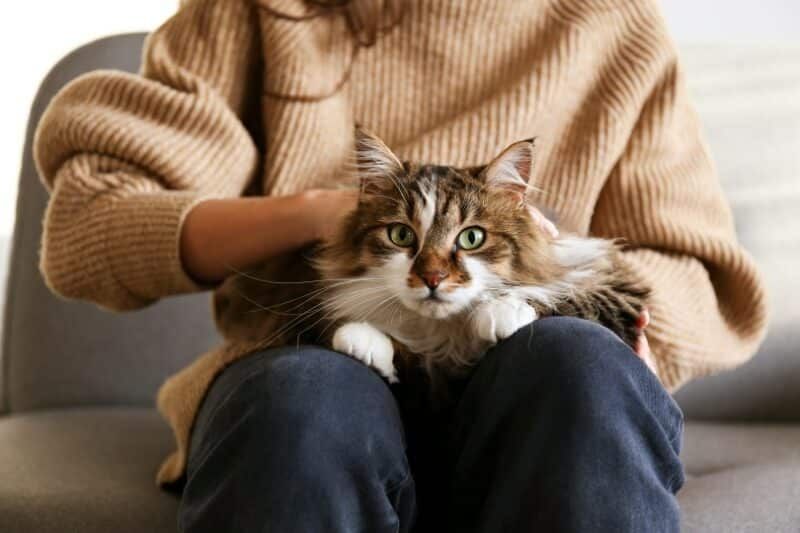
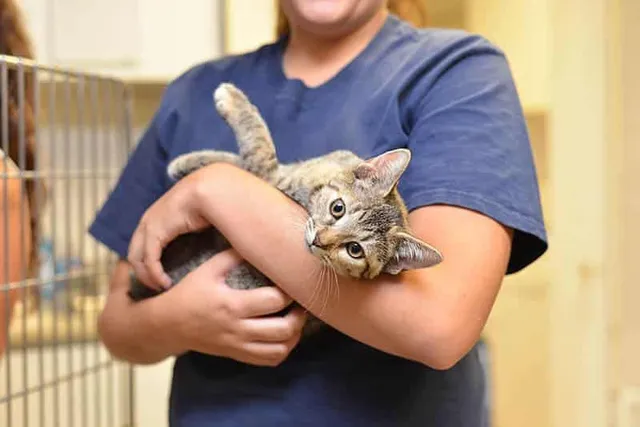
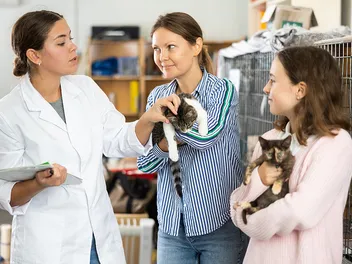
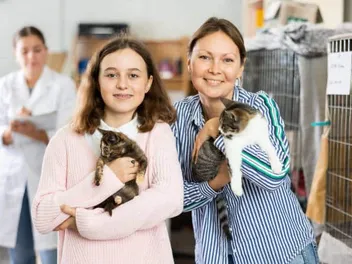
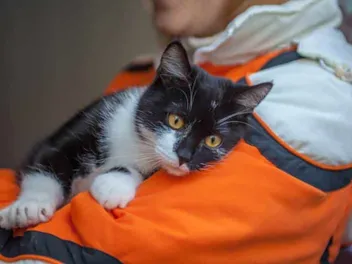
Adopting a cat is a huge decision in a person’s life. When you visit a local animal shelter or rescue, you’ll find dozens of precious faces staring back at you. You may be shocked at the number of senior cats available for adoption that seem to be overlooked.
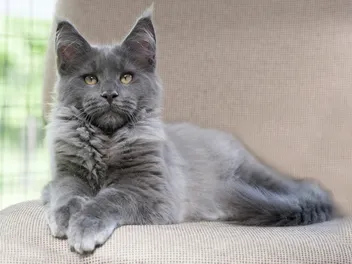
When most people think of adopting a cat, they instantly think of the cute kitten or the rambunctious youngster that will keep the kids or their other pets on their toes. For those who want to open their home and their hearts to older cats, the experience couldn’t be more joyous, but there are a few important factors to consider when adopting a senior cat. We'll discuss them below so you’ll be ready when you bring an older cat into your life.

The 10 Important Things to Know When Adopting a Senior Cat
1. Older Cats Are Often More Mellow
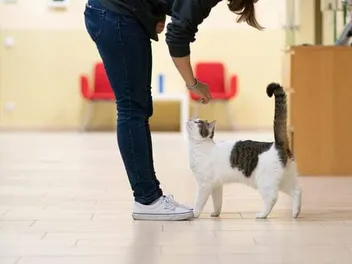
Compared to kittens or younger cats, senior cats are typically pretty mellow. Most seniors used to human companionship aren’t going to be running off youthful energy all the time. Instead, they like to curl up and enjoy the day just like you. They'll often let you know when they're ready to play and want your attention.
2. Seniors May Need Special Accommodations
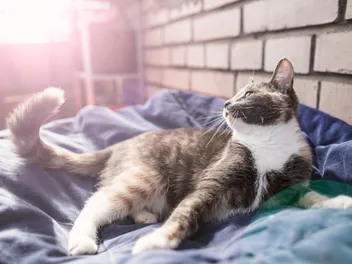
Older cats are more likely to have some underlying health issues. For example, if the senior you adopt has some form of arthritis, they may require special accommodations to make life easier for them. Buying your cat a supportive therapeutic bed will alleviate any pain they experience. You’ll also need to ensure litter boxes, toys, beds, food, and water are easily accessible and don’t require climbing to reach.
Other senior cats may have other ailments which would require other specific management and care protocols.
3. Senior Cats Sleep Differently
One thing a senior cat may have in common with an elderly person is their sleeping pattern. Research has shown that a senior cat typically sleeps in a different way than a healthy, adult cat 1. They tend to wake up more frequently, spend less time in REM (rapid eye movement) sleep, and more time in NREM (non rapid eye movement).
4. Seniors Also Need Their Own Space
Like all other cats, a senior cat needs a place to get away when needed. This is especially true if you have other pets in the home. Having their own space gives them a safe place to hide from younger siblings or situations where they don’t feel comfortable.

5. Give Your Senior Time to Adjust
Like any animal, a senior cat needs time to adjust to their new surroundings. When you bring your new cat home after adoption, have an area in your home prepared for the cat's arrival. Once you arrive, leave your cat on their own for some time so they can get used to the home and surroundings.
6. Choose the Right Veterinarian
The right veterinarian is important for every pet, but it is especially true for senior animals. Before bringing your senior cat home, choose a veterinarian you’re comfortable with. Call them, schedule a visit to their clinic, and ask questions about the type of care your cat will receive. Then, set up the first visit and be prepared to take your cat to the veterinarian at least twice a year to keep tabs on their health and well-being.
7. Seniors Need the Right Diet
A cat’s dietary needs change throughout their life. Once you’ve chosen the veterinarian you want for your senior cat, they can discuss what type of diet your cat should be on. If you want your cat to stay happy and healthy, follow your veterinarian’s recommendations closely.
8. Seniors May Save You Some Hassle
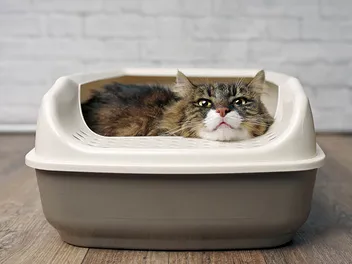
One of the perks of a senior pet is that they may not have to be house trained like a kitten. Most senior cats are well accustomed to litter boxes and don’t need much encouragement and training to use the litter box.

9. Introduce New Pets Slowly
With other pets living in your home, your senior cat needs a place to escape the younger pets where they feel safe and can avoid any potential conflicts. When you make introductions, do them slowly so your senior doesn’t become too stressed.
10. Expect a Lot of Love
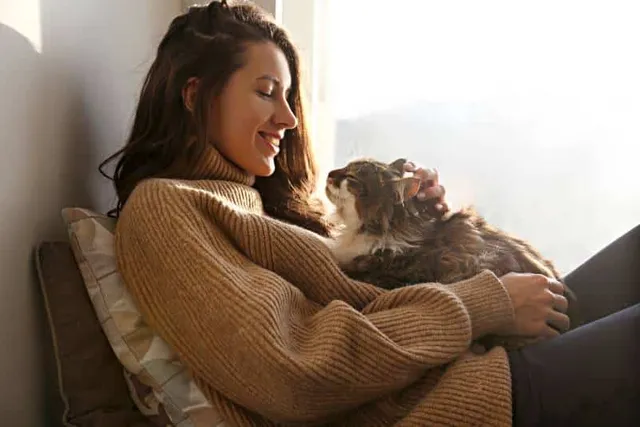
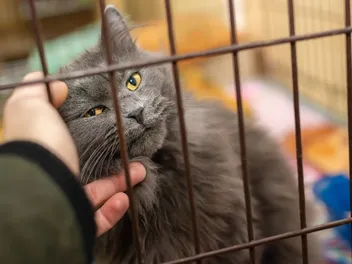
Senior cats are more mature and may understand that they can't move around like they used to. You’ll find that they will appreciate the love and kindness you show them. Be prepared to be accepting of this love and affection. You’ll be overwhelmed by the bond the two of you will form.

Conclusion
Bringing home a senior cat is one of the kindest things you can do. You will quickly find they are incredibly thankful for your generosity and have a lot of love to give. By understanding the complexities of living with a senior cat, you can prepare your home before your new pet arrives. This will make the transition easier and allow the bonding to begin immediately. Soon, the two of you will be best friends.
“Sources”
Featured Image Credit: evrymmnt, Shutterstock
Expert cat care, straight to your inbox
News, insights, and useful advice, delivered to you.

No spam — unsubscribe anytime.
By signing up, you agree to our Terms & Conditions and Privacy & Cookies Policy.
How useful was this post?
Click a star to rate. You can leave written feedback afterwards. (We read all feedback.)
A native of East Tennessee, Melissa is an avid animal lover who enjoys writing in her notebooks and playing outside with her many pets. Currently, she has two cats, Princess and Pepper, who are total opposites that demand constant attention. Her three dogs, Jazzy, Whitey, and Demon, are spunky troublemakers.
Melissa is also a dedicated wife and mother to two children. Beyond her career as a freelance cat writer, she's a published Indie author under the pen name Rena Marin!