Signs an Older Cat is in Pain: 8 Vet-Reviewed Indications


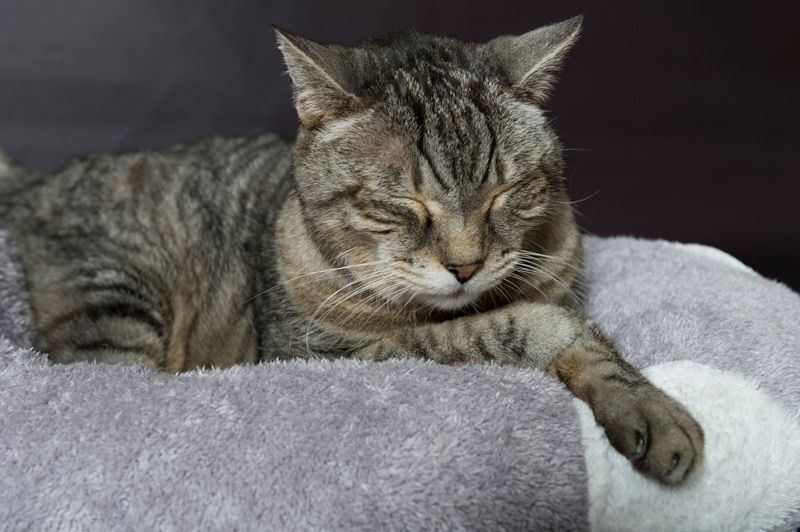
As the years have rolled on, you’ve probably seen your cat’s behavior change. They start off as kittens with tons of energy, running and catching anything that moves, to a peaceful, mature cat that likes to nap in any patch of sun they can find. Unfortunately, their changing behavior can disguise signs of discomfort and pain, which could get mistaken for old age. That, topped with the fact that cats are notorious for hiding signs of illness and pain, makes them nearly impossible to spot unless you know what to look out for.
If you’ve got an older cat, it’s not uncommon for them to be experiencing pain of some kind. Their joints might hurt from arthritis, their gums might be troubling them because of gingivitis, and they might be hurting inside their bodies because of digestive problems, kidney deterioration, an overactive thyroid and even cancer.

The 8 Signs an Older Cat Is in Pain
1. Avoiding Stairs
No senior cat is going to jump and climb like they did when they were young and full of energy, but they should still be able to move up and down the stairs comfortably, albeit a bit slower. If your cat has given up on using the stairs altogether, you have to take a closer look and consider why.
A common reason cats stop jumping, climbing, and using the stairs is because of osteoarthritis, which causes joint pain. The sad news is that this condition is progressive and affects approximately 82% of cats that are 12 years and older . As the condition worsens, your cat could lose mobility, so it’s important to adjust your home to cater to their needs.
If your cat can no longer climb the stairs, they are likely in a reasonable amount of pain. It is important that you book your cat in with the veterinarian for an examination. Make sure they have everything they need on each level of your home. This will make them feel more comfortable and prevent unnecessary pain.
2. Weight Changes

Older cats can experience weight changes as they move onto senior cat food and become less active. However, losing weight can be a concerning sign, especially if there have been no noticeable changes to routine or diet. If your cat is in pain, they will become less interested in eating and drinking, which can lead to weight loss and dehydration. Common dental problems older cats can develop are gingivitis, periodontitis and tooth resorption. Oral tumors do occur in older cats but they aren’t as common as the other conditions mentioned. All of these mouth conditions are painful and make eating difficult.
An early sign of chronic kidney disease in cats is weight loss, which is caused by malabsorption, inflammation, higher metabolic requirements and a decreased appetite. Kidney disease is difficult to catch in its early stage, so it’s important to get your cat checked out by a vet if you notice they are drinking more, urinating more, losing weight, their hair quality decreases or their breath smells bad. Some cats may experience terrible pain with this condition, and some may not.
If you are concerned about the health and well-being of your pet, we recommend getting in touch with a vet for guidance.
3. Litter Box Problems
When older cats that have always used their litter trays successfully stop using their litter boxes to eliminate or start missing the box, you have to wonder why. Sometimes this is due to cognitive dysfunction when a cat may not be able to find their litter box, it may be confused about where to go, or have forgotten their training. But in other cases, older cats may eliminate outside of their litter boxes because they’re in too much pain to step into it.
Osteoarthritis could be the cause for this behavior because their hips and joints could be hurting too much to hold the correct position to eliminate in the box, or the sides of the litter box could be too high for your hurting cat to get into. Help your cat feel more comfortable by placing open trays with low sides around the common areas where your cat hangs out so that they don’t have to climb into their litter box or walk far to use one.
4. Responds Negatively to Being Touched

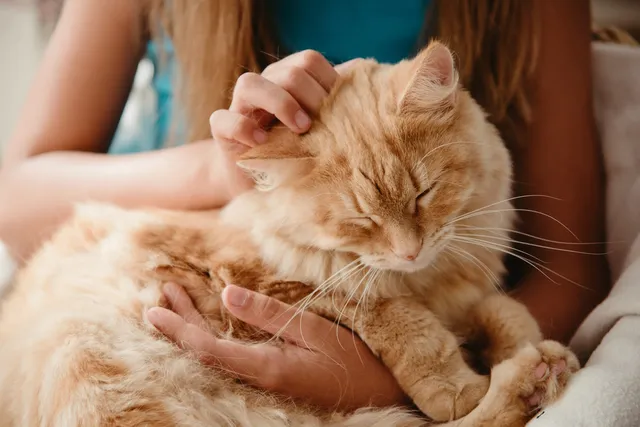
If your once loving and affectionate cat now responds negatively to being touched, especially on certain parts of their body, it could be because those areas hurt. Your cat may even become withdrawn around people and start hiding in an attempt to protect themselves from being touched or picked up.
Your cat will try to hide the fact that they’re in pain to avoid looking vulnerable, so it’s important to pay attention to your cat’s behavior and figure out what they’re trying to tell you.
5. Sleep Changes
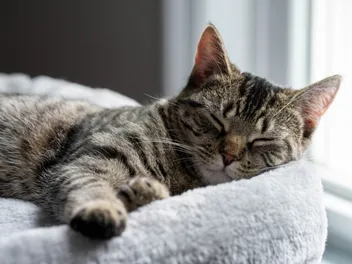
Sleeping more is a normal sign of aging. Senior cats need sleep to recover after activity and to recharge. However, if your cat is in pain, they may need to rest and sleep more. If the pain isn’t dealt with, they will continue to have low activity levels which will lead to a reduction in muscle mass and the potential for putting on weight.
The opposite can also be true. Pain can cause a cat to sleep less because they can’t get comfortable. This may cause them to find unusual sleeping spots or gravitate towards warmer spots as the heat may ease their pain.
6. Grooming Changes

A decrease in grooming can be a warning sign because cats are so particular about keeping themselves clean and will groom themselves for a large part of their day. However, if their grooming habits have slowed down or stopped, it might be because the bending and twisting they need to do to reach all the areas of their body might be too painful. Osteoarthritis is one of the common causes of a decrease in grooming, which will leave their coats matted, tangled, and looking unkempt.
Once again, the opposite can be true, too. A cat in pain may lick themselves too much, especially around the painful areas. If your cat has bald patches due to obsessive licking, the behavior is not normal and is an indication that something is not right. Excessive licking that has caused bald spots may progress to broken skin, and infection could occur.
7. Grumpiness or Aggression
If you’ve always had a happy, social cat, but as they’ve gotten older, they’ve turned into a grumpy, somewhat aggressive cat, it may have a lot more to do with how they’re feeling than a change in personality. Cats form strong bonds with their owners, and it’s unusual for them to suddenly want little to do with them, so before blaming their mood swings on old age, consider the possibility of pain.
Pain is a big factor that could make friendly cats become grumpy and act out aggressively, causing them to growl, hiss, scratch, and bite. They might be acting this way to protect themselves from the pain that comes with being cuddled or because their pain is constant and overwhelming and makes them feel irritable and miserable.
8. Excessive Vocalization

Senile cats are usually quite vocal because they’re disorientated, unable to hear, or anxious. However, excessive vocalization could also be due to pain. If your usually quiet cat suddenly starts meowing and yowling excessively, it can be a sign of extreme pain. Cats usually wouldn’t draw attention to the fact that they’re in pain and would rather keep quiet about it, so if they are vocalizing more than usual, this warrants a vet check up.
A cat that is growling or hissing may do so to tell pets and people to stay away from them because they don’t want to be touched or because they don’t understand why they are feeling pain.
Purring could be another indication that your cat is in pain, as it is a self-soothing mechanism.
What Should I Do If My Cat Is in Pain?
If you think your cat is in pain but don’t know where it is coming from, you need to take them to the veterinarian for a full examination. They will examine your cat’s body and mouth and run blood and urine tests. If need be, they may also do X-rays, CT scans, MRIs, and ultrasounds.
If your cat has a health condition, such as arthritis, bone disease, cancer, dental disease, or urinary tract disease, they’re going to be experiencing a lot of pain. However, most medical conditions come with some degree of pain, so veterinarians will often include pain management in their treatment plans. Obvious injuries such as open wounds or broken bones will be treated directly, and pain medication will be prescribed.
What you should never do is give your cat pain medication intended for humans. This will not help your cat but could kill them. Thankfully, there are many cat safe pain medications that your veterinarian can recommend that will bring comfort to your cat.

How to Care for Your Cat
If your veterinarian has diagnosed your cat with a health issue, you need to follow their guidance and give your cat their prescribed medication. Adjusting your cat’s diet might be necessary, as well as changing your home around to be more comfortable for them so that they don’t need to walk up and down the stairs.
You’ll also need to watch your cat’s behavior, and if there are any signs that they’re still in pain or not responding to their treatment, you should contact your veterinarian and let them know. Be sure to take your cat to any follow-up appointments so that your cat’s pain can be managed properly.
Conclusion
Older cats go through many changes, which is a normal part of aging. However, it’s important to pay close attention to their behavior to determine what is normal and what could be a sign of pain.
If your cat is avoiding using the stairs, has experienced weight changes, isn’t using their litter box anymore, is responding negatively to being touched, is sleeping too much or too little, is excessively licking or not grooming at all, is showing signs of aggression, or has become excessively vocal, take them to the vet as they could be struggling with pain.
Sources
https://www.petmd.com/cat/conditions/musculoskeletal/arthritis-cats
https://vcahospitals.com/know-your-pet/behavior-changes-and-pain-in-aging-cats
https://vcahospitals.com/know-your-pet/kidney-failure-chronic-in-cats
https://todaysveterinarypractice.com/orthopedics/diagnosis-and-management-of-feline-osteoarthritis/
Featured Image Credit: Heidi Bollich, Shutterstock
Expert cat care, straight to your inbox
News, insights, and useful advice, delivered to you.

No spam — unsubscribe anytime.
By signing up, you agree to our Terms & Conditions and Privacy & Cookies Policy.
How useful was this post?
Click a star to rate. You can leave written feedback afterwards. (We read all feedback.)
Keri-Beth is a freelance writer from South Africa who loves writing about cats. She's very passionate about pet care and has spent quite a bit of time volunteering at animal shelters. Keri-Beth currently has two dogs: Benji, the Golden Cocker Spaniel, and Gracie, the Boerboel.
Keri-Beth's favorite hobbies include photography and camping. She lives with her husband, who is a professional drummer.