Are Lilies Toxic to Cats? Vet-Verified Facts & Safety Tips


In this article
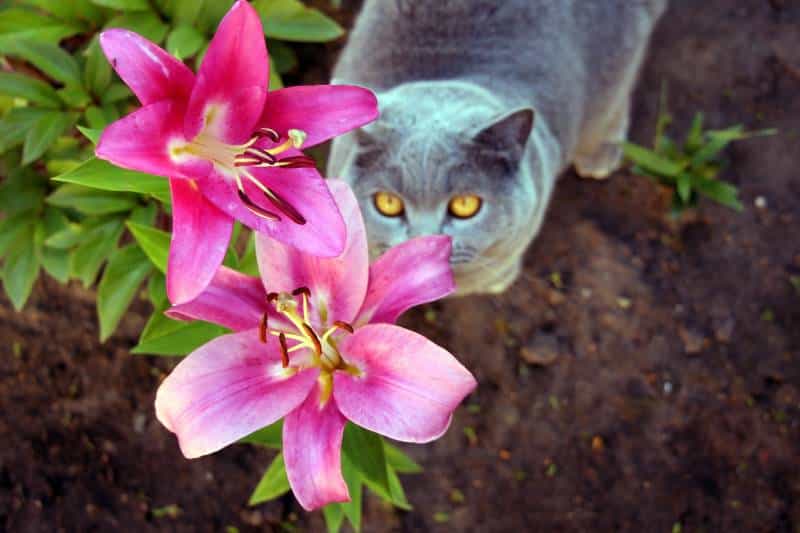
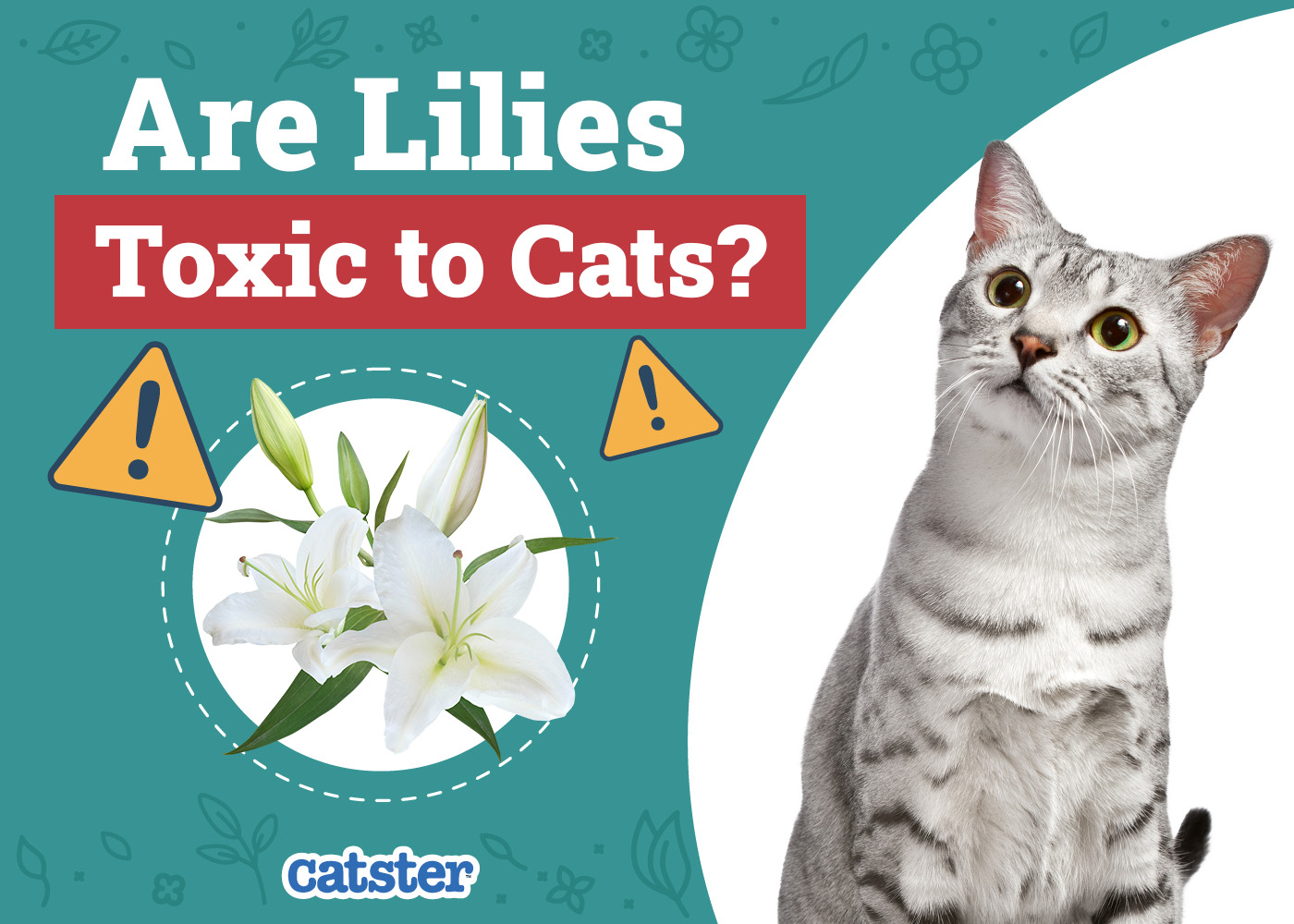
Renowned for their large trumpet-like dazzling flowers and a robust scent, lilies are elegant and strikingly beautiful - a delightful addition to a household, especially during Easter celebrations. However, these attractive perennial flowers are a ‘NO’ for cat-friendly households and gardens. Unbeknown to most cat parents, lilies are toxic to cats.
Cats’ heightened curiosity and explorative nature make them especially vulnerable to toxicity related to lilies. A little bite of any part of the plant or even drinking water from a vase with cut lilies can cause severe symptoms, kidney failure, or worse, death.

Why Are Lilies Toxic to Cats?
Various types of lilies are harmful to kitties, with the most lethal being true lilies and Hemerocallis. They include Asiatic lily, daylily, Easter lily, Japanese show lily, Oriental lily, tiger lily, wood lily, or stargazer lily.
Every part of these plants is dangerous: the stem, flowers, leaves, and even pollen. Licking, biting, or even brushing by the bloom can cause acute kidney failure to your kitty or death within three days.
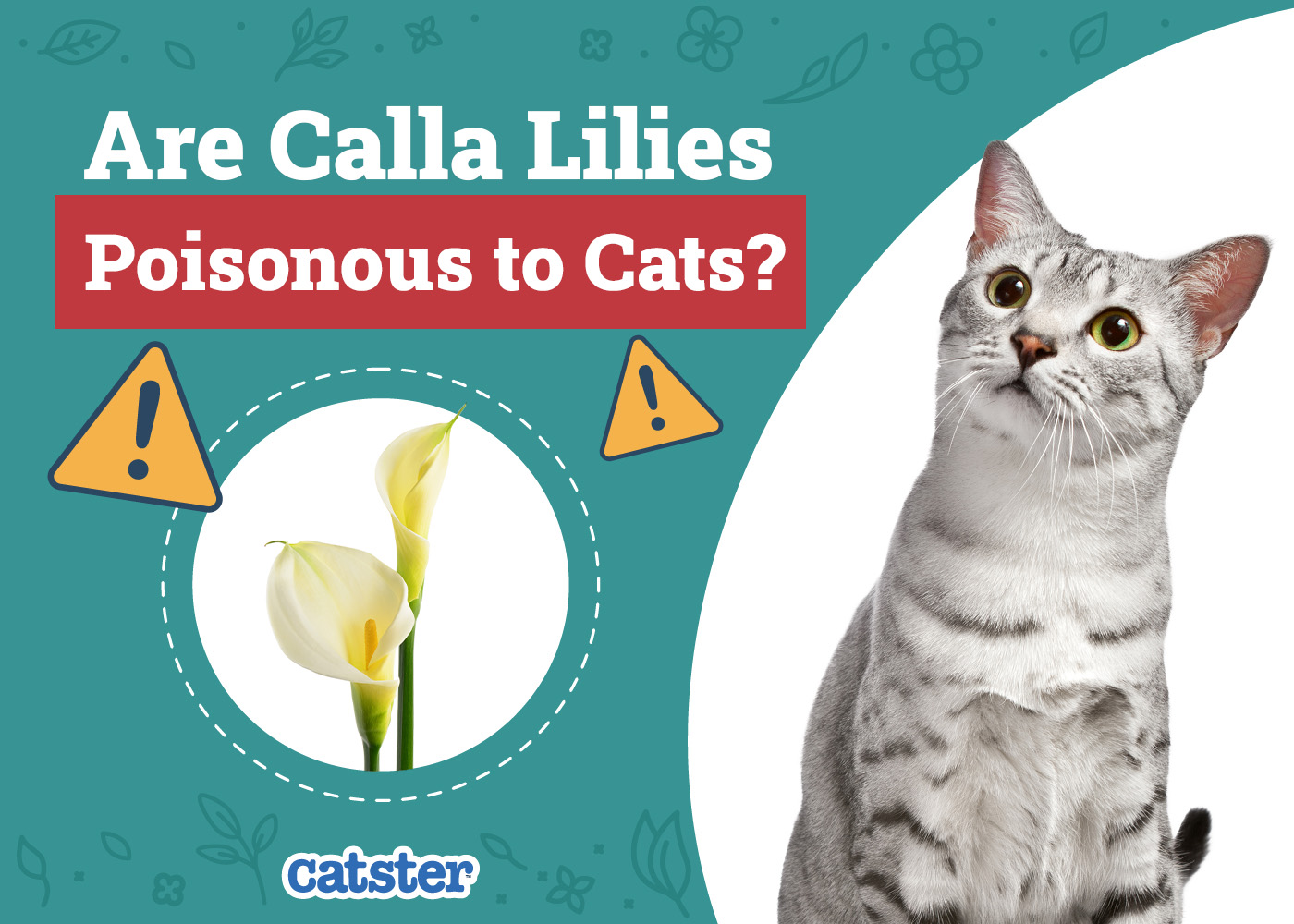
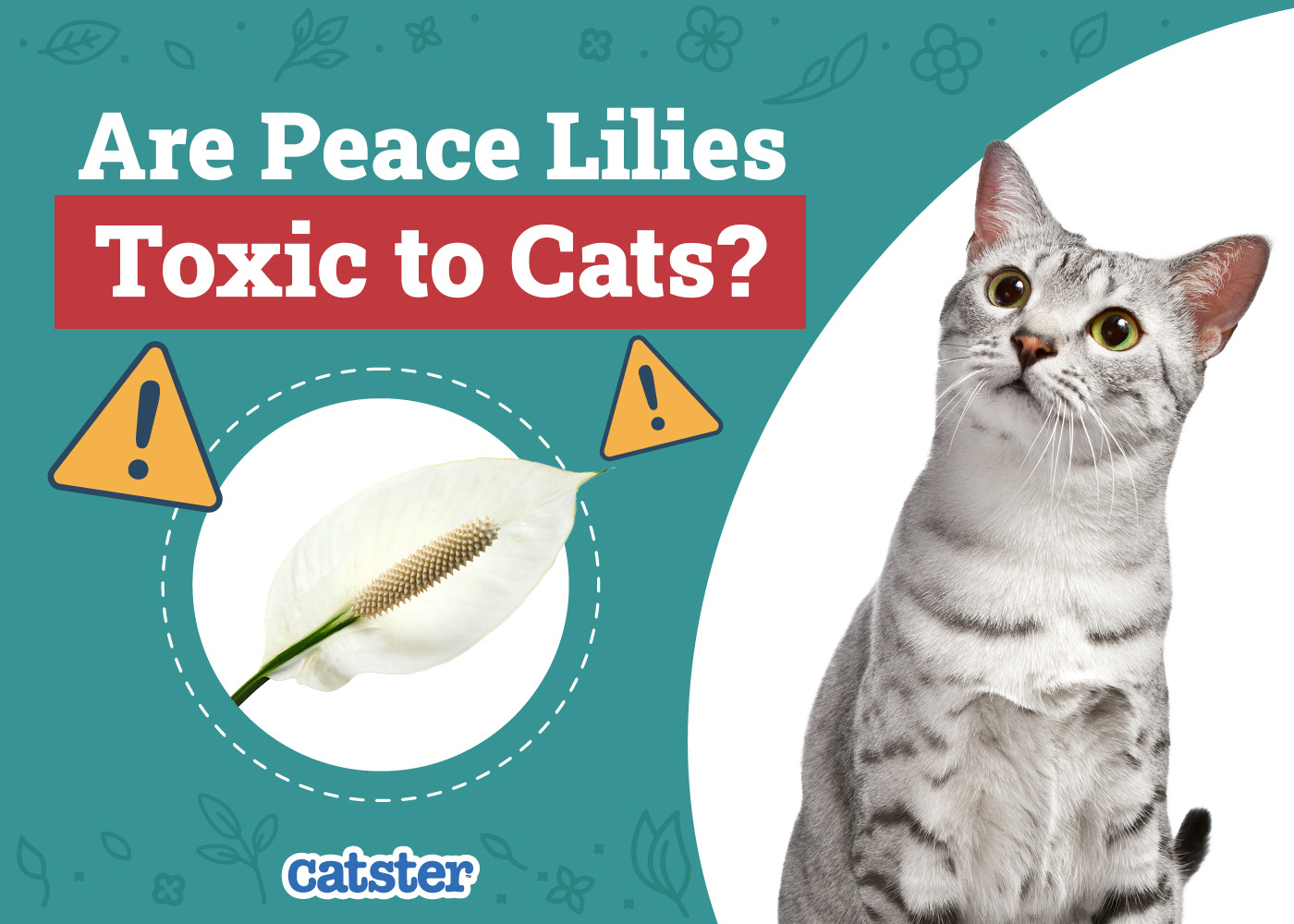
However, not all plants with "lily" in their name are as deadly as the ones above. For instance, "less harmful lilies" such as calla, peace, and Peruvian lilies are not as potentially harmful but contain calcium oxalate crystals. Therefore, when a cat chews on them, they release insoluble crystals, which irritate the mouth and cause pain in the tongue and esophagus. The signs usually resolve on their own after some time.
Other “highly toxic lilies,” such as lily-of-the-valley and flame lily, are equally harmful, although they don’t cause kidney failure.
The Gloriosa lily is another not-true lily that is also capable of causing kidney failure, along with other signs of colchicine intoxication such as liver damage and bone marrow suppression.

One of the most common ways that cats ingest lilies is by accidentally consuming fallen pollen while grooming their coats. Unfortunately, the toxin substance and the toxic dose that can potentially harm your fur baby are still unknown. But still, mouthing or brushing through even the smallest of these bountiful flowers can cause agony to your feline friend.
Signs of Lily Poisoning in Cats
Although cats are loners and can hide their pain from you, there are signs and symptoms of lily toxicity you can pick up. These first symptoms usually occur from 0 to 12 hours after ingestion.
After that, signs of kidney injury such as excessive peeing and dehydration show from about 12-24 hours after ingestion. At this time, your kitty may drink more water than usual. Kidney failure later occurs within 24-72 hours, after which things go downhill fast, leading to death if the cat goes untreated.
The signs of lily toxicity in cats include:

Lily Toxicity in Cats: Diagnosis & Treatment
Cat Lily Poisoning Diagnosis
Unfortunately, your kitty is likely to have irreversible renal failure if you treat it later than 18 hours after ingestion. But then, you can save your kitty’s quality of life if you seek early veterinary treatment. Although the uncertainties around the toxic dose and the specific toxin make it hard for vets to conduct a specific test that identifies lily intoxication, some laboratory results can make the diagnosis accurate - especially if supported by evidence of lily contact. The vet will perform some bloodwork and testing, including urine tests and ultrasound exams.
Cat Lily Poisoning Treatment
During early treatment, your vet will perform a procedure known as decontamination where they may try to induce vomiting. The vet will then orally give your cat activated charcoal to absorb any remaining toxic remnants in your cat’s gastrointestinal tract. Your vet will also attempt to flush the kidneys by giving your cat IV fluids for several days and monitoring the bloodwork for evidence of kidney damage.
But if the cat presents anuria, the vet will have to perform the only potential treatment, peritoneal dialysis or hemodialysis, on the cat.
If this treatment is successful and occurs before the development of irreversible kidney damage, the good news is that there will be no long-term consequences.
Therefore, take your kitty to a vet upon suspecting that they have ingested any part of the flower, pollen, or drank water from the flower vase. You can call your vet or the pet poison control center within your location.
The type of lily ingested could prompt emergency medical attention. It is also essential to bring the lily with you to the vet or take a picture of the plant. By doing so, your vet will be able to determine if the plant is very poisonous or mildly toxic.
Summary: Are Lilies Poisonous to Cats
No doubt, lilies are beautiful and provide delightful scents that purify the air. But since they are dangerous for cats, we recommend banning lilies in any home or garden where a cat lives. In order to prevent accidents, please educate your household members about the dangers of lilies for felines. Although some lilies are more toxic than others, the best way to take care of your cat is to avoid having toxic flowers in your home at all.
Better yet, if your family enjoys flowers, you could ask a florist to create a “cat-safe” floral arrangement in your garden.
Featured Image Credit: Piqsels

Expert cat care, straight to your inbox
Vet-reviewed advice, behavior tips, and the best of Catster. Free, and you can unsubscribe anytime.
By signing up, you agree to our Terms & Conditions and Privacy & Cookies Policy.
Christian started writing for a local newspaper as a teenager, and he's been involved in the publishing industry for most of his adult life. Combining his love of writing with a passion for animals, he is currently the Director of Editorial at Pangolia and the Editor-in-Chief at Catster.
Christian lives in the Philippines with his wife, son, and four rescue cats: Trixie, Chloe, Sparky, and Chopper.
Join the conversation
Ask a question, share your story, or send private feedback.