Catster is reader-supported. When you buy via links on our site, we may earn an affiliate commission at no cost to you. Learn more.

Cat Health & Care

Is Rhaphidophora Tetrasperma Toxic to Cats? Precautions & Risks

By Rachael Gerkensmeyer · Reviewed & fact-checked by Dr. Lorna WhittemoreVet Approved
Dr. Lorna Whittemore
Reviewed & Fact-Checked byDr. Lorna WhittemoreMRCVS (Veterinarian)
Lorna is a vet based in Cape Town, South Africa. originally from Scotland. Lorna loves to travel and has lived, studied, and worked on three continents. Lorna has 20 years of experience in small animal medicine and surgery, both in the charity and private sector, plus a further qualification in feline medicine.View authorThe information is current and up-to-date in accordance with the latest veterinarian research. Read about our vets
Share
Is Rhaphidophora Tetrasperma Toxic to Cats? Precautions & Risks
The Rhaphidophora tetrasperma, also referred to as the mini monstera, is a beautifully lush plant with small, split leaves that can range in color from bright green to dark yellow. These plants have climbing vines that will grow several feet tall if unkempt. While these are popular houseplants, it is important to note that they can be toxic to cats (and dogs) upon contact with any part of the plant.

So, why is the Rhaphidophora tetrasperma toxic to cats? Is there anything that can be done to protect cats from this type of plant if they are growing in or around your home? What other plants are safer for cats to be around inside the house? Let's explore the answers to these questions.

divider cat paws oct 2024

Why Rhaphidophora Tetrasperma Plants Are Toxic to Cats

Rhaphidophora tetrasperma plants are thought to contain a microscopic substance called calcium oxalate that works to keep animals and insects from eating the plant leaves and vines. Unfortunately, calcium oxalate raphides are toxic to cats and other animals. If ingested, the calcium oxalate crystals can cause signs such as nausea, drooling, pawing at the mouth, mouth swelling, and lethargy.

Rhaphidophora tetrasperma is part of the Araceae plant family, most of which contain sharp, insoluble calcium oxalate crystals called raphides. We could not, however, find any studies into this particular plant but advise caution. You should contact your vet if your cat does eat any amount of this plant, they can advise you on steps to take to care for your cat.

How to Keep Your Cat Safe If Growing Rhaphidophora Tetrasperma

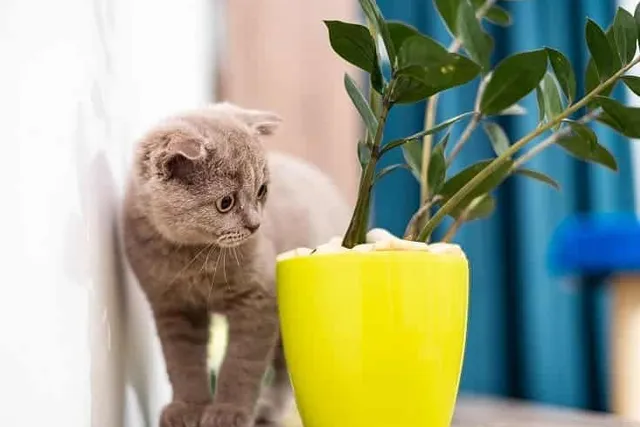
The best way to keep your cat protected from the toxins in Rhaphidophora tetrasperma is to refrain from growing the plant indoors. If your cat spends any time outside, it is a good idea to eliminate these plants from your property altogether. If you still want to grow one in your home, here are a couple of things that you can do to protect your cat:

  • Hang Your Plants: Put your plants in hanging pots, and hang them from the ceiling in your home in places where your cat cannot get up on furniture and reach them.
  • Designate a Room for Your Plants: Choose a room in your home where your cat does not spend time to keep your plants in.
  • Utilize repellent options: Try spraying your plants with a repellent to keep your cat from wanting to go near them. You can also place plastic forks in the pots with the spokes pointing outward to create a pokey “fence” around the plants.
Image By: Irina Kozorog, Shutterstock

Alternative Plant Options That Are Safe for Cats

There are plenty of beautiful plant options available that are perfectly safe for cats to be around, so consider replacing your Rhaphidophora tetrasperma for your kitty’s sake. Interesting options include:

  • Spider plants
  • Ponytail palms
  • Bird’s nest ferns
  • Boston ferns
  • Orchids
  • Friendship plants
  • Prayer plants
  • Bromeliads

These are lush plants, many of which grow beautiful flowers that can help bring light, joy, depth, and color to your home’s décor.

divider cat paws oct 2024

In Conclusion

Rhaphidophora tetrasperma plants may be pretty, but they are not a good choice for homes with cats living. Fortunately, there is a large variety of other types of plants that can be safely grown around cats. If your cat does happen to come into contact with Rhaphidophora tetrasperma or eats part of the plant, it is important to contact your veterinarian as soon as possible.

The Catster Newsletter

Expert cat care, straight to your inbox

News, insights, and useful advice, delivered to you.

No spam — unsubscribe anytime.

By signing up, you agree to our Terms & Conditions and Privacy & Cookies Policy.

Click a star to rate. You can leave written feedback afterwards. (We read all feedback.)

Rachael Gerkensmeyer
Authored by

Rachael Gerkensmeyer

Leave a Reply

You're very welcome to leave a comment or question. Please know that all comments must meet our community guidelines, and your email address will NOT be published. Let's have a positive and constructive conversation.

Is Ivy Toxic to Cats? Vet-Reviewed Houseplants Examined

Is Ivy Toxic to Cats? Vet-Reviewed Houseplants Examined

Plants can make for a wonderful addition to any home or yard. Not only do they add to the aesthetic, but they also come with other benefits, such as increasing…

Lindsey Lawson
By Lindsey Lawson ·
Are String of Turtles Toxic to Cats? Vet-Reviewed Safety Tips & Facts

Are String of Turtles Toxic to Cats? Vet-Reviewed Safety Tips & Facts

If you’re a cat parent and plant enthusiast, you know that it’s vital to choose your plants according to your liking and while considering your feline’s safety…

Visnja Radosavljevic
By Visnja Radosavljevic ·
Why Do Cats Eat & Chew on Plants? Vet-Verified Facts & Plant Guide

Why Do Cats Eat & Chew on Plants? Vet-Verified Facts & Plant Guide

Cats are strict carnivores, preferring to hunt down small prey like mice or birds. However, sometimes you might find your cat snacking on some leaves in your h…

Jordin Horn
By Jordin Horn ·
What Houseplants Are Poisonous to Cats? 15 Vet-Verified Toxic Types

What Houseplants Are Poisonous to Cats? 15 Vet-Verified Toxic Types

Wondering what plant to get that won’t upset your cat? We’ve got you covered. This post lists 15 common houseplants that should be avoided by cat owners—usuall…

Cassidy Sutton
By Cassidy Sutton ·

Is Caladium Toxic to Cats? Vet Approved Facts & Safety Tips

The pinkish-red and green heart-shaped leaves of the caladium plant make it a vibrant addition to any household. However, its pretty appearance is deceptive: C…

Christian Adams
By Christian Adams ·
Is Caladium Toxic to Cats? Vet Approved Facts & Safety Tips

Are Pothos Toxic to Cats? Vet-Verified Facts & Information

Golden Pothos are among the most common houseplants. They are exceedingly easy to take care of and easy to find. Their large leaves make them very aestheticall…

Kristin Hitchcock
By Kristin Hitchcock ·
Are Pothos Toxic to Cats? Vet-Verified Facts & Information

Can Cats Eat Clover? Common Herbs Examined

Cats are curious creatures and love to paw and nibble at plants. Clover plants are among the many plants that are poisonous to your feline. They are sometimes…

Christian Adams
By Christian Adams ·
Can Cats Eat Clover? Common Herbs Examined

Are Fiddle-Leaf Figs Toxic to Cats? Vet-Reviewed Houseplants Examined

With over 400,000 different land plant species on our beautiful green planet, indoor plants have become extremely popular. 1 Plants clean the air that you live…

Keri-Beth Clur
By Keri-Beth Clur ·
Are Fiddle-Leaf Figs Toxic to Cats? Vet-Reviewed Houseplants Examined

Is Oxalis (Shamrock Plant) Toxic to Cats? Vet-Reviewed Facts & FAQ

When we mention shamrocks, you might think of clovers too, but what is the difference? Well, all shamrocks are clovers, but not all clovers are shamrocks. The…

Kerry-Ann Kerr
By Kerry-Ann Kerr ·
Is Oxalis (Shamrock Plant) Toxic to Cats? Vet-Reviewed Facts & FAQ

Is Nephthytis (Arrowhead Plant) Poisonous to Cats? Vet-Reviewed Houseplants Examined

Nephthytis (arrowhead plant) is a common and popular houseplant due to its air-purifying properties. If you're a plant and a cat lover, you may be wondering if…

Christian Adams
By Christian Adams ·
Is Nephthytis (Arrowhead Plant) Poisonous to Cats? Vet-Reviewed Houseplants Examined

Are Begonias Poisonous to Cats? Vet-Verified Facts, Risks & Safety Guide

Begonias are flowering plants that many homeowners grow in their flowerbeds and in large pots due to their colorful blooms. If you’re a cat owner who loves beg…

Christian Adams
By Christian Adams ·
Are Begonias Poisonous to Cats? Vet-Verified Facts, Risks & Safety Guide

Is Anthurium Toxic to Cats? Vet Approved Facts & FAQ

It’s important to know what kinds of plants pose a toxic threat to our pets. Cats in particular are known for messing around with plants, which can be very dan…

Lindsey Lawson
By Lindsey Lawson ·
Is Anthurium Toxic to Cats? Vet Approved Facts & FAQ

Love Cats? So Do We! Join the Catster Community

Stay informed with expert cat care insights delivered straight to your inbox! Discover professional guidance on feline behavior, feeding tips, trusted product picks, and much more.

You may opt-out at any time. View our Privacy Policy for more information.

The Catster site on a phone