How Old is My Cat? Vet-Approved Ways to Determine Age



In this article
Adopting a rescue cat is one of the best feelings in the world. You get to give a cuddly feline a good home and all the love, food, play, and nap time that they want.
There is always going to be a bit of a mystery around a rescue animal than if you adopt a kitten from a breeder. You don’t know what they have previously experienced, like if they have been abused or had a previous home at all. Nor can you know their exact age.
So, how can you determine the age of a cat? Thankfully, there are several ways to do so. An examination from a veterinarian is an excellent way to determine their approximate age. You can also try to do this at home. A few essential body parts and behaviors can help give away a cat’s age within a few years.

How Old Is My Kitten?
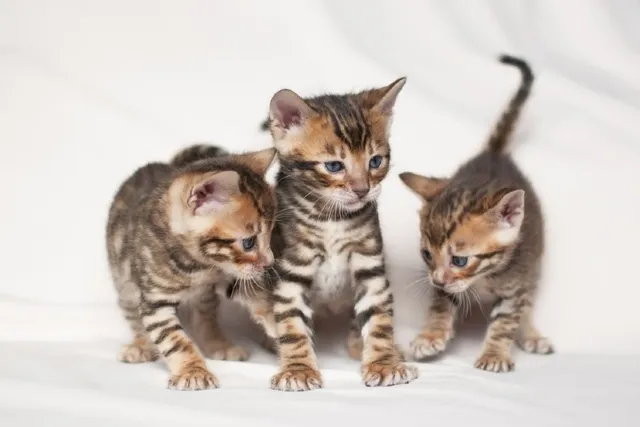
Kittens’ age-determining methods are slightly different than their adult counterparts. A breeder should always know how old their kittens are, but what if you find kittens separated from their mother?
Kittens show distinct developmental milestones that can indicate their age. In some cases, you can even estimate their age to the exact week


How Old Is My Cat? 6 Ways to Determine Your Adult Cat’s Age
Once a kitten hits 8 weeks (2 months old), it becomes more challenging to determine their age down to the day or week. However, there are still ways that you or your vet can determine your cat’s age.
1. Cat Teeth
One of the best ways to determine your cat’s age is by checking their teeth.
- Their baby teeth emerge in 2 to 4 weeks, and their permanent teeth begin to erupt when the cat is between 3 and 4 months old.
- By 6 months old, they should have all of their adult teeth, which will remain white and sharp for the first couple of years.
- By 1 to 2 years old, you may notice slight yellowing on the back teeth, but the teeth should still be in excellent condition. Some cats start to show signs of gum disease at this age.
- By 3 to 5 years, tartar buildup starts to appear, especially if the cat doesn’t receive regular dental care. A high proportion of cats may show mild to severe signs of gum disease.
- By 5 to 7 years, the tartar buildup is usually more noticeable, some teeth may show signs of wear and some might be missing.
- By 10 years and older, significant dental wear, possible tooth loss, and gum disease are far more common if no dental care has been provided.
However, dental disease can appear at any age, so this method is not always exact.

2. Fur
A cat’s coat can be another handy way to determine their age, mainly when drawing the line between a kitten and a mature cat.
- As kittens grow, their soft and fine fur becomes coarser and thicker, indicating their transition into adulthood.
- From about 6 months to 3 years old, most cats have sleek, smooth coats with little to no graying.
- By 4 to 7 years, their coat may become more dense, and some cats will develop a slightly coarser texture.
- From 8 to 10 years, you may start to notice individual gray or white hairs, especially in darker-colored cats. The fur may also become less vibrant.
- If the cat is a senior, look for patches of gray or white. These changes often start appearing around 10 years old. Grooming behaviors can also be indicative of their age. As a cat grows older, they might grow slack with their grooming. They could gain weight as they age, suffer from dental issues, or have arthritis in essential joints that makes movement painful.

3. Muscle Tone
Check out your cat’s physical build to get a clue about their age.
- Young adult cats (1–3 years old) are active and tend to have strong, lean bodies with well-defined muscles.
- Between 4 and 7 years old, some cats may become slightly less active, leading to a small increase in body fat, but they still maintain muscle tone.
- From 8 to 10 years, you might start to notice a looser or sagging belly, and the muscles may not be as defined as they once were.
- Cats over 10 years old begin to get much slower and less active, which is why they often have saggier skin and more prominent bony areas around the spine and hips, due to natural muscle loss.
It is also useful to keep in mind that cats that have lived outdoors typically age twice as fast as cats that live inside.

4. Sexual Maturity
Sexual maturity is one of those signs that can’t be easily confused. Just like signs of puberty tend to happen with greater predictability in humans, cats reach certain stages at certain ages.
- Male felines reach their sexual maturity at about 4-5 months old. These signs include urine spraying and having more visible testicles. This stage is also the time that it is best to get them neutered.
- Female cats have their first estrus cycle or heat when they’re around 4-6 months of age if they have not been spayed. You will know this is happening because they will tell you both vocally and visibly. They can get pregnant at this time.

5. Eyes
A cat’s eyes can be the windows to their age.
- Kittens have bright, clear eyes with no cloudiness. The color also changes from blue to their permanent color at around 7 weeks.
- The menace response appears in cats older than 12 weeks. You can observe this by making a gentle, slow hand movement toward your cat’s eyes to see if they immediately close their eyes. Since it is a learned response and not a reflex, it is not present at birth but develops as they mature.
- From 6 months to about 6 years, the eyes should be clear and transparent.
- By 7 to 10 years, some cats may start to develop a mild haziness in their eyes.
- After 10 years, eye cloudiness may become more common. Some cats develop age-related sight problems.

6. Energy Levels
Another way to guess your cat’s age is by their energy levels.
- From 6 months to 3 years, cats are generally very active, playful, and curious.
- Between 4 and 7 years, they are still playful but may start to mellow out slightly.
- By 8 to 10 years, cats often slow down noticeably, preferring naps over playtime.
Many health conditions can deeply impact your cat’s energy and mood, so it’s important not to ignore this and seek professional advice if your cat seems lethargic. These could be telltale signs of illness, so consider taking them to the vet if the change happens suddenly.
If you want a more accurate estimation of your cat’s age, take them to the veterinarian. Doctors who commonly work with felines will be able to tell roughly how old a cat is by giving them a physical examination.

Final Thoughts
Knowing your cat's age can help you take better care of them. We are confident that, with the tips provided, you will be able to estimate your new feline friend's age, knowing that you can always count on your veterinarian for a professional opinion. Cats are adorable at any age, and knowing their life stage only deepens our bond with them, helping us provide them with the love and care they deserve.
Featured Image Credit: Witsawat.s, Shutterstock

Expert cat care, straight to your inbox
Vet-reviewed advice, behavior tips, and the best of Catster. Free, and you can unsubscribe anytime.
By signing up, you agree to our Terms & Conditions and Privacy & Cookies Policy.
A true Renaissance man, Dean Eby has worked a variety of hands-on careers, including home building and remodeling, personal training, and now shares his experiences and understanding as a writer. An avid outdoorsman, Dean spends much of his time adventuring through the diverse terrain of the southwest United States with his closest companion, his dog, Gohan.
For Dean, few passions lie closer to his heart than learning. An apt researcher and reader, he loves to investigate interesting topics such as history, economics, relationships, pets, politics, and more.
Join the conversation
Ask a question, share your story, or send private feedback.