Should I Get My Cat Spayed Or Neutered? Facts To Consider (Vet-Reviewed)


In this article
To spay or not to spay—that is the question. Or is it? All of these years, pet owners have been advised to fix their pets to eliminate the possibility of unwanted pregnancy. Granted, there is an overabundance of homeless cats in the world, and we certainly don’t want that to be a problem.
However, we believe in keeping you informed. While spay or neuter surgery is generally the best option, there are risks and certain considerations a pet parent should take before deciding to go through with the surgery. Here we’ll explain everything to consider before getting your cat spayed or neutered.

What Exactly Happens During Spay/Neuter Surgery?
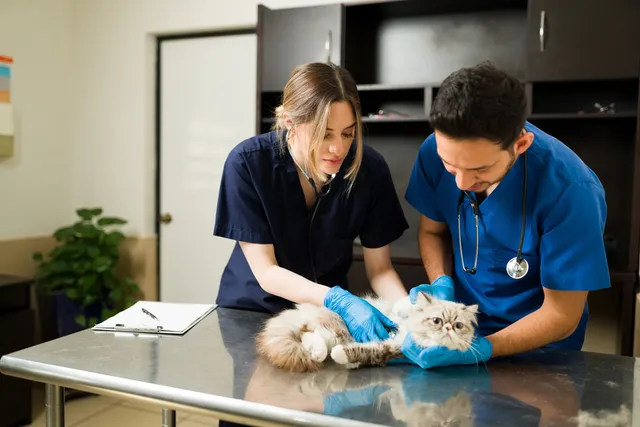
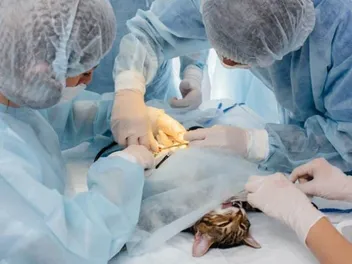
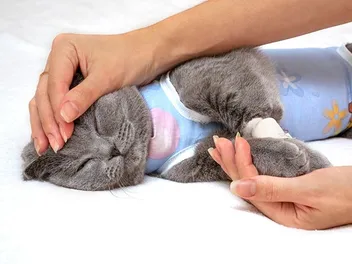
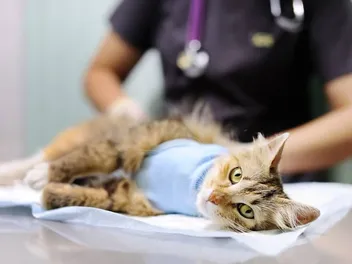
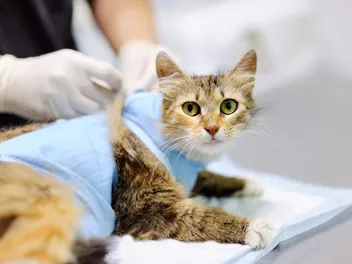
During a spay or neuter surgery, your veterinarian will perform a procedure to sterilize the pet in question. They will undergo general anesthesia, where they will be asleep so they won't feel a thing.
Neutering is much less invasive than spaying. When a veterinarian neuters a cat, they simply stay on the outside of the body, removing the testicles. If your cat is spayed, on the other hand, they have to surgically go in through the abdomen, potentially causing a longer recovery time since it is a more invasive surgery.
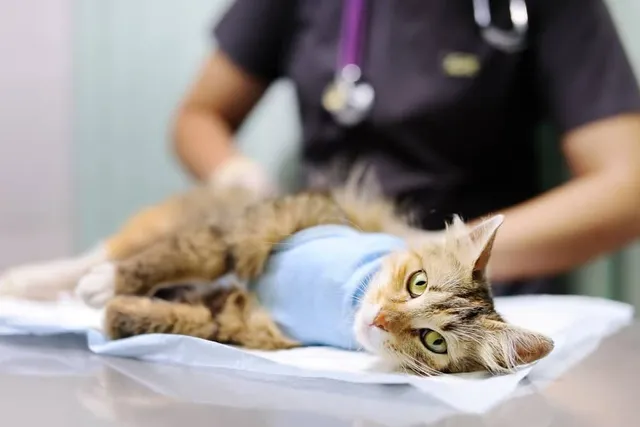
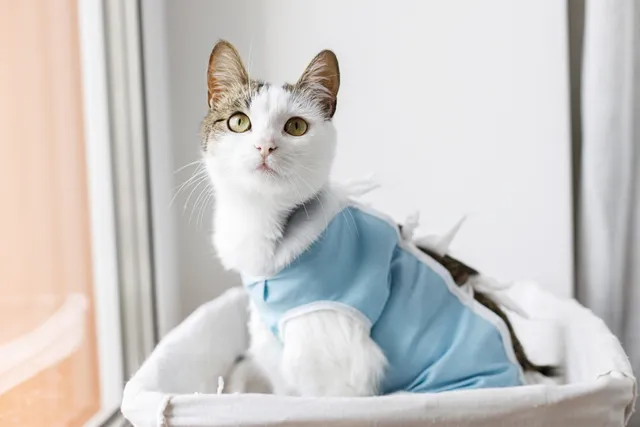
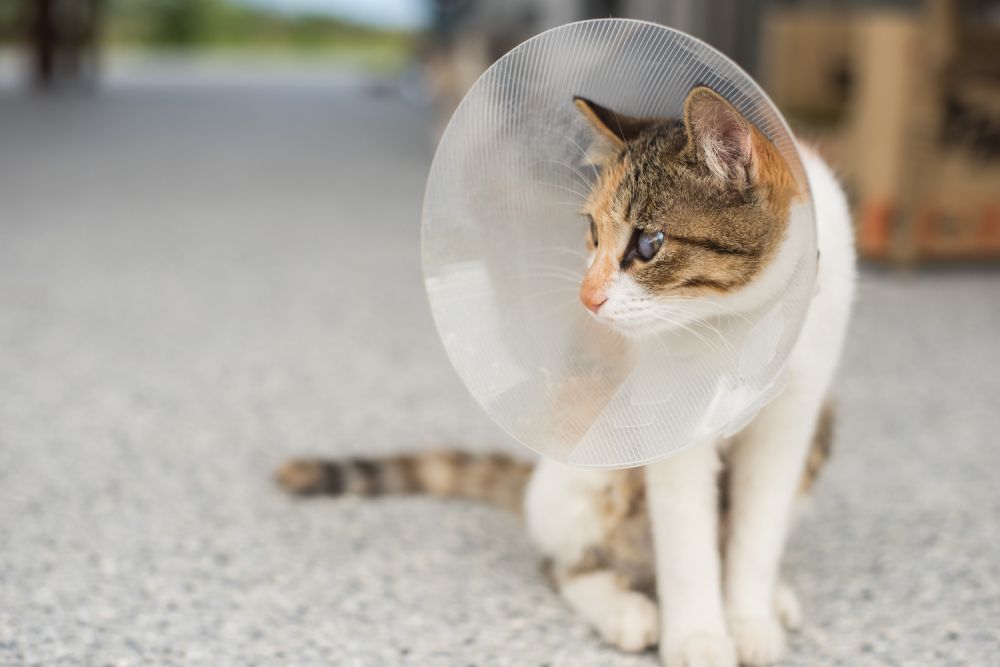
Most cats are groggy directly after surgery, but should be fairly well-recovered by the time they go home. You should always keep them in a supervised location where they are unable to lick or tamper with their stitches. It is important to ensure that a cat is inactive after the surgery, as it could rip out sutures or damage healing wounds.

The 6 Benefits of Spay & Neuter Surgery
It can seem that getting our cats altered is being discussed at every turn. But is it really worth all the hype? Before we get into any risk factors, let's go over all of the benefits of getting your cat spayed or neutered.
1. Population Control
One of the most obvious and crucial benefits of getting your cat sterilized is that they will no longer be able to reproduce. Homelessness is an epidemic across the entire world. Many feline companions were brought into homes and discarded all the same.
It is 100% human beings' fault that the cat population is out of control. While cats do have the upper hand over dogs, they still don't fare very well on the streets alone. Plus, they can significantly decrease the bird population if they are left to fend for themselves.
An estimated 7 million pets enter shelters yearly, and cats make up a little under half of that. If you get your cat spayed or neutered, you are ensuring that your animals cannot reproduce, and that you are not part of the problem.
Even feral cats that don't have owners will still be spayed or neutered if you bring them to the shelter. Many shelters offer trap-neuter-release programs, in which a cat is sterilized, its ear is clipped to mark the event, and the cat is sent back out into nature.

2. Reduction in Certain Cancers
Reproductive cancers among felines are not necessarily a common problem, but they are certainly linked to staying unaltered. So, essentially getting your cat fixed can eliminate the risk of certain reproductive cancers, potentially helping them live longer lives.
Specifically, this surgery eliminates the risk of ovarian and uterine cancers. With males, it reduces the risk of testicular cancers.
3. Elimination of Hormonal Behaviors
Cats are particularly dramatic when they don’t get fixed. Females that go into heat cycles will get incredibly affectionate and borderline annoying, constantly rubbing on you and everything else.
Males will get very territorial and aggressive with other male cats that they perceive as competition. Therefore, if you have an unaltered male in the home, they might beat up on your sterilized male if they think that he’s going to provide competition.
Cat hormones can lead to spraying, despite the sex of the cat. It's a common misconception that only male cats can spray. Both males and females can do this, and absolutely will as a way to attract a mate or mark their territory.
If you wait to get a cat sterilized and it has already started spraying, getting your cat altered will not change the behavior necessarily. It might reduce the urge, but often, once marking behavior has started, it can still happen after the surgery.
So, even getting spayed or neutered is not a fix-all in certain circumstances.

4. Decrease in Destructiveness
When cats are not spayed or neutered, they can be a little bit more wound up than others. This pent-up energy can transpire into all sorts of destructive behaviors, such as fabric shredding, inappropriate bathroom use, and a laundry list of other problem behaviors.
If a cat is spayed or neutered, it can tame down a lot of these feelings. Your cat can balance out and start to normalize, saving your belongings, and saving you a lot of headache.
5. End to Heat Cycles
As we already discussed, females in heat can be almost unbearable. While it's not their fault, their repetitive heat cycles are enough to drive any sane person crazy. Your cat will go from being a modestly tempered, sweetly affectionate cat to an attention-seeking lunatic.
While female cats don't bleed like dogs and humans, being in heat is comparable to their menstrual cycle. Any human female could attest to how challenging that time of month can be. So, it's no wonder that female cats undergo so many different personality changes when they aren't fixed.
After you get your cat spayed, all of these hormones will level out and you won’t have to worry about these cycles anymore.

6. Curbs Desire to Roam
Both males and females carry the desire to roam when they are in their reproductive cycles. Males seek females from quite an impressive distance and will absolutely go out of their way to try to find the cat in question.
This could mean that your male cat is trying to bolt out the door at every turn, which can lead to a lost or injured pet. Getting your male neutered can decrease the desire to roam and prevent them from trying to escape the house every 5 minutes.
The 3 Downfalls of Spay & Neuter Surgery
Even though it might sound like a no-brainer, everything has always downsides. Here are some of the downsides to consider with spay and neuter surgery.
1. Obesity
You might’ve noticed this one already. Anytime a cat is neutered, they may start to pack on the pounds. Neuter surgery can slightly alter your cat's metabolism, leading to noticeable weight gain if they don't get an appropriate diet and exercise. Since it removes many of the hormones related to mating, it can also decrease energy levels when these hormones take a backseat.
All things considered, you can understand why it could be easy for your cat to plump up. The problem is, once they start to gain weight, it can quickly lead to other health issues as a result. Many vets will highly recommend that you keep your cat's weight under control to avoid these problems.

2. Problems with Anesthesia
Anyone, human or animal alike, can have a negative reaction to anesthesia. This can cause anything from mildly concerning issues to life-threatening circumstances that ultimately can lead to death.
While it is rare, there is no proper testing that is ever available at any vet's office that can approximate the potential that a cat will have a bad response to anesthesia. If you have any questions about anesthesia-related complications during surgery, please ask your vet for clarification.
3. Surgical Complications
Just like risks from anesthesia, postoperative complications can occur after any surgery. This can range from simple, such as a seroma or benign swelling at the surgical incision, to prolonged or lack of healing at the surgical wound. Complications, though rare, can mean additional costs, or even repeated surgeries to address the issue.

When to Spay or Neuter
There seems to be a lot of confusion in the pet community about this very topic. Some kittens are spayed or neutered as early as 6 to 8 weeks of age. However, most veterinarians recommend that a cat be spayed or neutered when they are between 4 and 6 months old.
If you wait until later than this, behaviors such as spraying may have already started and it can be hard to prevent them even with spaying or neutering after this time. The risk of cancer is also only significantly reduced if spayed prior to their first or second heat (with the first heat leading to an even greater reduction in risks).
How Much Does It Cost?
The cost of spay or neuter surgery varies depending where you live. Neutering will also be cheaper than spaying because the neuter surgery is less invasive and less risky. But in some cases, pets may also have to stay overnight at the vet’s office which can increase the cost.
Vet offices can charge between $100 and $200 or more just for the surgery. However, many low-cost spay and neuter clinics charge a fraction of these prices. The good news is that spay or neuter surgery is generally readily available to most pet owners at affordable prices if budget is a concern.
What’s the Verdict?
So, ultimately, should you spay or neuter your cat? Only you and your vet can answer this question. It will greatly depend on your feline's overall health and a list of other criteria.
Ultimately, it is recommended that all cats should be spayed or neutered unless there is a medical reason for them not to be.
Conclusion
New research comes out all the time, making us second-guess the actions we're taking to improve the overall quality of our pet's lives. It seems that people have been advocating for spay or neuter surgery for years, and we rarely ever hear the downsides to it.
As always, we highly recommend consulting your veterinarian with any questions or concerns you might have before making your decision. After all, nothing beats the help of a health professional who knows your circumstances personally.
Sources
Featured Image Credit: elwynn, Shutterstock
Expert cat care, straight to your inbox
News, insights, and useful advice, delivered to you.

No spam — unsubscribe anytime.
By signing up, you agree to our Terms & Conditions and Privacy & Cookies Policy.
How useful was this post?
Click a star to rate. You can leave written feedback afterwards. (We read all feedback.)
As a freelance dog writer and passionate pet enthusiast, Ashley Bates is pursuing studies in animal therapy. A mother to four human children and 23 animal companions, Ashley is dedicated to volunteering at shelters, advocating for animal rights, and rescuing animals in need. Her goal is to spread awareness, provide education, and offer entertainment about pets to reduce homelessness. Ashley's specialties include dogs and cats.