Vets Urge Owners: Don’t Ignore Sweet Smell Coming From Cats


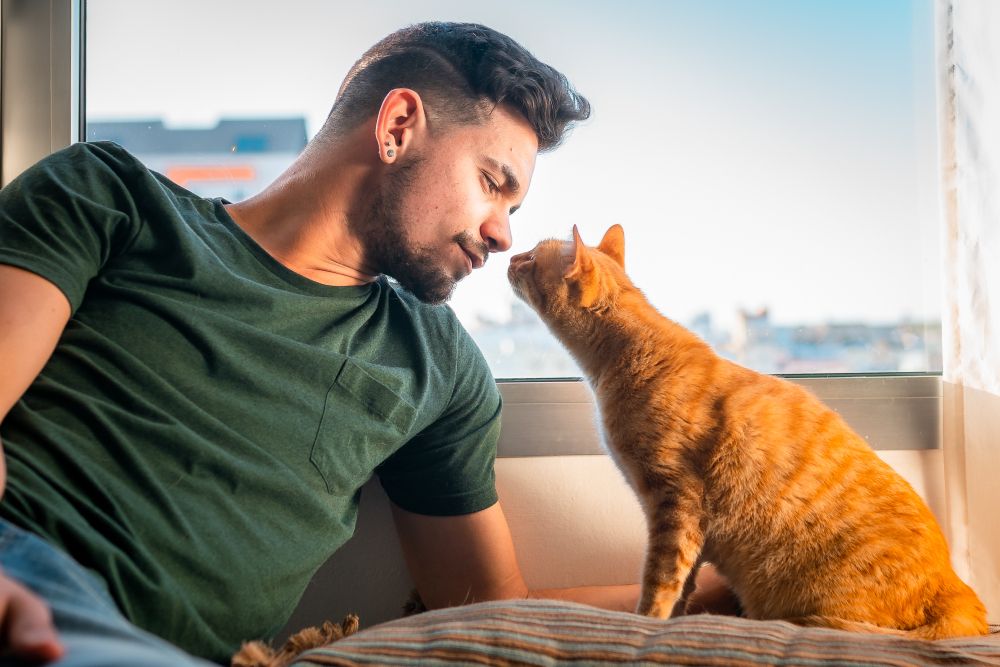
Cats are not particularly known for having a pleasant aroma. The occasional whiff of fishy cat breath and that unmistakable post-litter-box scent simply come with the territory. So when a cat suddenly smells sweet, almost like maple syrup, most owners would assume it is harmless, or even a little charming.
However, far from being charming, that unexpected sweetness can be a subtle yet significant health signal that is often ignored, precisely because it does not seem alarming.
Where the smell actually comes from
The sweet odor associated with maple syrup in cats most commonly originates from the breath, though it can occasionally come from the fur or skin. This distinction matters because each source points toward a different cause.
Breath that smells sweet or fruity is most often linked to a metabolic problem. When the body cannot properly process glucose for energy, it begins breaking down fat instead. That process produces chemical compounds called ketones, and ketones have a distinctly sweet, slightly acetone-like smell. It is the same mechanism behind the fruity breath sometimes noticed in people with uncontrolled diabetes.
In cats, this typically points toward one of two conditions:
1. Diabetes Mellitus
Feline diabetes is more common than many people realize. Research suggests that around 1 in every 200 cats will be diagnosed with the condition at some point in their lives, with obese cats at significantly higher risk.1 Most cats develop what is classified as type II diabetes, where the pancreas continues producing insulin, but the body's tissues cannot use it effectively for glucose metabolism.
The sweet-smelling breath is not simply a result of diabetes itself. It is the result of potentially deadly complications when diabetes goes undiagnosed or when an existing treatment stops working as effectively. Cats in this situation can enter a state called diabetic ketoacidosis, or DKA, a severe and potentially life-threatening complication. The fruity, maple-like smell on the breath is one of the signs, alongside lethargy, vomiting, weight loss, reduced appetite, and increased thirst and urination. DKA is a medical emergency and requires urgent veterinary attention.
2. Chronic Kidney Disease
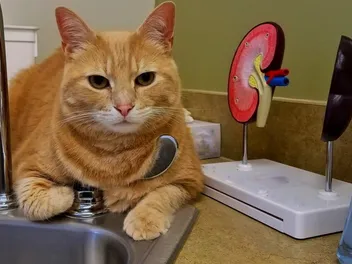
The second major cause of unusual sweet or altered breath in cats is chronic kidney disease (CKD), a condition that disproportionately affects older cats. Although younger cats are not immune, studies indicate that it affects an estimated 30 to 40% of cats over the age of 10, increasing to 80% in cats over 15.2
CKD involves a gradual decline in the kidneys' ability to filter waste products from the blood. Over time, those waste products accumulate, resulting in a condition known as uremia, which can give the breath a faintly sweet but distinctly unpleasant quality. In some cases, it can present as more of an ammonia-like smell rather than a fruity one. Either way, it is a sign of something serious.

When the smell is coming from the fur
Not every cat that smells sweet is dealing with a metabolic crisis. If the scent seems to come from the coat rather than the breath, the causes are generally less life-threatening, but still worth investigating.
Yeast infections and certain bacterial skin infections can alter the way a cat smells, with some producing a noticeably sweet odor from the fur. There is also the straightforward possibility that a cat has simply rubbed up against something fragrant. However, skin conditions that cause unusual odors can sometimes be secondary to a deeper systemic problem, which means a vet visit is still worthwhile even when the coat seems like the most likely source.
What cat parents need to know
A sweet smell emanating from your cat could be easily dismissed. It doesn’t seem like a clear warning sign, the way vomiting or limping might. But given that it is most commonly linked to either uncontrolled diabetes or advancing kidney disease, both of which benefit enormously from early intervention, it is worth taking seriously.
If the smell is coming from the breath, a vet appointment sooner rather than later is the right call. If it seems to be coming from the coat, a check-up is still a sensible step, particularly in older cats or those that have shown any other changes in behavior or habits. In any event, the underlying cause is far more manageable when caught early.
So if your cat smells sweet, don’t ignore it; check it.
Featued Image Credit: Magui RF, Shutterstock
Did You Know?
- Our brand-new posts are rounded up and included in our weekly emails. Don't miss out on the latest - sign up for our newsletter below!
Expert cat care, straight to your inbox
News, insights, and useful advice, delivered to you.

No spam — unsubscribe anytime.
By signing up, you agree to our Terms & Conditions and Privacy & Cookies Policy.
How useful was this post?
Click a star to rate. You can leave written feedback afterwards. (We read all feedback.)
Dan has been working in the pet world for over 4 years covering cats, dogs, and all other pets in between. He loves helping pet parents keep their companions happy, healthy, and of course, totally spoiled! Originally from London, Dan now travels and works remotely, which unfortunately means no pets at home, but it gives him plenty of opportunities to fuss over other people's furry friends.