Tooth Resorption in Cats: Signs, Causes & Treatment (Vet Answer)

In this article
Everyone who has owned a cat has had the dreaded dental disease conversation with their vet. And it should be no surprise to cat owners that cats have a type of dental disease that is particularly painful and problematic. For a reason that even scientists can’t explain, cats are also predisposed to another form of tooth decay called tooth resorption.
This article will discuss tooth resorption, what you can do about it, and how a veterinary dental procedure can help.

What Is Tooth Resorption?
Tooth resorption is a type of dental disease. Tartar, plaque, gingivitis, and periodontitis all occur in cats just like in humans and are all types of dental diseases, as is tooth resorption.
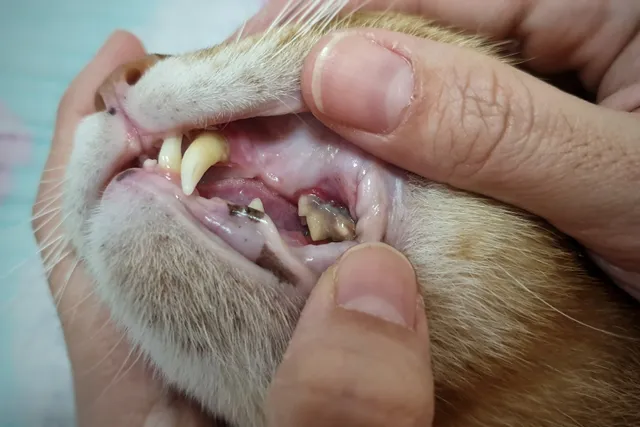
Tooth resorption begins with the loss of the architecture that holds the tooth in the jaw bone and the degradation of the surface of the tooth root itself. As it progresses, the hard materials that make up a tooth are softened and replaced with tissue that is more like scar tissue than a tooth.
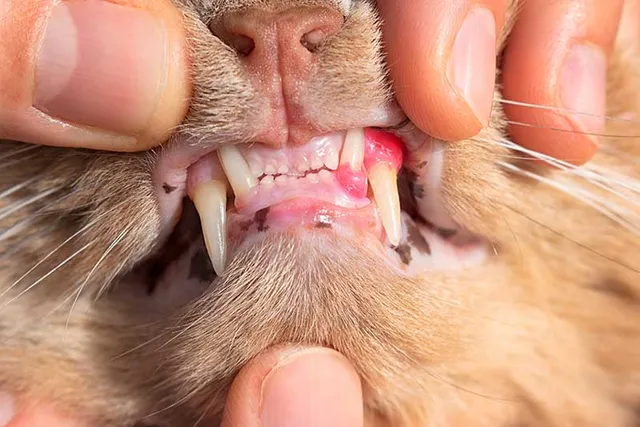
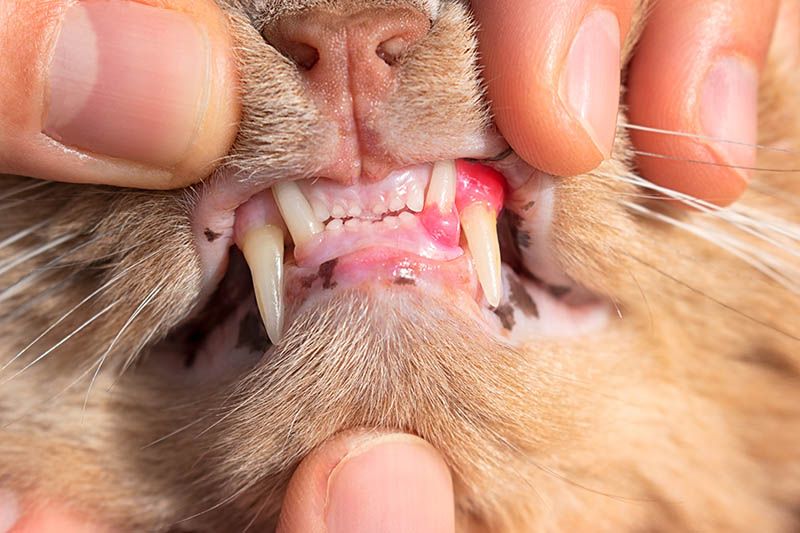
It ends up with the tooth itself almost dissolving away so the previously hard tooth gets softer, and the surrounding gums become inflamed and painful. The tooth can become so loose and soft that it barely structurally resembles a tooth anymore.

What Are the Signs of Tooth Resorption?
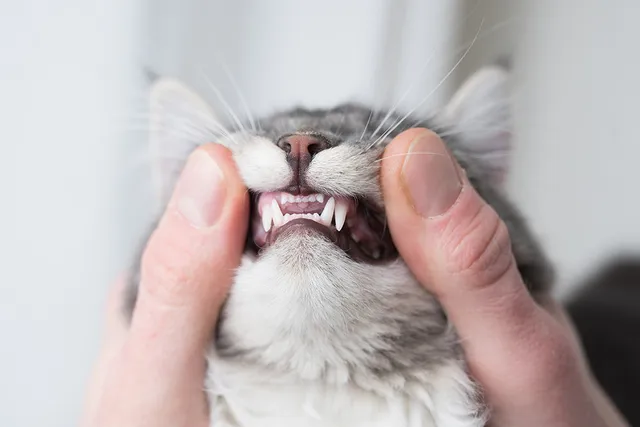
It is common for a cat to have tooth resorption without anyone knowing it for a long time. It is hard to identify cats who do not like to open their mouths. Plus, the signs of tooth resorption can vary immensely. A tooth can look perfectly normal from the outside, and only after professional dental tools and X-rays examine it will the full extent of the disease be apparent.
The molars—the cheek teeth—are usually the first to be diseased. However, they are particularly hard to see because they are so far back in the mouth. Since the tooth usually begins to be reabsorbed under the gums, at the root, you may be able to see the gingiva–the gums—turn bright red and inflamed as they react to the loss of the tooth underneath.
In the end stages of the disease, if it gets bad enough, cats can stop eating, start drooling, or paw at their mouths because of the pain.
Is your cat presenting any of these signs? We suggest you speak with a vet online.
What Are the Causes of Tooth Resorption?
The causes of tooth resorption can be related to dental disease or abnormal mouths. But in cats, it can also happen apparently spontaneously.
The following are some of the main causes of tooth resorption in cats:
- Idiopathically (without cause—or a known cause)
- Pressure on the tooth (often from surrounding teeth that are too close or also inflamed)
- Inflammation (often caused by gum disease-gingivitis)
- Tooth movement or instability

How Do I Care for a Cat With Tooth Resorption?
A cat with tooth resorption will need to have a full dental. You cannot fix a tooth being resorbed; it is too late. The tooth will just continue to get worse until it is removed.
You cannot fix dental disease at home. The only thing you can try to do is prevent it or possibly slow down its progression. Just about every cat will have some form of dental disease in their life, and slowing or delaying its onset is the only thing we can do at home.
Here are some things to do to slow it down:
- Tooth brushing
- Feeding dental treats
- Using dental additives in the water
- Feeding a dental diet food
All these things help delay the onset of dental disease. But if you do these things and your vet still says your cat has a tooth resorption, do not feel bad. Sometimes, you can do everything perfectly, and they still get it. Bring your cat to the vet every year for a tooth examination.
Frequently Asked Questions
What happens during a dental exam at the vet?
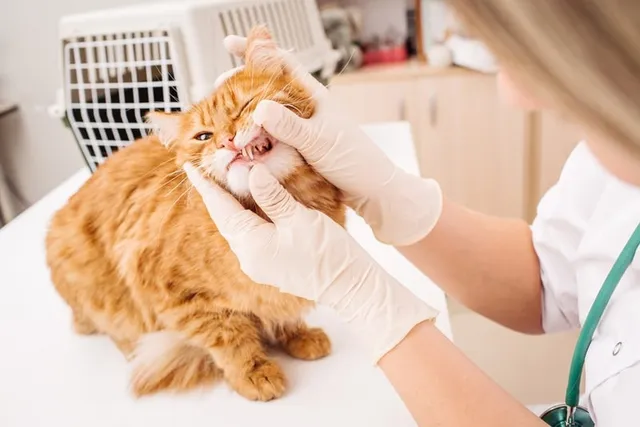
During a dental exam, a cat is placed under anesthesia. So that the vet can safely and thoroughly examine, clean, and possibly extract diseased teeth.
Each tooth is examined visually and with dental tools that explore under the gumline. X-rays are taken of some or all the teeth so that the roots under the gums can be examined and assessed.
Plaque and tartar are scaled off—scraped off with special dental tools. The tartar and plaque that is visible are scaled off, and the plaque that is sneaking under the gumline, causing gingivitis, is also scraped away. The teeth are then polished with a special cat-safe tooth polish, and teeth that need removal are extracted. They are pulled out from the root so the rotten root does not remain embedded in the jaw and cause further infection.
The cat is then woken up from anesthesia and monitored carefully to ensure they wake up fine and are not in any pain or complications.

How do I prepare for a dental exam?
Do not feed your cat in the morning. Most of the time, the vet will tell you when to stop feeding your cat. If they eat in the morning, they may be unable to go under anesthesia for their dental exam.
The vet may ask you to take their water away at some point in the morning. But follow their directions because they may want your cat to be able to drink if they need it.
Bring them to the vet in the morning at the time of your drop-off appointment. Make sure they are in a safe carrying cage that is comfortable and clean and will not fall apart if you pick it up.
How do I care for my cat after a dental exam?
When teeth are removed, tiny stitches may be put in place. And their mouth may be sore from the procedure. You may need to give them soft or wet food afterward. But if they just had their teeth cleaned, maybe avoid feeding them. Ask your vet, especially if your cat is a picky eater.
And your cat may go home with pain-relief medication. Be sure to give the pain medication following the timing prescribed by the vet. Painful mouths heal slower. A cat fussing at their painful mouth causes more damage. Give any other medications prescribed by your vet.
Monitor them carefully for at least three days after. Keep them confined indoors, where you can keep an eye on them and easily catch them if you need to. Keep an eye on how much they are eating and drinking.
Watch for the following complications:
- Not eating
- Not drinking
- Not pooping or peeing
- Bleeding from the mouth
- Drooling
- Excessive pain
Conclusion
Tooth resorption is one of the many different types of dental diseases that plague our pet cats. Preventing dental disease can be helpful, but it is not a guarantee that your cat will not have resorbed teeth. It will not guarantee that your cat will not need a dental exam. Getting a dental exam to fix resorbed teeth may be scary and stressful, but it is less scary and stressful than having a cat that suddenly refuses to eat or drink because of their painful mouth. Providing the best dental care for your cat will help them be able to crunch away at their food long into their happy life. See also:
Is Your Cat Losing Teeth? What’s Normal & When to Worry (Vet-Verified)
Can Cats Die from Tooth Resorption? Vet Reviewed Facts & FAQ
Featured Image Credit: Yaya Photos, Shutterstock
Expert cat care, straight to your inbox
News, insights, and useful advice, delivered to you.

No spam — unsubscribe anytime.
By signing up, you agree to our Terms & Conditions and Privacy & Cookies Policy.
How useful was this post?
Click a star to rate. You can leave written feedback afterwards. (We read all feedback.)
Dr. Chantal Villeneuve MS BVetMed (Veterinarian)
Dr. Chantal is passionate about the human-cat bond and improving pets' lives through their connections with their human companions. She has worked with almost every species of animal from dogs to guinea pigs, birds to amphibians, and even horses and mice - all are welcome. She is excited to use her writing to help people connect with their cats.