How Long Can a Cat Go Without Pooping? Vet-Verified Causes & Solutions

In this article
Cats are extremely routine-based animals, and if you watch them long enough, you will notice that they do certain things at the same time each day and can be accurate even down to the minute. This is so true that doctors recommend giving your cat a treat at the same time that you need to take medication because the cat will come looking for their treat at the same time the next day and every day after, helping you to remember to take your pill!
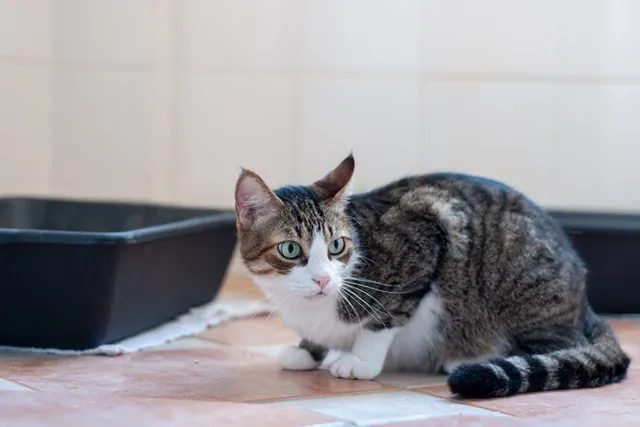
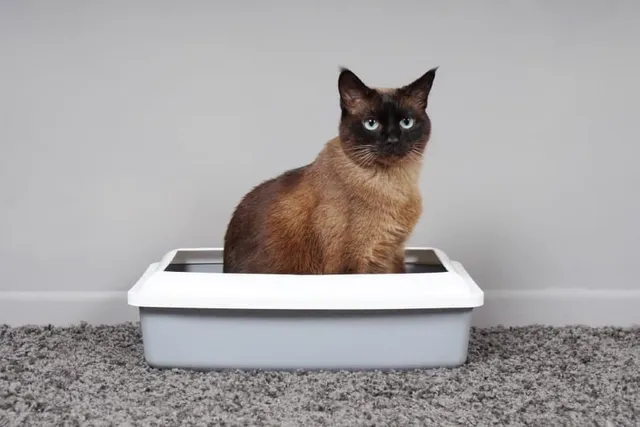
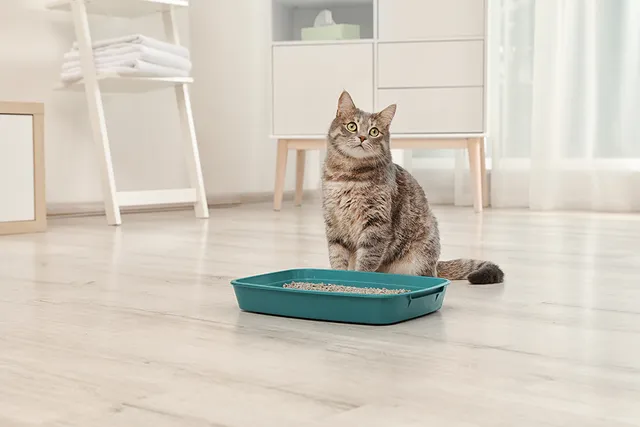
Since cats are so routine-based, most owners notice when their pets have not used the litter box in a while. If this is happening to you, you are probably wondering how long your cat can go without pooping. The answer is about 2 days. Any longer than that, and it could be a sign that there is a problem. So, continue reading, as we talk more about what the problem can be and how you might be able to remedy it before you need to go to the vet.

How Long Can Cats Hold Their Poop?
The answer to how long a cat can hold their poop and pee depends largely on the cat and what they have been eating or drinking. Larger cats might go less often than smaller cats, and if a cat eats smaller meals throughout the day, they will go less often than if they eat one big meal at a time. Age, stress level, and type of food can also affect how frequently your cat visits the litter box. However, if it's already been 2 days, it's time to start getting concerned, and it means your cat is probably constipated.

Can Constipation Kill My Cat?
There are three types of constipation, and we need to look at each one to know if they are deadly for your cat.
1. Cat Constipation
It might not sound like fun, but it's important to keep an eye on your litter box as you clean it each day. The poop should be brown, well-formed, and sausage-shaped. If the poop is lighter colored and loose or runny, your pet is experiencing diarrhea, which could be a sign of a bacterial infection, like Salmonella. Many cats are lactose intolerant but love milk and yogurt, which can also lead to runny poop.
Conversely, if the poop is dry, hard, lumpy, cracked, or in small pieces, then your cat is suffering from constipation, and you need to get them hydrated before the problem becomes worse. It is common for cats of all ages to become constipated since many cats don't like to drink water, but it's more common in cats more than 8 years old and overweight cats. Luckily, constipation can often be treated without needing medical attention.

2. Cat Obstipation
Obstipation is a more serious condition where the fecal matter has blocked the colon and become compacted. Obstipation will require medical treatment from a veterinarian, and letting this condition go too long can result in the death of your cat.
3. Cat Megacolon
Megacolon is another serious condition that can result in a cat's death if they don't receive medical treatment. Cats with megacolon have nerve and muscle damage to the colon. The colon does not pass the fecal matter to the rectum as it would normally, and fecal matter starts accumulating and expanding this organ's diameter up to 3 or 4 times its normal size. This condition is very painful for your cat and requires medical intervention, as it can be fatal. Unfortunately, megacolon tends to become a recurrent problem in cats suffering from it.
What Home Remedy Can I Give My Cat for Constipation?
Since there is no way to check for megacolon or obstipation without visiting a vet, there are a few things you can try to see if you can get your cat in the litter box again. If it’s been more than a day that your cat has gone without pooping or you notice crumbly poops, we recommend trying one of these remedies. If you don’t see results by the third day, we recommend calling the vet. If your cat is experiencing other signs, like a refusal to eat or lethargy, please do not wait, and visit the veterinarian as soon as possible.
Wet Cat Food
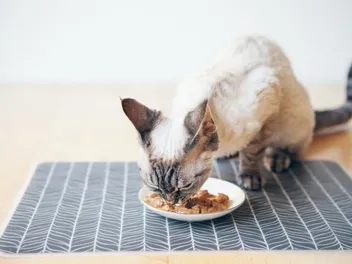
If you notice your cat frequently has crumbly or broken poops, you can try to alleviate the issue by adding more moisture to their diet. One of the best ways to hydrate your cat is to give them canned food instead of crunchy kibble. Wet food has a high moisture content, so it's a great tool for constipation. However, keep in mind that when feeding wet food to your cat, regularly brushing their teeth is very important, especially if they are already prone to dental problems.

Cat Fountain
Cats usually do not like to drink standing water. It may be because standing water collects germs in the wild, and it can also be hard for them to see. One solution is to get your cat a water fountain. Water fountains create movement, so the cat will hear it and come to look at what it is and will often drink much more than they ordinarily would.
Fiber
You can also help keep your cat's digestive system regulated by adding fiber to their diet. Foods that contain real fruits and vegetables in their ingredients will provide your cat with extra fiber. If your cat will eat it, plain boiled pumpkin purée or organic canned pumpkin can add fiber and regulate your cat’s bowel movements. Alternatively, some cat food comes with added pumpkin in the recipe.
Psyllium Husk
Psyllium husk is the crushed husks of the Plantago ovata plant’s seeds. This fiber expands and becomes a gel-like substance when it has contact with water or moisture. It works by softening the stool and helps in lubricating the gastrointestinal tract, and the added bulk also encourages bowel movements, making it a great natural laxative. Start slowly adding ¼ teaspoon of plain, flavorless, and natural psyllium husk to your cat’s wet food. You can gradually increase that amount to a maximum of 2 teaspoons twice a day. Your cat must drink water during this treatment.
Medication
We recommend only giving medications to your pet after speaking with a vet to get the proper dosage. Your doctor will need your cat's age and weight to prescribe the appropriate dose of any medication. Too much of a commercial laxative can harm your cat.
Conclusion: How Long a Cat Can Go Without Pooping
If your cat hasn't used the litter box in more than 2 days, we recommend calling the vet to get a recommendation. Constipation can become serious pretty quickly, so it's best to stay on top of it. Usually, your cat will show dehydration signs, like cracked or broken poop, which can clue you in that a problem is developing. If you see these signs, we recommend purchasing high-fiber dry cat food and a fountain to convince your cat to drink more water. If you already do these things, we recommend adding pumpkin to their diet and temporarily switching to wet food to see if things improve.
Related Read:
Featured Image Credit: Oleg Opryshko, Shutterstock

Expert cat care, straight to your inbox
Vet-reviewed advice, behavior tips, and the best of Catster. Free, and you can unsubscribe anytime.
By signing up, you agree to our Terms & Conditions and Privacy & Cookies Policy.
Christian started writing for a local newspaper as a teenager, and he's been involved in the publishing industry for most of his adult life. Combining his love of writing with a passion for animals, he is currently the Director of Editorial at Pangolia and the Editor-in-Chief at Catster.
Christian lives in the Philippines with his wife, son, and four rescue cats: Trixie, Chloe, Sparky, and Chopper.
Join the conversation
Ask a question, share your story, or send private feedback.