Lymphoma in Cats: Causes, Signs & Care (Vet Answer)

Lymphoma, or lymphosarcoma, is the most common cancer affecting cats. It is a malignant type of cancer affecting the lymphatic system, a network of vessels, nodes, tissues, and organs supporting various bodily functions, including the immune system.
This article will cover more details about this cancer, the signs and causes, and what you can do if your cat gets diagnosed.

What Is Lymphoma?
Lymphoma is a type of cancer of the lymphocytes, a type of blood cell involved in the immune system. This type of cancer also represents an estimated 30% of all new feline cancer diagnoses. Feline lymphoma is closely connected with feline leukemia, a viral infection known as FeLV.
Feline lymphoma is a systemic malignant cancer that affects the lymphatic system and appears most commonly in three sites in cats:
- Intestinal (gastrointestinal or “GI”) lymphoma is lymphoma of the gastrointestinal tract. This is the most common type of lymphoma seen in cats, accounting for 50–70% of feline lymphoma cases. Most gastrointestinal lymphoma cats are senior cats over 9 years old.
- Mediastinal lymphoma is lymphoma of the lymphoid organs (e.g., lymph nodes or thymus) in the chest. Most cats with mediastinal lymphoma are young cats affected by the feline leukemia virus (FeLV).
- Renal lymphoma is lymphoma of the kidney wherein normal kidney cells are replaced by cancerous cells, leading to signs of kidney failure. Renal lymphoma is also associated with FeLV infection.
Other types of lymphoma can also occur in cats, including lymphoma of the lymph nodes, brain, nose, and other areas of the body.
What Are the Signs of Lymphoma in Cats?
A cat with lymphoma can present with a variety of signs, depending on what organs are involved. Since intestinal lymphoma is the most common version of feline lymphoma, cats often present with clinical signs associated with their gut.
Many cats experience the following:
- Weight loss
- Vomiting
- Diarrhea
- Issues with appetite (a loss or increase in appetite or experiencing no change)
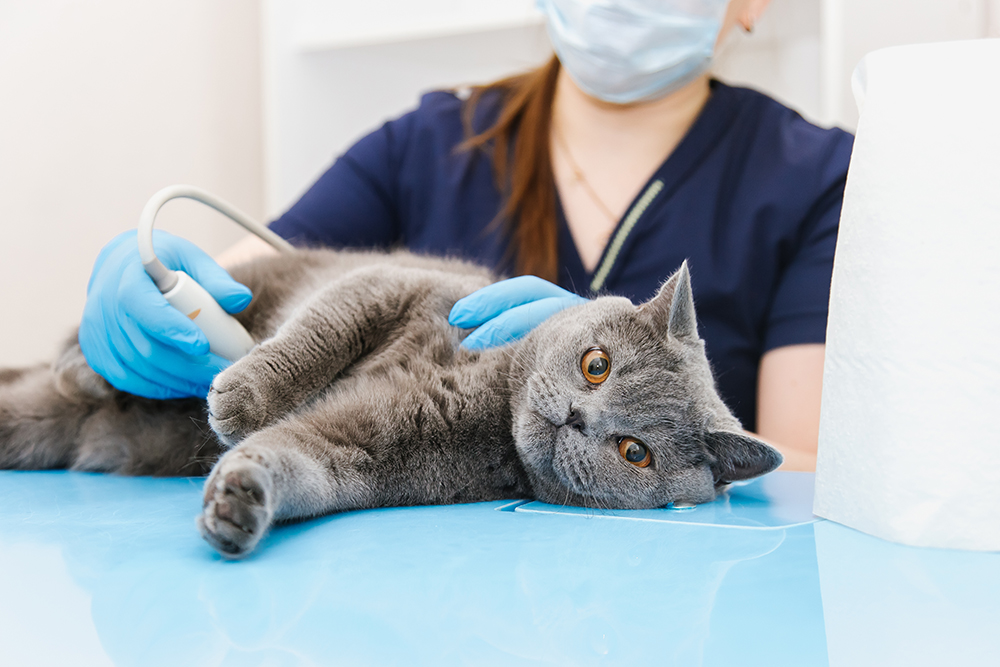
Bloodwork is often normal in cats with gastrointestinal lymphoma, but abdominal ultrasounds may show abnormalities throughout the intestinal tract (e.g., areas of thickening or discrete masses). However, some cats with gastrointestinal lymphoma can actually appear normal on an abdominal ultrasound.
A cat with mediastinal lymphoma usually experiences respiratory/breathing problems since the cancer occurs in the chest. Many times, mediastinal lymphoma leads to an accumulation of fluid within the chest, making it very difficult for a cat to breathe normally.
For cats with renal lymphoma, the most common signs associated with kidney failure include:
- Poor appetite
- Weight loss
- Increased thirst
- Increased urination
- Vomiting
Consulting a veterinarian is recommended if you have any questions or concerns about your car's health and well-being.
What Are the Causes of Lymphoma in Cats?
Scientists don’t fully understand the exact cause of feline lymphoma; however, several risk factors have been identified to be associated with lymphoma. These risk factors include:
- Feline Leukemia Virus (FeLV): FeLV suppresses the immune system and can increase the risk of an infected cat developing lymphoma.
- Feline Immunodeficiency Virus (FIV): FIV also weakens a cat’s immune system and can increase the risk of lymphoma.
- Age: Lymphoma typically shows up in older cats with an average age of 10 years at the time of diagnosis.
- Environmental Factors: Environmental factors such as second-hand tobacco smoke can put a cat more at risk for feline lymphoma.
How Do I Care for a Cat With Lymphoma?
Feline lymphoma is usually treated with chemotherapy or anti-cancer medications. In cases of low-grade lymphoma, cats can be treated with a steroid (prednisolone) and an oral chemotherapy drug (chlorambucil). In the case of high-grade lymphoma, cats are often treated with a series of chemotherapy injections.
Cats tolerate chemotherapy much better than humans, so cats undergoing chemo don’t often appear to have side effects from the medications. The most common side effects for cats undergoing chemotherapy include vomiting, diarrhea, and decreased appetite. These side effects are rare and usually only affect about 10% of feline patients.
Depending on the site of the lymphoma, surgery and/or radiation therapy may also be recommended for a cat with lymphoma. In most cases, though, surgery or radiation are not ideal options due to the location or extent of the disease.
In some cases, chemotherapy is not a reasonable option due to the cat’s advanced illness or the owner’s finances. In these situations, treatment with steroids (prednisolone) can be used for palliative or hospice care. Owners must understand that steroids help to reduce inflammation and associated clinical signs but do not directly cure the disease.
Cats with lymphoma can also receive other supportive treatments to manage their symptoms, including hydration therapy, nutritional support, anti-nausea medications, and appetite stimulants.

Frequently Asked Questions (FAQ)
How is lymphoma diagnosed in cats?
A veterinarian can use a variety of diagnostic tests to diagnose a cat with lymphoma. Often, baseline blood and urine tests are performed, as well as imaging (X-rays and ultrasound). A small “fine needle aspirate” biopsy can be obtained of abnormal tissue such as an enlarged lymph node, thickened intestinal wall or mass within the intestinal wall, or fluid accumulating in the chest. Sometimes, this test is enough to diagnose lymphoma.
Occasionally, this type of test cannot be performed due to the location of the tissue, or the sample itself ends up being inconclusive. In such cases, a veterinarian may decide to perform surgery to take a larger sample or to remove the abnormal tissue. In the case of gastrointestinal lymphoma, a definitive diagnosis is sometimes achieved through a biopsy of the intestines performed during abdominal surgery.
Once lymphoma is diagnosed, the pathologist can determine if the type of lymphoma is considered high-grade or low-grade based on the characteristics of the cells present in the sample. Low-grade lymphoma has a better prognosis and is more likely to respond to chemotherapy medication.
Following a lymphoma diagnosis, a veterinarian can also perform additional testing to further characterize the cancer to create a more specific treatment plan for the cat.

What is the prognosis for cats with lymphoma?
The prognosis for feline lymphoma is dependent on the type, location, and extent of lymphoma, the cat’s co-infections (e.g., with FeLV or FIV), how sick they are at the time of diagnosis, and how soon treatment can be initiated. Fortunately, most cases of feline intestinal lymphoma (the most common type) are low-grade lymphoma. Most cats (about 70%) who are treated for this type of lymphoma go into remission from the disease.
Cat owners need to understand that feline lymphoma is never completely cured, but remission can be achieved. With treatment, remission for low-grade lymphoma can be, on average, from 2–3 years. For high-grade lymphoma cases, cats typically do not respond well to treatment. Cats with high-grade lymphoma achieve remission at a much lower rate (25–50%) compared to low-grade cases. Even when they do reach remission, it typically only lasts between 2–9 months.
Conclusion
Feline lymphoma is one of the most common cancers in cats. With early diagnosis, many cats can achieve remission following treatment initiation. If you suspect your cat may have lymphoma, it is important to consult a veterinarian for evaluation and testing.
Sources
Featured Image Credit: PRESSLAB, Shutterstock

Expert cat care, straight to your inbox
Vet-reviewed advice, behavior tips, and the best of Catster. Free, and you can unsubscribe anytime.
By signing up, you agree to our Terms & Conditions and Privacy & Cookies Policy.
Dr. Kelly DeBaene, DVM MPH (Veterinarian)
Dr. Kelly DeBaene is a small animal veterinarian with over 10 years’ experience working in general practice and animal shelters in the Netherlands and the United States. She holds a DVM and MPH from the University of Illinois and is board-certified with the American College of Veterinary Preventive Medicine. Kelly is a cat lover, One Health advocate and enjoys spending time with her family and her cat, Murray.
Join the conversation
Ask a question, share your story, or send private feedback.