Will My Cat Hate Me After the Vet? 8 Vet-Reviewed Tips to Avoid It

In this article
Veterinarian appointments are common events that cat owners dread. After all, it involves putting your kitty into carriers and hauling them into a car, followed by sitting in a cold, sterile environment with a bunch of unfamiliar animals and people.
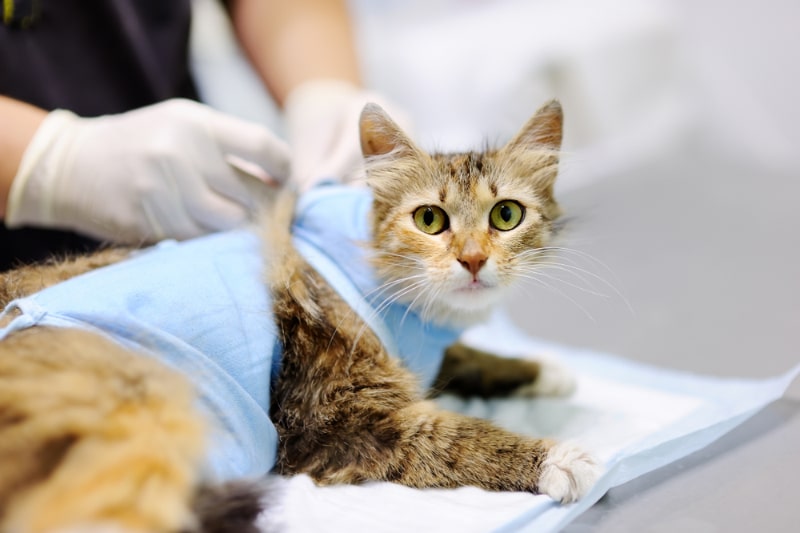
Then, your cat is poked and prodded, given shots, and then brought home in that dastardly car again. You may fear that your cat will start to dislike you after giving them such a hard (but necessary) time.
We totally get it! Vet visits are essential to keep your cat’s health to optimal condition. Fortunately, we have tips for de-stressing the entire process, along with advice on how to handle your cat once you arrive back home.

The 8 Tips to Make the Vet Visit Enjoyable for Your Cat
Going to the Veterinarian
There are a few things that you can try that might help reduce your cat’s stress about going to the vet. Even a little decrease is a good thing.
1. Have the Right Carrier
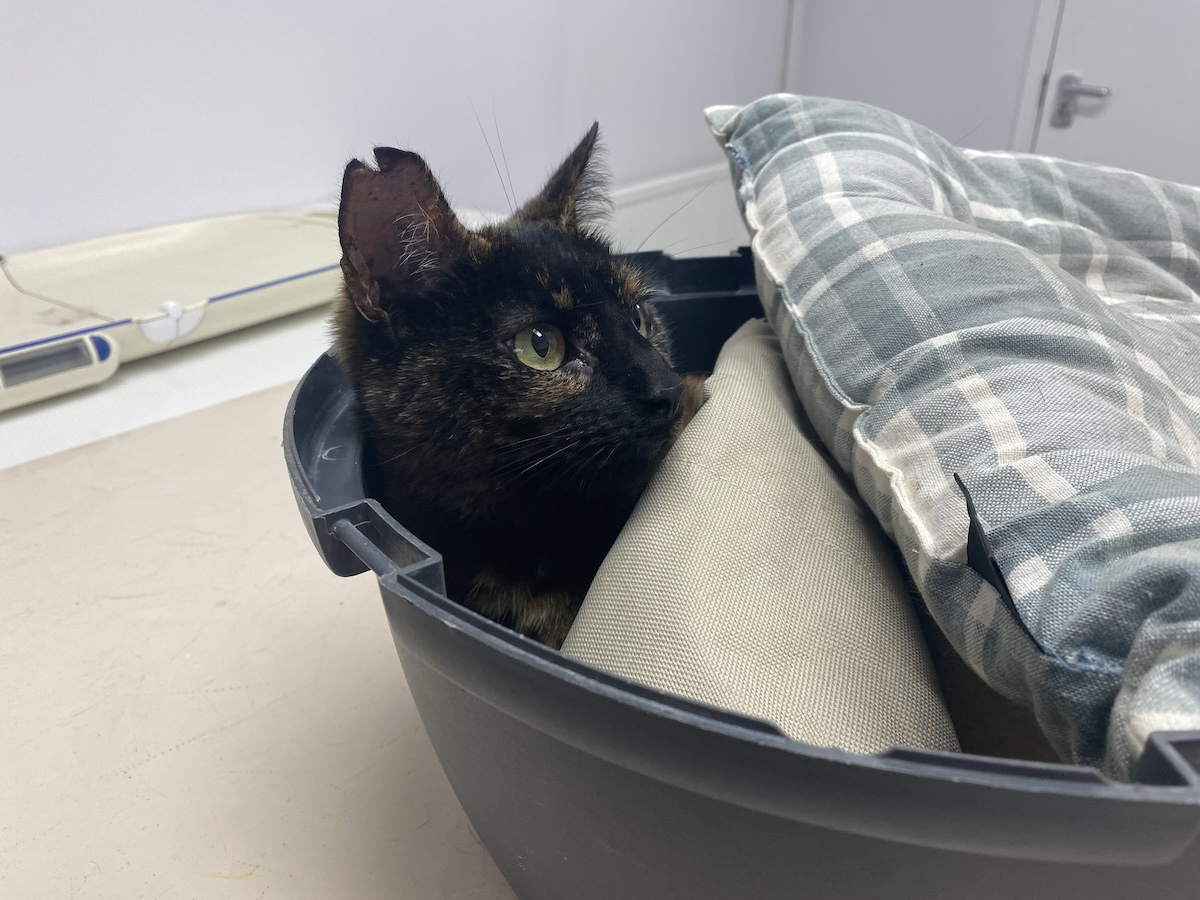
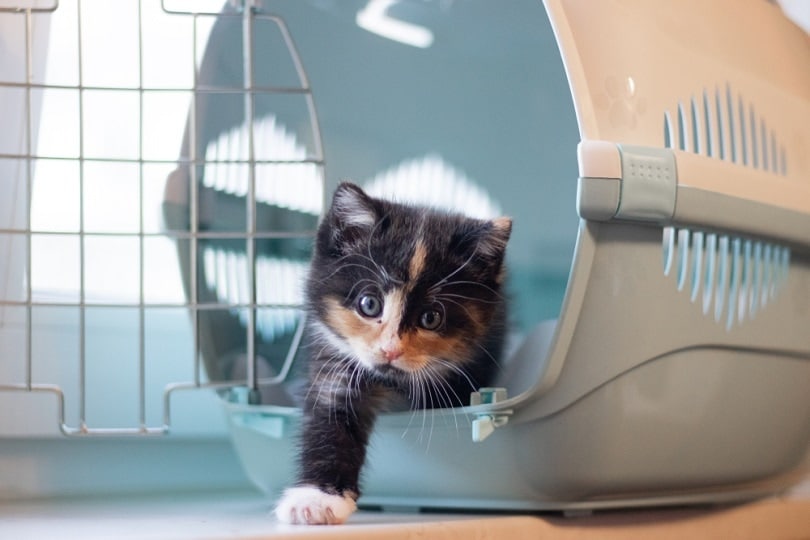
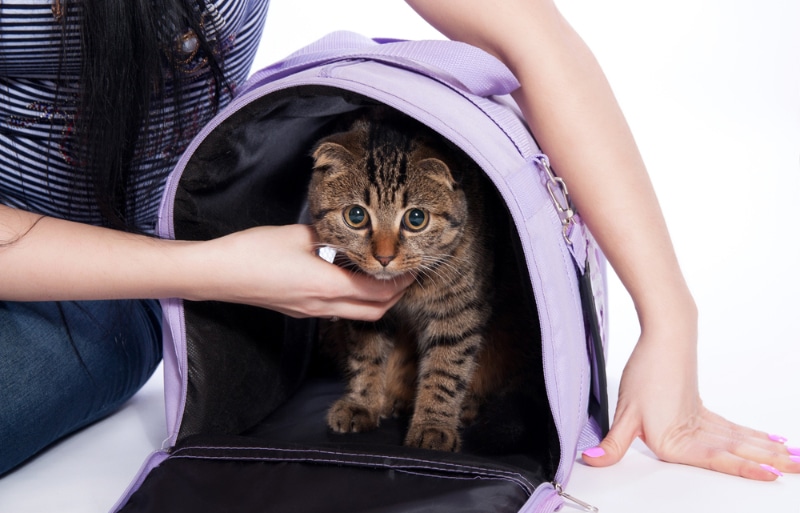
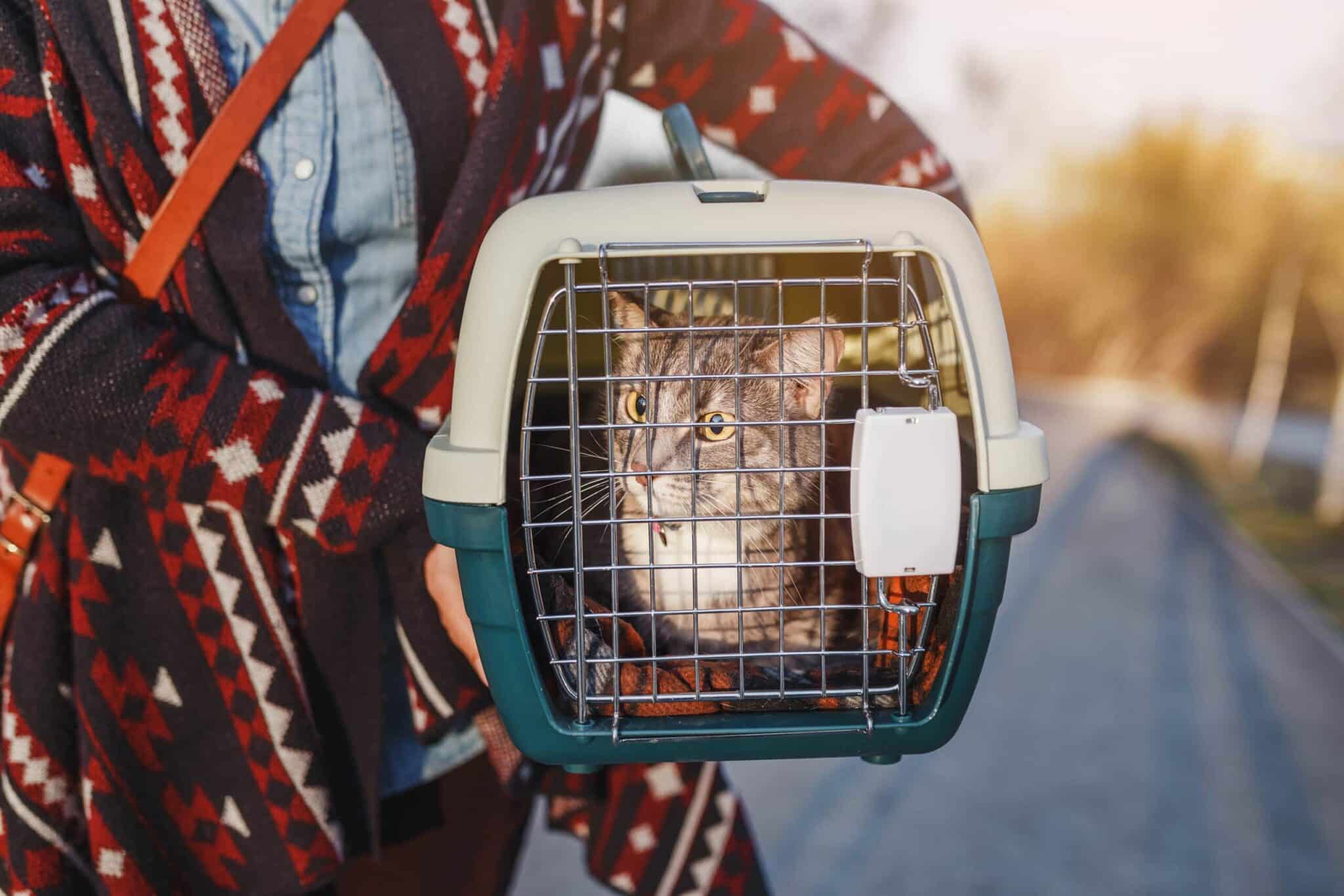
The carrier is a huge part of what can make the trip less or more stressful. It should be a hard-sided carrier with both front and top-loading doors. This makes it easier to get your cat into the carrier, and it can enable your vet to treat your pet through the top opening while they stay inside the carrier, if that’s necessary.
It should be large enough for your cat to enter and comfortably turn around in but not so large that they will slide all over the place.

2. Prepare the Carrier
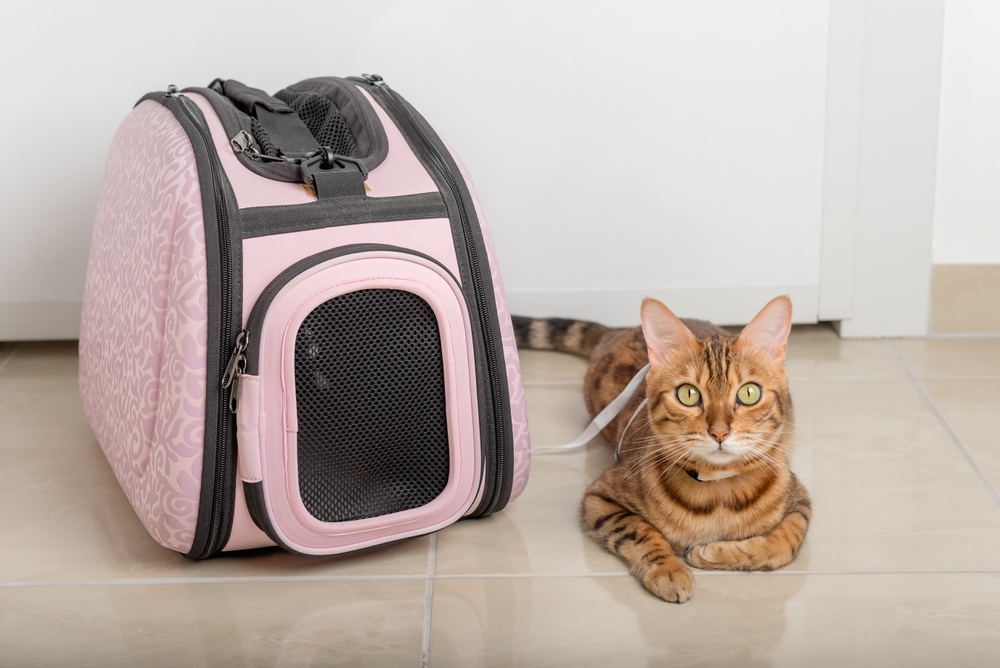
Once you have the carrier, place it somewhere your cat can easily access it and leave the doors propped open so your cat can come and go as they please. Place a few treats and a blanket or another soft thing inside so your cat will view the carrier as a safe and appealing place to rest.
You can also try using a pheromone spray like Feliway, which is designed to calm cats in certain situations. Spray it on the blanket and place it in the carrier, but be sure to do this about 20 to 30 minutes before you leave for the appointment.
3. Get in the Car
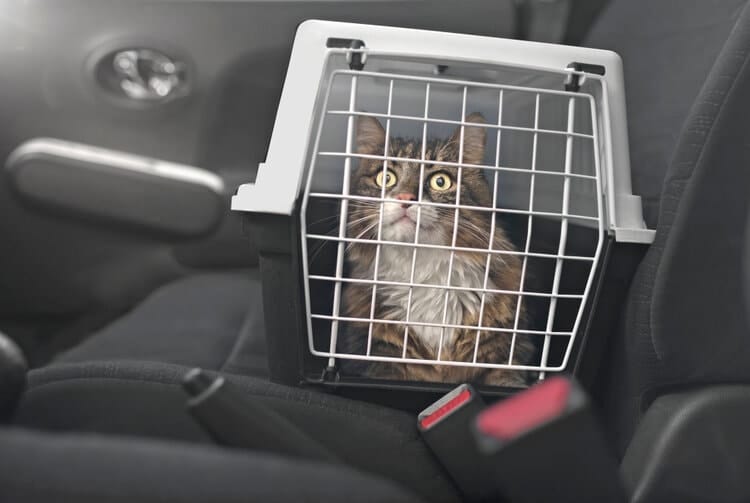
Try to get your cat in the carrier with as little fuss as possible. In the car, put the carrier in the footwell or on the seat next to you with a seatbelt. If you have a friend or family member coming with you, they can hold the carrier to prevent any sliding around.
Cover the carrier with a blanket so your cat isn’t overstimulated, and try to drive as smoothly as possible. However, safety comes first, of course.

4. Wait at the Veterinary Clinic
If your cat is particularly anxious about being at the vet and fears dogs, look for a cat-only or cat-friendly clinic. Some clinics are set up for fearful cats, so you might want to opt for one of these. If none are available in your area, call ahead to the clinic to check on the waiting time.
If you arrive and there are dogs in the waiting room, ask to wait in your car and have staff retrieve you when you can enter the exam room.
For cats that are excessively stressed and difficult to handle, your vet can give you a sedative for your cat before you arrive.
5. Respond During the Exam
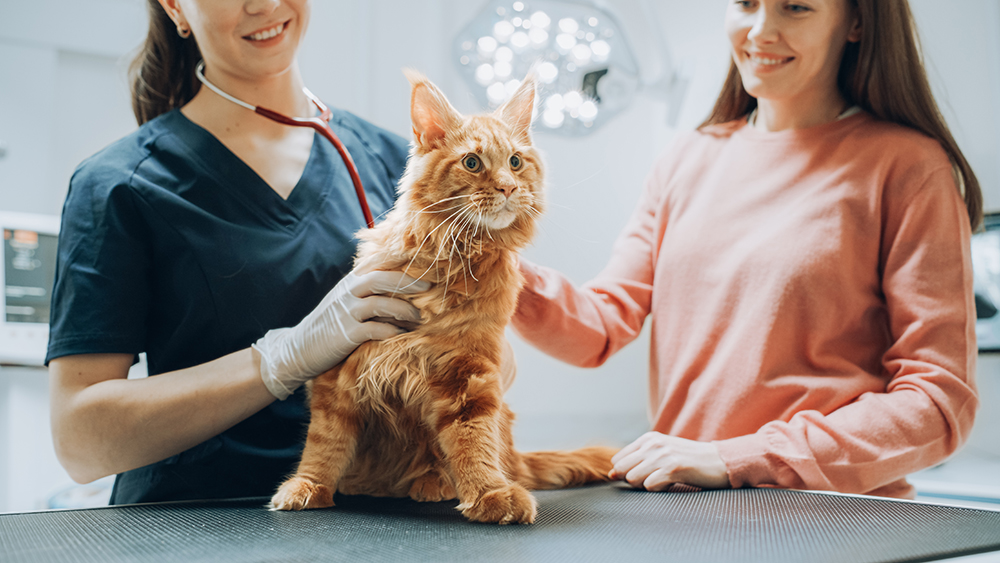
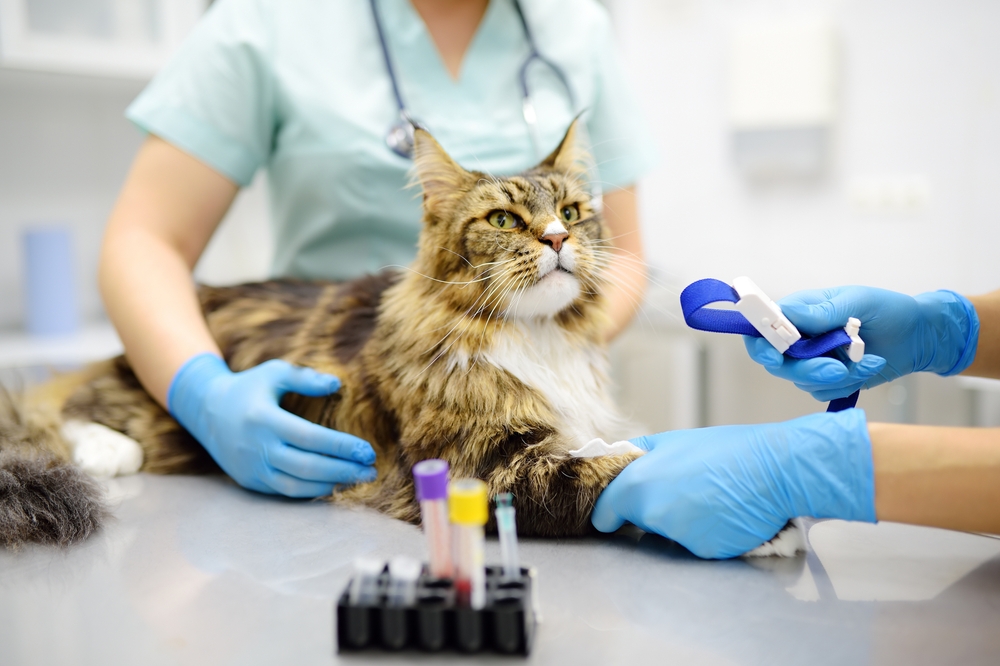
This is when having a cat-friendly vet can work to your advantage. Your vet and the staff should all have experience handling anxious cats and know how to restrain them without hurting or scaring them.
If you have a carrier, your vet might be able to examine your cat while they’re inside it. The less stress during the exam, the less anxious your cat might be in future appointments.
Going Home
Now that the appointment is over, you need to bring your stressed-out cat home.
6. Get Back in the Car
Being in a scary car after being in a scary place can be overwhelming for many cats. Cover the carrier with a blanket, ensure that it’s secure, and try to drive smoothly.
7. Give Your Cat Time
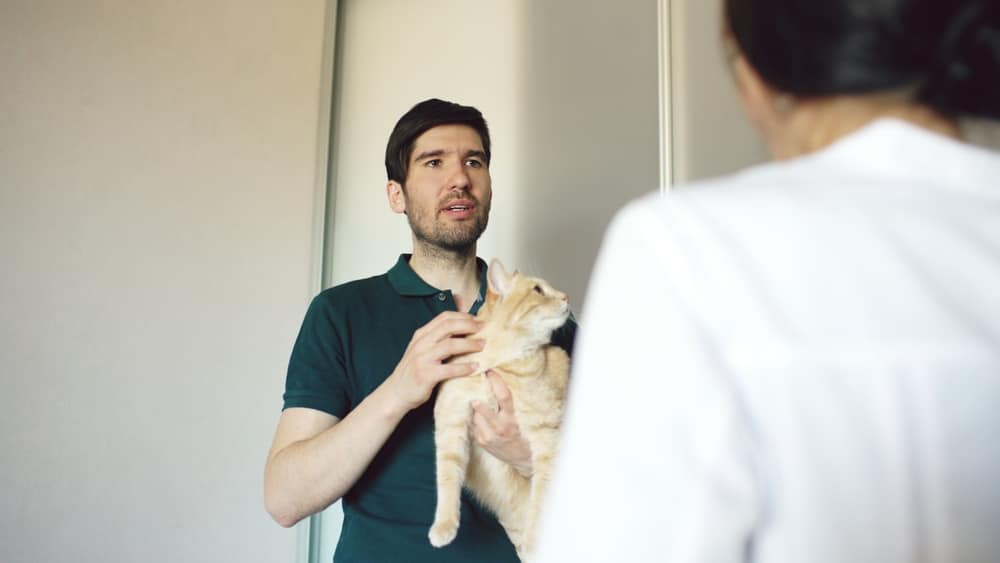
Once you’re home and your cat is out of the carrier, they might initially be skittish around you. Unfortunately, it’s practically impossible not to be seen as the bad guy in this situation. But don’t force any interactions with your cat if they seem to want alone time. If they come to you for attention, great! Otherwise, leave them alone until they are ready to show you love again.
Try giving your cat a few of their favorite treats (most cats can’t resist lickable treats!), and talk to them in a reassuring way.
Don’t worry, your cat will still love you just the same once they’ve calmed down. Giving them time to decompress will definitely help.

8. Remain Calm
Throughout the entire process—going there, doing the appointment, and arriving back home—your cat should see you act and feel as relaxed as possible. It’s a challenge when the entire situation is stressful for you too, but your cat will pick up on your mood. An anxious owner will likely have an even more anxious cat.
Just be aware of your body language and voice when talking to your cat and the vet.
What Are the Signs That Your Cat Is Traumatized?
As the owner of your cat, you should likely be able to tell when your cat is upset and even traumatized. But the following signs are indications that your cat needs time to recover from the experience:
- Hiding: Cats that go into hiding are incredibly stressed, particularly if they’re hiding in a space they don’t usually go, like under the bed or squished next to the toilet.
- Loss of Appetite: Most cats lose their appetite for a few days after a stressful event. This is where using high-value treats (like lickable treats) can help entice them out of hiding or encourage them to eat. Try a can of tuna if nothing else is working.
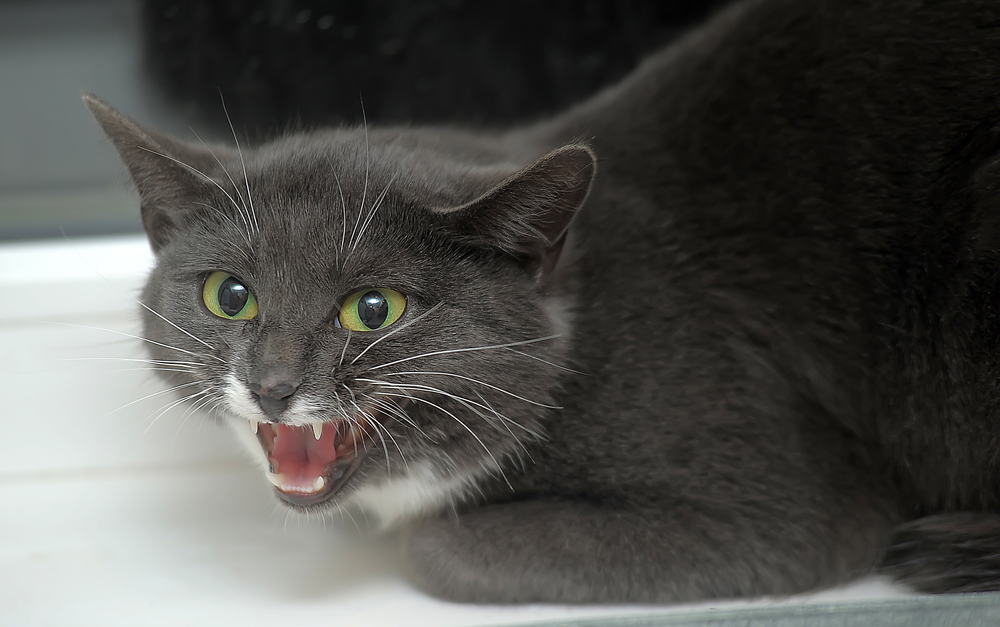
- Aggression: Stressed cats can act out aggressively, which is another reason that it’s best to leave them alone until they feel ready.
Depending on your cat, it should only take them a part of the day to return to their usual self. But it might take a few days for other cats.
If your cat seems shaken and appears to be taking longer to go back to normal than usual, don’t hesitate to call your vet.
Alternate Options
Instead of taking your cat to the vet, our vet team at PangoVet are on hand to offer online vet services from the comfort of your own home. This will prevent any distress for your cat and saves the hassle of taking them out the house.
Need veterinary advice but can’t get to the clinic? Catster recommends PangoVet, our online veterinary service. Talk to a vet online and get the answers and advice you need for your cat without having to leave your living room — all at an affordable price!

Conclusion
Technically, your cat doesn’t hate you for bringing them to the vet. It is not an experience they normally enjoy, but they will get over it and remember how much they love you.
Your cat just needs time to calm down and realize that they are safe. As tempting as it is to try to make friends with your cat, it’s best to wait for them to come to you when they are ready.
As long as you leave the carrier out at all times and follow the rest of these tips, the trip to the clinic might become less stressful overall, which will help both you and your cat through this necessary ordeal.
See also:
Featured Image Credit: Yana Vasileva, Shutterstock

Expert cat care, straight to your inbox
Vet-reviewed advice, behavior tips, and the best of Catster. Free, and you can unsubscribe anytime.
By signing up, you agree to our Terms & Conditions and Privacy & Cookies Policy.
Kathryn was a librarian in a previous lifetime and is currently a pet writer. When she was a child, she hoped to work in ZOOs or with wildlife in some way, thanks to her all-consuming love for animals. Sadly, she's not strong in the sciences, so she fills her days with researching and writing about all kinds of animals and spends time playing with her adorable but very naughty tabby cat, Bella. Kathryn is hoping to add to her family in the near future – maybe another cat and a dog.
Join the conversation
Ask a question, share your story, or send private feedback.