What Vaccines Does My Cat Need? Our Vet Explains the Vaccine Schedule From Kittens Up

In this article
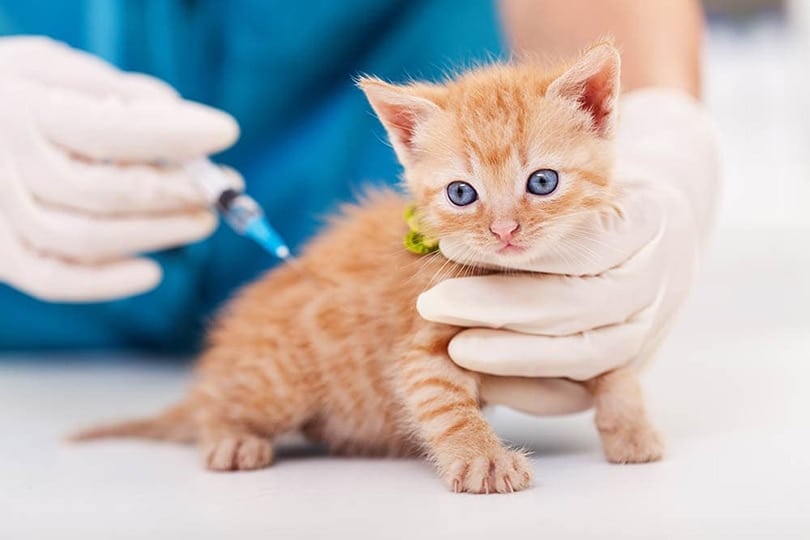
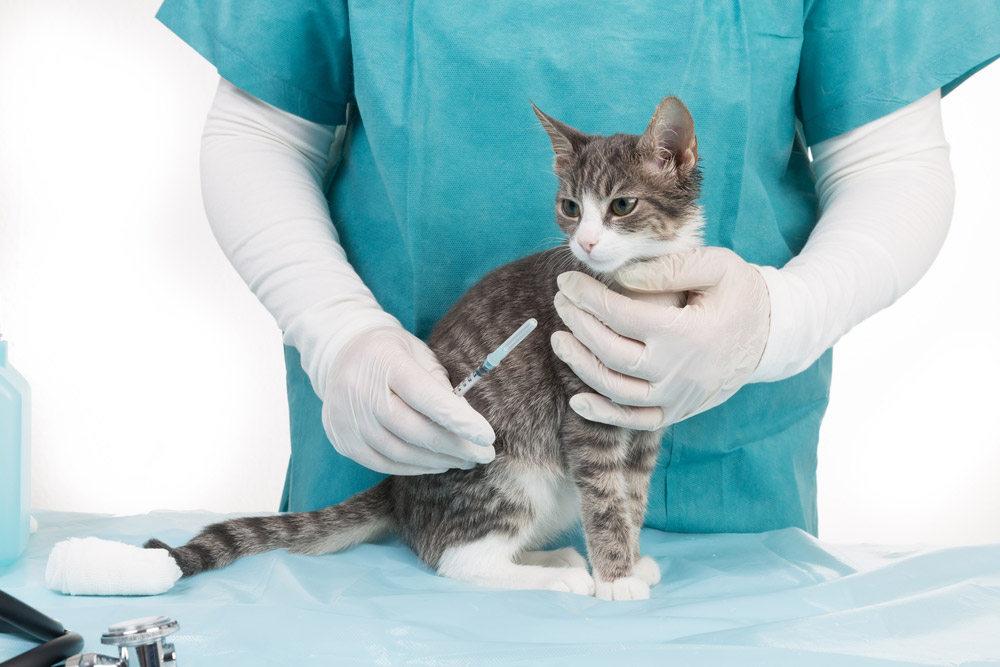
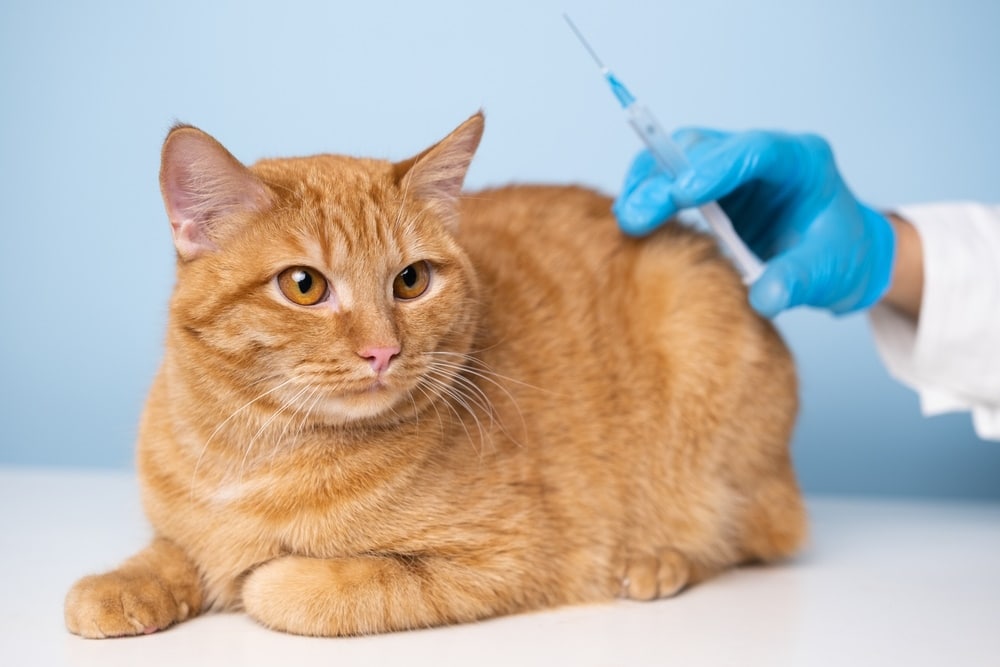
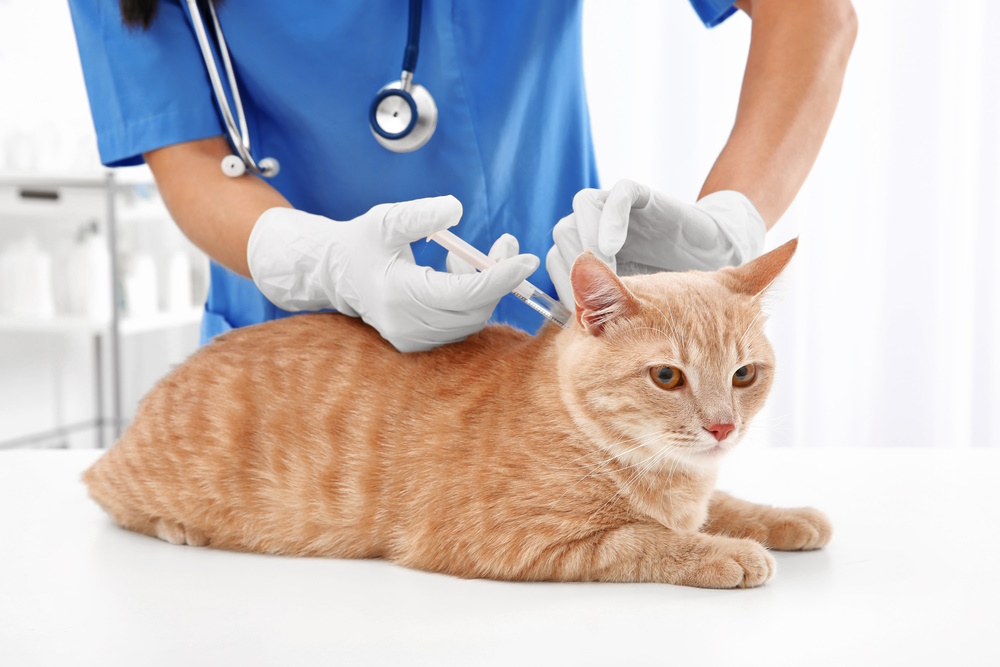
Cat owners recognize that providing nutritious food, fresh, clean water, and a comfortable and safe environment is essential for happy and healthy pets. Making sure your kitten or cat is up to date on their vaccinations is also crucial. Vaccines provide protection from diseases that may cause severe illness or death. Veterinarians evaluate each kitten or cat as an individual because each can differ in which vaccines are recommended based on their age, lifestyle, and overall health. Essentially, vaccine recommendations are tailored to what will benefit and protect your kitten or cat the most.
Vaccines are generally divided into two groups: core and non-core (optional). Core vaccines are highly recommended for all cats and kittens, while non-core vaccines are recommended based on your cat’s or kitten’s lifestyle and disease risk. Considerations include if your pet is an indoor versus outdoor cat or if they have contact with other felines of unknown vaccination status.

Core vs. Non-core Vaccines
Let’s look closer at core and non-core vaccines and the diseases that they help protect your cat or kitten against.
1. Core Vaccines
Core vaccines are recommended for all healthy cats and kittens because these protect them from widespread diseases that can cause significant disease or death.
The FVRCP-combination vaccine includes:
The rabies vaccine is vital because:
The FeLV vaccine for cats ≤1 year of age entails:
Unfortunately, if the cat is already infected with FeLV (presence of antigens), there is no proven benefit for vaccination.
2. Non-core (Optional Vaccines)
Non-core vaccines are recommended based on your cat’s or kitten’s age, environment, lifestyle, and disease risk.
The FeLV vaccine for cats ≥1 year of age entails:
Unfortunately, if the cat is already infected with FeLV (presence of antigens), there is no proven benefit for vaccination.
The Chlamydia felis vaccine has a few caveats:
Similarly, the Bordetella bronchiseptica vaccine has its downsides:
Finally, the feline infectious peritonitis (FIP) vaccine is not generally recommended because there is not enough evidence to suggest protection.

Vaccine Schedule
Now let’s delve into the vaccine schedule, or when and how often your pet may need a certain vaccine to be considered protected and up to date. Remember, vaccine recommendations are made depending on your cat’s or kitten’s age, environment, lifestyle, and disease risks. The frequency of vaccination may also depend on the maker of the vaccine, a.k.a. the vaccine manufacturer.
| Vaccine | ≤16 weeks of age | ≥16 weeks of age | Boosters |
| FVRCP (core) | Starting at 6–8 weeks of age, administer every 3–4 weeks until 16–20 weeks of age (3–4 total vaccinations) | Two doses, 3–4 weeks apart | Booster once annually, then every 3 years |
| Rabies (core) | Schedule may vary depending on state laws and regulations | One dose at 3–4 months of age (12–16 weeks) | Annually or every 3 years (depending on the vaccine manufacturer) |
| FeLV (core for cats and kittens <1 year; non-core for cats >1 year of age) | Starting at 8 weeks of age: two doses, 3–4 weeks apart | Two doses, 3–4 weeks apart | High risk: annually Low risk: booster every 2–3 years |
It may be confusing to determine if your pet needs a certain vaccine. A great online tool to help you with the decision is the feline lifestyle-based vaccine calculator by the American Animal Hospital Association. It is free to use, and it can assist you with vaccine suggestions based on your pet’s age and relevant risk factors. That said, you should always consult with your veterinarian about your cat’s vaccine needs.
Conclusion
Vaccines are a vital part of your pet’s health and well-being. They protect cats and kittens from infectious diseases and prevent the spreading of disease from one cat to another and in some cases, from cats to other animals and vice versa. By working closely with your veterinarian, you can determine which vaccines are recommended based on your cat’s risk factors and ensure that your pet is properly protected.
Sources
Featured Image Credit: Africa Studio, Shutterstock

Expert cat care, straight to your inbox
Vet-reviewed advice, behavior tips, and the best of Catster. Free, and you can unsubscribe anytime.
By signing up, you agree to our Terms & Conditions and Privacy & Cookies Policy.
Dr. Stacie Grannum DVM (Veterinarian)
Dr. Stacie Grannum was born and raised in Arizona. When she was five, an encounter with a tiny animal changed her life forever. A baby bird fell high from its nest, and Dr. Grannum diligently cared for it. Sadly, despite her attempts to save the little birds life, the little bird did not survive. From this heartbreaking loss came a new ambition, carving the path that Dr. Grannum followed. She knew that she wanted to pursue a career in veterinary medicine. She worked hard toward that goal and dedicated her time to pursuing her dream.
Today, her focus is on pet health, particularly wellness and preventive medicine. She also enjoys writing about pet health and is eager to share her knowledge with other pet lovers.
In 2014, Dr. Grannum earned her Doctor of Veterinary Medicine Degree from Colorado State University.
Join the conversation
Ask a question, share your story, or send private feedback.