Cat Zoomies: What Are They & When to Worry? (Vet Answer)


In this article
You may have noticed your usually chill cat having sudden bursts of energy, often tearing about the house with dilated pupils and a flicking tail. These wild moments are often referred to as "the zoomies," though the official term for them is "frenetic random activity periods," or FRAP. Frapping is a natural behavior exhibited by most cats (some more than others!), but why does it happen? When should you be worried?

The 5 Reasons Why Your Cat Gets the Zoomies
Zoomies or frapping tends to be more common with indoor cats and young cats with higher levels of energy and could have several different causes.
1. Hunting Behavior
In the wild, cats would naturally expend a lot of energy and adrenaline hunting and catching prey. The regular domesticated house cat doesn’t use as much energy as they would in the wild because most of their food is provided for them. Hunting and catching prey is usually done for fun rather than a need for survival.
As a result, cats will use up excess energy by zooming around the house, sometimes doing laps, or running up and down the stairs, often wide-eyed and on high alert. This behavior often appears to mimic hunting or even being hunted.

2. Sleeping Patterns
Domesticated cats will spend a lot of their time snoozing the day away in a cozy spot. Cats can sleep for anywhere between 12 and 18 hours per day! When they wake up, zoomies are a way for them to revive and rejuvenate, making sure they are properly awake and ready for action!
3. Litter Box Habits
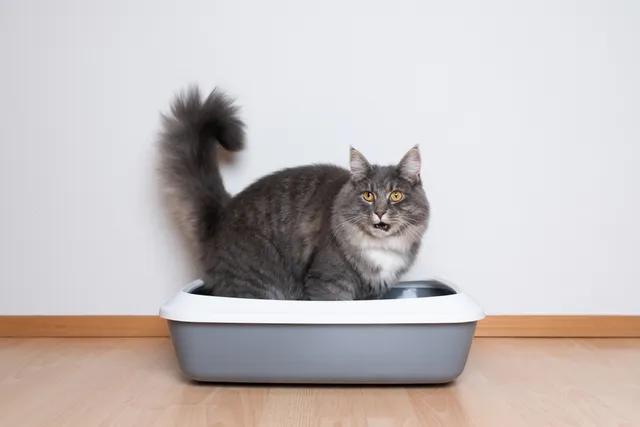
Some cats seem to get the zoomies after using the litter box, particularly after a bowel movement. While it’s not entirely clear why some cats do this, it appears to be a way of them celebrating "lightening the load"!

4. Stress
Whilst an occasional episode of the zoomies is entirely normal, if your cat is zooming excessively, then it could be a sign that they haven’t enough stimulation in their life and are frustrated.
5. Partial Seizures
Although rare, FRAP behavior can be attributed to a partial seizure in some cats. This is more likely if your cat has epilepsy.
How Can I Stop My Cat’s Zoomies?
The occasional zooming episode from your cat can often be entertaining to witness and isn’t anything too much to worry about. However, if you suspect your cat might be frustrated or their behavior is a problem, there are a few things you could try.
Playing with your cat is not only a way for them to burn some excess energy but also forms a great bond between you and your feline companion. Try to take advantage of their active times in the morning and evening, as well as short bursts of play throughout the day.
If you are playing games that mimic hunting, then allow your cat to catch and "kill" the toy occasionally, as this is the part of the game that your cat will enjoy the most. Laser pens and videos of moving prey on a screen are frustrating for your cat because they cannot exhibit normal hunting behavior by catching and "killing."
You could also try feeding your cat in small amounts often throughout the day to try to keep their energy levels more stable. Puzzle feeders and lick-mats are a great way to slow down their eating and provide some mental stimulation for your cat, something that is especially important for indoor cats.
Another great way to mentally stimulate your cat is to teach them a new trick! Cats can be taught to sit, roll over, and give paw the same way that dogs can. Always use positive reinforcement, such as treats or play, when training your cat, and never punish them for getting it wrong.

Why Do Zoomies Happen More at Night?
Cats are naturally more active at dawn and dusk, meaning that they are "crepuscular" rather than nocturnal, as many people believe. This is probably due to the fact that wild cats would have needed to take advantage of these cooler times of day to hunt. If your cat often shows bursts of high energy first thing in the morning or late at night, it is probably because this is when they are naturally programmed to feel more active.
When Should I Take My Cat to the Vet?
Most of the time, your cat’s zoomies will be a completely normal part of their behavior and nothing to be concerned about. However, if your cat is zooming much more than usual or has other accompanying signs, it is best to take them to a veterinarian to get them checked over.
For more senior cats in particular, watch out for weight loss, hunger, excessive vocalization, abnormal sleep patterns, or other strange behaviors, as these could be signs of hyperthyroidism (an overactive thyroid), a common condition in older cats. Some behavioral issues can be potentially solved by an online consultation.
Conclusion
Cat zoomies are normal cat behavior, and as long as they’re not excessive or accompanied by any worrying signs, they’re nothing to worry about. In fact, watching your cat tear about the house can be quite entertaining! Even better, grab a toy, and get involved by playing with your cat. Encouraging your cat to chase, catch, and "kill" the toy allows them to exhibit these natural hunting instincts and burn off any excess energy at the same time, all of which makes for one happy kitty!
Related Read:
Featured Image Credit: Pixabay
Expert cat care, straight to your inbox
News, insights, and useful advice, delivered to you.

No spam — unsubscribe anytime.
By signing up, you agree to our Terms & Conditions and Privacy & Cookies Policy.
How useful was this post?
Click a star to rate. You can leave written feedback afterwards. (We read all feedback.)
Dr. Joanna Woodnutt BVM BVS (Veterinarian)
Joanna is an experienced veterinarian working in the UK. She has written about pets and their health for many blogs, pet magazines and pet websites and loves to help readers understand their pets through her writing.
She has started her own freelance company so she can help more pet parents than just the one standing in front of her in a consultation room.
She enjoys teaching and educating clients, so a career in writing, public education and pet health is the perfect combination for her.