Get

In Your Inbox

Catster is reader-supported. When you buy via links on our site, we may earn an affiliate commission at no cost to you. Learn more.

Can Cats Have Whipped Cream? Vet-Verified Facts & FAQ

Can Cats Have Whipped Cream

Heading to a café and ordering a mocha topped with a mountain of whipped cream is one of the many small joys in life. Sharing these special moments with your cat feels like a natural thing to do, but you might be wondering, can cats even eat whipped cream?

The short answer is no, cats should not eat whipped cream. It’s made from dairy, oftentimes sugar and vanilla extract, and each of these ingredients can present problems for your cat’s digestive system.

divider 2 cats

The Myth Around Cats and Dairy

Growing up, many of us watched cartoons like “Tom and Jerry,” so we are well-acquainted with the idea that cats love dairy products and that giving them a bowl of cream or milk is a much-appreciated treat.

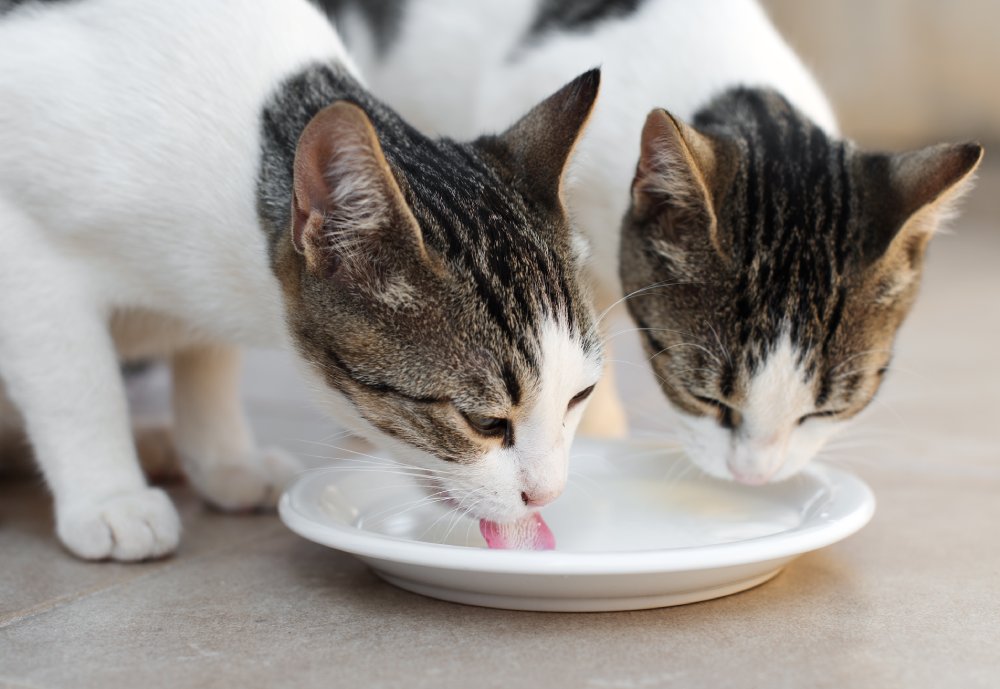
It is hard to believe, but this is a common misconception. Although your cat might seem to like milk, you may find out quickly that it doesn’t seem to like your cat quite as much.

When young, kittens have specialized enzymes in their system called lactase. These lactase enzymes make it possible for them to break down the sugars found in dairy products, mainly lactose. Lactose is found in almost all dairy products, including milk, ice cream, yogurt, and yes, even whipped cream.

The need for these enzymes is due to the way that kittens feed when they are young. Up until they’re about 8 weeks old, kittens feed primarily on their mother’s milk. Although they might begin to wean much earlier than this, the production of lactase enzymes in their systems steadily stops.

As cats grow older, there is no reason for them to continue taking in any milk products or anything else with lactose. They are carnivores by nature and don’t need those enzymes anymore.

Since adult cats are typically missing lactase enzymes, they find it almost impossible to break down lactose successfully. In other words, nearly all cats have a lactose intolerance by nature. This means that when cats eat products like whipped cream, they can’t digest it, and their digestive systems will suffer.

whipped cream in bowl
Image Credit: MaraZe, Shutterstock

divider 1 paws

Signs of Lactose Intolerance in Cats

Some cat owners are very aware of what lactose intolerance looks like in their cats. However, if you have a new cat or a young one that is just growing up into lactose intolerance, watch out for these signs. They might point to your cat eating a dairy product they shouldn’t have.

The signs include:
  • Flatulence
  • Stomachaches
  • Diarrhea
  • Vomiting

If your cat begins to experience these signs, take them to a safe place where they can be sick without making a mess. That might be outside in a guarded area or perhaps a tub. Once their system has worked out the dairy products, they should be fine. If vomiting or diarrhea continues for several hours, take them to your vet.

If you need to speak with a vet but can't get to one, head over to PangoVet. It's an online service where you can talk to a vet online and get the advice you need for your pet — all at an affordable price!

PangoVet_Mention-in-Content for PangoVet2 save money

Other Ingredients in Whipped Cream

Dairy isn’t the only product in whipped cream that poses a danger to a healthy cat. You also need to be careful when it comes to your cat eating sugar and vanilla extract.

Sugar isn’t toxic for a cat, but it is superfluous to their system. Eating too much of it or too often can lead to obesity, a predisposing factor for diabetes.

Although vanilla is not a toxin for cats, the vanilla extract contains about 34% ethyl alcohol. Too much of this can poison your cat.

divider 2 cats

What Happens When Cats Eat Whipped Cream

Cats are sneaky creatures. If your cat sneaks up on the counter for a sly lick or two of whipped cream, don’t panic. Your cat will likely experience more gas than usual for several hours, but beyond that, they will probably be okay.

If you know that your cat has an intense intolerance to lactose, you might want to gear up for some vomiting or diarrhea when it hits their stomach.

Even if your cat doesn’t seem to have lactose intolerance, it is still a poor idea to feed them whipped cream. The sugar and vanilla in it won’t sit well in their digestive tracts and can cause long-term illnesses in the future.

Female vet holding a sick cat close-up
Image Credit: megaflopp Shutterstock

divider 1 paws

In Summary

So, can cats have whipped cream? Unfortunately no, most human food is a bad idea to feed to your cat. It is best to avoid these kinds of treats to protect your cat both in the long term and the short term.

Related Reads: 


Featured Image Credit: Catster.com

Want content like this delivered to you?

Sign Up For Our Newsletter

News, insights, expert advice, and everything cat

* By submitting, you agree to our Terms & Conditions and Privacy & Cookies Policy.


How useful was this post?

Click on a star to rate (you can leave written feedback after clicking submit)

Help us improve Catster for pet parents!

Your feedback really matters.

What did you like about this post? Also how can we improve it?

Join the conversation

2 Responses

    1. Hi Verbena, thanks for your comment. You are correct, not all whipping cream is, but most commercially available includes both of those ingredients, plus other chemicals. We think it’s important to point out that it can be included, so people are aware of it for the safety of their pets.

Leave a Reply

You’re very welcome to leave a comment or question. Please know that all comments must meet our community guidelines, and your email address will NOT be published. Let’s have a positive and constructive conversation.


Talk With A Vet Online

Peace of mind,
anywhere, anytime

Affordable vet advice

Chewy Review 2026: Pros, Cons & Considerations

Review Summary Introduction Nowadays, ordering pet products online is easy; you don’t need to leave your house to supply your pets with everything...

10 DIY Litter Boxes for Large Cats You Can Make Today

Every cat deserves a comfortable litter box to do their business, and for large cats, that’s a little tricky. If your cat doesn’t...

The Cat Cafe Interview Part Two: We Chat with KitTea Co-Founder Courtney Hatt

Running a cafe or restaurant is hard work. I know this partly from waiting tables for four years at a San Francisco diner...

PrettyLitter Cat Litter Review of 2026: Vet-Reviewed Characteristics, Pros & Cons

Review Summary PrettyLitter is renowned for its ability to catch health problems early. It changes colors based on your cat’s urine pH, allowing...

More related

How to Treat Ringworm in Cats (6 Vet-Approved Tips)

Ringworm is a common fungal disease in mammals that can cause discomfort and irritation in cats. You can determine if your cat has...

Can Cats Eat Turmeric? Vet-Approved Benefits & Advice

Cats may be carnivores, but they sometimes like to munch on plant foods like carrots and bananas. They might snatch our almost-finished muffin...

10 Pet-Friendly Hotels in Amarillo Texas (2026 Update)

If you’re heading down to Amarillo, Texas, the last thing you want to do is leave your pet companions at home. The good...

5 DIY Cat Stairs and Ramps (With Pictures)

Sometimes, your cat needs a little helping hand. Whether they’ve reached their senior years and need help getting up a steep flight of...

Keep reading

Why Do Cats Purr? 5 Vet-Reviewed Reasons Behind the Behavior

There’s something soothing about sitting with a purring cat, but do you know the reasons behind that distinctive vibration? It’s commonly thought that cats purr when they’re happy and content. While this is true, it’s not the whole picture. Cats...

cat asking for cuddles

Can Cats Eat Pork? Vet-Verified Facts & FAQ

Cats are obligate carnivores and get all the nutrition they need from eating other animals. In the wild, you won’t find cats eating fruits or vegetables. This might leave you wondering why you don’t see many cat foods listing pork...

Can Cats Eat Pork

Friskies Cat Food Review of 2026: Recalls, Pros & Cons

Review Summary It might be one of the oldest pet food brands out there, so is Friskies a good cat food? The company was founded in 1934, which was only a few decades after the pet food industry began to...

Friskies Pate Cat Food Review

Do Cats Poop Less on Wet Food? 3 Ways to Get Your Cat to Poop Less

Our precious felines are ever so kind to leave us love bombs in the litter box on a regular basis. No matter how many litters you try, it’s hard to mask that smell when things are fresh. So, you might...

cat wet food

Why Do Cats Move Their Kittens? 3 Vet-Verified Reasons for This Behavior

Despite being some of the earliest domesticated animals, cats retain most of their wild instincts. It’s why they hide their food, bury their waste, and spray urine to mark their territory. However, one of the most confusing behaviors cats display...

mother cat transferring kitten

Why Do Cats Stretch When They See You? 5 Vet Verified Reasons

Picture this. Walking in your front door after a long, grueling day at work. The house is quiet, but then you hear it in the distance: a sweet chirrup that announces your cat’s presence. They come around the corner, stretching...

Cat stretching on the floor

Why Do Cats Get Hairballs? Vet-Approved Causes & Prevention

Every cat owner knows the telltale sign of a cat about to produce a hairball. Nothing induces quite a panic as the retching sound as we run around to find where the cat is about to cough up a hairy...

Dry cat hairball

How to Protect Your Cat From Coyotes: 5 Vet-Reviewed Methods

Coyotes, also called prairie wolves, are great hunters. They live in packs and often hunt in pairs. They can be found all around the United States, including both rural environments and sometimes cities. Because these animals are opportunistic and can...

Coyote in the woods