In this article
If you’re enjoying a cup of hot chocolate with marshmallows on top, or are feasting on mallows directly from the bag, it can be tempting to offer one or a piece of one to your cat. But, it is important to remember that not all foods that are safe for humans are also safe for cats. So, can cats have marshmallows?
Although they are not considered toxic, you should not give marshmallows to cats. They do not offer any health or nutritional benefits, are packed with sugar and sodium, and the size and texture of the sticky treat means that they can potentially be a serious choking hazard. What’s more, low-sugar or no-sugar marshmallow alternatives can contain xylitol: the sweetener is considered highly toxic to cats and dogs.

What Are Marshmallows Made Of?

Marshmallow is basically made of sugar and refined sugar syrup, as well as gelatin as a thickening agent to give marshmallows the sticky, gooey texture that people love. Some marshmallows may also contain food coloring, while those that are low-sugar or no-sugar contain xylitol or another sweetener as an alternative to sugar.
Are Marshmallows Bad For Cats?
The ingredients in marshmallows do not offer any nutritional or health benefit to cats. They are made up primarily of sugar. Cats are obligate carnivores which means that they should get all, or the vast majority, of their diet from meat and meat products. They can get some nutritional benefit from plant products, but far less than they would from the equivalent meat products. In any case, sugar does not benefit cats.
Choking Hazard
One of the reasons that marshmallows are so popular with humans is their gooey, sticky texture. This same texture makes them a potential choking hazard for cats of all ages and sizes. The sweet treat can get stuck in the throat and block a cat’s airways. In the same way that young children should not be given marshmallows, it is recommended that they not be given to cats, either.

High in Sugar and Sodium
As well as being a choking hazard, marshmallows are packed with sugar and sodium, both of which are considered detrimental to your cat’s health.
- There is a lot of sugar in a marshmallow, compared to the small size of your cat. If you feed too much sugar on a regular basis, your cat will put on weight and may suffer from feline obesity and other weight-related problems. Because there is no health benefit to giving sugar to cats, and studies suggest that cats cannot taste sweet foods, there is no reason to give it to your feline friend and plenty of reasons to avoid it.
- Sodium is one of the constituent components of salt and it might be surprising to learn that it is found in quite high quantities in marshmallows, likely coming from the cornstarch and the gelatin. It is the sodium in salt that is generally considered bad for our health, and in cats, as in humans, it can lead to dehydration, while in large quantities it can prove toxic. It is another ingredient that you should avoid giving to feline companions.
Low-Sugar and No-Sugar Alternatives Could Be Worse
Many pet owners already know that sugar is bad for cats, and this may lead to them seeking out low-sugar and no-sugar alternatives. Rather than being a healthier alternative to standard marshmallows, however, these alternatives may actually be more dangerous and even deadly for your cats.
Xylitol is a sweetener that is commonly used in low-fat foods and while considered safe for human consumption, it is highly toxic for dogs and may cause similar problems in cats though there aren’t many case studies or research that support this. Even a relatively small amount can cause a huge spike in insulin production which, in turn, leads to low blood sugar. Hypoglycemia can cause liver failure, which means xylitol can cause fatalities in dogs and may as well in cats.
Note: It’s worth mentioning that one study shows otherwise, but it’s still best to prevent cats from ingesting xylitol.
Other sweeteners may be less toxic but still offer no benefits to cats, so they should also be avoided.
The 3 Other Human Treats That Are Not Safe for Cats
Always think before giving your cat human food or human treats, because some of them are toxic, some can elicit an allergic response or negative metabolic effect, and some are unhealthily high in ingredients like sugar. The following are three human foods that should never be given to cats.
1. Chocolate

Chocolate can be very bad for cats. It contains theobromine, which is especially prevalent in dark and bitter chocolates, but it can be found in all types. Theobromine acts as a stimulant and can elevate heart rates to dangerous levels. Caffeine has a similar effect, and while the levels may not be enough to give humans a caffeine buzz, cats are much smaller, and it takes a lot less of both of these compounds to cause a spike in heart rate. White and milk chocolate are less dangerous, but all chocolate should be avoided.
2. Cheese
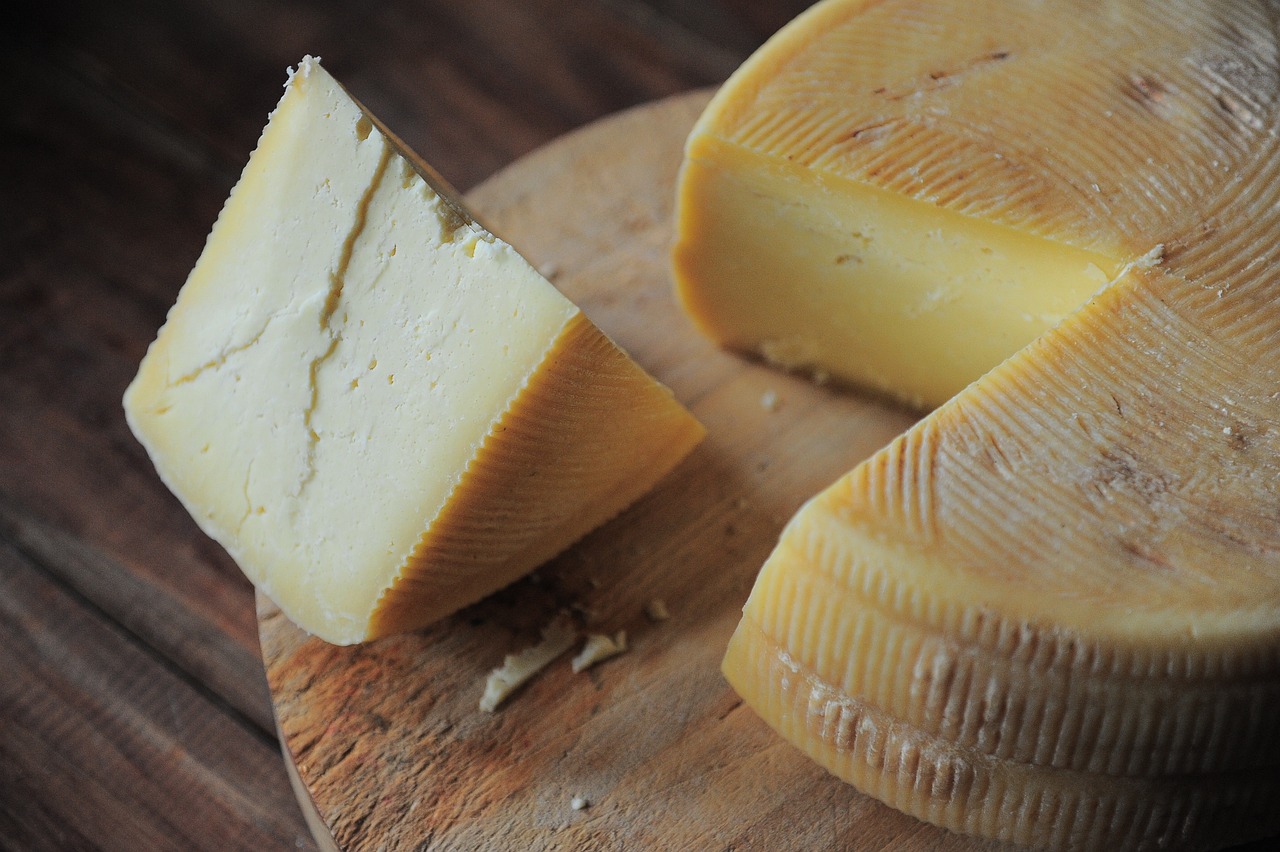
Many cats are lactose intolerant so while cheese is not necessarily toxic to cats, it can cause serious gastrointestinal complaints. Cats are unable to produce the lactase enzyme, which is used to break down the lactose in cheese. As such, cats are unable to efficiently digest cheese and it can lead to vomiting and diarrhea.
3. Grapes

Like marshmallows, grapes can cause a choking hazard to cats, but they are also considered toxic to our feline pets. The exact cause of grape toxicity is unknown, but it is possible that cats are unable to properly metabolize the tannins which are found in abundance in this small, juicy treat. Grapes are also often covered in pesticides and other chemicals, and there may be some naturally forming chemicals within the grape that cause kidney failure. Whatever the reason, it is widely accepted that grapes, and dried grapes like sultanas and raisins, are toxic to cats and should not be given.

Conclusion
It can be tempting to share your favorite treats with your favorite cat, but it is important to remember that not all human foods are safe to be given to cats. Foods like grapes and chocolate, as well as onions and garlic, are considered highly toxic. Your cat can get very ill, very quickly, if they eat these foods. Other foods like cheese can cause gastrointestinal upset.
While marshmallows are not toxic, they are very high in sugar and sodium, both of which are bad for the feline diet and provide no health benefits, while the gooey marshmallow texture also makes them a potential choking hazard.