Can Cats Eat Edamame? Vet-Approved Nutritional Facts & Risks


In this article
Not only is it important to be knowledgeable about the proper dietary needs of your cat, it’s equally important to know what kind of different foods in the home are safe and which are dangerous for your beloved feline. With some foods, our cats can share a healthy snack right along with us, while others can put them at serious risk.
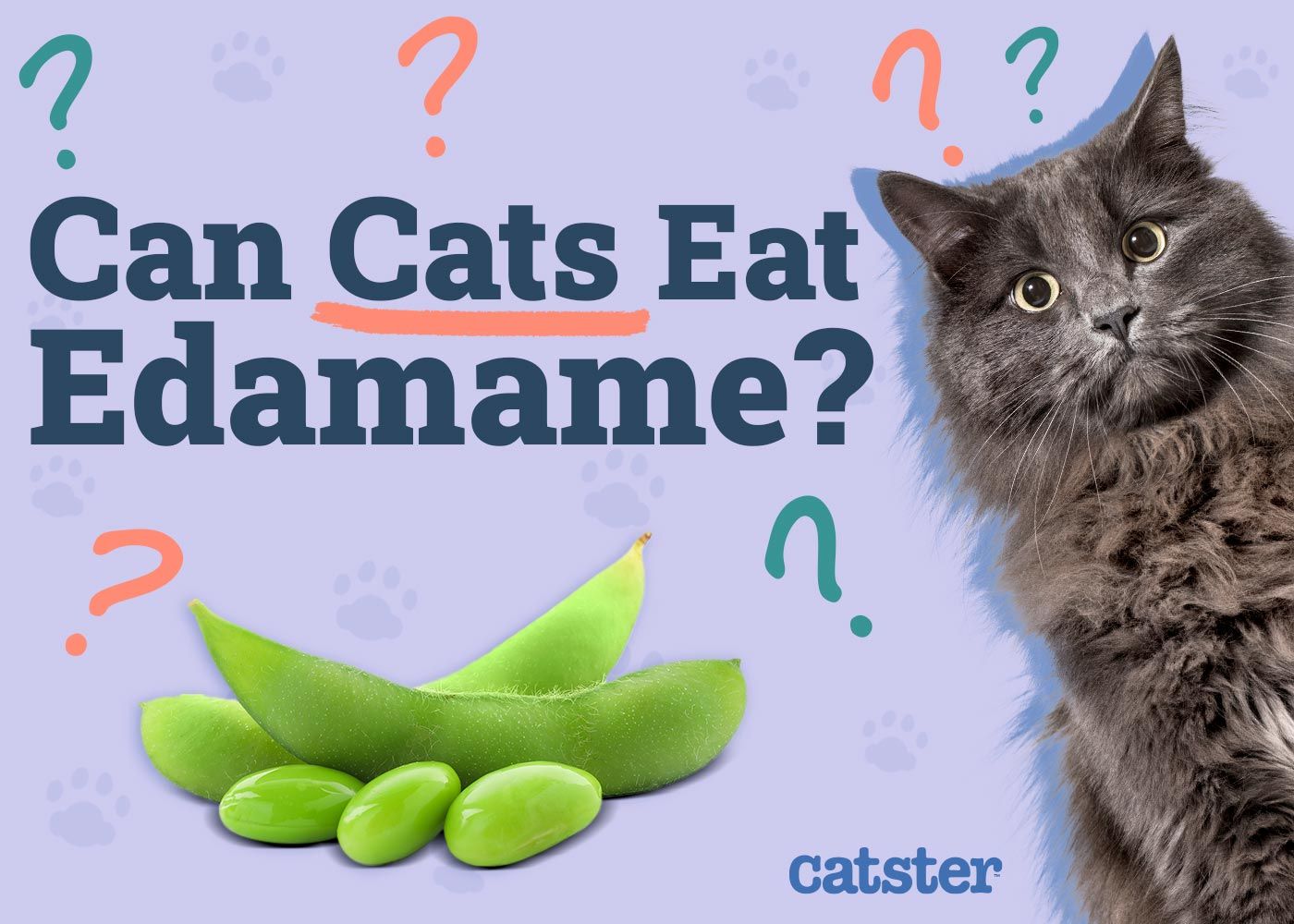
When it comes to edamame, you do not have to worry about toxicity, as it is perfectly safe for cats if consumed in small amounts. That being said, just because edamame is non-toxic, does not mean that you should go out of your way to offer your cat edamame or that it should be part of their diet at all. Here we will look further into edamame and the nutritional needs of our cats.
Disclaimer: Legumes also contain anti-nutrients that may inactivate essential amino acids such as taurine. However, soaking and sprouting decreases the plant chemicals known as anti-nutrients. Taurine deficiency in cats can lead to serious heart and eye issues. Most commercial cat foods should be fortified with adequate amounts of taurine required by your cat. So, in the event your cat eats a few edamame, it is unlikely to cause major issues or deficiencies.

What Is Edamame?
Edamame are young soybeans that are harvested before they fully ripen. Most commonly prepared as a snack, side dish, or appetizer, edamame can be found fresh, frozen, shelled, or in the pod. Originating as a popular dish in East Asia, edamame’s popularity has spread all over the world for not just the taste, but the health benefits.
Edamame beans are low in calories, gluten-free, and contain no cholesterol. One cup of edamame contains about 33% of a human’s daily protein requirements and is a great source of vitamin K, folate, iron, vitamin C, calcium, and more. We aren’t here to talk about humans though, so let’s get into our favorite subject: cats!

Is Edamame Healthy for Cats?
Since edamame is packed full of nutrients and is not toxic to cats, it would seem like a good treat to add to the list. That’s not the case though. While edamame is relatively safe for cats, there is no real need to add it or any other plant-based food into their diet or treat regime.
Cats are obligate carnivores, sometimes referred to as strict carnivores, which means all of their nutritional needs are met with meat and meat alone. The bodies of these strategic little hunters aren’t designed to consume plant-based food like omnivores and herbivores.
A cat’s digestive system is not designed to properly digest plant-based foods and therefore cannot absorb those vital nutrients in the same way they can through meat sources. While there is no need to panic if your cat were to eat edamame, it’s not a necessary addition to their diet and will not provide them the same health benefits that it will for humans and other animals.

Potential Risks and Side Effects
Edamame is non-toxic to cats, but it does have the potential to flare up food allergies, sensitivities, or upset the digestive system. Cats don’t typically suffer from soy-related food allergies but that doesn’t mean they don’t exist. In addition, the difficulty of digesting plant material can cause cats to experience gas, diarrhea, upset stomach, and sometimes vomiting.
If your cat were to consume a small amount of edamame, the worst-case scenario is typically some gastrointestinal upset, but it’s always best to contact your veterinarian if your cat were to develop any unusual or worrisome symptoms after eating it.

Signs of Food Sensitivity in Cats
Being familiar with the symptoms that develop as a result of food allergies and sensitivities is great knowledge to have. Again, any unusual signs need to be discussed with your veterinarian right away for proper diagnosis and treatment, but some signs most commonly observed include:
A Cat’s Dietary Needs
Different species are naturally going to have different nutrient requirements. As carnivores, cats need to eat a lot of protein in comparison to many others in the animal kingdom. The animal-sourced protein is required since their digestive systems can properly break it down and nourish the body. Protein is essential for muscle maintenance, energy, skin and coat health, mobility, immunity, and more.
In the wild, cats get all they need to thrive directly from their prey, and that’s why cat owners need to do their best to mimic the cat’s natural high-protein, low-carbohydrate diet. In addition, they get most of their hydration through their prey. Some owners opt to feed only high-quality wet food for this reason, but regardless, your cat should always have access to fresh, clean water.

Things to Consider
While most cat foods on the market are designed to meet your cat’s dietary requirements, not all food comes with the same quality, and not all food that suits one cat’s needs will properly suit another. It’s best to reach out to your veterinarian for proper guidance on your individual cat’s dietary needs but there are some considerations to keep in mind when choosing cat food.
Age
Kittens, adults, and senior cats will have different nutritional needs. When deciding what food to offer your cat, you need to keep their age or life stage in mind before making your final choice. Kittens expend a lot of energy, not just by romping through the house but by growing and developing. It’s best to get food that is specific to kittens to ensure they get what they need to grow and thrive. Seniors tend to slow down and have issues with weight gain, so in the later stages in life, you need to find food that is appropriate to those needs.
Overall Health
If your cat is experiencing any underlying health conditions, it is important to have food that can help you manage their condition or even cause it to become worse. Some cats may suffer from food allergies or sensitivities and may need to avoid certain ingredients, while others may have more serious health conditions, such as kidney disease, in which case you may need a specialized diet. Your cat’s health should be monitored directly by your veterinarian through regular health exams, and any necessary dietary changes due to health will need to be discussed directly with the staff.

Type of Food
There are different types of cat food on the market, with dry food and wet food being the most popular choices. In addition, there are fresh and freeze-dried options available as well. You can choose to offer more than one type for versatility and the extra health benefits, but that is not always necessary. There are pros and cons to each, while dry food is less expensive and can be left out longer, it is typically lower in protein and moisture and higher in carbohydrates. Wet food is generally more expensive and will spoil if left out but contains fewer carbohydrates and more moisture and protein.
Quality
Learning to read the label and how to check the ingredients on your cat’s food is a great way to be well-informed on the quality you are getting. The best-quality foods will contain real meat from animal protein sources as the first ingredients listed. You will want to avoid unnecessary fillers, by-products, artificial colors, flavors, and preservatives. If you find a brand that is tested per AAFCO pet food guidelines, you can ensure it has been tested for quality and safety.

Conclusion
All cat owners should be well informed on the proper dietary needs of the four-legged bundles of joy that enrich their lives daily. Overall, edamame is safe for cats to consume as it is non-toxic and should not cause any harm in small amounts. Though it does have the potential to cause digestive upset, these nutrient-rich immature soybeans may provide great health benefits for humans but certainly can’t hold a candle to the meat-based needs of our precious little carnivores.
Sources
https://www.healthline.com/nutrition/edamame-benefits#TOC_TITLE_HDR_11
https://vetmed.tamu.edu/news/pet-talk/cats-are-carnivores-so-they-should-eat-like-one/
https://firstvet.com/us/articles/5-interesting-facts-about-your-cats-digestive-system
https://www.petmd.com/cat/nutrition/cat-nutrition-what-makes-nutritional-cat-food
Expert cat care, straight to your inbox
News, insights, and useful advice, delivered to you.

No spam — unsubscribe anytime.
By signing up, you agree to our Terms & Conditions and Privacy & Cookies Policy.
How useful was this post?
Click a star to rate. You can leave written feedback afterwards. (We read all feedback.)
Lindsey and her husband enjoy traveling the US with their kids and photographing wildlife. Her passion is to educate others on the importance of proper animal care, with an emphasis on reptiles and exotics since their care requirements can be much more complex. She is also a huge advocate for bully breeds. She feels most at home in the forest either on horseback or in hiking boots.