Get

In Your Inbox

Catster is reader-supported. When you buy via links on our site, we may earn an affiliate commission at no cost to you. Learn more.

Can Cats Have Whipped Cream? Vet-Verified Facts & FAQ

Share

Can Cats Have Whipped Cream

Heading to a café and ordering a mocha topped with a mountain of whipped cream is one of the many small joys in life. Sharing these special moments with your cat feels like a natural thing to do, but you might be wondering, can cats even eat whipped cream?

The short answer is no, cats should not eat whipped cream. It’s made from dairy, oftentimes sugar and vanilla extract, and each of these ingredients can present problems for your cat’s digestive system.

divider 2 cats

The Myth Around Cats and Dairy

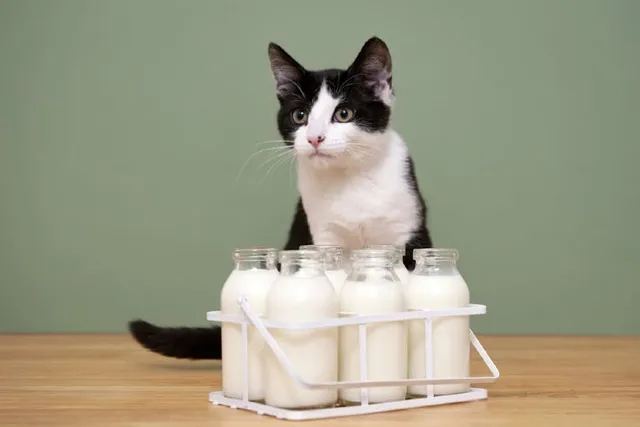
Growing up, many of us watched cartoons like “Tom and Jerry,” so we are well-acquainted with the idea that cats love dairy products and that giving them a bowl of cream or milk is a much-appreciated treat.

It is hard to believe, but this is a common misconception. Although your cat might seem to like milk, you may find out quickly that it doesn’t seem to like your cat quite as much.

When young, kittens have specialized enzymes in their system called lactase. These lactase enzymes make it possible for them to break down the sugars found in dairy products, mainly lactose. Lactose is found in almost all dairy products, including milk, ice cream, yogurt, and yes, even whipped cream.

The need for these enzymes is due to the way that kittens feed when they are young. Up until they’re about 8 weeks old, kittens feed primarily on their mother’s milk. Although they might begin to wean much earlier than this, the production of lactase enzymes in their systems steadily stops.

As cats grow older, there is no reason for them to continue taking in any milk products or anything else with lactose. They are carnivores by nature and don’t need those enzymes anymore.

Since adult cats are typically missing lactase enzymes, they find it almost impossible to break down lactose successfully. In other words, nearly all cats have a lactose intolerance by nature. This means that when cats eat products like whipped cream, they can’t digest it, and their digestive systems will suffer.

whipped cream in bowl
Image Credit: MaraZe, Shutterstock

divider 1 paws

Signs of Lactose Intolerance in Cats

Some cat owners are very aware of what lactose intolerance looks like in their cats. However, if you have a new cat or a young one that is just growing up into lactose intolerance, watch out for these signs. They might point to your cat eating a dairy product they shouldn’t have.

The signs include:
  • Flatulence
  • Stomachaches
  • Diarrhea
  • Vomiting

If your cat begins to experience these signs, take them to a safe place where they can be sick without making a mess. That might be outside in a guarded area or perhaps a tub. Once their system has worked out the dairy products, they should be fine. If vomiting or diarrhea continues for several hours, take them to your vet.

If you need to speak with a vet but can't get to one, head over to PangoVet. It's an online service where you can talk to a vet online and get the advice you need for your pet — all at an affordable price!

PangoVet_Mention-in-Content for PangoVet2 save money

Other Ingredients in Whipped Cream

Dairy isn’t the only product in whipped cream that poses a danger to a healthy cat. You also need to be careful when it comes to your cat eating sugar and vanilla extract.

Sugar isn’t toxic for a cat, but it is superfluous to their system. Eating too much of it or too often can lead to obesity, a predisposing factor for diabetes.

Although vanilla is not a toxin for cats, the vanilla extract contains about 34% ethyl alcohol. Too much of this can poison your cat.

divider 2 cats

What Happens When Cats Eat Whipped Cream

Cats are sneaky creatures. If your cat sneaks up on the counter for a sly lick or two of whipped cream, don’t panic. Your cat will likely experience more gas than usual for several hours, but beyond that, they will probably be okay.

If you know that your cat has an intense intolerance to lactose, you might want to gear up for some vomiting or diarrhea when it hits their stomach.

Even if your cat doesn’t seem to have lactose intolerance, it is still a poor idea to feed them whipped cream. The sugar and vanilla in it won’t sit well in their digestive tracts and can cause long-term illnesses in the future.

Female vet holding a sick cat close-up
Image Credit: megaflopp Shutterstock

divider 1 paws

In Summary

So, can cats have whipped cream? Unfortunately no, most human food is a bad idea to feed to your cat. It is best to avoid these kinds of treats to protect your cat both in the long term and the short term.

Related Reads: 


Featured Image Credit: Catster.com

Want content like this delivered to you?

Sign Up For Our Newsletter

News, insights, expert advice, and everything cat

* By submitting, you agree to our Terms & Conditions and Privacy & Cookies Policy.


How useful was this post?

Click on a star to rate (you can leave written feedback after clicking submit)

Help us improve Catster for pet parents!

Your feedback really matters.

What did you like about this post? Also how can we improve it?

Join the conversation

2 Responses

    1. Hi Verbena, thanks for your comment. You are correct, not all whipping cream is, but most commercially available includes both of those ingredients, plus other chemicals. We think it’s important to point out that it can be included, so people are aware of it for the safety of their pets.

Leave a Reply

You’re very welcome to leave a comment or question. Please know that all comments must meet our community guidelines, and your email address will NOT be published. Let’s have a positive and constructive conversation.


Talk With A Vet Online

Peace of mind,
anywhere, anytime

Affordable vet advice

Why Chicken Bones Are More Dangerous for Cats Than Most Parents Realize

Chicken bones seem harmless enough, but for cats, they can cause serious damage quickly. Whether your cat swiped a piece off the counter...

Fantastic Pet Pantries and Where to Find Them

Let’s face it: times are really tough right now, and those of us in the 99% are struggling with the cost of just...

Ask Dr. Paola – Help! My Cat Refuses to Drink Water! (April 13, 2026)

Welcome to our “Ask Dr. Paola” series, where every Monday we bring expert advice straight from Dr. Paola Cuevas (MVZ) to help our...

Why Healthy Cats Still Vomit Sometimes (And How to Respond)

A cat that just vomited needs a specific kind of care, and the feeding decisions you make in the next few hours actually...

More related

Addison’s Disease in Cats: Our Vet Explains Causes, Signs & Treatments

Addison’s Disease, also known as hypoadrenocorticism, occurs due to a deficiency in adrenal gland hormones. It is a rare condition in cats. The...

History of Cat Litter – Taking a Look at Its Past

It’s almost second nature—you walk into a department store or browse online for essentials, and cat litter is on the receipt. It’s an...

Can Cats Eat Chicken Nuggets? Vet-Verified Facts & FAQ

Picture this: You’re eating some dinner one night, and your furry friends gather around you. Those sweet eyes are hard to resist, but...

Korat Cat: Breed Info, Pictures, Temperament, & Traits

The country currently called Thailand used to be known as Siam. You might expect the Siamese cat to come from a place named...

Keep reading

How to Make an Indoor Cat an Outdoor Cat Safely (10 Vet-Reviewed Tips)

One of the most common questions cat parents have is whether cats should be kept indoors or allowed to roam freely outdoors. Many veterinarians and organizations are in agreement that cats should not be allowed to roam freely due to...

Walking with cat on a leash kuril bobtail

Can Cats Eat Raw Eggs? Vet-Reviewed Health & Safety Guide

As cat owners, we often find ourselves wondering if our feline friends can indulge in the same foods we enjoy. As obligate carnivores, cats thrive on protein sources such as meat. Another good source of protein is eggs, but raw...

Catster_Can Cats Eat Raw Eggs_v1_Dec 4 2024

How to Spot a Broken Cat Tail: 5 Vet-Reviewed Steps

Cats have very flexible tails, and you may even see them with “kinks” and strange angles. Usually, this doesn’t mean that the cat’s tail is broken. However, cats can certainly break their tails. While a tail may seem like one...

tail of a cat on vintage background

How To Stop a Cat From Putting Their Paws In Their Water: 3 Tips & Tricks

Cats are often considered incredibly water averse, which probably brings a smile to any cat companion who’s watched their buddy become mesmerized by a flushing toilet or transfixed by water dripping from a faucet. Splashing in water bowls is a...

cat dipping its paw in water bowl

5 Side Effects of Microchipping Your Cat – What You Should Know! Vet-Approved Info

These days, microchipping pets is commonplace and beneficial for you and your pet for many reasons. One of the risks of owning pets is that they can get lost, stolen, or otherwise escape from you. Before microchipping, you had to...

Microchip implant for cat

Can Cats Die from Tooth Resorption? Vet Reviewed Facts & FAQ

Naturally, one of the first questions that come to mind when our pets are diagnosed with a health condition is “can my pet die from (insert condition)?” In the case of tooth resorption1, a common dental disease in cats, the...

cat teeth resorption

Can Cats Eat Dill? Vet-Reviewed Facts & FAQ

Are you looking for a cheap and effective treat for your cat? Or are you worried because you just caught your cat chowing down on your dill plant? Either way, you’ve come to the right place. Dill is safe for...

Can Cats Eat Dill

Is Salt Toxic to Cats? Vet-Reviewed Dangers & Limits

If you’re a person who loves flavorful food, you probably like to add a bit of salt to every meal. Salt has been used for preserving and seasoning food for thousands of years and is essential for good health. Although...

Salt

Love Cats? So Do We! Join the Catster Community

Stay informed with expert pet care insights delivered straight to your inbox! Discover professional guidance on animal behavior, feeding tips, trusted product picks, and much more.


Sign up for the Catster Email Newsletter

Stay informed with expert pet care insights delivered straight to your inbox! Discover professional guidance on animal behavior, feeding tips, trusted product picks, and much more.