Why Is My Cat Licking All Her Fur Off? Vet Approved Reasons & Tips


In this article
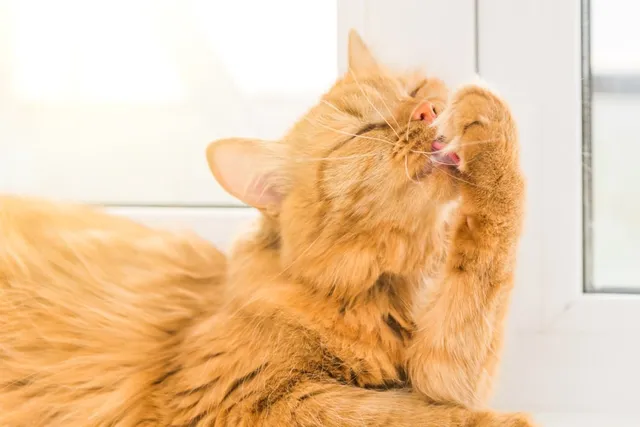
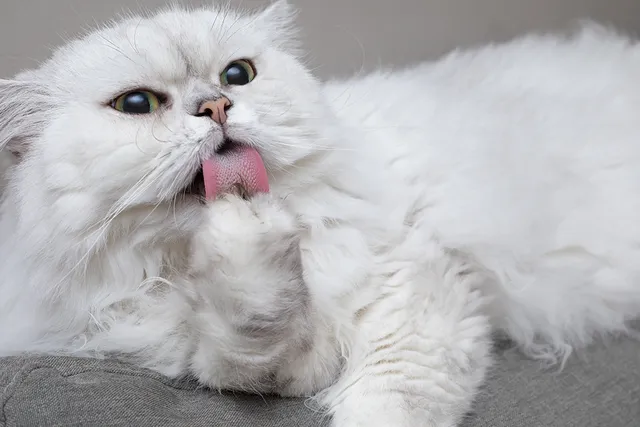
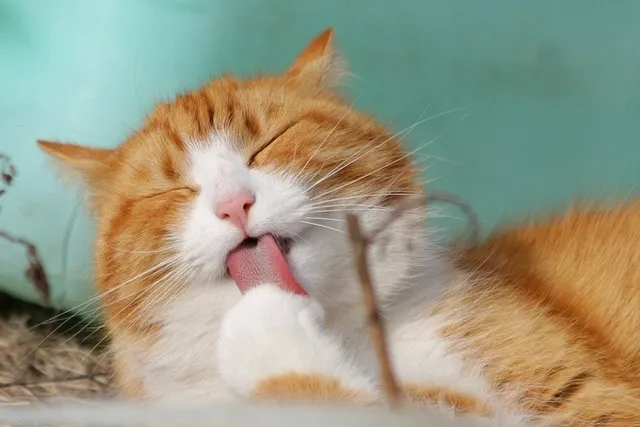
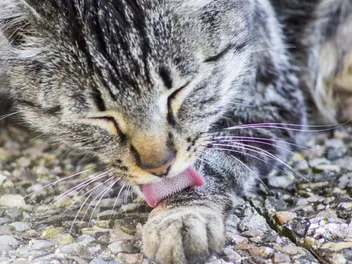
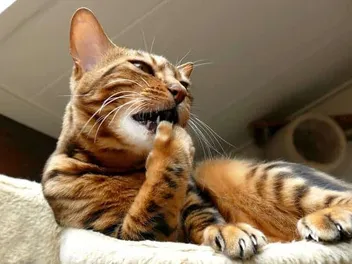
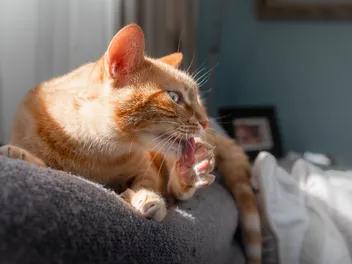
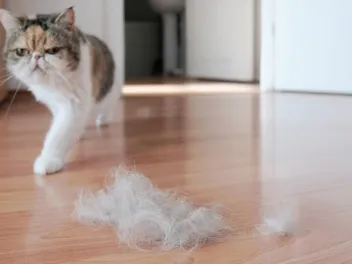
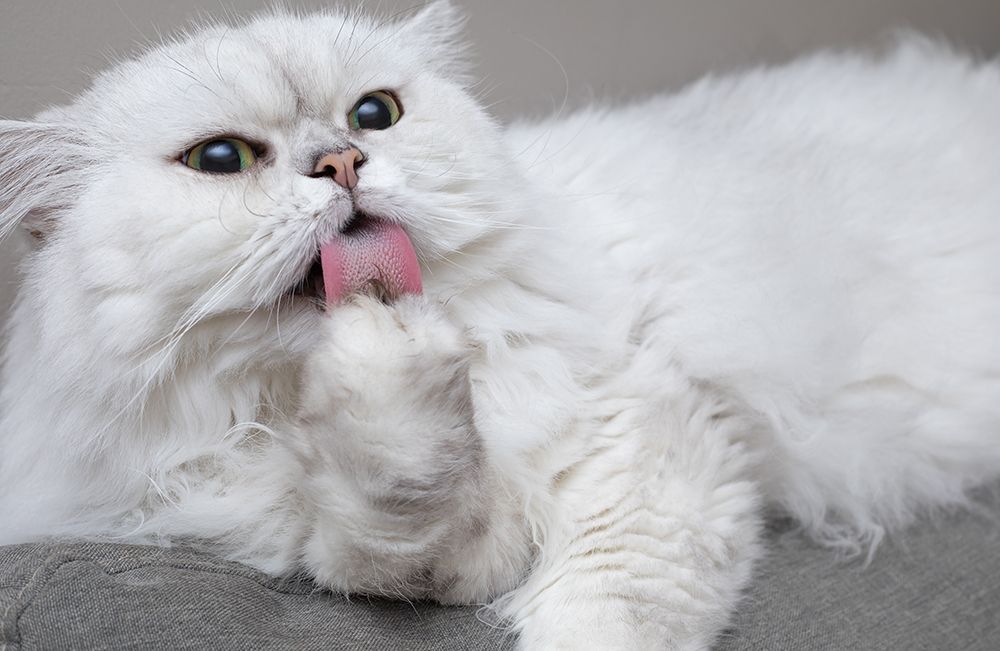
Cats are perfectionists in grooming, dedicating plenty of time each day to removing loose hair, dirt, and other debris from their coats. Catching your cat grooming several times per day isn’t abnormal, but if your cat is licking to the point of ripping their fur out, you are right to be alarmed.
Cats who lick their fur off are likely suffering from a medical or behavioral issue. Common areas that cats groom excessively are their back, stomach, or inner legs. If you spot hairless patches on your cat’s skin, contact a vet right away to receive the proper diagnosis and treatment. In the meantime, you can continue reading to learn about why cats lick their fur off.

How to Tell if Your Cat’s Licking Is Excessive
Since cats lick themselves so often, it can be a challenge to determine if their behavior is excessive or not. However, cat owners with sharp eyes can usually spot the signs. One of the most obvious signs is a loss of fur.
The fur loss can be in patches, signaling where your cat licks most often. If your cat is zealous about licking the spots, you may notice abrasions, inflamed skin, or rashes. A somewhat more subtle sign is an increase in hairballs.
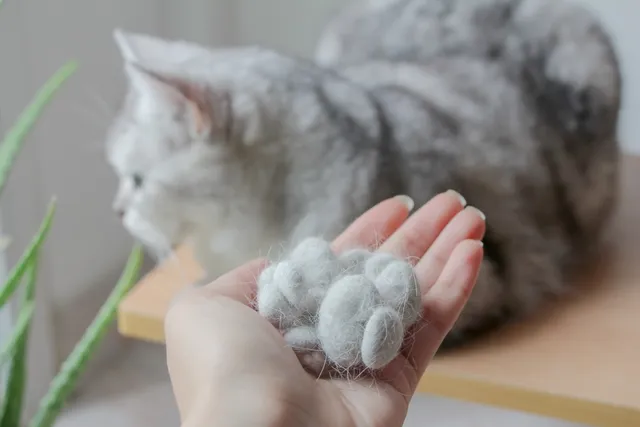
If your cat is hacking up more hairballs than usual, keep a close eye on them. It can be an indication that they are licking themselves excessively.

The 3 Common Reasons Why Cats Lick Fur Off
There are plenty of potential behavioral or medical reasons for your cat licking their fur off, and they typically fall within one of the following three categories.
1. Infections, Infestations, or Allergies
Infections, infestations, and allergies that irritate your cat’s skin and cause itchiness are common causes of excessive licking. If the bald spots in your cat’s coat appear to make a pattern, you may even be able to guess the source of their skin irritation.
Hair loss at the base of the tail is often caused by fleas, whereas hair loss around the neck and ears can be attributed to ear mites. If your cat is excessively chewing due to environmental (e.g. pollen) or food allergies, then they can suffer from several different patterns of hair loss.
While you may be able to pick up on hints that indicate the source of your cat’s condition, you should still make an appointment with a vet to receive a proper diagnosis.

2. Boredom or Stress
Medical issues must be ruled out, first but behavioral issues can sometimes also be a cause of, or contribute to, excessive licking. If your cat is bored or stressed, they may overgroom in an attempt to cope. Licking is believed to release endorphins in cats, and bored or stressed cats may make a habit of licking themselves to the point of stripping out their fur.
If the excessive licking is due to boredom, there is a good chance that your cat lacks enrichment and attention. If your cat spends most of the day alone or has limited access to toys, cat trees, or puzzles, you can provide more toys and equipment.
You can also hire a pet sitter, bring another pet into the home, or schedule more time at home. If stress is why your cat is stripping out their fur, it may have been triggered by sudden changes in your cat’s environment, routine, or family dynamic. Try to help your cat adjust to their new situation by establishing a consistent schedule and providing plenty of places to hide and decompress.
3. Pain
Your cat’s excessive licking behavior may be a sign that they are in pain. If your cat repeatedly licks one area on their body, the pain may be centered around that spot.
For example, if your cat is licking hair off around their anus, they may be experiencing anal gland disorders, which can include infections, impaction, and injuries. Feline lower urinary tract disease is a relatively common issue in cats and causes pain in the bladder region or other parts of the urinary tract. This pain can cause a cat to overgroom their lower belly or around their genitals.

How to Stop a Cat From Licking It's Fur Off
When cat owners discover that their cats are harming themselves with excessive licking, their panic may cause them to punish or shout at their cats. However, that is the opposite of how you should approach the issue.
Harsh corrections will only stress your cat out more, which may contribute to more overgrooming. Instead, be patient and gentle with your cat, and take the following steps.
1. Consult Your Vet
First and foremost, you should consult a vet. If medical problems are responsible for your cat’s behavior, a vet can provide a diagnosis and a treatment method. If a medical condition is not the issue, a vet can rule out that possibility so that you can pursue other answers.
2. Stick to Calming Routines
Whether or not your cat is suffering from stress, it is best to stick to routines that they can predict. Cats love routines, so having one helps your cat cope with daily stressors much better.
Some ways to establish a calming routine include cleaning the litter box regularly, feeding your cat at the same time each day, and setting aside daily time to play. Settling into a routine is especially important if your cat’s environment or household dynamic has suddenly shifted.
3. Meet Your Cat’s Emotional Needs
If your cat is licking their fur off due to boredom or stress, the quickest way to stop the behavior is to meet their emotional needs. Bored cats need more environmental enrichment such as toys, cat trees, and attention. Providing exciting new toys and scheduling regular playtime can help alleviate boredom.
Looking for toys that will cater to the many needs of your cat? The Hepper Hi-lo Cat Scratcher is one of our favorite cat products, and it will encourage your cat to get active. Its clever three-angle design offers multiple ways for your cat to climb, stretch, and exercise. Made of a sturdy plywood base and a replacement cardboard insert, this scratcher is an option that cats can enjoy for years to come. If your cat requires a little encouragement for self-play, the Hepper Catnip Mice Toy Set is a fantastic choice for their instinctual needs. Made with natural, bite-resistant hessian fabric and filled with organic catnip. Cats can satisfy their natural prey instincts while getting the physical activity they need to thrive.
| Image | Product | Details | |
|---|---|---|---|

|
Hepper Hi-Lo Cat Scratcher |
|
Check Price |

|
Hepper Catnip Mice Toy Set |
|
Check Price |
At Catster, we've admired Hepper for many years, and decided to take a controlling ownership interest so that we could benefit from the outstanding designs of this cool cat company!
Stressed or anxious cats often benefit from stability, but they may require medication if the issue is more severe. Talk to your vet if your cat’s stress cannot be easily soothed.
Final Thoughts
Grooming is a normal and healthy behavior in cats, but it can be problematic if it becomes excessive. If your cat is developing bald patches and hacking up hairballs frequently, it indicates that they are licking themselves too much. Once you notice the issue, contact a vet for a full examination.
Sources
Featured Image Credit: catinsyrup, Shutterstock
Expert cat care, straight to your inbox
News, insights, and useful advice, delivered to you.

No spam — unsubscribe anytime.
By signing up, you agree to our Terms & Conditions and Privacy & Cookies Policy.
How useful was this post?
Click a star to rate. You can leave written feedback afterwards. (We read all feedback.)
Cats are Jordyn’s passion. Whenever she has the opportunity she loves to learn about animals and share her knowledge with everyone. She is devoted to her sassy tabby cat named Jack and works hard to buy him his favorite treats and toys. Discovering new ways to better care for her cat is always on her to-do list, and she is eager to help pet parents everywhere. In Jordyn's spare time, she loves to write, read, and take long walks. She has a creative spirit, which often helps her to come up with funny cat names.