7 FIV in Cats Vet-Approved Facts You Might Not Know About


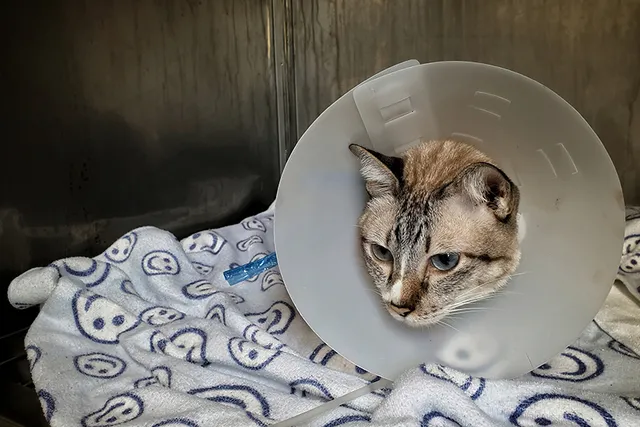
Feline immunodeficiency virus (FIV) is a common and serious infection in cats worldwide. This lentivirus, which weakens the cat's immune system, is similar to the human immunodeficiency virus (HIV) responsible for AIDS in humans 1. Although cats with FIV may seem fine for a while, the virus eventually attacks their immune system, making them more vulnerable to infections that they would normally fight off. That said, most cats with FIV often enjoy a normal life expectancy, though they may need more intensive care for certain illnesses 2.
Here are various facts about FIV that can help you better understand this virus that affects feline companions all around the world.

The 7 FIV in Cats Facts
1. FIV Is Mainly Transmitted Through Cat Bites
FIV primarily spreads through bite wounds from an infected cat. In rare cases, a mother cat with FIV can pass the infection to her kittens, with an increased risk if she acquires FIV during pregnancy. FIV-infected cats are also more prone to other diseases affecting the gums, mouth, digestive tract, urinary tract, and skin. They face an increased risk of certain blood cancers.
2. Unneutered Male Cats Are at Higher Risk of Contracting FIV
FIV is more common in unneutered male cats. Interestingly, only 3–5% of cats tested in North America carry FIV , unlike in Latin America, where up to 25% of cats tested are infected. The higher prevalence in Latin America may be because there are more unneutered stray cats in these regions.

3. The FIV Vaccine Was Discontinued in 2016
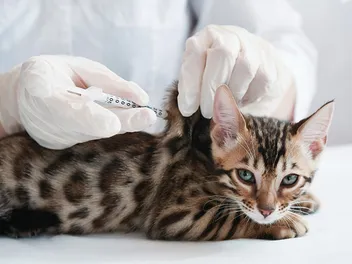
From 2002 to 2017, a vaccine against FIV was available in North America. It was generally considered safe, with rare side effects. However, this vaccine was discontinued in 2016 for various reasons.
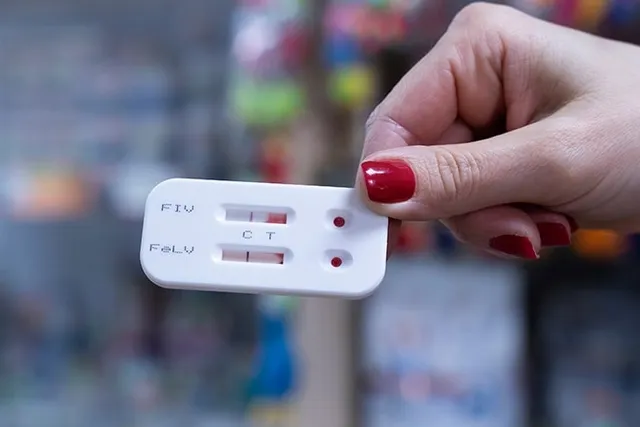
For one thing, vaccinated cats were at full risk of infection if exposed to strains not in the vaccine, which was particularly problematic in areas like the United Kingdom, where the vaccine provided minimal protection. Also, vaccinated cats could test positive for FIV years after vaccination due to tests being unable to distinguish vaccine antibodies from natural infection. As a result, vaccinated cats could potentially receive incorrect FIV diagnoses without further testing.
4. There Are Three Phases of FIV Infection in Cats

FIV infection generally occurs in three phases: acute, asymptomatic, and progressive.
- Acute phase (1 to 3 months): After infection, the virus reproduces in T lymphocytes in the lymph nodes. This phase, often benign, causes certain clinical signs in cats, such as fever, lethargy, and loss of appetite, but owners may unintentionally ignore them or attribute them to other causes.
- Asymptomatic phase (months to years): After the acute phase, the virus replicates slowly, without cats showing any apparent signs of illness. However, they may have abnormalities in blood tests. Some remain at this stage without progressing.
- Progressive phase (variable): The virus spreads and weakens cats' immune systems, making them vulnerable to secondary infections. They can develop skin, eye, urinary, or respiratory infections and severe dental issues and have a higher risk of cancer. If several critical issues occur, the survival time is typically only a few months.
5. Cats Infected With FIV Can Have Normal Lives
Although there is no known cure for FIV, cats infected with it can still live a good life if they receive proper management. However, if an FIV-infected cat experiences severe illnesses or persistent fever and weight loss, their prognosis is generally less favorable.
6. There’s One Simple Way to Protect Your Cat From FIV
In the absence of an FIV vaccine, the best way to protect cats is to avoid exposing them to the virus. Since cat bites are the primary means of spread, keeping cats indoors reduces the risk. Introducing only infection-free cats to homes with uninfected cats can also prevent infections.

7. FIV Can’t Be Transmitted to Humans
Despite its similarity to HIV, FIV is strictly a species-specific virus, affecting only felines. There is no evidence supporting FIV transmission or disease in humans. While it's termed "feline AIDS" due to its resemblance to HIV, FIV exclusively infects cats and poses no threat to people.

Conclusion
Although FIV is an incurable disease, it does not necessarily carry a death sentence. Many cats can enjoy long, beautiful lives despite having an FIV diagnosis. The important thing here is to provide them with appropriate veterinary care, depending on the stage of the virus and how their immune system is affected. Numerous clinical trials are also looking at new antiviral drugs to prolong the lives of cats affected by FIV.
Featured Image Credit: Vladeep, Shutterstock
Expert cat care, straight to your inbox
News, insights, and useful advice, delivered to you.

No spam — unsubscribe anytime.
By signing up, you agree to our Terms & Conditions and Privacy & Cookies Policy.
How useful was this post?
Click a star to rate. You can leave written feedback afterwards. (We read all feedback.)
Genevieve is both a biologist and a science writer, driven by her deep love for capuchin monkeys, pumas, and kangaroos. Her dedication to wildlife has taken her across the globe, from Bolivia and Guatemala to Canada and Australia, working and volunteering at various rehabilitation centers. As a Canadian living in Argentina, Genevieve starts her days with horses and cows greeting her from the plains outside her home office. She is the proud parent of three rescued dogs—Lemmy, Nala, and Pochi—and an energetic kitten named Furiosa. The opportunity to share her passion and expertise in animal care brings her great satisfaction.