Get

In Your Inbox

Catster is reader-supported. When you buy via links on our site, we may earn an affiliate commission at no cost to you. Learn more.

Reverse Sneezing in Cats: Our Vet Explains Signs, Causes & Treatment

Share

Cat-sneezes

When you spend your life surrounded by cats, it’s inevitable that you will become familiar with a wide assortment of sounds and actions, with some that are normal and some that are not so normal. Reverse sneezing isn’t something commonly seen in cats, and fortunately, it is rarely associated with anything too worrying. However, it’s important to know how to distinguish reverse sneezing from some other respiratory quirks and when to be concerned.

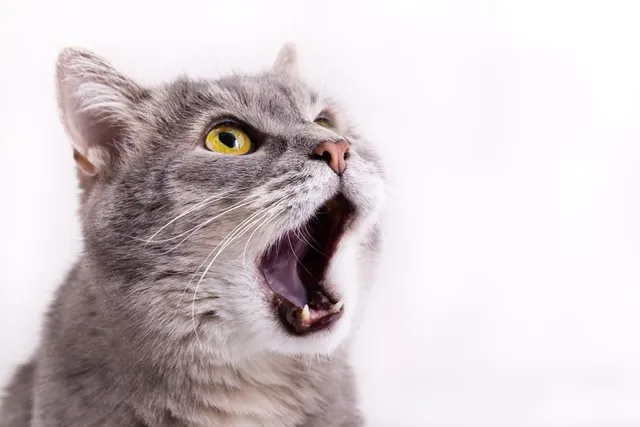
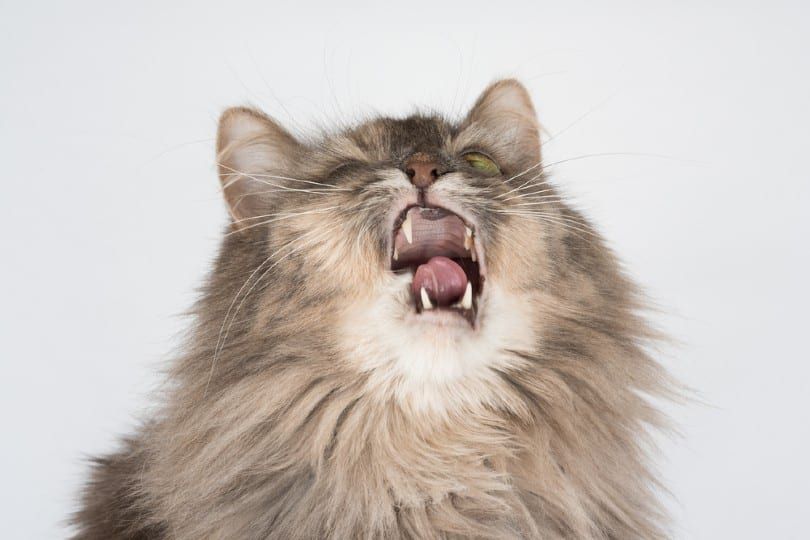
If you have seen your cat stretching their neck and loudly snorting air in through their mouth and nose, you are likely seeing a reverse sneeze. Let’s take a look at what reverse sneezing is, what causes it, and what else it might be.

divider cat paw scratch oct 2024

What Is Reverse Sneezing in Cats?

To understand reverse sneezing, it helps to picture what happens when we sneeze. It usually starts out with irritation in the nose, which causes us to take a deep breath in and forcefully expel the air using our diaphragm. Also known as paroxysmal respiration, a reverse sneeze is essentially exactly what it sounds like. It usually starts with irritation of the nasopharynx (the area where the sinuses enter the throat), which causes a spasm reflex in the diaphragm, causing air to be forcefully drawn in through the mouth and nose.

Sneezing and reverse sneezing are both reflexes designed to push irritants out of the nose or pull them away from the nasopharynx. In cats, this is often mistaken for vomiting, as the movement of the diaphragm looks like abdominal heaving.

In most cases, cats do not appear overly distressed when they reverse sneeze and recover quickly, which is one factor that can help us differentiate it from other conditions.

a ginger cat sneezes
Image Credit: Ihtar, Pixabay

What Causes Reverse Sneezing in Cats?

Reverse sneezing occurs more commonly in dogs, and overwhelmingly so in brachycephalic breeds, like Pugs or French Bulldogs. Because of the compression of their internal facial structures, their soft palate regularly becomes trapped and triggers this reflex. Other causes in dogs include pulling on a leash and compressing the airway, eating, or drinking too quickly, and excitement.

In cats, however, the more common triggers for reverse sneezing are:
  • Physical irritants (e.g., dust, grass, pollen, or hair)
  • Mass or tumor (e.g., nasopharyngeal polyp)
  • Infection

Most physical irritants will be shifted by the act of reverse sneezing. However, one common presentation in cats is grass that has become trapped behind the soft palate. This can often be dealt with by flushing the sinuses but often requires removal under a general anesthetic.

If infection is the cause, we would expect to see additional signs, such as nasal discharge, watery or sticky eyes, inappetence, and lethargy.

If the reverse sneezing is due to a growth, such as a tumor or nasopharyngeal polyp, it will often be accompanied by snoring and increased respiratory sounds, and we would expect the signs to progressively get worse.

What Else Could It Be?

  • Choking: This is in an emergency. If your cat is choking, they will become extremely distressed, their eyes may bulge, and their gums may appear blue or purple in color. If you can see the cause of the choking, safely try to remove the object. If not, lay your cat on their side and, placing a flat hand on either side of the chest, push or pat the rib cage in an attempt to force the object out of the airways. Ideally, do this on the way to the veterinary hospital.
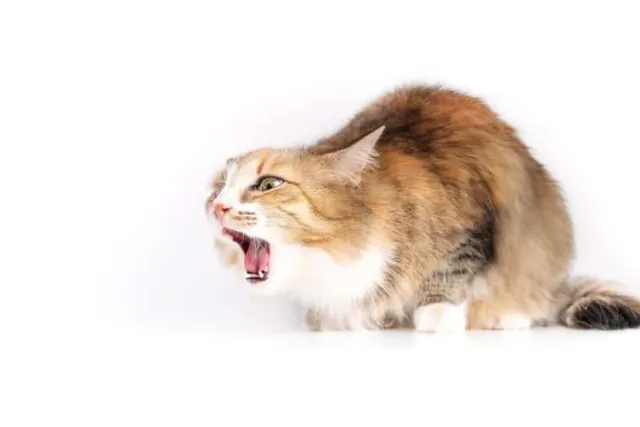
  • Ejecting a Hairball: You’ve probably heard the term “cough up a hairball,” which is a bit misleading. The hairball is in the esophagus, so it is not being coughed up, but the action a cat uses to try to expel it does look like they are coughing or gagging. Cats that are bringing up hairballs tend to sit close to the ground and stretch their neck whilst making a wheezing, hacking sound that is slowly repeated.

This differs from reverse sneezing in that, most of the time, cats reverse sneeze in a standing or seated position, and the sneezes are quite short, sharp, and close together.

  • Asthma: A relatively common respiratory disease in cats, the primary presenting signs of feline asthma are a chronic cough, wheezing, difficulty breathing, open-mouthed breathing, and rapid breathing. In early stages, the signs of asthma may resemble reverse sneezing, but as the condition progresses, it becomes clear that this is an issue with the lungs, rather than the upper airway.

divider cat paw scratch oct 2024

Is There a Treatment for Reverse Sneezing in Cats?

In the vast majority of cases, no treatment is needed. Once the stimulus for the sneezing episode has subsided or resolved, the sneezing will also settle. Most episodes last less than a minute, gone as swiftly as they came.

If the reverse sneezing lasts longer than this, you can try using a gentle coupage method. Place one palm flat against one side of the chest. With the other hand, make a cup shape, and gently pat the other side of the chest. This helps force air up through the nasopharynx and open up the airways.

If the problem persists or if your cat is having regular episodes of reverse sneezing, you should make an appointment with your vet.

If you need to speak with a vet but can't get to one, head over to PangoVet. It's an online service where you can talk to a vet online and get the advice you need for your pet — all at an affordable price!

Preventative wellness PGV mention keep cat healthy Preventative wellness PGV mention keep cat healthy mobile

Can I Prevent Reverse Sneezing?

The best thing you can do to help reduce your cat’s risk of inhaled irritants is to minimize dust and debris in the air, and regular vacuuming is the number one best way to combat this. Make sure your vacuum cleaner uses a HEPA filter. Other things you can do is to use a low-dust cat litter, and, if your cat goes outside, keep them in on windy days or when pollen counts are high.

Making sure your cat sees a vet at least once a year for their annual checkup is one of the best things you can do for your cat. This is when minor changes and subtle signs can be detected, long before your cat lets you know there’s a problem. Issues with the heart or lungs, changes or lumps in the abdomen, inflammation of the ears or throat, and dental disease are all problems that can be picked up on a veterinary exam, which you may not otherwise be aware of.

divider cat paw scratch oct 2024

Final Thoughts

Reverse sneezing in cats is a relatively uncommon event and not usually cause for concern. However, if it becomes a regular occurrence for your cat, or they exhibit any other concerning signs, a visit to the vet is certainly in order. In most cases, the reverse sneeze will stop as quickly as it started, but some cats may appreciate a pat on the chest to help clear the problem.

If you’re not sure if your cat is reverse sneezing, it is always a good idea to make an appointment for a checkup. It is far better to get professional confirmation that everything’s okay than to miss an opportunity to tackle a respiratory problem in the early stages.


Featured Image Credit: ZlataMarka, Shutterstock

Want content like this delivered to you?

Sign Up For Our Newsletter

News, insights, expert advice, and everything cat

* By submitting, you agree to our Terms & Conditions and Privacy & Cookies Policy.


How useful was this post?

Click on a star to rate (you can leave written feedback after clicking submit)

Help us improve Catster for pet parents!

Your feedback really matters.

What did you like about this post? Also how can we improve it?

Join the conversation

Leave a Reply

You’re very welcome to leave a comment or question. Please know that all comments must meet our community guidelines, and your email address will NOT be published. Let’s have a positive and constructive conversation.


Talk With A Vet Online

Peace of mind,
anywhere, anytime

Affordable vet advice

A Scientific Inquiry into the Phenomenon of the “Blep”

By Professor Fluffovich, Feline Behavioural Scientist (Self-Appointed), Specialist in Snack Acquisition & Advanced Lounging Esteemed readers, colleagues, and providers of licky treats… It...

Why Chicken Bones Are More Dangerous for Cats Than Most Parents Realize

Chicken bones seem harmless enough, but for cats, they can cause serious damage quickly. Whether your cat swiped a piece off the counter...

Fantastic Pet Pantries and Where to Find Them

Let’s face it: times are really tough right now, and those of us in the 99% are struggling with the cost of just...

Ask Dr. Paola – Help! My Cat Refuses to Drink Water! (April 13, 2026)

Welcome to our “Ask Dr. Paola” series, where every Monday we bring expert advice straight from Dr. Paola Cuevas (MVZ) to help our...

More related

Can Cats Eat Rotisserie Chicken? Vet-Approved Risks & FAQ

Rotisserie chicken is a delicious and versatile food that many humans regularly consume. Just the smell of fresh, warm rotisserie chicken brings most...

Do Cats Like To Play Hide And Seek? 9 Vet-Verified Tips On Playing With Your Cat

Cats are playful animals, especially kittens, and enjoy playing different games that mimic hunting behavior. In fact, many owners notice that their cats...

Is It Disrespectful to Want to Get Another Cat Right After the Death of Your Cat? (Vet-Verified)

The loss of a cat is never easy, and the fact that grieving a pet is a disenfranchised grief (or one that isn’t...

Is Kalanchoe Poisonous to Cats? Vet-Reviewed Toxicity Explained

Kalanchoe is a type of succulent plant, popularly kept as a houseplant. Although it is not considered one of the most dangerous, it...

Keep reading

Alternatives to Declawing Your Cat: 8 Humane Options

On paper, declawing your cat might seem like a simple way to stop your furniture from being ripped to shreds, but the reality is that it’s a cruel and painful operation that can lead to long-term pain, discomfort, and behavioral...

cat claw

Acana vs. Orijen Cat Food: Our 2026 In-Depth Comparison

If you take your cat’s health seriously, you may have thought about investing in a premium cat food brand to feed to them. However, it seems like there are just as many choices to make on the high end as...

Acana VS Orijen

Treating Heartworm Disease in Cats: Can It Be Cured? Vet-Approved Info

Finding out your cat may have heartworm can be a shock, although the diagnosis may be quite challenging to establish. Heartworms are parasites that live inside the heart and large blood vessels, causing it to function incorrectly and even stop...

bengal cat and vet

Will Ammonia Keep Cats Away? Humane & Natural Alternatives

Even the most devoted animal lover doesn’t want cats trampling through their garden or defecating on their lawn. You can make many DIY cat repellants to keep cats out of undesired areas, and you may have read that spraying ammonia...

ammonia

Can Cats Eat Kidney Beans? Vet-Reviewed Facts & Health Guidelines

Kidney beans are a tasty legume chock full of health benefits for humans, but are they something you can share with your cat? While cooked kidney beans aren’t toxic for kitties and offer some nutritional benefits, they aren’t found in...

Can Cats Eat Kidney Beans

Why Do Cats Fight? 8 Vet-Verified Reasons & How to Stop the Fighting

If you live in a multi-cat household, you may be familiar with spats among your feline friends. Referred to as inter-cat aggression, cat fights are stressful to pet parents and potentially harmful to the cats. In this article, we explore...

two cats fighting

Can Cats Eat Bully Sticks? Vet Approved Nutrition Advice

Multi-pet households come with their fair share of challenges, one of which is keeping separate treats for your cats and dogs. Both animals have different nutritional requirements, and while your dog might not have a problem stealing a few cat...

Can Cats Eat Bully Sticks

How Can I Soothe My Cat’s Itchy Skin: 9 Natural Home Remedies

If you notice that your cat is scratching incessantly, losing hair, or developing a rash, they are likely having an allergic reaction. Skin allergies are fairly common in cats, affecting around 10% of felines, with causes ranging from fleas to...

cat itchy

Love Cats? So Do We! Join the Catster Community

Stay informed with expert pet care insights delivered straight to your inbox! Discover professional guidance on animal behavior, feeding tips, trusted product picks, and much more.


Sign up for the Catster Email Newsletter

Stay informed with expert pet care insights delivered straight to your inbox! Discover professional guidance on animal behavior, feeding tips, trusted product picks, and much more.