Japanese Bobtail Cat Breed Info: Pictures, Temperament & Traits

In this article
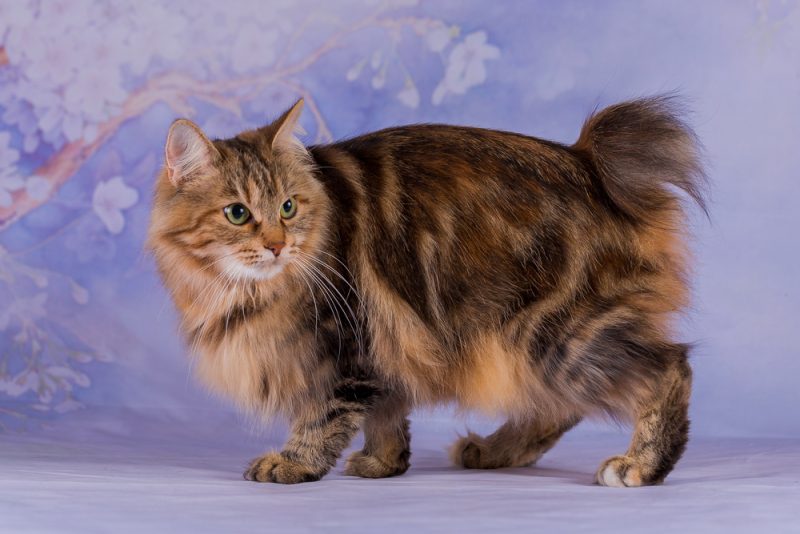
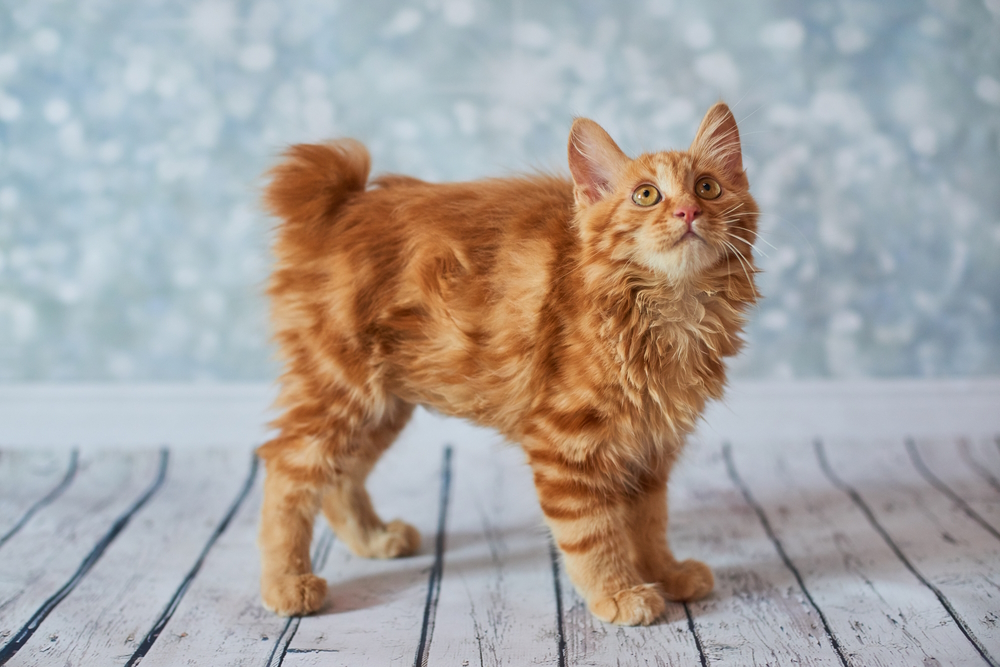
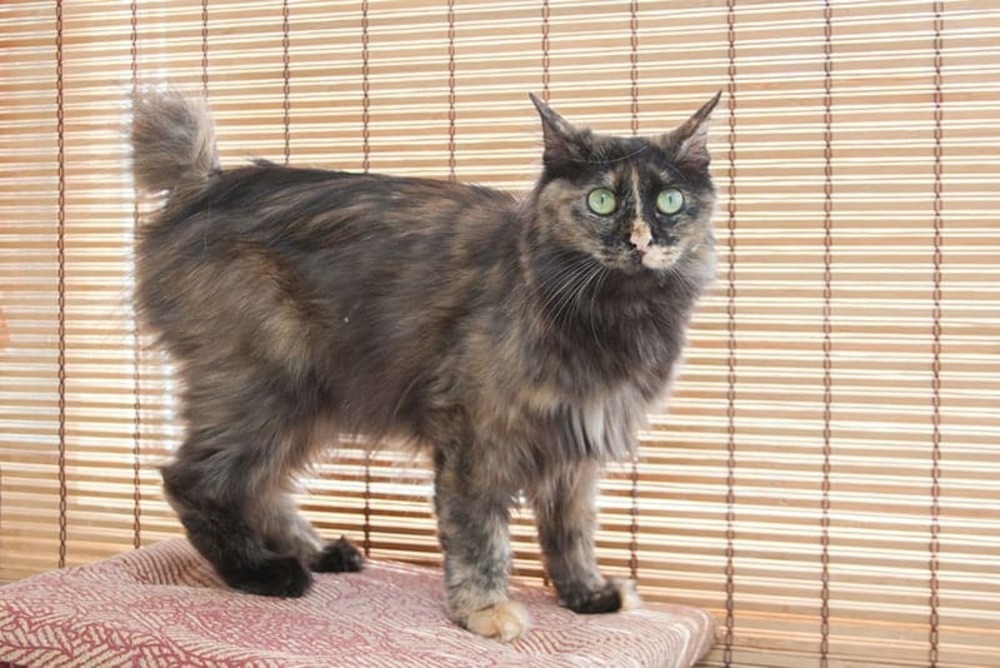
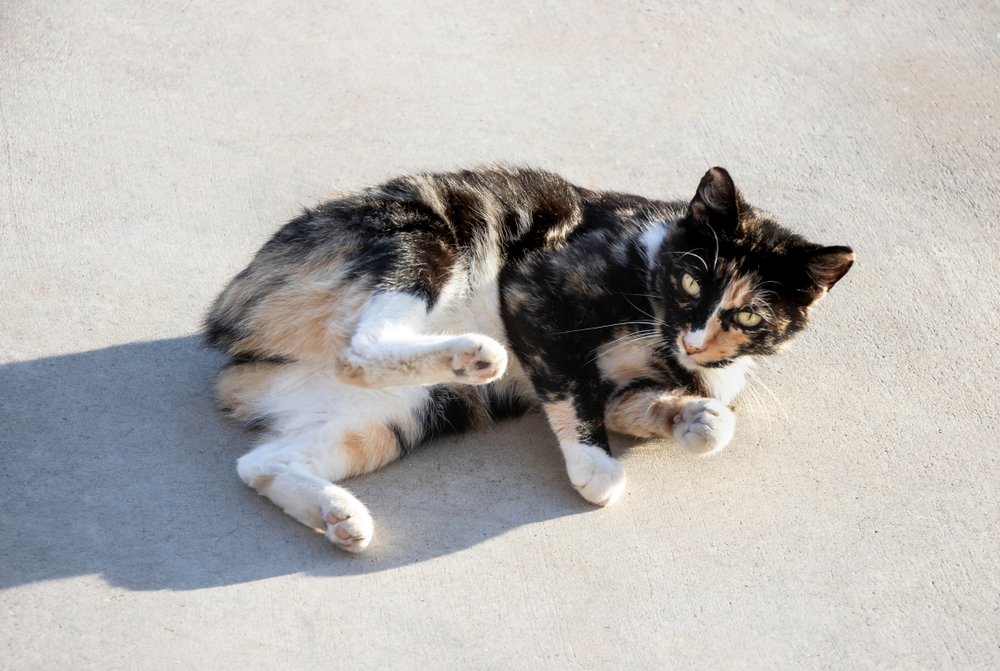
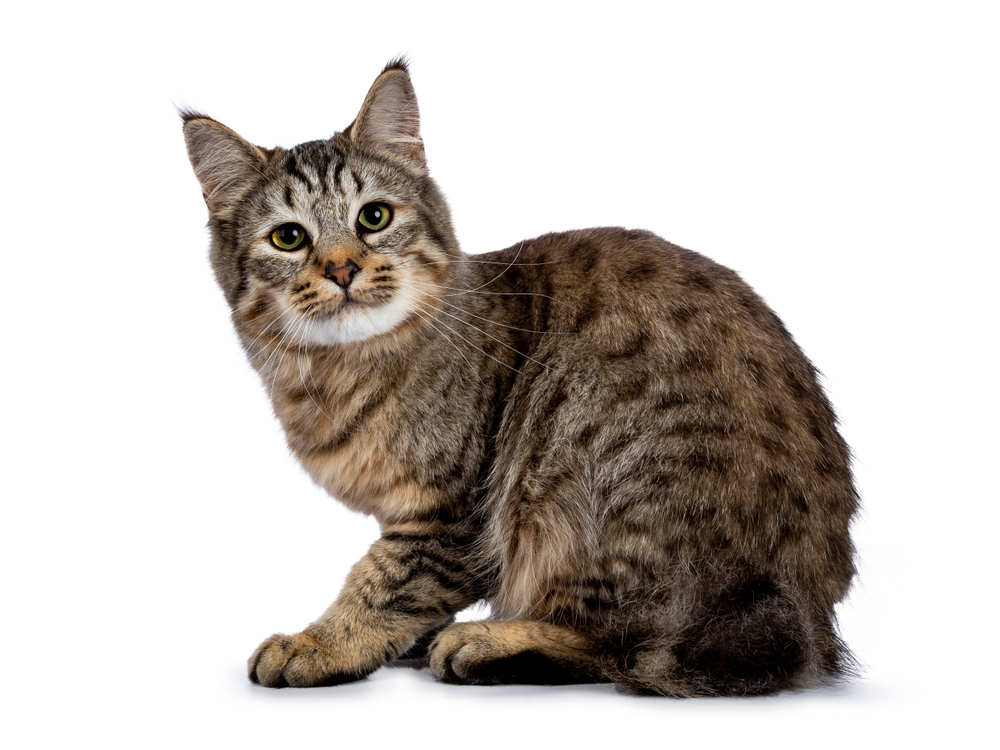
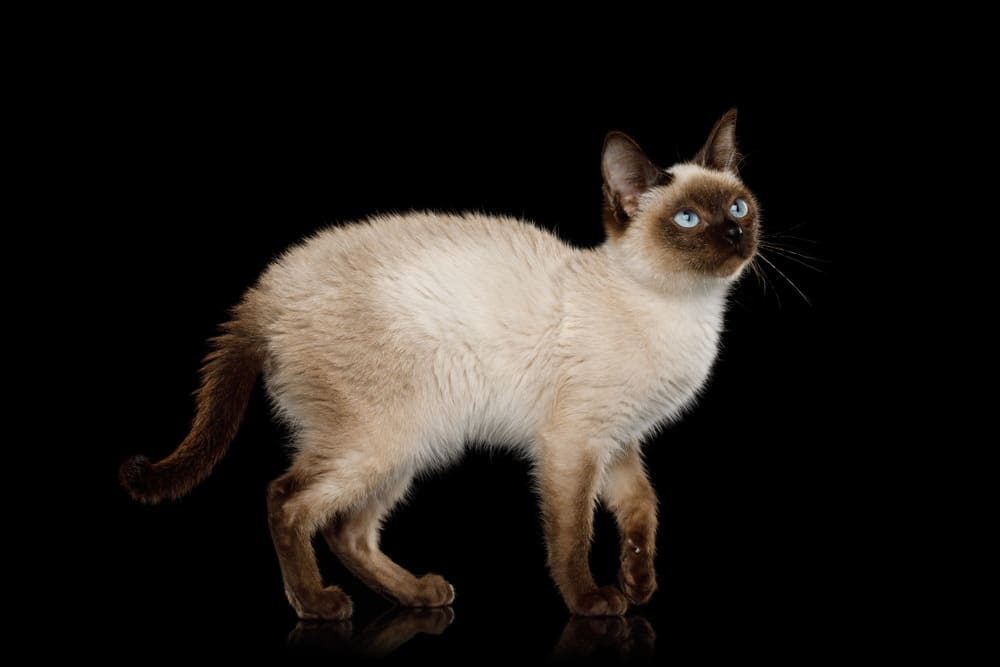
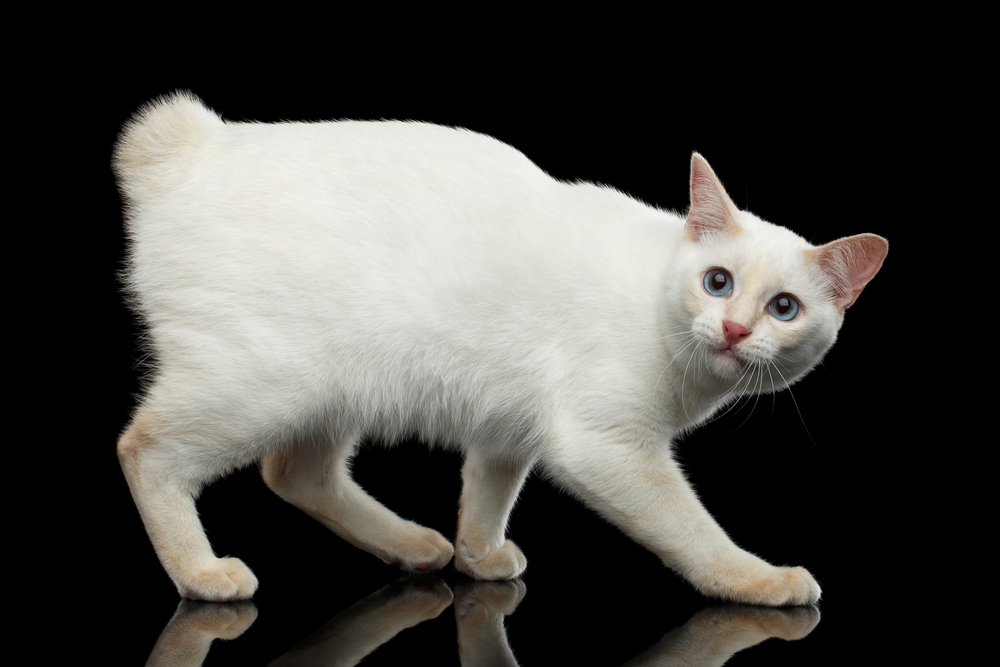
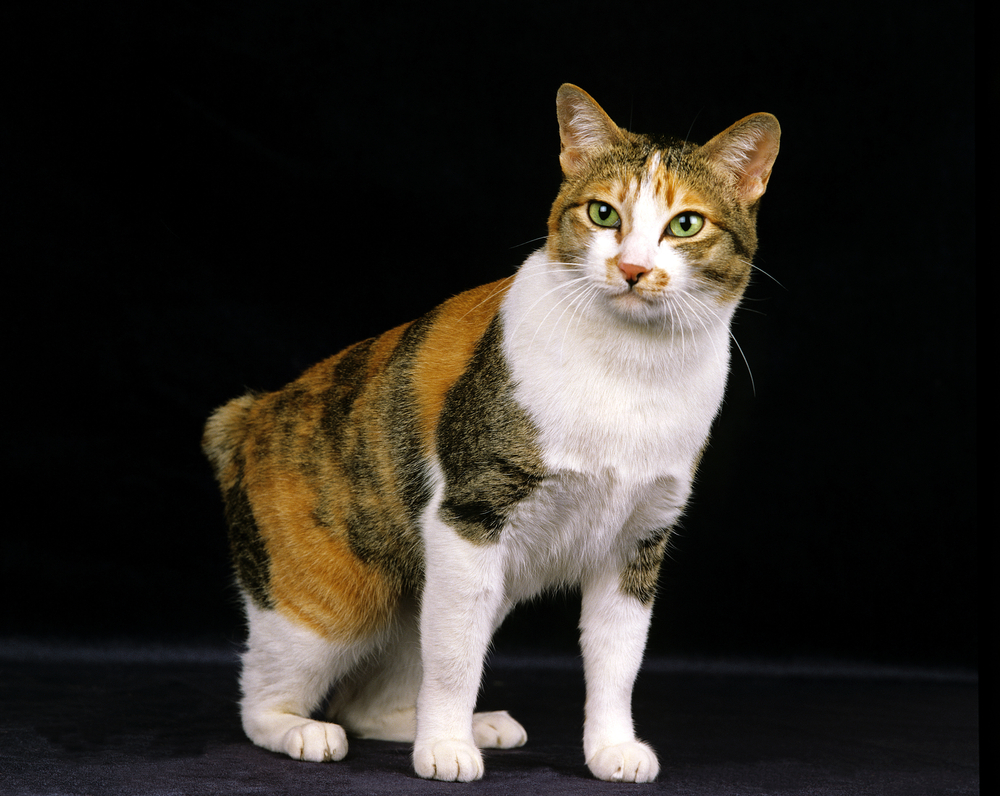
You might notice one prominent trait of the Japanese Bobtail: they have a "rabbit" tail instead of a cat tail! It is one of the most attractive aspects of the breed and is likely why your curiosity was piqued. Interestingly, no two tails on this breed are alike—some are rigid, and some are flexible. But, like our fingerprints, each is unique.
On top of having a very adorable nub, these beautiful cats have just as many wonderful quirks with personality as they do with looks, with a variety of Japanese Bobtail colors to choose from you’ll have a unique cat indeed. Let’s get to know them better!
Breed Overview
Length:
Weight:
Lifespan:
Colors:
Suitable for:
Temperament:
The Japanese Bobtail is a domestic cat from Japan that has an adorable stubby tail. If you love the look of this cat, you can get to know the Japanese Bobtail's characteristics throughout this article.
Japanese Bobtails have a rich history dating back to 1,000 years ago. While originally street and farm cats, these are purebreds today, and their price tag reflects that. They have developed into quite a wonderful family companion, sharing their lives with human families.
Japanese Bobtail Characteristics

Japanese Bobtail Kittens

Few things are cuter than a Japanese Bobtail kitten. If you want to add one of these adorable cuties to your household, you should always buy from a reputable breeder. Once you research online, you can pinpoint breeders around your area.
However, since the breed is relatively rare, you might have to travel or consider shipping. We don't necessarily recommend shipping due to potential risks, but it is an option with some breeders.
Regardless of your chosen method, you should always select your Japanese Bobtail kitten from healthy, genetically sound cats. Always ask for health testing and expect deposits and kitten contracts. These contracts are put in place to protect the kitty from being rehomed.
Finding a domestic cat that isn't necessarily a Japanese Bobtail but has the bobbed tail feature is possible. This happens naturally sometimes in a normal litter—so you could find one for cheaper—or even free! Check at local rescues and shelters for options.

Temperament & Intelligence of the Japanese Bobtail 🧠
The Japanese Bobtail cat is incredibly intelligent and notoriously easy to train. They can easily pick up fundamental concepts, making litter training a breeze! These cats are incredibly athletic, so you can teach them lots of tricks or give them stimulating toys to enhance their mental focus.
These cats tend to be very energetic, so they need an outlet for their vitality. A bored Japanese Bobtail will surely get into trouble. However, if they are in your presence, they will make you laugh because of their clownish antics and playful nature.
It is essential to understand that Japanese Bobtails stay kitten-like for several years of its life. That means you will have a vibrant, energetic kitty in your household. While this isn't going to be excessive for most people, they do have higher energy levels than some. Always be willing to take them on before purchasing one of these kittens, ensuring you're compatible.
The Japanese Bobtail is a pretty independent cat. These little felines can be quite feisty and are very brave at heart. Sometimes, these cats are demanding or stubborn. So, if you don't want them to be on the counter, you can bet they'll be on the counter. If you try to coax them indoors, they might turn and walk the other way. They definitely have a mind of their own.
Are These Cats Good for Families? 👪
The Japanese Bobcat tail can make an excellent addition to any family. These cats work for just about any household, whether relaxed or busy. These cats are exceptional with children, making excellent playmates and cuddle buddies.
They enjoy time spent with their people and require stimulation and attention from owners. While they love interacting with their human companions, they also equally like doing their own thing. So this isn’t the type of cat you’ll have to entertain 24/7.
As with most house cats, your Japanese Bobtail will enjoy having their independence. It is completely up to the individual family whether you will allow your cat access to the great outdoors. Since they are knowledgeable, you can teach them to walk on a leash, much like a dog.

Does This Breed Get Along with Other Pets? 🐶🐱
The Japanese Bobtail does amazingly well with other pets in the home. If they are socialized early, they can acclimate to just about any dog or cat. In fact, these playful kitties will adore having another kitty companion to share their days with.
So, if you already have a house cat, this will be a perfect match. But if you're just now getting your very first kitty, you could get two! However, since these animals have very strong prey instincts, you should keep them away from smaller animals such as reptiles, birds, or rodents.
Things to Know When Owning a Japanese Bobtail:
Food & Diet Requirements 🐡
Your cat is an obligate carnivore, and their diet needs to reflect that. A Japanese Bobtail needs the same nutrition as any other cat. They require a high-quality dry kibble, wet canned food, or a fresh food diet.
While Japanese Bobtails are not prone to any particular allergies or health issues, it can certainly pop up from cat to cat. So be prepared to make any dietary changes if you notice that they are having any type of irritation or allergic reaction to the chosen food. As kittens, they will require a higher amount of protein, so getting a kitten formula is essential. It gives them all the building blocks their bodies need to have a firm foundation in life.
As your Japanese Bobtail enters the adult stage, you can switch to a standard diet containing at least 30 grams of protein per 100 grams of dry matter. These numbers can significantly increase due to life stage or pregnancy.
Exercise 🐈
Your Japanese Bobtail will need quite a bit of exercise, but they take care of most of these needs on their own. This highly energetic breed will always seek something to keep them busy.
On average, most domestic cats need roughly 15 minutes of daily exercise to stay healthy. Your Japanese Bobtail will get this in and much more. They will benefit from having lots of fun things to do around the house, so be sure to get them many enriching toys and other items.
Some ideas include cat scratching posts, cat trees, wall climbs, teaser toys, and so on! You can even get creative and make DIY jungle gyms and in-home contraptions to promote healthy exercise and exciting play.

Training 🧶
Training your Japanese Bobtail should be no problem. These brainy cats can pick up almost any concept you want to teach them. So, if you'd like your cat to walk on a leash, you can do so. You can also negotiate if you would like them to do a trick for a treat.
Litter box training should be a breeze. The first time you show your Japanese Bobtail to their litter box, it should be a natural habit that starts up. Since cats naturally want to cover their waste, most cats have no problem with this. That's one of the many perks of owning these furry companions.
Grooming ✂️
A Japanese Bobtail is not a low-shedding cat. They shed just as much as any other house cat but do most of the grooming themselves. These animals are very clean and take hygiene very seriously. They will spend the majority of their day licking themselves to perfection.
However, sometimes they require a little extra care. If you want to keep your Japanese Bobtail on a schedule, you can bathe them once every 4 to 6 weeks. Indoor-outdoor cats tend to need more frequent bathing than strictly indoor cats.
So always use your discretion and consider your lifestyle. It helps to acclimate your kitty to brushing early in life. That way, they will be used to the process, and it won't stress them out when it's time. You can brush your Japanese Bobtail a few times weekly for optimal coat health.
Like most cats, the Japanese Bobtail will love using their claws! To keep your furniture from damage, it's best to offer lots of cat scratching posts, and you can even trim nails or put on nail covers to cut down the damage possible with these little murder mittens.

Health and Conditions 🏥
The Japanese Bobtail is generally a very healthy cat. However, certain genetic factors play a role. Regular vetting will help you get ahead of any issues that might develop over time.
Male vs Female
Males and females can be quite different from one another, and it doesn't just boil down to personality. Males tend to be bigger than females, with stockier bodies and blockier skulls. Females are a bit more dainty and lanky and typically weigh 3 to 5 pounds less.
Once males and females reach sexual maturity, they can spray. However, males tend to exhibit this behavior more than females. Males might also become territorially aggressive or try to run away to seek out a mate.
Females in heat tend to be highly vocal, excessively affectionate, and exhibit many other peculiar behaviors. To eliminate any gender hormone-based behaviors, we recommend getting your cat spayed or neutered by 6 months of age.
3 Little-Known Facts About the Japanese Bobtail
1. The Japanese Bobtail's tail is compared to that of a rabbit.
The Japanese Bobtail has a tail much more similar to a rabbit's than a cat's. Some Japanese bobtails might even hop to get around due to the tail composition.
2. Japanese Bobtails love water!
Most cats steer pretty clear of water, but not this cat! The Japanese Bobtail is very curious about water, so you should get a running fountain or let the tap water run now and then. You might see this cat trying to invade you during shower time.
While it might be a peculiar behavior, it sure does come in handy for baths!
3. Heterochromia is very common in the Japanese Bobtail breed.
Heterochromia is the phenomenon of having two different colored eyes. You might see it in dog breeds such as the Australian Shepherd or Husky. While this is less common for cats, the Japanese Bobtail certainly has this phenomenon pop up from litter to litter.
Final Thoughts
The Japanese Bobtail is certainly an exciting cat that can make a terrific companion to any cat lover. This cat has been around for quite some time and continues to be popular in the purebred cat world due to their wonderful demeanor and sought-after appearance.
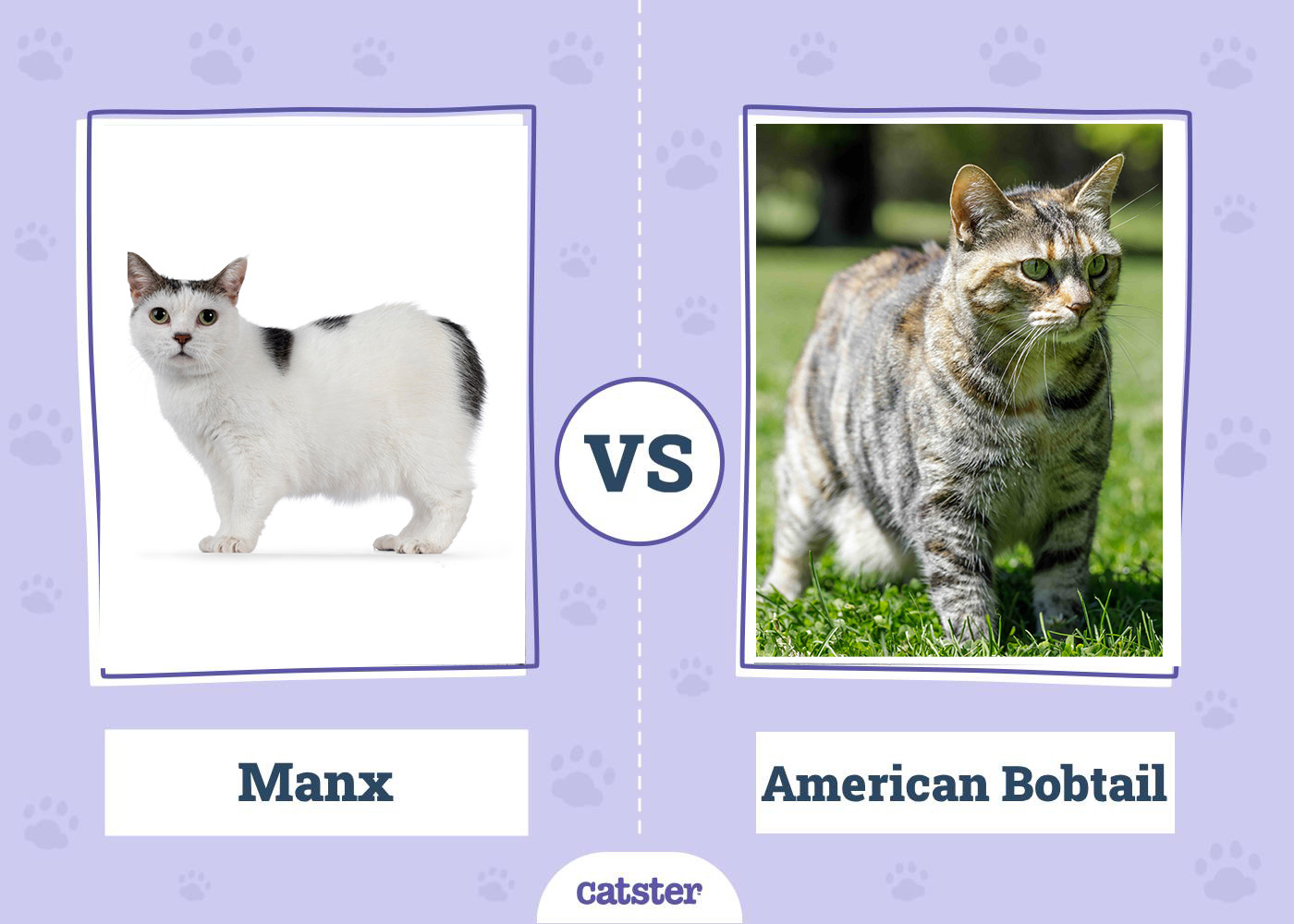
Now that you know more about this magnificent feline, you can check with local breeders near you to see if there are any available. Don't forget that if you're looking for a cat with a bobbed tail, there are several other naturally occurring tailless kitties, and you may even find tailless kitties in shelters and rescues.
Feature Image Credit: slowmotiongli, Shutterstock

Expert cat care, straight to your inbox
Vet-reviewed advice, behavior tips, and the best of Catster. Free, and you can unsubscribe anytime.
By signing up, you agree to our Terms & Conditions and Privacy & Cookies Policy.
As a freelance dog writer and passionate pet enthusiast, Ashley Bates is pursuing studies in animal therapy. A mother to four human children and 23 animal companions, Ashley is dedicated to volunteering at shelters, advocating for animal rights, and rescuing animals in need. Her goal is to spread awareness, provide education, and offer entertainment about pets to reduce homelessness. Ashley's specialties include dogs and cats.
Join the conversation
Ask a question, share your story, or send private feedback.