Is It Ethical To Clone A Cat? The Interesting Answer (Vet-Reviewed)

Cloning animals has been a topic of debate for many years. The first successful cloning of an animal was in 1996 when Dolly the sheep was cloned. Cloning can be used to create an exact copy of an animal or to create a hybrid animal.
Some people believe that cloning is immoral and should not be allowed, while others believe that it could be used to help save endangered species, save some wildlife from extinction, and keep beloved pets alive forever.
Cloning pets is a new technology that is being used more and more. There are many benefits to cloning your cat, including being able to have a replica of your companion and being able to clone a kitty friend who has passed on. There are also some risks associated with cloning pets, though, including the possibility of health problems in the clones. So, sadly there is not a sharp question if it's unethical or not, it will all depend on the country, economy, and many other factors.
In this article, we will explore the pros and cons of cloning felines. We will also discuss the latest developments in this emerging field.

Why Do Some People Clone Their Cats?
The loss of a beloved pet is a deep and painful experience for anyone who has ever loved a four-legged friend. Cloning can be beneficial for people who want to preserve the unique genetic makeup of their cat or who want to create another pet that is similar to their original cat. Creating an exact replica of your fluffy companion sounds like the stuff of dreams. However, pet cloning isn't as straightforward as some would have you believe.
How Are Cats Cloned?
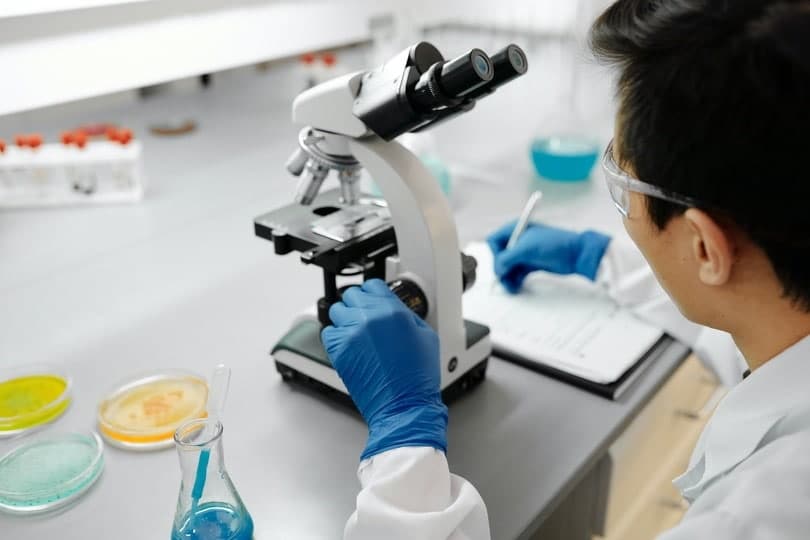
There are a few different ways that cats can be cloned. The most common way is to take a cell from the body of the cat you wish to clone. The cell can be collected from the tissue of an embryo, a fetus, or an adult feline. Then the nucleus is removed from the cell. The nucleus is then transferred into an egg that has had its nucleus removed-—this can be thought of as removing the yolk from the white, but in this case, it is a female cat’s mature ovule, which is sometimes referred to as the “egg”. The egg is stimulated with electricity so that the inserted nucleus and cytoplasm can fuse and it can begin dividing and develop into an embryo. Once the embryo is a certain size, it is implanted into a surrogate mother cat and if the embryo implants successfully, the cat will give birth to a cloned kitten. Clones are ready to go home once they are weaned, just like regular pets.

Is Pet Cloning Available In the United States?
The legal status of pet cloning in the United States is a complex matter. The technology is available in the country, but it is not legal to clone pets for commercial purposes. Some individuals have cloned their pets privately, but the practice is not widespread. There are a number of reasons why pet cloning is not more common in the United States. One major obstacle is the cost—cloning a pet can be expensive, and many people cannot afford to do it.
How Much Does It Cost To Clone a Cat?
The price of cloning a cat can depend on a number of factors, including the location of the clinic, the age and health of the donor cat, and the type of cloning technology used. Generally, though, the cost of cloning a cat will range upwards from $35,000. For example, the South Korean laboratory Sooam Biotech charges $100,000 to clone a cat. The cost of cloning a cat may also vary depending on the health of the cat being cloned and the quality of the DNA sample. Also, you will need to find a veterinarian who is willing to take and send a sample of your pet's tissue to the cloning company. This will involve an additional cost of up to $3,000.

Should I Clone My Cat?
There is no simple answer to this question. Some people may feel that cloning their cat would be a way to replicate their beloved pet, while others may feel that cloning represents an ethical dilemma. There are a number of factors to consider when making a decision about whether or not to clone a cat, including the potential for health risks to the clone and the ethical implications of creating a copy of an existing animal. Also consider the medical procedures performed on the surrogate cats. Ultimately, it is up to the individual to decide whether or not they believe cloning their cat is the right thing to do.

Is a Cloned Cat Really the Same Pet?
A cloned cat is not really the same pet. Although they may share some physical similarities, they will have different personalities and behaviors. Clones are essentially genetically identical, and so are identical twins, but the personality of each individual is unique. This means that even if two cloned cats are raised in the exact same environment, they will still have unique personalities.

Who Was the First Cloned Cat?
The world's first cloned cat, "Copy Cat," was created in a laboratory in 2001. Scientists used a technique called nuclear transfer to create Copy Cat, transferring the nucleus of an adult cell from one cat into an egg cell from another cat that had been emptied of its nucleus. The egg cell was then implanted into a third cat, and Copy Cat was born. Copycat was healthy and lived for 5 years.
Does the Cloning Process Cause Suffering for Cats?
Several attempts must be made in order to successfully clone a cat. It is estimated that about 75% of the time, cloning does not work. Some embryos that are implanted do not take to the surrogate, there are miscarriages, and pets may be born with congenital defects. A large number of female cats are needed to act as surrogates and donate eggs. The egg donor undergoes hormonal treatments and surgical egg harvesting. The surrogate undergoes multiple rounds of hormones to prepare for pregnancy and surgical implantation of embryos. In addition, any offspring born with birth defects suffer twice, when they are created, and then when they are euthanized due to their deformities. There is no doubt that cloning is harmful and causes pain to the animals.
What Happens to the Extra Cat Clones?
Many cloning attempts fail, so multiple embryos containing the original pet's genes are implanted simultaneously to make cloning more effective. Nonetheless, if multiple healthy clones of the original pet are born, it is unclear what happens to the extra clones. The defective clones are not considered viable organisms are therefore not candidates for adoption. The non-viable clones are terminated shortly after birth and their bodies are incinerated. Live extra cat clones are disposed of in a way that is consistent with the regulations of the cloning facility. They may be recycled into the facility as egg donors and surrogates or offered up for adoption, but they could also potentially be destroyed.

What Issues Are Involved with Cloning Dead Pets?
There are a few ethical concerns that are raised when it comes to cloning dead pets. One issue is that of creating a copy of an animal that is no longer alive. This could be seen as disrespectful to the original pet and its memory. This raises a number of questions, chief among them being whether it is right to use an animal's life as a means to an end, and whether or not we are playing God by creating new life in this way.
Another concern is that cloning may not be successful, which could lead to the deaths of many animals in the process of trying to create a single clone. You must decide to clone your pet while they are still alive as the cells of deceased animals have a limited lifespan. In order to clone a pet, scientists must extract living DNA from the animal's cells and then use that DNA to create new cells. However, the new cells will only live for a short period of time and after that will not be able to develop into a viable embryo. As a result, cloning a dead pet is not currently possible unless a sample was collected and cryopreserved while the pet was still alive.

Are Cloned Pets As Healthy As Normal Animals?
Some studies have shown that cloned animals do not always live as long as their non-cloned counterparts, and they are also more prone to developing genetic defects. However, it is important to note that these studies were conducted on a very small number of animals and that further research is needed before any definitive conclusions can be drawn.
Some of the main factors that would contribute to the health of a cloned pet would be the same as those that affect the health of a normal animal—genetic makeup, diet, environment, and exercise. However, there are also some additional factors that should be considered when discussing the health of cloned animals. The health of cloned animals is affected by a number of factors, including the quality of the cells used for cloning, the age and health of the animal from which the cells were taken, the method by which the clone was created, as well as the health and condition of the egg donor and surrogate mother.
What Is the Life Expectancy Of a Cloned Cat?
The life expectancy of a cloned cat is largely unknown, as no long-term study has been conducted on the matter. However, it is speculated that they may have a shorter lifespan than their non-cloned counterparts, as they are more prone to genetic defects. Some studies have found that clones may be more susceptible to disease and die at a younger age, but other studies have found no difference in the longevity of clones and non-clones. Studies on mice have shown that clones do in fact have shorter lifespans than their non-cloned siblings, but the reason for this is still unknown.

Conclusion
In conclusion, while cloning cats may seem like a fun and exciting idea, it is important to consider the ethical implications of this process. Cloning can be expensive, risky, and potentially harmful to both the cloned cat and other cats involved. So before you decide to clone your cat, be sure to weigh all the pros and cons.
Featured Image Credit: Edward Jenner, Pexels

Expert cat care, straight to your inbox
Vet-reviewed advice, behavior tips, and the best of Catster. Free, and you can unsubscribe anytime.
By signing up, you agree to our Terms & Conditions and Privacy & Cookies Policy.
Christian started writing for a local newspaper as a teenager, and he's been involved in the publishing industry for most of his adult life. Combining his love of writing with a passion for animals, he is currently the Director of Editorial at Pangolia and the Editor-in-Chief at Catster.
Christian lives in the Philippines with his wife, son, and four rescue cats: Trixie, Chloe, Sparky, and Chopper.
Join the conversation
Ask a question, share your story, or send private feedback.