How to Keep a Clean House With Multiple Cats: 9 Vet-Approved Cleaning Tips for a Spotless Home


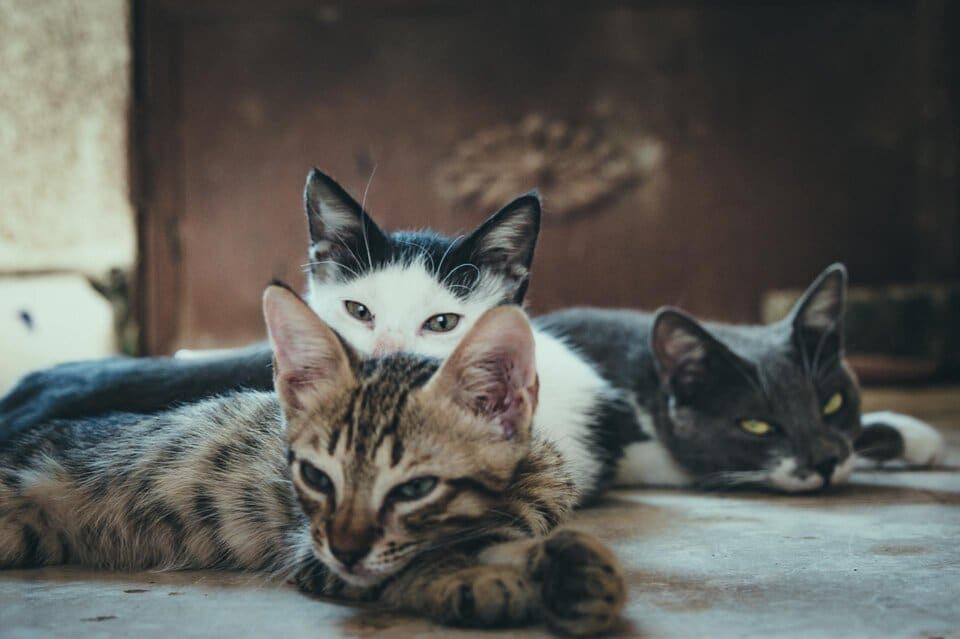
Living with multiple cats can be fun, especially if all your cats are pals and get along. However, the assumption that the home must stink to high heaven is usually at the forefront when one thinks of a home with multiple cats. Litter boxes don't smell like daisies and are typically the culprit to odors in the home, and most cats shed, adding more mess. To add insult to injury, so to speak, when you have multiple cats, you need multiple cat boxes, and you must also keep cat hair down so you don't have cat hair tumbleweeds flowing around.
So, how do you keep a clean house with multiple cats? Join us in learning nine tips for how to keep a clean house so you’re not viewed as the nutty cat lady with a stinky home that no one wants to visit.


How to Effectively Clean Up Cat Messes, Odors & Stains
The first part of cat mess prevention is ensuring you are taking the time to properly clean any accidents - and that starts with investing in the right products! Of course, you'll want to opt for something safe first and foremost, to protect your feline's health, but secondly, you'll need a solution powerful enough to lift the toughest, stinkiest, most set-in stains. After careful consideration, we fell in love with one product and highly recommend it to all pet owners!
Our Favorite Enzyme Cleaner
| Rating | Image | Product | Details | |
|---|---|---|---|---|
Best Enzyme Spray
 |

|
Hepper Advanced Bio-Enzyme Pet Stain & Odor Eliminator Spray |
|
Check Price |
There are several reasons we can't get enough of the Hepper Advanced Bio-Enzyme Pet Stain & Odor Eliminator Spray. It permanently removes the very worst smells and stains, it can be used on a multitude of surfaces and its neutral scented, meaning no odor masking! It comes in a generous 32-oz bottle and comes with 100% satisfaction guarantee. Learn more about this holy grail of a cleaner here!
At Catster, we’ve admired Hepper for many years, and decided to take a controlling ownership interest so that we could benefit from the outstanding products of this cool cat company!
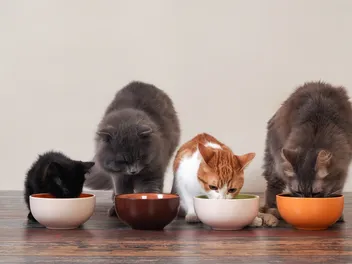
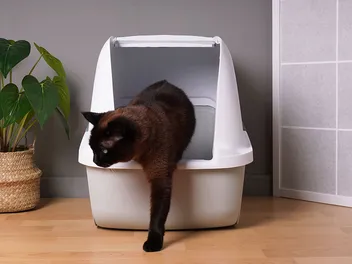
A rule of thumb when owning multiple cats is to have the correct number of litter boxes. So, you need a litter box per cat, plus one extra. For example, if you have three cats, you need four litter boxes. It sounds like a lot, but if you don’t have the correct number of litter boxes, you’ll end up with urine and feces issues throughout the home, which leads to odor problems.
Unlike dogs, cats are not pack animals, preferring privacy and space while going potty. So, before we begin, ensure you have enough litter boxes for all your kitties.
The 9 Cleaning Tips To Keep a Clean House With Multiple Cats
Now that we know the number of litter boxes you need, we can proceed with how to keep your house clean with multiple cats. Read on to learn nine tips for a spotless home with your beloved felines.
1. Carpets Equal Odors
If you have carpet in your home, you may want to consider removing it and replacing it with hard flooring. Carpets trap all sorts of odors, regardless of how much you vacuum. Laminate or hardwood flooring is an excellent choice when you have multiple cats and is easier to clean. Also, if one of your cats eliminates elsewhere, you can clean the spot much more quickly and efficiently, leaving the spot odor and stain-free.
2. Invest in a Pet Vacuum
Not all vacuums operate the same, and when you have multiple cats, investing in a quality pet vacuum can help tremendously. Pet vacuums are designed to target loose pet hair and the dander left behind by way of a HEPA filter, which is also excellent for allergy sufferers. They typically come with attachments for accessing hard-to-reach areas, and they have powerful suction. Look for one that works well for all floor types for the best results, and ensure you vacuum regularly—at least once a week.
Investing in a high-quality pet vacuum is especially ideal if you have carpet and it's not within your budget to replace it with hard flooring.
3. Keep a “Cat Room”
If you have the space, keeping cat toys, bedding, scratching posts, food, water, and litter boxes in a designated room can help keep odors down in other areas of your home. However, you may not have the extra space, and litter boxes should technically be scattered in low-traffic areas of your home. For example, cats desire privacy when they go potty, and keeping the litter boxes in one room is not ideal. This may work for two cats, but if you have more than three cats, you may run into issues, such as one of your cats going potty outside the litter box.
If you have a well-ventilated sunroom or screened-in patio that’s cat-proof, those areas are excellent choices for keeping one or two litter boxes. The idea is to keep all litter boxes out of the main living areas to keep smells down.

4. Scoop and Clean the Litter Boxes Regularly
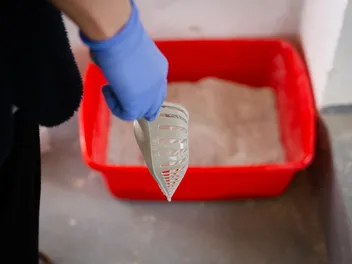
Clumping clay litter is a popular choice among cat owners because the waste will clump up, allowing you to scoop the waste out and replace it with fresh litter in that spot. You should also clean all litter boxes at least once a week with a mild, pet-friendly detergent and warm water. Ensure you rinse the detergent out completely and dry thoroughly before adding fresh litter.
Tip: Choose unscented cat litter to help minimize odors and avoid respiratory issues. Scented litter tends to trigger respiratory issues in susceptible cats and humans, and it’s also unsuitable for allergy sufferers in the home. We recommend choosing a low-dust cat litter for this purpose.

5. Use a Cat Litter Mat
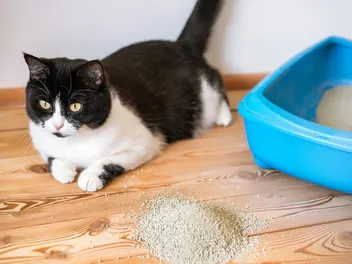
Some cat litter tracks all over the home when your cat exits the litter box, as it gets stuck on the paws and ends up on your floor. You can buy a cat litter mat to help keep this problem to a minimum. Some cat litter is marketed as “low tracking,” and they are worth a try. If your cat is a litter thrower, investing in a litter mat is an excellent option to reduce the mess.
6. Run HEPA Air Purifiers
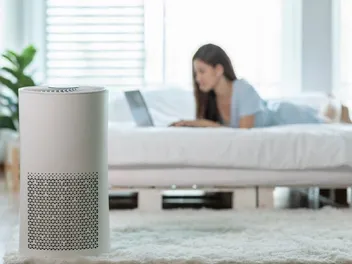
HEPA air purifiers with activated carbon filters can help reduce cat odor; they also help keep dander and dust to a minimum, which is ideal for those with allergies. HEPA (high-efficiency particulate air) filters remove 99.97% of dust, pollen, mold, bacteria, and other airborne particles for a cleaner environment, and they are highly recommended if you live with cats.
7. Brush Your Cats Often
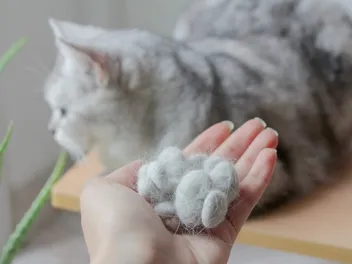
Unless you own hairless cats, such as the Sphynx or Peterbald, your cat will shed hair—often. Whether your cats are long- or short-haired, brushing their coats regularly will help reduce loose hair that gets trapped on furniture, clothing, bedding, or any other areas of your home.
If you own long-haired cats, brushing the coat daily is essential in keeping mats down, which can make cats very uncomfortable. Daily brushing also helps reduce the amount of hair long-haired cats swallow, therefore reducing hairballs. For short-haired cats, you should brush them approximately once a week.

8. Choose Washable Fabrics
All cat owners know that cats love to lounge, and choosing machine-washable fabrics helps reduce hair and odors; they also help protect your furniture. When a cover, comforter, cat bed, or any other fabric gets dirty with excessive hair and other particles, it makes a world of difference to throw the materials in the washing machine, as they will come out hair and odor-free.
Tip: Be careful with the type of laundry detergent you use, as some cats may be sensitive to dyes, chemicals, and fragrances. It’s best to opt for all-natural, pet-friendly laundry detergents without these added ingredients to ensure your cat doesn’t suffer a possible allergic reaction, especially if one of your cats already has respiratory issues.
9. Keep Enzymatic Cleaners Handy
Enzymatic cleaners are life savers when you live with pets. Accidents will happen, whether feces, urine, or even vomit. It’s best to tackle the mess right away to help reduce smells and stains, and if you have an enzymatic cleaner at the ready, you’re a step ahead of the game. Enzymatic cleaners contain enzymes that break down bacteria and ammonia in cat urine, which is the culprit for the strong odor.

- ADVANCED ENZYMATIC CLEANER - Penetrates the most stubborn smells and stains at the deepest molecular levels to dissolve any pet mess you encounter and lift it away at the source.
- FOR ANY MESS, ON ANY SURFACE - This pet odor eliminator cleans your carpets, floors, furniture, fabrics, and more. Whether it's urine, feces, vomit, or drool, you can erase all foul spots and smells!
- FRESH, NATURAL ODOR - Our unique formulation doesn't rely on dangerous or unpleasant chemical fragrances to get the job done. We eradicate smells and stains, not just cover them up.
At Catster, we’ve admired Hepper for many years and decided to take a controlling ownership interest so that we could benefit from the outstanding products of this cool cat company!

Conclusion
Keeping a clean house with multiple cats requires investing in specific items, such as a pet vacuum with a HEPA filter, running HEPA air purifiers, having multiple litter boxes, keeping the litter boxes clean, brushing your cats, cleaning accidents with enzymatic cleaners, and washing fabrics your cats like to lay on. Although switching out carpet to hard flooring is advisable, not everyone has this in their budget. In that case, ensure you often vacuum with a pet vacuum that targets dust, dander, and hair, and keep those litter boxes clean as much as possible.
You might also like: How to Live with Multiple Cats: Vet-Approved Tips
Sources
Featured Image Credit: Mustafa ezz, Pexels
Expert cat care, straight to your inbox
News, insights, and useful advice, delivered to you.

No spam — unsubscribe anytime.
By signing up, you agree to our Terms & Conditions and Privacy & Cookies Policy.
How useful was this post?
Click a star to rate. You can leave written feedback afterwards. (We read all feedback.)
Rachel Giordano is a Pensacola, Florida-based musician and writer. She lives with her partner and their two dogs, Sophie, a Boston Terrier, and Aero, a Border Collie/Sheltie mix. Rachel holds a Bachelor of Arts degree in communication and loves writing about all types of cat breeds. When she’s not writing about cats, she loves to write suspense/thriller novels. A musician by night and writer by day, she enjoys sharing her knowledge of the needs and requirements of our furry friends.