How Big Do Tabby Cats Get? Vet-Verified Average Size & Growth Charts



In this article
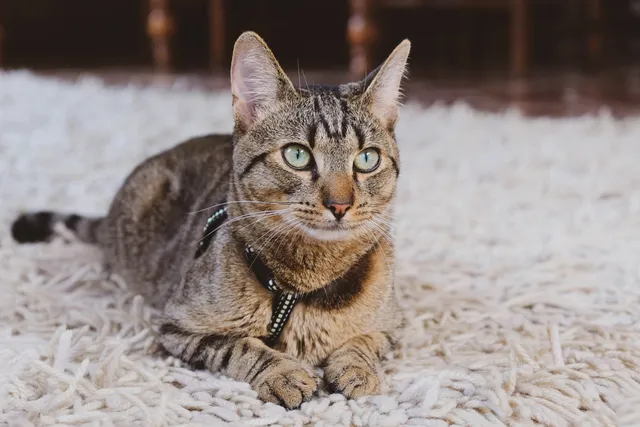
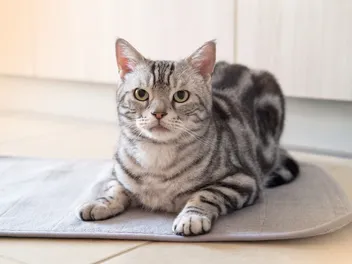
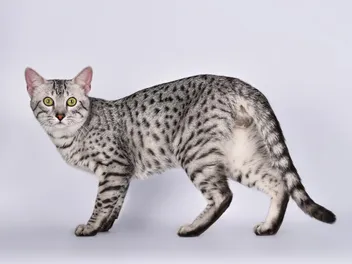
Tabby cats are commonly mistaken for being a specific cat breed. However, the word “tabby” refers to a cat’s coat pattern, and most cat breeds can have the tabby pattern. With that being said, how big do tabby cats get? The best way to get an accurate estimate of your tabby cat’s size is by determining their breed and following the breed’s growth and development rate. On average, a tabby cat will weigh between 6-20 pounds, depending on the breed.

Tabby Cat Growth Charts

There are significant benefits to charting a kitten’s growth throughout the first year of their life. Since the tabby cat's size and growth rate will vary depending on their breed, we’ve created charts of the average growth rates of different-sized cat breeds. These charts will help you get a better picture of how you can expect your tabby cat to grow.
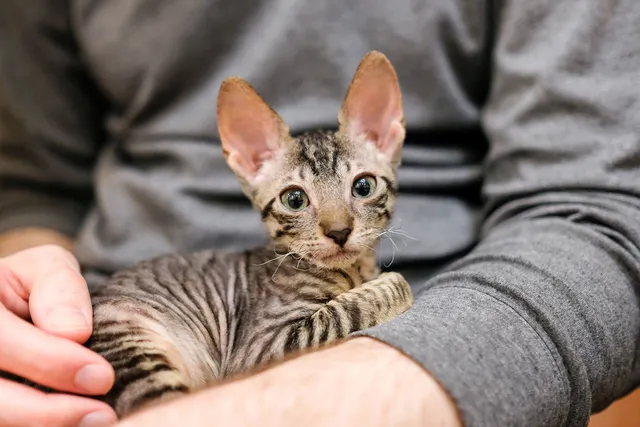
Small Cat Breed (Like a Cornish Rex)
| Age | Weight |
| 1 month | 12.3 – 15.9 ounces |
| 2 months | 1.5 – 1.7 pounds |
| 3 months | 3 – 3.5 pounds |
| 4 Months | 4 – 4.5 pounds |
| 5 months | 5 – 5.5 pounds |
| 6 months | 6 – 6.5 pounds |
| 1 year | 6 – 10 pounds |

Medium Cat Breed (Like an American Shorthair)
| Age | Weight |
| 1 month | 1 – 1.5 pounds |
| 2 months | 1.5 – 2 pounds |
| 3 months | 2 – 4 pounds |
| 4 Months | 4 – 5.5 pounds |
| 5 months | 5 – 6 pounds |
| 6 months | 6 – 6.5 pounds |
| 1 year | 7 – 15 pounds |

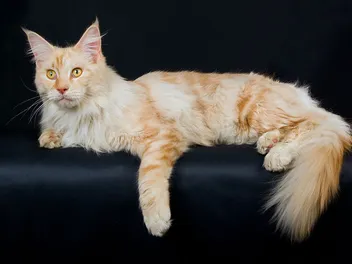
Large Cat Breed (Like a Maine Coon)
| Age | Weight |
| 1 month | 1.2 – 1.8 pounds |
| 2 months | 2.2 – 3.5 pounds |
| 3 months | 3 – 6 pounds |
| 4 Months | 5 – 8.5 pounds |
| 5 months | 6 – 12 pounds |
| 6 months | 7 – 13.2 pounds |
| 1 year | 10 – 20 pounds |


What Affects a Tabby Cat’s Growth
Several other factors besides breed will affect your tabby cat’s size. Genetics plays a strong role, and it’s common for a full-grown tabby cat to be a similar size to their parents. Female tabby cats also tend to be smaller than male tabby cats.
Environmental factors also play an essential role in a kitten’s growth and development. Kittens have specific nutritional needs that are different from the nutrients an adult cat needs. If these nutritional needs aren’t met, kittens will face slower or stunted growth.
Malnourished kittens tend to be smaller and are at risk of delayed growth and development and long-term health issues, muscle weakness, and skin and coat issues.
Kittens must also engage in enough exercise every day. Exercise promotes the healthy development of muscles, bones, and joints. Healthy play also helps cats hone their eye-paw coordination, balance, and agility.

The Importance of Tracking Your Tabby Cat’s Growth
Tracking your tabby cat’s growth throughout the first year of their life can help immensely with ensuring your kitten is on a healthy growth and development track. Regularly measuring their weight will enable you to know if your kitten is underweight and needs more food or if they’re overweight and need to cut down on food portions.
Drastic changes or fluctuations in weight can also indicate underlying health issues. Keeping track of your kitten’s weight will enable you to record and notice these changes more quickly. This will significantly increase the chances of you getting your cat to your veterinarian as soon as possible for examination and treatment.
You may be interested in: How Much Should My Cat Weigh? Vet-Approved Chart & Infographic
How to Track Your Tabby Cat’s Growth
You can easily track your tabby cat’s growth by using a pet scale and keeping all your records in a notebook. Since kittens often have difficulty sitting still, it’s often easier to weigh them if you enlist the help of another person. Another person can guide and keep your kitten on the scale while you record their weight.
Since kittens tend to grow rapidly during their first 6 months of life, it’s best to record their weight daily or every other day during this period. As their growth tapers, you can track their weight every few days or every week until they reach adulthood.

Conclusion
Knowing your tabby cat’s breed can help immensely with tracking their growth, as all cat breeds can have the tabby coat pattern. Regularly recording your tabby cat’s weight will help you catch abnormal weight changes and provide medical attention more quickly. Your records can also provide helpful information to your veterinarian and ensure your tabby cat experiences a healthy growth and development phase.
Sources
Featured Image Credit: Burhan Oral GUDU, Shutterstock
Expert cat care, straight to your inbox
News, insights, and useful advice, delivered to you.

No spam — unsubscribe anytime.
By signing up, you agree to our Terms & Conditions and Privacy & Cookies Policy.
How useful was this post?
Click a star to rate. You can leave written feedback afterwards. (We read all feedback.)
Jessica is a freelance writer who spends most of her day researching and writing while her fluffy Cavapoo, Nora, naps beside her. She loves and appreciates pets and animals because there’s so much to learn from them, and they do so much for people. As a dog owner, she understands the special connection that pet owners form with their pets. She loves sharing helpful information that people can use to better understand their pets. When she’s not writing, you can find her walking dogs, tending to her plant babies, or drinking her nth cup of coffee.