10 Common Cat Skin Problems & How to Handle Them (Vet Answer)

In this article
Skin conditions are a common problem that plagues cats. There are numerous causes of skin conditions ranging from autoimmune disorders to allergies to true infections. While some might not look too serious, it’s important to get your cat checked out anytime they are dealing with skin issues so that you can get the problem under control and get them back to feeling their best. Continue reading to learn about 10 of the most common skin conditions impacting our companion cats.

The 10 Common Skin Problems in Cats
1. Atopic Dermatitis

One of the most common conditions leading to abnormal skin in cats is allergic or atopic dermatitis. Atopic dermatitis is the inflammation and itchiness of the skin that occurs secondary to an environmental allergen. Examples of allergens can include mold, weeds, and pollen, among others.
Animals with allergic dermatitis will often appear itchy and can develop secondary bacterial infections. They also tend to have a history of recurring ear infections and wounds due to self-trauma. The treatment is dependent on the underlying cause. Your veterinarian may recommend allergy testing for your cat and, based on the findings, will be able to provide you with treatment recommendations.
2. Flea Infestations

Fleas can cause chaos for our cats, even our strictly indoor ones. Fleas themselves can cause intense pruritus or itchiness from crawling around. For some cats, the itchiness can become amplified as a result of hypersensitivity to flea saliva, leading to flea allergy dermatitis.
Often cats experiencing flea allergy dermatitis will have itchiness and several small, red bumps on the skin around the base of the tail and around the neck. Fortunately, there are several flea preventatives available to help protect our cats against fleas. It is important to not only treat your cat with flea prevention, but it is also critical to treat your cat’s environment.
Never use a flea product designed for dogs on your cat and avoid flea dips and shampoos, as cats can be sensitive to some ingredients in these products. Consult with your veterinarian if you have questions regarding which prevention is best for your companion.
3. Ringworm/Fungal Infection

Despite what the name suggests, ringworm is a type of fungal infection that is highly contagious and zoonotic, meaning an affected animal can pass this skin condition to their human companions. Cats with ringworm are generally very young or immunocompromised.
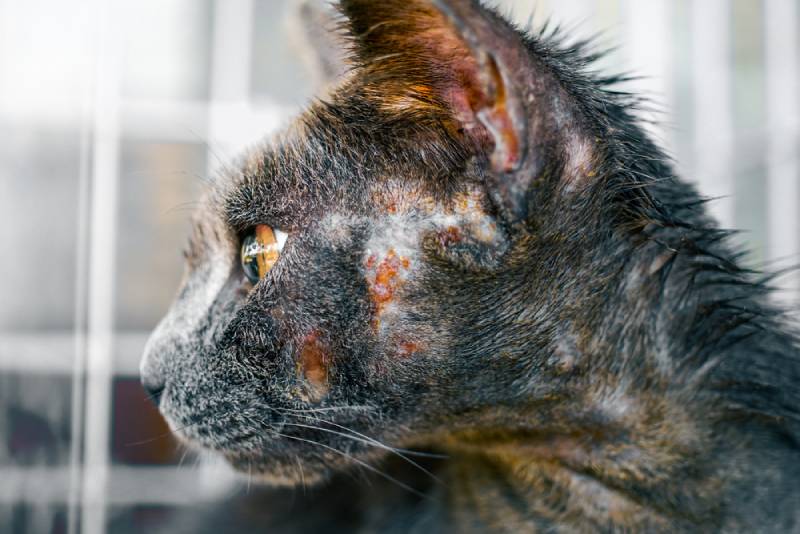
Cats with ringworm will often have areas of hair loss and slightly raised, round lesions that are commonly seen around the face and ears. There are several ways this condition can be definitively diagnosed by your veterinarian. Treatment is the use of an antifungal, either topically or orally.
Depending on your geographical location, your cat may be at risk of developing other fungal infections. Other fungal conditions are not nearly as common as ringworm but often pose more of a threat.
4. Abscesses/Wounds

Injuries endured by other animals or trauma from objects within the cat's environment can lead to abscesses. Abscesses can occur anywhere on the body and are the result of infection and pus accumulation. This is a common occurrence in cats, especially cats with access to the outdoors.
Often, fighting amongst cats can result in the formation of an abscess. Identifying this type of infection can be hard due to the stoic disposition of many cats. The abscess itself usually appears swollen, warm, and painful.
Minor abscesses may improve with antibiotic administration, whereas large abscesses might require debridement and the placement of a drain. Cats battling abscesses may show signs of systemic illness and mobility changes.
5. Scabies

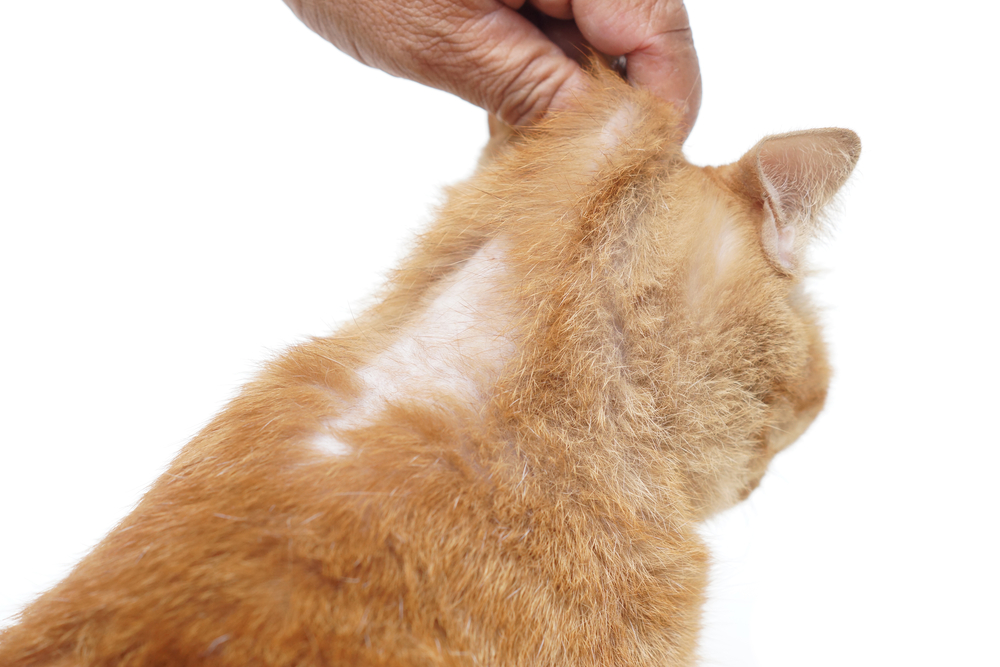
Sarcoptic mange is a mite parasite that can cause intense itchiness and areas of flaky skin. Scabies is more common in canines, but it does occur in cats. Felines with sarcoptic mange will have areas of hair loss and thickened skin.
Fortunately, scabies can be treated with several different preventative measures. Similar to ringworm, this mite can be transferred to people and other animals, so prompt diagnosis and treatment are important.
6. Psychogenic Alopecia

Areas of hair loss, or alopecia, can develop because of overgrooming. There are a lot of different reasons a cat may excessively groom, including itchiness and pain. In some cases, however, the underlying cause is thought to be psychogenic, originating from an emotional or mental state.
Alopecic areas can be small and localized or they can be large. Cats with severe alopecia without an underlying identifiable cause may improve with the introduction of anxiety medications( like fluoxetine), removal of environmental stressors, and enrichment.
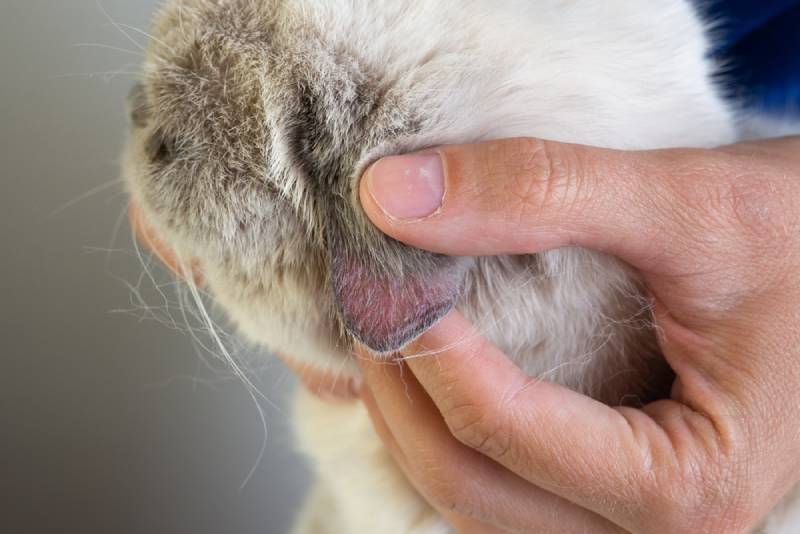
7. Feline Acne

Small blackheads can form within the skin, generally around the lower jaw, in a condition referred to as feline acne. Blackheads are essentially blocked glands. These blocked glands become inflamed and, in some cases, infected.
Feline acne is most identifiable due to the dirty appearance of the chin and small visible blackheads. Treatment often involves topical ointments or oral antibiotics, along with flushing of the blocked glands.
If a cat with feline acne is eating or drinking from a plastic bowl, it may be recommended that the bowl be replaced by a stainless-steel bowl, as it is thought that the plastic bowl may hold onto bacteria and predispose cats to the development of feline acne.
8. Cancer

Neoplasia, or cancer can impact the skin. There are several types of skin cancer, with the most common being squamous cell carcinoma, basal cell carcinoma, fibrosarcoma, and mast cell tumors. Cancerous lesions can vary in coloration and appearance. Some cancers may appear as bumps, whereas others may look like scabs or bleeding wounds.
Diagnosis of cancer often requires a biopsy, and treatment may involve surgical removal or debulking.
9. Ear Infections

Ear infections can occur for several reasons, including allergies, parasites, and foreign bodies. Infectious agents, including bacteria and fungus, can exacerbate signs of infection. Cats with ear infections often shake their head excessively, scratch at their ears, and have visible discharge or debris in their ear canals. Treatment for ear infections may vary based on the underlying cause.
10. Feline Dandruff

Dandruff is flaky, dry skin that is often seen stuck in the fur. This can be a sign of other conditions like allergies or poor nutrition. Omega-3 supplementation and a high-quality diet can help improve the overall condition of the skin. Some obese cats may experience dandruff as a result of poor grooming practices. Additionally, anti-seborrheic shampoos may help bring relief.
- Catster Recommends: Best Cat Shampoos for Dandruff: Reviews & Top Picks
How to Address Skin Conditions in Your Cat
If your cat is minimally impacted by the condition of their skin, you may have time to try to figure out the problem on your own, prior to seeking help from a veterinarian. If the problem has occurred quickly, consider your cat’s environment. Has anything changed? Have you started using a new laundry detergent? Have you recently changed your cat’s food? Have they been given their monthly flea prevention?
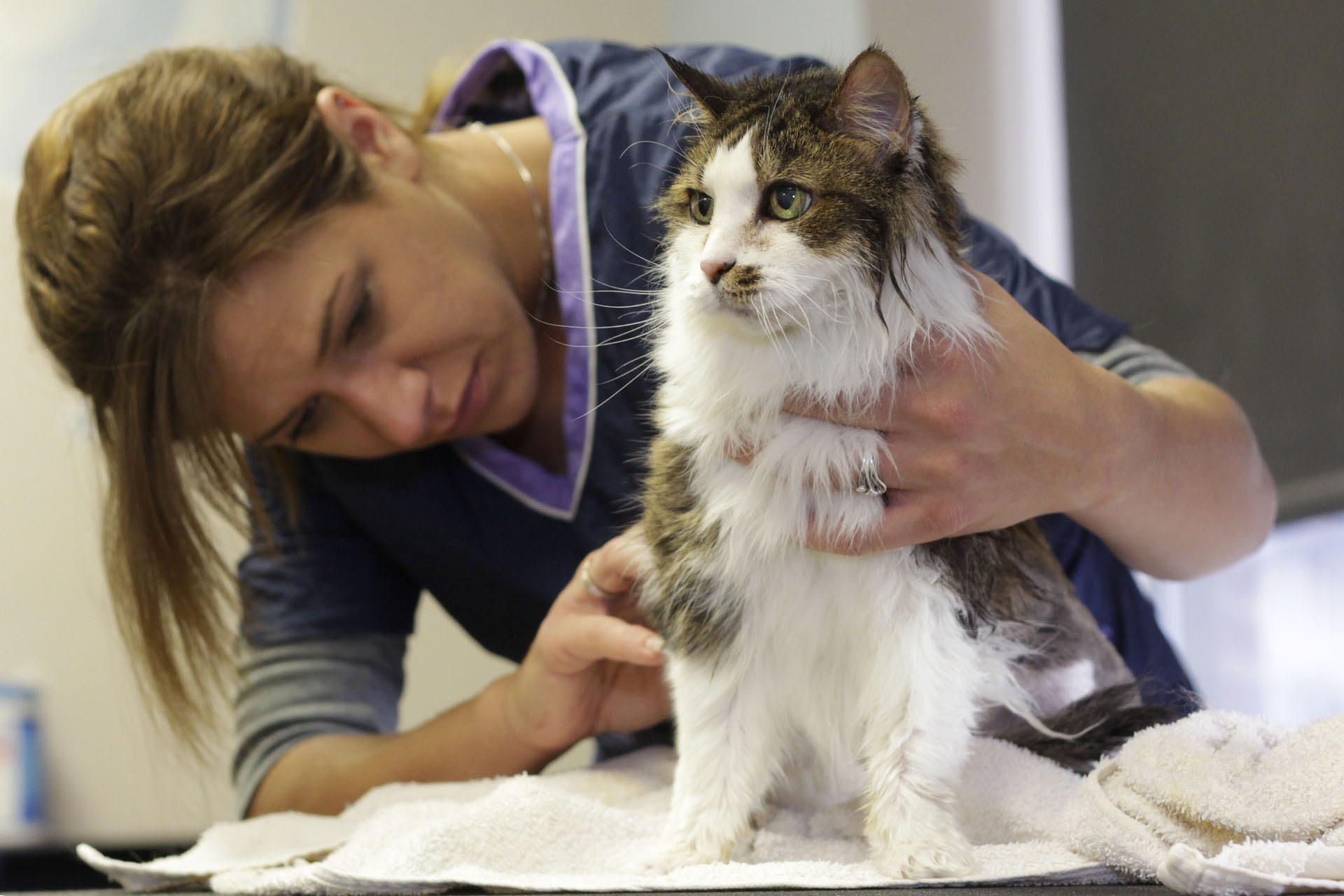
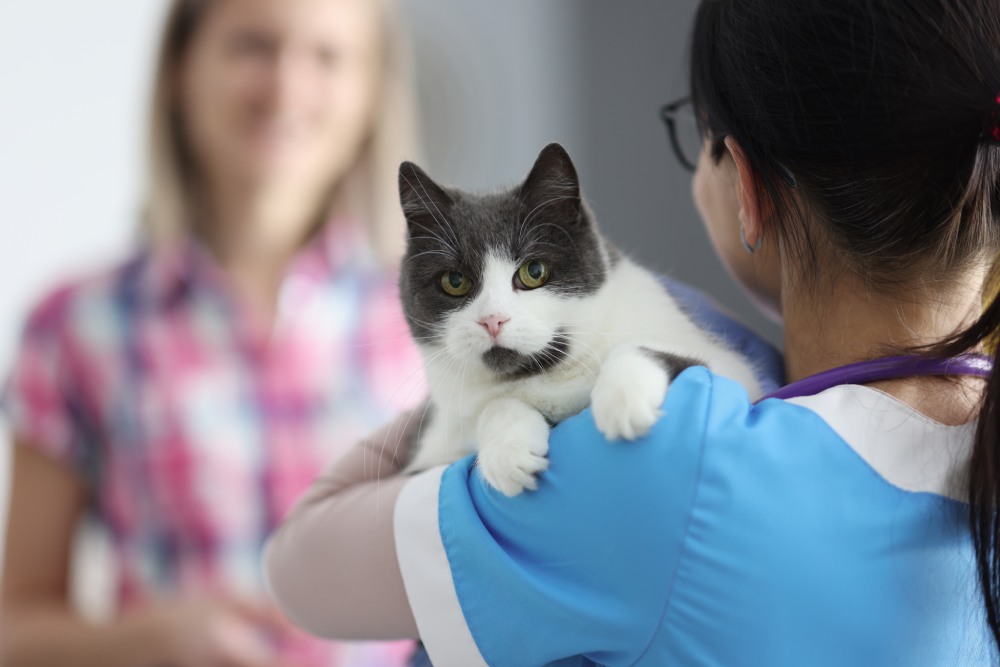
If your pet is showing signs of discomfort, or if there is a visible wound or trauma, it is time to visit your veterinarian. Your veterinarian will perform a thorough physical examination and ask pivotal questions regarding your cat’s recent history. Based on their findings, potential diagnostics and treatments will be offered.
Signs of Skin Conditions
- Hair loss
- Scabs
- Pruritus (itchiness)
- Red, inflamed skin
- Bumps
- Changes to fur texture or appearance
Conclusion
There are several different causes of skin conditions in cats. Unfortunately, treatment is often dependent on the underlying cause. Some conditions can be avoided in cats by just simply keeping up with monthly parasite prevention in the form of flea/tick and heartworm products. Schedule an appointment with your veterinarian to discuss diagnostics and interventions if your cat is exhibiting signs of skin problems.
Sources
Featured Image Credit: H_Ko, Shutterstock

Expert cat care, straight to your inbox
Vet-reviewed advice, behavior tips, and the best of Catster. Free, and you can unsubscribe anytime.
By signing up, you agree to our Terms & Conditions and Privacy & Cookies Policy.
Dr. Marti Dudley is a small animal veterinarian with a passion for preventative medicine and pet parent education. She enjoys being a resource for pet owners as she believes that having a team approach leads to the best possible care of pets. Dr. Dudley enjoys writing and has been able to use this skill as another avenue to educate pet owners outside of the traditional office setting.
Dr. Dudley has been practicing veterinary medicine since 2014. She has an interest in preventative care and emphasizes the importance of pet owner education. Dr. Dudley’s experience in veterinary medicine is broad, as she has worked as a general practitioner, which has allowed her to see and treat many different types of conditions.
Dr. Dudley received her bachelor’s degree in biology from Longwood University in Virginia. She earned her Doctor of Veterinary Medicine (DVM) degree from Ross University.
Join the conversation
Ask a question, share your story, or send private feedback.