Get

In Your Inbox

Catster is reader-supported. When you buy via links on our site, we may earn an affiliate commission at no cost to you. Learn more.

What Does Pet Insurance Cover for a Cat? Plans, Exclusions, Deductibles & More

Share

Pet insurance form held by person

If you’ve decided to get some pet insurance for your cat, good for you! Your beloved feline companion deserves to have his healthcare safeguarded with insurance. After all, most cat owners know that veterinary care can cost a small fortune, especially if surgery or extensive treatment is required. If your kitty is in an accident or gets seriously ill, pet insurance may be the one thing that saves his life.

When you’re ready to pull the trigger on pet insurance for your cat, you likely are wondering what’s covered in the typical pet insurance policy. We’ve done the hard work for you by including a list of things that are usually covered in pet insurance for a cat.

divider 3 paws

What’s Typically Covered in Cat Insurance

The first thing to know is that different pet insurance plans cover different things. This is why you must read through your policy and ask your insurance representative any questions you may have about the policy.

Generally, most pet insurance plans cover the costs associated with the following:

  • Treatment for unexpected injuries and accidents like poisonings, sprains, broken bones, etc.
  • Treatment for chronic illnesses like allergies, arthritis, skin conditions, etc.
  • Diagnostic testing like X-rays, CT scans, blood tests
  • Required surgery
  • Hospitalization
  • Emergency care and exam fees
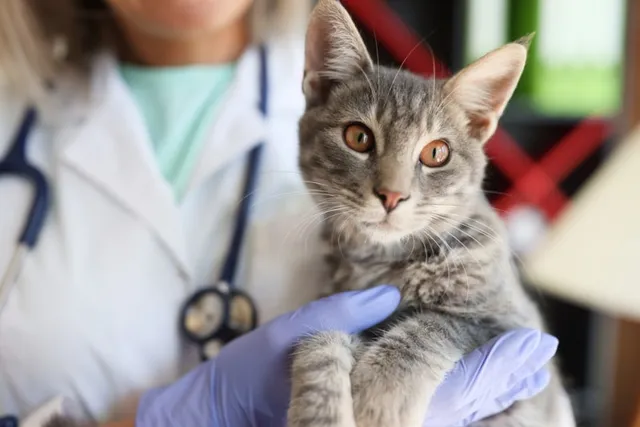
cat examined by Vets
Image Credit: Kzenon, Shutterstock

Some pet insurance plans offer dental coverage which takes care of the costs associated with things like dental illnesses including periodontal disease and accidents like broken teeth. However, if you want to add dental coverage to your pet insurance policy, expect to pay extra.

If you want to save money on your pet insurance, think long and hard about your cat’s overall health and age. Instead of paying around $30 a month (or more) for extensive coverage, it’s much cheaper to buy accident-only pet insurance that usually costs under $10 a month. A good idea is to speak to your vet who knows your cat’s health history well.

What Affects the Cost of Pet Insurance for a Cat?

The price you’ll have to pay for insurance coverage for your cat typically depends on several factors, including:

  • The Type, Gender, and Breed of Cat You Own: Some cat breeds are predisposed to certain health problems resulting in higher insurance costs. For example, Persians are susceptible to developing polycystic kidney disease (PKD) which comes with higher healthcare costs that affect insurance rates.
  • Your Cat’s Age: The older your cat gets, the more likely it is that he’ll need to see the veterinarian. This means older cats typically cost more to cover with insurance and especially when it’s time to renew an existing policy.
  • Where You Live: Your location plays a role in how costly your pet insurance will be on average. You can expect to pay more if you live in a big sprawling city than someone living in a smaller community. Generally, pet insurance is more costly in big urban areas because vet fees tend to be higher.
pet insurance form close up
Photo Credit: Ekaterina Minaeva, Shutterstock

Pet Insurance for a Cat Is Well Worth It

Without pet insurance, you’re taking a risk. For example, if your uninsured cat is injured in an accident or becomes ill and needs medical attention, you’ll have to cover the costs of his medical care yourself by dipping into your savings or racking up a big credit card debt. So it’s better to be safe than sorry.

Always consider your budget when looking at pet insurance policies. Instead of struggling to pay a hefty monthly fee that you can’t really afford, trim down your cat’s coverage just enough to make the policy more affordable. But if you can afford to get full coverage for your cat that even includes some dental care, go for it because it’s worth every penny.

Veterinarian checks teeth to a big maine coon cat at vet clinic
Image Credit: Ermolaev Alexander, Shutterstock

divider 3 paws

Conclusion

If you can’t afford to tuck a few thousand dollars away for your cat to use to cover any medical care he may need, you should get pet insurance. While pet insurance can save you a bundle of cash, it’s also an expense you should consider carefully.

Before buying a pet insurance policy for your cat, consider his needs and your budget. Even though you’ll have to pay a monthly fee, you’ll be given the peace of mind knowing you’re doing what’s best for your cat.

See Also:


Featured Photo Credit: Rawpixel.com, Shutterstock

Want content like this delivered to you?

Sign Up For Our Newsletter

News, insights, expert advice, and everything cat

* By submitting, you agree to our Terms & Conditions and Privacy & Cookies Policy.


How useful was this post?

Click on a star to rate (you can leave written feedback after clicking submit)

Help us improve Catster for pet parents!

Your feedback really matters.

What did you like about this post? Also how can we improve it?

Join the conversation

Leave a Reply

You’re very welcome to leave a comment or question. Please know that all comments must meet our community guidelines, and your email address will NOT be published. Let’s have a positive and constructive conversation.


Talk With A Vet Online

Peace of mind,
anywhere, anytime

Affordable vet advice

Ask Dr. Paola – Help! My Momma Cat Is Very Thin! (May 18, 2026)

Welcome to our “Ask Dr. Paola” series, where every Monday we bring expert advice straight from Dr. Paola Cuevas (MVZ) to help our...

The Cat Biting Mistakes Most Owners Make (And What Works Instead)

Cat bites sent more than 400,000 people to emergency rooms in the US each year.1 Not scratches. Bites. And the reason they’re so...

Do Cats Cause Schizophrenia? Scientists Find a Link – Here’s What It Means

Being a fierce advocate (and occasional recipient of) mental health support and awareness, the term ‘crazy’ is not one I like to fling...

One in 100 Cats Gets Diabetes – Here’s How to Catch It Early

One in every 100 cats develops diabetes.1 That’s not a rare, unlucky condition reserved for cats with obvious health problems. It’s common enough...

More related

11 Best Toys for Bengal Cats of 2026 – Reviews & Top Picks

If you’re the lucky owner of a sleek and beautiful Bengal cat, you’ll know that their reserves of energy are practically limitless. If...

Can Cats Die From Hairballs? Vet Reviewed Facts

Is your kitty facing a hairball problem? While hairballs in cats are natural, large lumps of hardened hair can block your kitty’s digestive...

Can Cats Eat Strawberries? Vet-Approved Diet Facts & FAQ

Cats often appear to have a slim selection of foods they’ll eat, which can make it seem surprising when they greedily munch down...

Why Do Cats Like Fish? 4 Interesting Vet-Reviewed Reasons

There are few things more ingrained in our thoughts and beliefs about domestic cats than the connection of cats liking fish. It is...

Keep reading

Pica in Cats: Vet-Verified Signs, Causes & Tips for Managing This Eating Disorder

Most people know that dogs will chew on household items if given the chance, especially as puppies. Cats can also be chewers, but usually not to the same extent. However, if your cat seems to be fixated on chewing, sucking...

cat-biting-blanket

What Is Cat Grass? Vet-Reviewed Benefits, Safety & Growing Tips

You may have seen your outdoor cat nibbling on the grass outside and wondered what they were up to. Many cats enjoy eating grass, but what about indoor cats that don’t get the chance to chew on that green stuff?...

cat eat young wheatgrass

Can You Use Kitty Litter for Oil Spills? Alternative Uses, Tips & Tricks

Kitty litter has several uses other than making it possible for cats to use the bathroom indoors, including providing emergency traction to help cars get moving on snowy days and cleaning up oil spills. Kitty litter is handy because it...

biodegradable litter

Why Is My Cat Peeing on the Carpet & How to Stop It: 7 Vet-Approved Reasons

If your typically pristine and proper cat is suddenly ignoring their litter box and peeing all over your carpet, it can become a frustrating (and smelly) problem for cat parents. The strong odor and constant carpet cleaning can definitely take...

cat with pee stain on carpet

16 Fruits & Vegetables That Cats Can Eat: Vet-Reviewed Facts & Tips

Cats are obligate carnivores by nature, so as long as their diets are well-balanced, like they would be in the wild, they don’t require any fruits or vegetables to stay happy and healthy. Still, there are fruits and veggies that...

Fruits & Vegetables That Cats Can Eat NEW

Can Cats Eat Pumpkin Seeds? Vet-Reviewed Nutrition Facts & FAQ

Yes, most cats can eat pumpkin seeds without suffering any adverse effects. Pumpkin seeds are packed with nutrients that are extremely beneficial. What’s more, some cats seem to love the taste of these seeds. Therefore, do not be afraid to...

Can Cats Eat Pumpkin Seeds

Do Cats Have Whiskers on Their Legs? Vet-Reviewed Facts & FAQ

We are quite familiar with our little kitty’s whiskers. They are one of the most adorable things about their faces. But do cats only have whiskers on their face? How about their legs? It would be absolutely right if you’ve...

close up of Exotic Shorthair Tabby Cat in black brackground

Can Cats Eat Chocolate Cake? Vet Reviewed Facts & Safety Guide

The all-time favorite snack of most people, chocolate is an incredibly delicious treat made from cocoa beans. It is used in the food industry worldwide for making various specialties in the form of sweet desserts. If you are a pet...

Can Cats Eat Chocolate Cake

Love Cats? So Do We! Join the Catster Community

Stay informed with expert pet care insights delivered straight to your inbox! Discover professional guidance on animal behavior, feeding tips, trusted product picks, and much more.


Sign up for the Catster Email Newsletter

Stay informed with expert pet care insights delivered straight to your inbox! Discover professional guidance on animal behavior, feeding tips, trusted product picks, and much more.