What Should I Do If My Cat's Food Is Recalled? 5 Vet-Approved Steps

In this article
There’s nothing quite like hearing that your cat's food has been recalled. Due to major recalls in the past, pet parents know just how dangerous these announcements can be. It could often lead to sickness, expensive vet visits, and overall unhealthiness.
Pet foods can be recalled for various reasons, so before you panic, read this article and consult with a veterinarian.

What Is a Pet Food Recall?
The US Food and Drug Administration (FDA) is responsible for overseeing food quality. Food, ingredients, and drugs for animals are regulated by the FDA as they are for human foods.
Pet food recalls are actions taken by the pet food manufacturer to remove a product from the market, as the product represents a danger when consumed. This may be based on their own initiative, by FDA request, or FDA order under statutory authority. There are several websites that are kept up to date with the latest pet food recall information including the FDA and American Veterinary Medical Association (AVMA).

The 5 Steps to Do If Your Cat’s Food Is Recalled
1. Stop Feeding Your Pet the Food Immediately
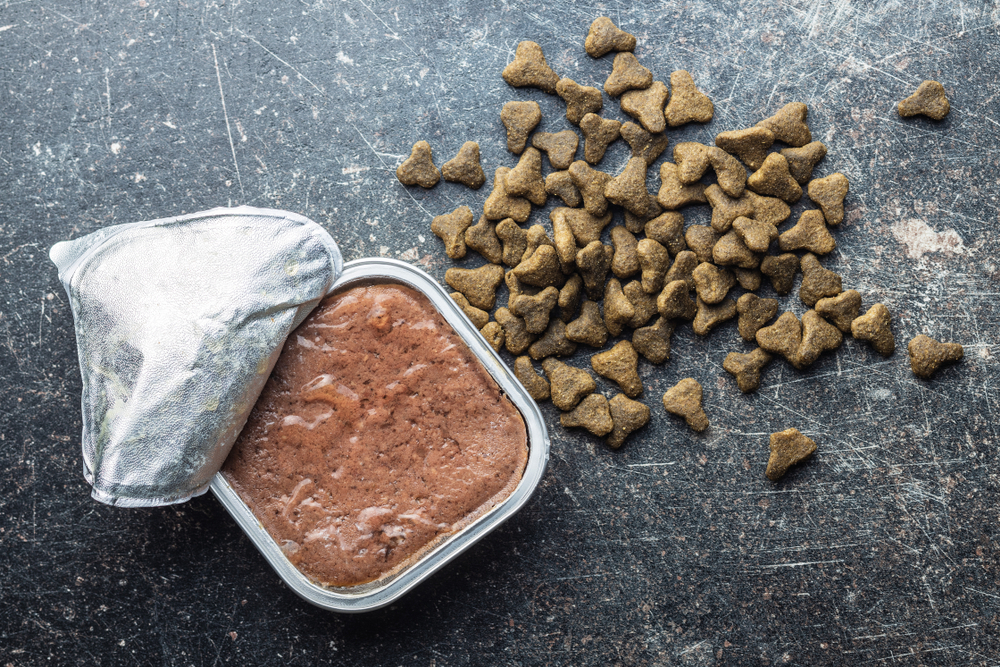
The first step is probably a no-brainer. Stop feeding your cat their food immediately. If they have any remainder left in the bowl, make sure to toss it and make the food bag inaccessible.
2. Investigate the Reason for the Recall
If your cat's food was recalled, you're going to want to know why. Not just know but truly understand what went wrong and how that mistake can impact the health of your pet. If a vet recommends that you take your cat in for a checkup, they will want as much info as you can give them as well.
So, check in with the company and read all the information you can. The company is responsible for being transparent about the reason for the recall and the potential consequences involved.

3. Call a Vet
As we just mentioned in the introduction, informing a vet of this recall is a crucial step.
Depending on the reason for the recall, the vet will advise you on the best next steps. In some situations, they might want to see your cat right away.
4. Keep the Packaging and Some of the Food as a Sample
When reporting suspected issues with foods to the FDA or the pet food manufacturer you will need a variety of information which includes some information found on the packaging, so ideally save the original packaging. This includes the lot number which is stamped onto the packaging and is usually a combination of letters and numbers and is near to the best by/before or expiration date of the food. You can also check with a vet if you should keep a sample of the food for testing, which will depend on the reason for the recall.
5. Keep an Eye Out for Unusual Behavior
Many people get lucky and find that the recall does not affect the pet at all. However, that does not mean that you shouldn’t look for signs that something might be wrong.
Keep a close eye on your pet or track anything you might have experienced that seems off to date. Any information you can possibly give a vet will help them determine what testing, if any, is necessary.
If a vet wants to see your cat and looks them over and determines that they are, in fact, healthy, that is no cause for concern, and you can carry on with a different brand of food. However, if they detect anything in the bloodwork, they may have to prescribe medication or suggest other treatments to get your cat back on a healthy path.
If your cat food has been recalled, make sure to ask a vet for recommendations on healthy, nutritious foods that are suitable for your cat’s life stage and health status/

The 3 Common Reasons for Recalls
Here are some of the potential reasons for recalls.
1. Foodborne Pathogens
Foodborne pathogens are one of the leading causes of food recalls. Most often, Salmonella, Campylobacter, or E. coli are the culprits. These are types of bacteria that can affect both humans and animals, causing gastrointestinal distress and sickness. Bacterial infections are more common from raw cat foods.
Often, foodborne illness causes the following signs to appear:
- Vomiting
- Diarrhea
- Abdominal pain
- Lethargy
While foodborne illness is rarely fatal, it can be if the disease is severe enough. So, if you suspect it, vet attention is immediately required.
2. Imbalances of Ingredients
Sometimes, pet foods are recalled due to the improper balance of ingredients used in the recipe. This most commonly leads to deficiencies in an essential nutrient if fed as the sole or main source of nutrition over time, although excesses are also possible. Nutritional imbalances are fortunately rare in good quality commercial cat foods which are labeled with the AAFCO statement of nutritional adequacy. When they do occur it is typically due to an issue with quality control at specific manufacturers. If a pet food does not have the appropriate amount of necessary nutrients, it can cause poor growth, disease, sickness, and overall lack of health.

3. Chemical Contamination
The largest pet food recall in 2007 was due to food fraud, with melamine added to raw ingredients of some pet foods to inflate the apparent protein levels. The combination of melamine and cyanuric acid led to the formation of urine and kidney crystals in some animals and subsequent kidney failure. Melamine, an industrial chemical, and its related compounds are not approved for use as an ingredient in animal or human food in the United States.
When to Discard Cat Food
Even if your cat food hasn't been recalled, it is important to pay close attention to quality. Toss out the cat food immediately if you see the following:
- Bugs
- Mold
- Damaged packaging
- Putrid smells
- Cat refuses to eat the food
- Illness after consumption
- Passed expiration date on bag
If you notice something off, call the manufacturer to inform them right away and you can file a report to the FDA.

FAQ
Is there any compensation if your pet gets sick or passes away due to a food recall?
If you believe your cat has become ill, died, or passed on a disease as a result of eating a recalled food you can file a complaint with the FDA either online or contact the FDA consumer complaint coordinator in your state. You can seek legal advice and may be eligible to claim against the pet food manufacturers.
Should you feed your cat a homemade diet instead?
If you have had pet food recalled, you might be done with commercial pet food altogether.
However, if you're thinking about making a homemade diet for your cat we urge you to consult a veterinarian first. Often, recipes floating around on the web are geared toward cats but don't contain the necessary balance of essential nutrients to keep them healthy.
We highly recommend checking with a veterinarian for detailed guidance on preparing the best meals possible for your cat.
What should you do with recalled food?
As we recommended earlier in the article, you should keep a small amount of recalled pet food in a bag along with the packaging or packaging information for the food. The lot number is particularly important as it helps determine the manufacturing plant as well as the date of production. The remainder, you can discard.
This way, you completely eliminate the food from the home within your pet's reach. A vet may advise you to keep this sample in the freezer to preserve it in case you need to take it back out for testing.

Conclusion
Now you understand a bit more about cat food recalls and what you should do if you find yourself in this situation. The first thing you should do is to immediately stop feeding your cat the recalled food. Keep the original food packaging for reporting purposes and a sample of the food. Contact a vet for advice on what further action you should take, and suitable foods to feed your cat to replace the recalled food. Whether the vet needs to see your cat and run tests will depend on the reason the food was recalled and any signs your cat might be showing.
See also:
Sources
https://www.mayoclinic.org/diseases-conditions/salmonella/symptoms-causes/syc-20355329
https://vetnutrition.tufts.edu/2021/05/pet-food-associated-illness/
https://www.aspca.org/news/should-i-worry-if-my-pets-food-recalled
https://www.fda.gov/animal-veterinary/report-problem/how-report-pet-food-complaint
https://www.sciencedirect.com/science/article/pii/S0362028X23068837
Featured Image Credit: Roman Samsonov, Shutterstock

Expert cat care, straight to your inbox
Vet-reviewed advice, behavior tips, and the best of Catster. Free, and you can unsubscribe anytime.
By signing up, you agree to our Terms & Conditions and Privacy & Cookies Policy.
As a freelance dog writer and passionate pet enthusiast, Ashley Bates is pursuing studies in animal therapy. A mother to four human children and 23 animal companions, Ashley is dedicated to volunteering at shelters, advocating for animal rights, and rescuing animals in need. Her goal is to spread awareness, provide education, and offer entertainment about pets to reduce homelessness. Ashley's specialties include dogs and cats.
Join the conversation
Ask a question, share your story, or send private feedback.