How to Care for a Disabled Cat With Special Needs: 11 Tips to Prepare Your Home

In this article
Disclaimer: This article has been reviewed by a qualified veterinarian using information available at the time of review. The knowledge of feline medicine is continually evolving. This article is not intended to replace consultation with a veterinarian for your specific pet. It does not take into account your pet’s unique circumstances.
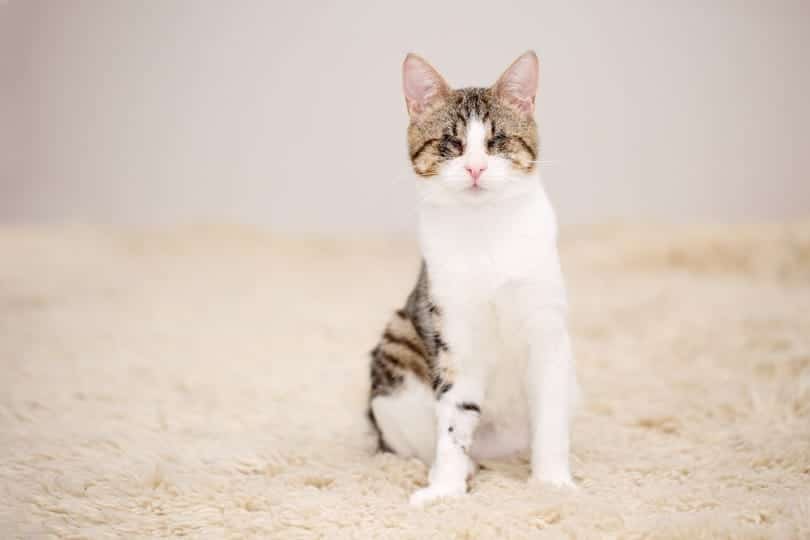
All felines deserve to be taken care of, regardless of if they have special needs or not. However, some people may find caring for a cat with special needs difficult, or maybe they are unsure how to care for them safely. Some cats may have special needs from birth, while others may acquire an injury or illness that makes them disabled. Some require extensive care, while others may need help and guidance who are visually impaired, deaf, or possibly an amputee.
Special needs cats are often overlooked in shelters because the vast majority do not feel comfortable caring for them. If you’ve ever considered adopting a disabled cat with special needs, read on to learn 11 tips on preparing your home for safety. Whether you’re planning to adopt a special needs cat or your cat has become special needs because of an accident or illness, we’ll cover everything to consider to help you care for your kitty.

Things to Consider Before Adopting a Special Needs Cat
If you plan to adopt a special needs cat (we applaud you!), it’s an excellent idea to familiarize yourself with the cat’s everyday needs. Each disabled cat has their own unique conditions and situations, and you’ll need to decide if you can care for them. For example, here are particulars to consider before making the plunge.
1. Consider Your Time
A special needs cat will require much time and dedication, and if you work long hours and are rarely home, there may be better choices than adopting a special needs cat.
2. Consider Your Finances
Having a special needs cat will mean more trips to the vet than a healthy cat with no medical burdens. Caring for a special needs cat can be financially demanding, and the last thing you want is to skimp on medical care because you do not have the funds.
Keep in mind that most pet insurance companies do not cover pre-existing conditions, and it’s less likely that vet bills will be covered under a plan unless you were already the owner prior to the medical issue occurring, such as an accident or illness that occurred after acquiring the plan.

3. Seek a Veterinarian’s Advice
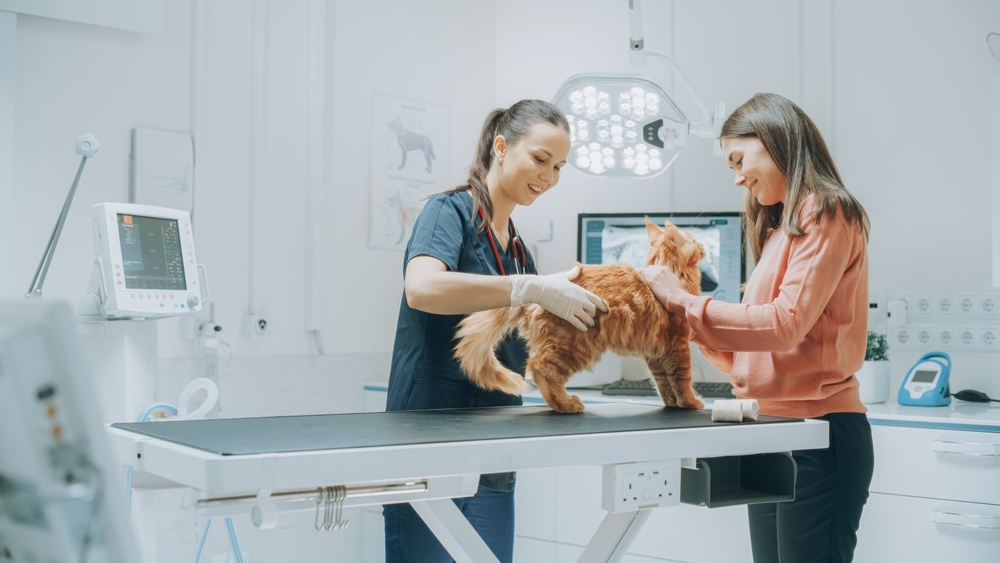
If you’re considering adopting a special needs cat, it’s wise to consult a veterinarian before adopting the cat. A vet can give you suggestions and advice based on the disability, which can help you be better prepared.
4. Integrate the Household
Another important note is to ensure everyone in the household is on the same page with caring for the special needs cat. For example, everyone must be in tune with routine, such as keeping loose objects put away or even splitting up cat duties with cleaning the litter box, taking turns with vet visits, etc. If young children occupy the home, ensure they are supervised when interacting with the cat, no matter the disability.
Cats with disabilities still need mental and physical stimulation; you’ll learn what your cat loves. For example, deaf cats love flashy toys and teaser wands but won’t benefit from toys with sounds, while blind cats will love catnip but won’t benefit from flashy, colorful toys.


How to Care for a Disabled Cat With Special Needs
To help you better prepare, we’ll break down specific disabilities and how to care for each individual situation, as each situation requires different approaches.
How to Care for a Visually Impaired Cat
1. Keep Your Cat Indoors
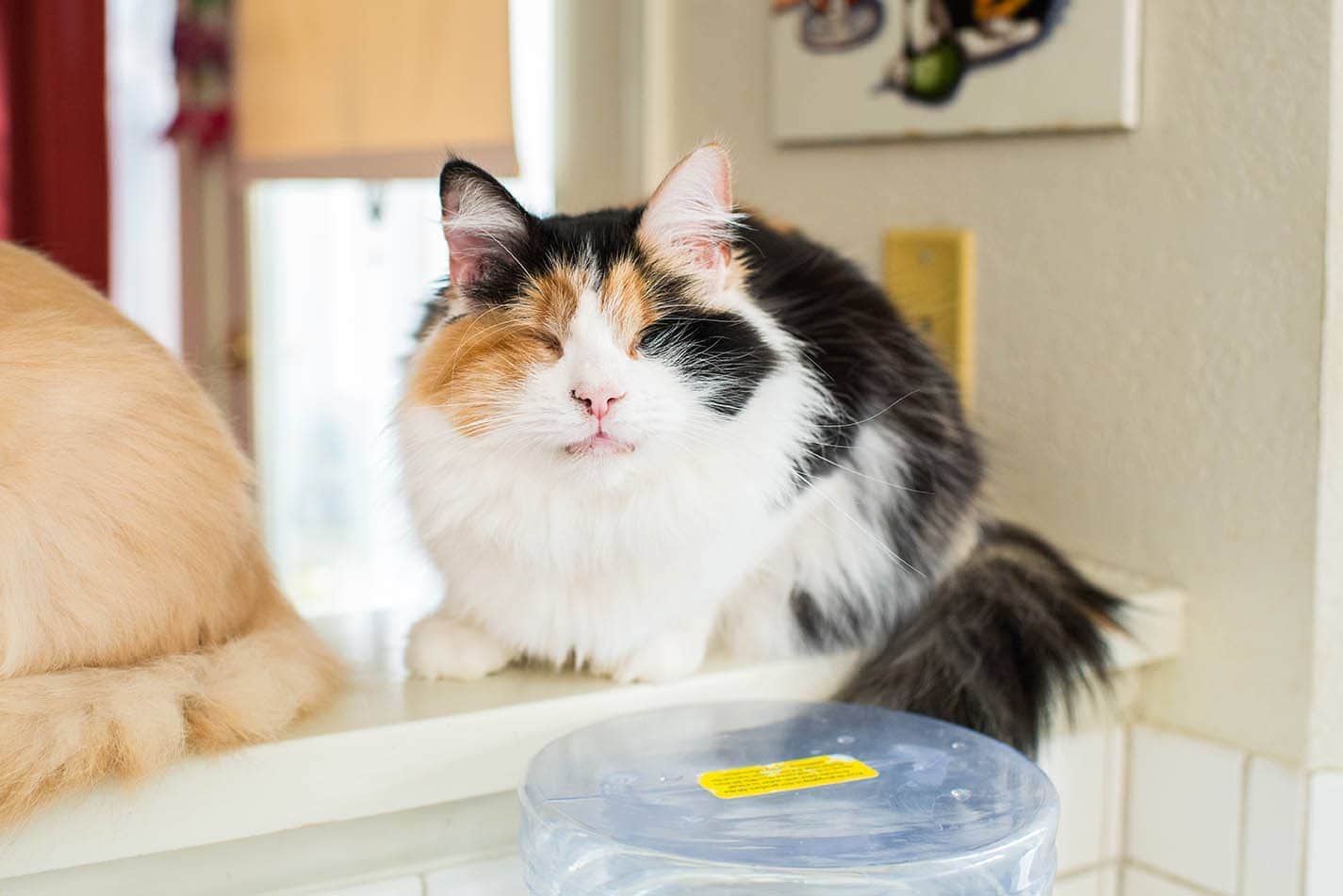
If the cat is visually impaired or has lost complete vision, it’s best to keep the cat indoors for their safety. Total blindness can disorient a cat, leading to walking into things and losing their way. You must also consider the dangers a blind cat endures, such as crossing roads and entering predator territory.
You can provide your visually impaired cat with an outdoor enclosure to enable them to enjoy the outdoors in a safe and secure environment. You can buy one, or if you’re a DIYer, you can make one for little cost.
2. Avoid Moving Furniture/Objects

When cats cannot see, they rely on other senses, like scent, touch, sound, and memory, to navigate their surroundings. A cat’s whiskers act as sensors to help them find objects, and for a blind or visually impaired cat, their whiskers and remaining senses help them find their food and water bowls, toys, scratching posts, and anything else they interact with daily.
If your cat had vision at one time but has now lost partial or all vision, it’s best to leave familiar objects in the same place so your cat can find them. Even if you adopt a blind cat, it will take some time for the cat to become acclimated to your home, and once they do, it’s important to leave everything in the same place.
It may seem helpless to watch a blind cat try and navigate their surroundings, but remember that cats use their other extraordinary senses to explore, and a blind cat will figure it out in time. This is why it’s extremely important to leave objects in the home in place so as not to confuse the cat.
Removing loose objects out of the way, such as a pair of sneakers, is also beneficial. Leave clear paths throughout the home so your cat will not bump into things.
4. Avoid Starling Your Cat

If your cat cannot see you, they will likely hear you coming due to the vibrations of your footsteps but will have no idea how close you actually are. For this reason, avoid touching your cat until you know they know you are there. Otherwise, your touch will startle them, and the incident could cause harm, such as your cat running into a wall due to being frightened.
How to Care for a Cat With Deafness
1. Indoors Is Best
Like a cat with blindness, it’s best to keep a deaf cat indoors for safety. A deaf cat cannot hear oncoming threats, like cars, other animals or predators, and people. An outdoor, secured enclosure can also work for a deaf cat so that they can still enjoy the outdoors.
2. Approach With Caution

Much like with blind cats, you should also approach a deaf cat with caution. A deaf cat cannot hear your footsteps, and if the cat is sleeping, a touch will startle them. Before approaching a sleeping cat, take heavy footsteps to alert your cat to your presence, as they will be able to feel the vibrations and realize you’re near.
3. Learn Hand Gestures
Learning to communicate with a deaf cat may be challenging initially, but in time, you and your cat will get the hang of it. Hand gestures will come in handy if you need to call your cat or stop them from getting onto the counter. Waving your arms may be the best way to get their attention. However, whatever hand gestures you choose, don’t deviate and use them each time so your cat can learn what you are trying to communicate.
How to Care for a Cat With Limited Mobility
1. Make the Home Easily Accessible
If your cat has limited mobility, you can help your cat get around more efficiently by providing non-slip mats and ramps that lead to their favorite relaxing spots. You may also consider providing large litter boxes with low sides so your cat can maneuver while using them and get in and out more easily.
2. Provide a Comfy Bed
Cats with physical limitations will appreciate a comfy bed to relax and sleep in. Some cats may have arthritis and need a comfy bed to relax the joints. You may even consider providing an orthopedic bed for your cat for extra support, as well as a heated bed.
Is there anything better than a happy cat? We don’t think so—that’s where the Hepper Nest Bed comes in.

- COMFY KITTY - Your cat or kitten will have an amazingly deep sleep in this self warming, nesting cat bed. The warm, fluffy cat bed lining provides calming stress relief for cats of all ages.
- PRETTY HOME - This round cat bed has a modern and unique design that’s perfect for a sleek indoor look. We don’t think of it as cat furniture but think of the Cat Nest as a “cat home”.
- SPACE SAVER - Reclaim your desk, window sill, or couch from kitten encroachment. This calming nest cat bed has an elevated, space-saving hideout so comfortable your kitty can't resist!
This product was designed with both your and your kitty's happiness in mind. While the comfortable bowl shape and wide lip to rest their heads on are ideal for sleepy kitties, you’ll appreciate the removable and machine-washable fleece liner for easy cleaning. It doesn’t get any better than this! Click here to try it out.
At Catster, we’ve admired Hepper for many years and decided to take a controlling ownership interest so that we could benefit from the outstanding designs of this cool cat company!
3. Provide Mobility Support
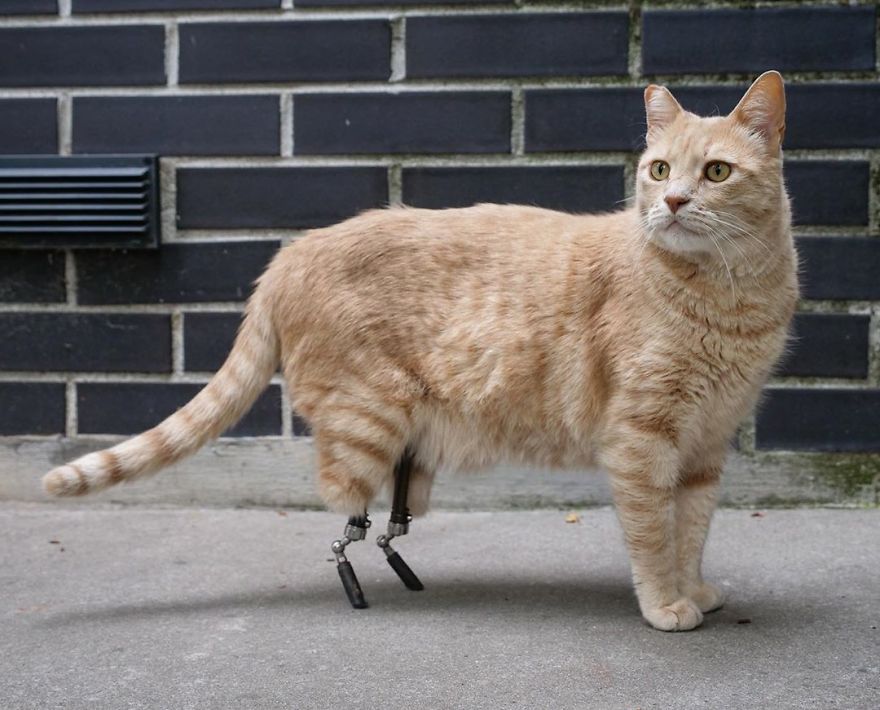
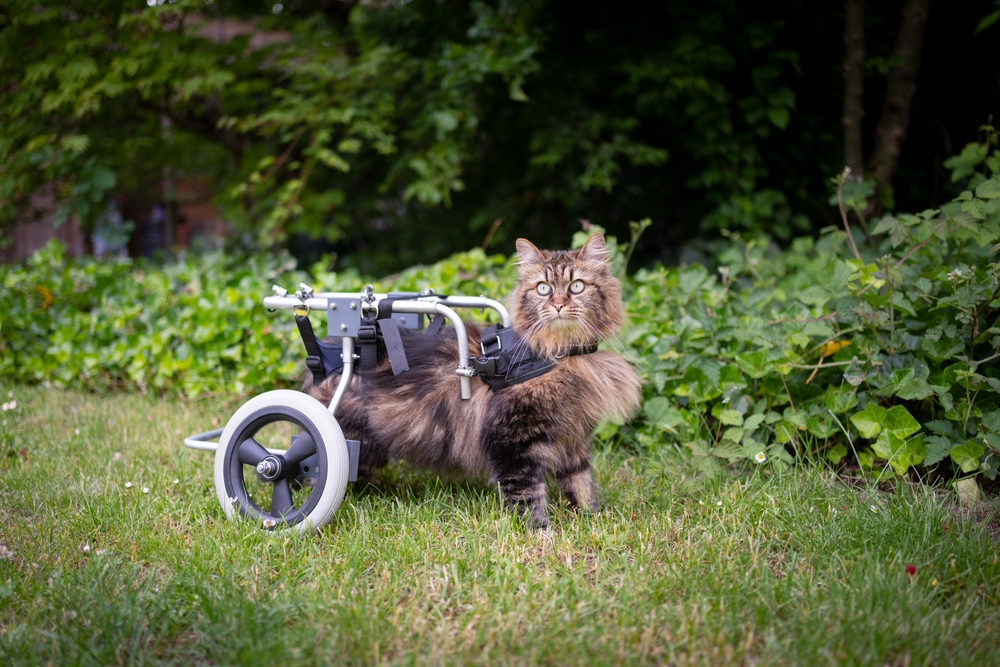
Depending on the situation, especially if your cat is paralyzed or an amputee, they may need help moving around. In this case, a wheelchair may come in handy to allow your cat to walk and even run despite a missing or paralyzed limb. Wheelchairs allow for exercise, maintaining balance, and standing upright, all of which can help with both physical and mental stimulation.
4. Keep Essentials Nearby
You can make life easier for your cat by keeping essential items near to avoid long distances to the litter box, the scratching box, the toy box, water and food bowls, and other necessary items. Keeping these items near will put less strain on your cat to reach them, and every little bit helps.
Conclusion
Caring for a disabled cat is far more involved compared to caring for a healthy cat, but in time, you will learn the best way to care for your cat’s particular needs. Don’t forget to keep up with regular vet visits and stay on top of your cat’s health. Caring for a disabled cat means more trips to the vet, and you must be prepared for ongoing care, such as medications, tests, etc.
Cats are masters of disguising pain or discomfort, and if you notice your cat vocalizing more, hiding more often, or seeming more tired than usual, a trip to the vet’s office is in order.
Sources
https://www.aspcapetinsurance.com/resources/what-to-know-about-caring-for-specially-abled-pets/
https://pawsforcompassion.org/animal-wellbeing/cat-with-disabilities/
https://vcahospitals.com/know-your-pet/why-do-cats-have-whiskers
https://www.walkinpets.com/blog/frequently-asked-questions-about-cat-wheelchairs/
Featured Image Credit: Nils Jacobi, Shutterstock

Expert cat care, straight to your inbox
Vet-reviewed advice, behavior tips, and the best of Catster. Free, and you can unsubscribe anytime.
By signing up, you agree to our Terms & Conditions and Privacy & Cookies Policy.
Rachel Giordano is a Pensacola, Florida-based musician and writer. She lives with her partner and their two dogs, Sophie, a Boston Terrier, and Aero, a Border Collie/Sheltie mix. Rachel holds a Bachelor of Arts degree in communication and loves writing about all types of cat breeds. When she’s not writing about cats, she loves to write suspense/thriller novels. A musician by night and writer by day, she enjoys sharing her knowledge of the needs and requirements of our furry friends.
Join the conversation
Ask a question, share your story, or send private feedback.