Get

In Your Inbox

Catster is reader-supported. When you buy via links on our site, we may earn an affiliate commission at no cost to you. Learn more.

What Age Cat Should I Adopt? Benefits & Risks At Each Life Stage Explained

Share

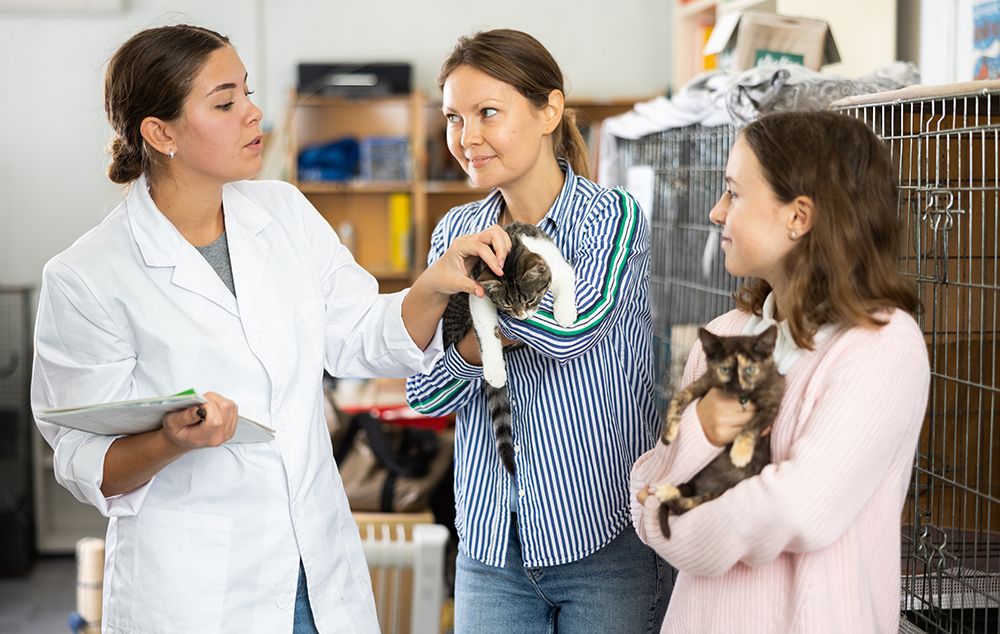
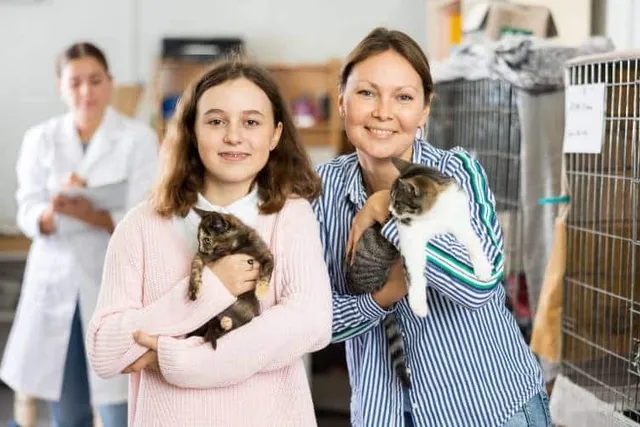
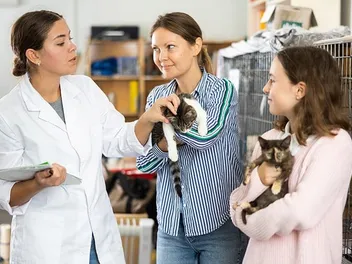
mother and child adopting cats from the shelter

You’ve decided it’s time to get a warm, fuzzy love ball – in essence, a cat. But there are so many unwanted cats up for adoption that it can be overwhelming to choose one. When selecting a cat, you might consider size, temperament, shedding, and other criteria, but the first issue to solve is how old you’d like the cat to be.

There are lots of different aspects to consider, but is there an ideal age to adopt a cat? All cats have something special to offer, regardless of age, but some considerations will help you make the best cat selection.

divider cats oct 2024

Adopting Cats at Different Lifestages Explained

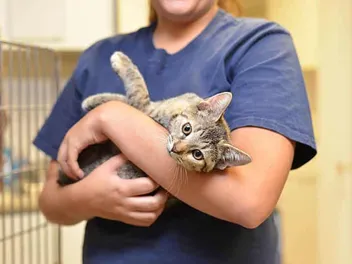
Adopting Kittens

kittens sitting in a cage in the house of a cat breeder
Image By: Maria Surtu, Shutterstock

Kittens are so much fun, but they’re a lot of work, too. What’s the best age to adopt a kitten? The ideal age is 10-12 weeks, but if you are adopting a kitten from an animal shelter, they may need a new home when they are 8-10 weeks.

Benefits
  • A Fresh Start: Kittens are a clean page for you to fill in the story. They shouldn’t have any major hang-ups or behavior problems. It’s up to you to mold them.
  • Training: You can start training a kitten right away. They respond well to treats, attention, or a toy. They can also be gently corrected for unwanted behavior, such as scratching or biting, and rewarded when they use their scratching post or treat us gently.
  • Comedic Relief: There’s little funnier than a kitten jumping straight up in the air to catch a fly or a kitten falling off the sofa and looking shocked.
  • Other Pets: Existing cats or dogs are more likely to accept a kitten than an older cat.

Drawbacks

  • Health: Kittens can have special health issues, including worms, ear mites, Ringworm, and Feline Leukemia. Sometimes they may have trouble transitioning to new foods, and it may take some trial and error to get things right.
  • Safety: Kittens get into everything. Your house must basically be clutter free and you need to check for holes in walls, screens, etc. Wires and cords are another target, so you’ll need to tuck these away or use protective tubing to thwart exploring teeth.
  • Housetraining: Most kittens have mastered the litter box by the age of 5-6 weeks, but others might be a bit slower to catch on, so you may need some patience to help them figure things out.
  • Needles for teeth and claws: All cats have teeth and claws, but kittens’ are particularly sharp, and they will use them to play, explore, and climb furniture, curtains, and people.
  • Unpredictable temperament: Although their early life with you will have a bit of impact on their behavior, feline personalities tend to be less predictable than dogs.

If you don’t have any other pets, you might want to consider bringing home a pair of kittens. Not only does it mean double the fun, but it means they will have company when you go out, and someone to engage in rough play with, sparing your hands and ankles from sharp teeth and claws.


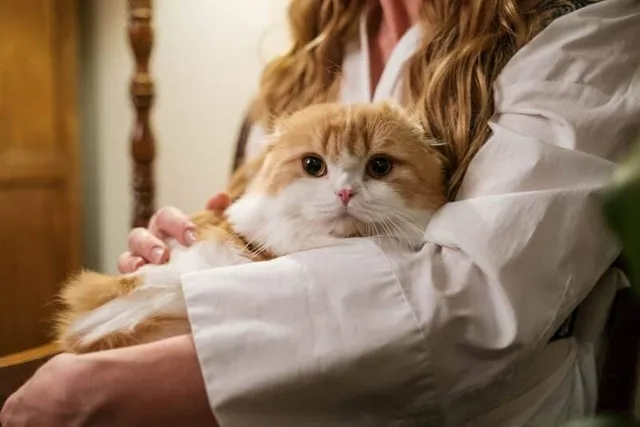
Adopting Middle-Aged Cats

calico cat in the arms of a woman
Image By: Mirahybrid, Shutterstock

Benefits
  • Personality: When you adopt an older cat, you have a much better idea of their character and temperament, and the shelter should know if they’re good with other cats or dogs, children, etc.
  • Health: A cat tends to be healthiest in the middle of their lives, having moved beyond kitten risk factors, but not suffering any effects of old age. Your cat should have been checked over by a veterinarian and treated for any immediate health issues.
  • Activity: An older cat is usually calmer and placid than those crazy kittens.
  • Spaying and neutering: Adult cats are usually spayed/neutered by the animal shelter prior to rehoming, which is one less thing for you to worry about.

Drawbacks

  • Background: Shelters often don’t know a cat’s exact background, which means she could have some personality or behavior issues.
  • Training: Cats can already be challenging to train, and adults even more so. Fortunately, most cats don’t require a great deal of obedience or toilet training.
  • Behavior: One of the most common and most challenging aspects of adopting an adult cat is the potential for territorial or stress-related behaviors like scratching furniture and inappropriate urination. There are lots of ways to help ease your new cat’s transition and reduce the risks of experiencing these unwanted behaviors.
  • Conflict with other pets: Bringing an adult cat into a home with other pets can be challenging, and needs to be done carefully. Some cats will never get along with other pets, which is why it’s important to get as much information about them as possible.


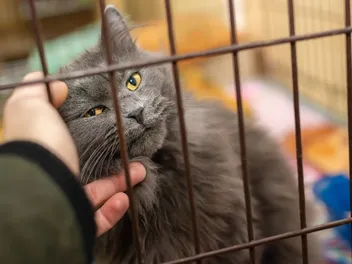
Adopting Elderly Cats

senior calico cat on kitchen towels
Image Credit: Kristi Blokhin, Shutterstock

Cats over 10 are considered elderly. When considering whether to adopt an older cat or a young kitten, consider these issues:

Benefits
  • An Act of Kindness: Anyone who adopts an elderly cat is doing a great thing. They are the least likely to be adopted and shelters cannot keep them indefinitely.
  • Behavior Problems: Old cats generally do not have the same behavior problems as younger cats.
  • Personality: Now you’re talking about getting a truly mellow cat. Even cats that were flighty or grumpy when they were younger tend to be much more settled and relaxed as they enter their retirement years.
  • Activity: Older cats are much less likely to be tearing around the house, climbing the furniture, or generally wreaking havoc.

Drawbacks

  • Training: Although you can teach an old cat new tricks, they tend to be pretty set in their ways. The most important thing will be to ensure they are consistent about their litter box use.
  • Health: Older cats tend to have more issues than middle-aged cats. Their teeth and gums often require vet attention, they are more likely to develop arthritis, kidney disease, hyperthyroidism, or cancer. They will need more regular check-ups and blood tests to stay on top of their health.
  • Less Time Together: Most cats live until about 16, so your time with an elderly cat will inevitably be more limited than your time with a kitten.

divider cats oct 2024

Final Thoughts

Selecting a cat is such a personal issue. Considering whether an older cat or a young kitten fits your life is essential, and knowing the issues of each age will make your cat selection an easier task. Although the obvious appeal of an adorable, playful kitten is pretty hard to resist, if you want to be more confident about the health and temperament of your new pet, an adult might be the way to go. After all, they’re not kittens for long!

Giving a forever home to an older cat can be very rewarding, but you need to be prepared for the added costs and potential heartbreak this will likely entail.

In any event, adopting a cat in need from an animal shelter is a wonderful thing to do, and even better, you might want to think about adopting two!


Featured Image Credit: BearFotos, Shutterstock

Want content like this delivered to you?

Sign Up For Our Newsletter

News, insights, expert advice, and everything cat

* By submitting, you agree to our Terms & Conditions and Privacy & Cookies Policy.


How useful was this post?

Click on a star to rate (you can leave written feedback after clicking submit)

Help us improve Catster for pet parents!

Your feedback really matters.

What did you like about this post? Also how can we improve it?

Join the conversation

2 Responses

  1. I am looking for a cat as mine snuck out and has been quite a while. She was an indoor cat. whichever one is available will also be an indoor cat. I love cats that just love to cuddle and have me spoil them. I've always been an animal lover. I'm 76. and can't afford a real. expensive cat. I don't know if you spay or neuter them and rabies shots before you let them be adopted. Thank you Joyce Lawson 5089429901

    1. Hi Joyce, Thank you for reading us, and for being an animal lover. We do not offer cats for adoption, please contact a shelter or animal services in your area they always have cats looking for a forever home. These places usually have them neutered and vaccinated before they put them out for adoption. We wish you the best in finding your new family member.

Leave a Reply

You’re very welcome to leave a comment or question. Please know that all comments must meet our community guidelines, and your email address will NOT be published. Let’s have a positive and constructive conversation.


Catster's Digital Magazine is Back!

Vet-approved health & behavior advice

Real cat stories & community features

Chatting About Big Cat Tourism, Lion Hunting, and Learning From Our Mistakes | Chatty Cattys, Episode 26

In this episode of Catster’s Chatty Cattys podcast, Nicole and Dr. Karyn dive into the dark side of big cat tourism and the...

Why Cats Sit by the Door (But Don’t Go Through It)

Door-sitting is one of those quirky little habits that almost every cat owner experiences at some point. You know how it goes: a...

Six Legs Are Better Than Three – How A Tripod Dog and Kitten Found Friendship Through Recovery

Sometimes the most meaningful friendships begin in the most unexpected places. At a Maryland veterinary hospital operated by Last Chance Animal Rescue, two...

The Original Space Invaders – Why Zero Respect for Personal Boundaries Is a Good Thing

Cats have a reputation for being independent, and in many ways they are. But anyone who has tried to work at a laptop...

More related

Can Cats Eat Raw Pork? Vet-Reviewed Facts & FAQ

Raw diets for pets have become all the rage within the last decade or so, with many people attempting this diet at home...

Papillomas in Cats: Causes, Care & Treatment (Vet Answer)

Papillomas is a fancy term for warts. Warts can be singular, or there can be multiple—sometimes to the point that an entire region...

How to Stop My Cat From Peeing on My Bed: 8 Vet-Verified Tips & Tricks

Picture this scene: you’re home after a long day at work and finally ready to slip into bed and head off to dreamland....

How to Clicker Train a Cat: 4 Vet-Approved Steps

Most people will say that cats are untrainable, but the reality is that they can be trained if you take the right approach....

Keep reading

10 Common Causes of Scabs on a Cat: Vet-Reviewed Precautions & Advice

Noticing scabs on your cat’s skin can be concerning. Not only do they make your cat’s coat look patchy and unsightly, but they can also cause your cat to become itchy to the point where he is constantly scratching. Constant...

vet-checking-norwegian-forest-cat

6 Best Online Vet Services in 2026 – Reviews & Top Picks

Veterinary care has come a long way over the years. The pandemic propelled telemedicine for people and pets. It allowed everyone to have access to care without the risk of getting sick, all from the comfort of our own homes....

woman holding out her phone to a cat

How Often Should You Wash a Cat’s Bed: Vet-Reviewed Tips & Tricks

Just like you should wash your bedding every week or two, the same is true for your cat’s bedding. Ideally, you’ll want to wash it once a week, but if they don’t spend all that much time using it, you...

Cat near a Washing Machine

11 Best Cat Litters in 2026 – Reviews & Top Picks

Cats are truly some of the most unique domesticated animals and are exceptionally clean. They’re always grooming themselves, avoiding dirty situations as much as possible, and taking extraordinary measures to keep their waste out of sight. Despite their best efforts,...

Litter tray and scoop for cat on floor

How to Save a Cat From Choking: Can I Do the Heimlich Maneuver? Vet-Reviewed Guide

True choking occurs when something is stuck at the very back of the throat, which leads to the windpipe being obstructed. This often occurs when the animal doesn’t chew thoroughly or eats something that they shouldn’t. Fortunately, cats are quite...

cat cough

Is Tea Tree Oil Poisonous to Cats? Vet Reviewed Risks & FAQ

Tea tree oil is often used for its antibacterial and antimicrobial properties but it should never be used on cats. Holistic health practitioners often use a blend of traditional medical therapies as well as food, essential oils, teas, and aromatherapy...

tea tree essential oil

Why Does My Cat Throw Up After Eating? 8 Vet-Reviewed Reasons & Solutions

If your cat starts throwing up after they eat, it’s obviously very alarming behavior that you want to get to the bottom of as soon as possible. But what exactly could be the cause of your kitty’s stomach issues? Vomiting...

sick cat vomiting the food on a white background

My Cat is Leaving Blood Drops Everywhere, What’s Wrong?

Anytime your cat bleeds, it is concerning. Often, bleeding that continues for more than a few minutes is a sign that your cat needs veterinary attention. Before we jump into why your cat may be leaving drops of blood everywhere,...

charcoal bengal cat lying on the floor

Love Cats? So Do We! Join the Catster Community

Stay informed with expert pet care insights delivered straight to your inbox! Discover professional guidance on animal behavior, feeding tips, trusted product picks, and much more.


Sign up for the Catster Email Newsletter

Stay informed with expert pet care insights delivered straight to your inbox! Discover professional guidance on animal behavior, feeding tips, trusted product picks, and much more.