Be Kind to Animals Week: 2026 Update & How to Celebrate It
In this article
Be Kind to Animals Week is celebrated annually during the first full week of May, so in 2026 it is 3-9th May. It was created by American Humane Society, a non-profit animal welfare organization based in Washington, DC. The event has been on the calendar since 1915 and is one of the oldest organized awareness weeks out there, but the US Congress only passed the official resolution recognizing the event in the 1990s!
While it is been celebrated in various ways, the special week has focused mainly on animal welfare education and outreach. American Humane Society produces a series of educational materials for children full of information on topics such as farm animals and animal actor welfare. It also encourages people to do animal-friendly things during Be Kind to Animals Week, such as adopting pets from shelters and taking extra special care of their furry companions. American Humane Society has been working on behalf of animal welfare since 1877.1

Does American Humane Have Suggestions for Ways to Be Kind to Animals?
While you can always go all out and do something extra special for animals during the first week of May, many of American Humane's suggestions and tips can be implemented any time during the year!
1. Take American Humane Society's Kindness Pledge
American Humane Society focuses on animal welfare, and some of the tips they provide are geared towards protecting non-companion animals such as farm animals and wildlife. The Kindness Pledge includes four steps to make life a bit easier for pets, animals in zoos, and those farmed for food.
The pledge asks signatories to agree to only visit certified zoos and aquariums, buy humanely raised animal products, adopt from shelters, and support movies where animal welfare is taken seriously during filming. There's a Be Kind to Animals website where you can take the pledge at any time!
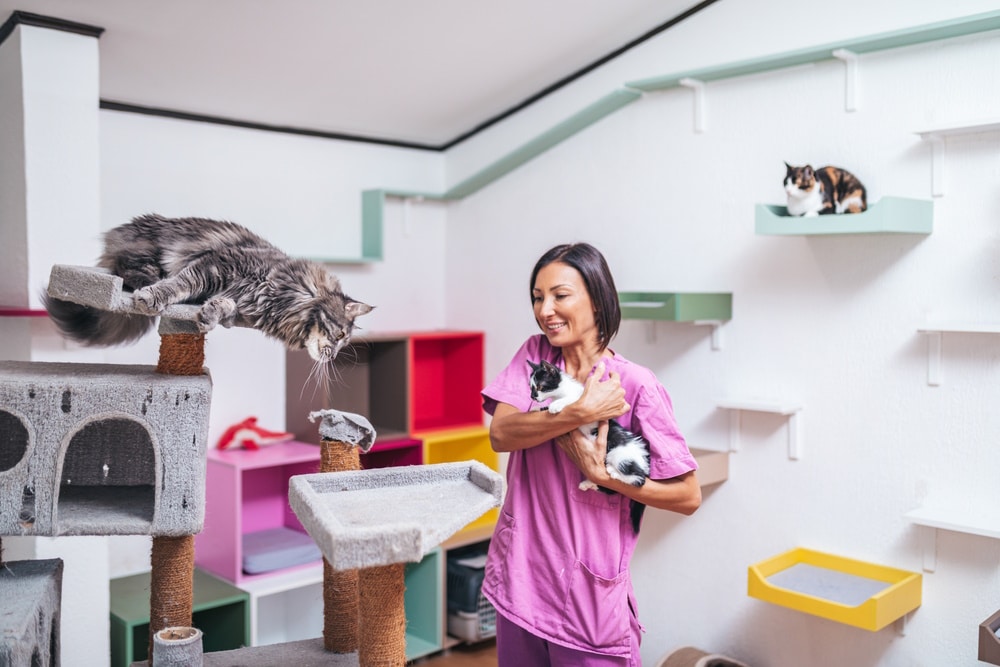
2. Adopt a Cat from a Shelter

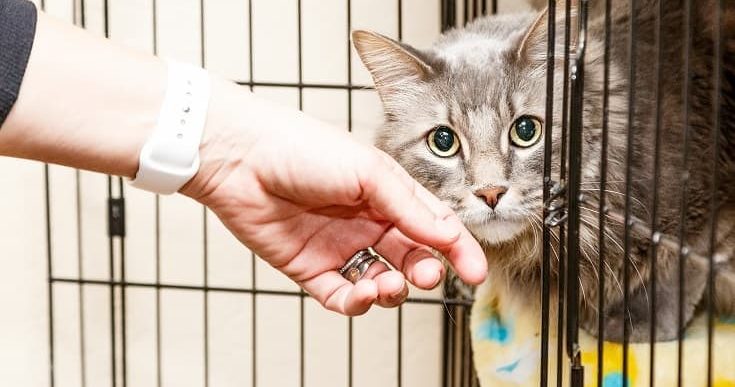
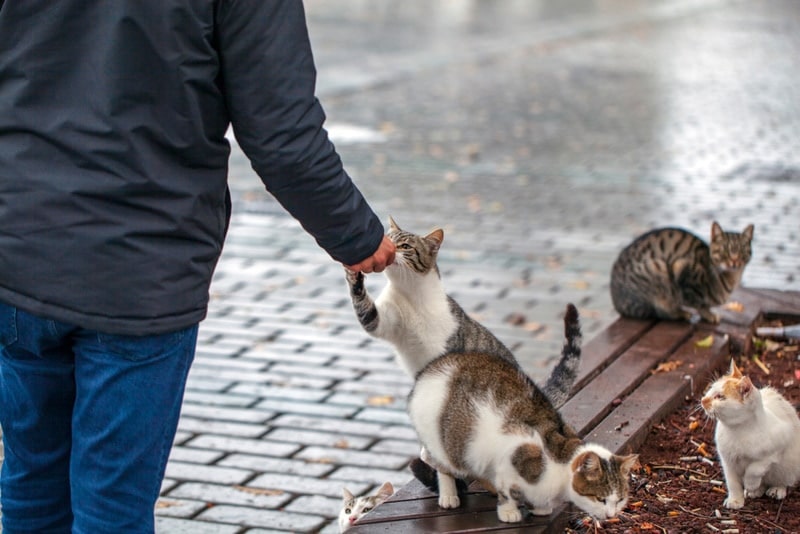
Numerous pets are waiting for forever homes in shelters and rescues, which have trouble placing the large number of cats and kittens that regularly come through their doors. Cats adopted from shelters are often mixed-breed domestic shorthair cats, otherwise known as moggies, and they almost always make amazing companions.
Moggies are incredibly adaptable; they are often comfortable in a variety of environments and are usually happy to go with the flow. While all cats can become ill, moggies are often considered healthier than purebred cats. They're also generally quite clever, making them easy to train.
3. Take Care of Your Pet
Cats are notorious for hiding signs of illness, and it’s challenging to determine if they aren't feeling well. American Humane Society encourages you to become familiar with the common signs of illness, such as lethargy, hiding, bloody urine, difficulty going to the bathroom, discharge from the eyes or nose, itchy skin, and hair loss, so you can monitor your cat's health and know when you should consider reaching out for veterinary guidance.
The organization also encourages pet owners to learn the difference between emergencies that require immediate veterinary intervention and those that are serious and need to be addressed but are less urgent. Always contact your veterinarian if you have any concerns about your cat’s health!
4. Be Nice to Wildlife
Encouraging wildlife like butterflies and birds to come by and hang out can bring beauty to your world and create space for nature to thrive. American Humane Society has several tips for dealing with wildlife, like deer, squirrels, and skunks, that can wreak havoc on gardens.
Methods such as choosing plants that are naturally unattractive to problem animals, removing outdoor food sources, using trash cans with locking lids, capping chimneys, and installing fencing to keep critters away from deck areas and gardens are all humane ways to coexist with many types of wildlife visitors.

What Other Activities Does American Humane Do to Support Animals?
American Humane Society's No Animals Were Harmed program monitors film productions to ensure the safety of animal actors. Barbie and Mission Impossible: Dead Reckoning Part One are just two of the many films to earn No Animals Were Harmed certifications.
The organization is also behind a program in which farmers who comply with humane best practices can earn an American Humane Society Certified stamp of approval. There's also a Humane Conservation certification for zoos and aquariums that meet the organization's suggested animal welfare standards. It also hands out the Wolfgang Kiessling International Prize for serious work in the field of conservation and runs a rescue team that responds to assist animals during emergencies.

Interesting Facts About Be Kind to Animals Week
Famous people have lent their support to the organization's mission over the years, and the event has been incorporated into our cultural history!

Conclusion
Be Kind to Animals Week occurs during the first full week of May. It's been around since 1915 and is one of the oldest awareness-raising weeks. American Humane Society, an animal welfare organization that has been hard at work since 1877, created the event, which concentrates on raising awareness about and providing education on animal welfare.
American Humane's mission includes companion animals, animal actors, and wildlife. It also runs a disaster response rescue team that responds to assist animals in emergencies. The organization's suggestions for being kind to animals include adopting cats from shelters, finding ways to coexist with wildlife peacefully, and purchasing humanely raised animal products.
Related Read:
When Is Pet Cancer Awareness Month? When Is It & Important Facts
Five Freedoms of Animal Welfare: How Vets Apply Them to Cats
Featured Image Credit: evrymmnt, Shutterstock
Expert cat care, straight to your inbox
Vet-reviewed advice, behavior tips, and the best of Catster. Free, and you can unsubscribe anytime.
By signing up, you agree to our Terms & Conditions and Privacy & Cookies Policy.

Christian started writing for a local newspaper as a teenager, and he's been involved in the publishing industry for most of his adult life. Combining his love of writing with a passion for animals, he is currently the Director of Editorial at Pangolia and the Editor-in-Chief at Catster.
Christian lives in the Philippines with his wife, son, and four rescue cats: Trixie, Chloe, Sparky, and Chopper.
Join the conversation
Ask a question, share your story, or send private feedback.