Are Savannah Cats Legal in California? Vet Approved Facts & Care Tips


In this article
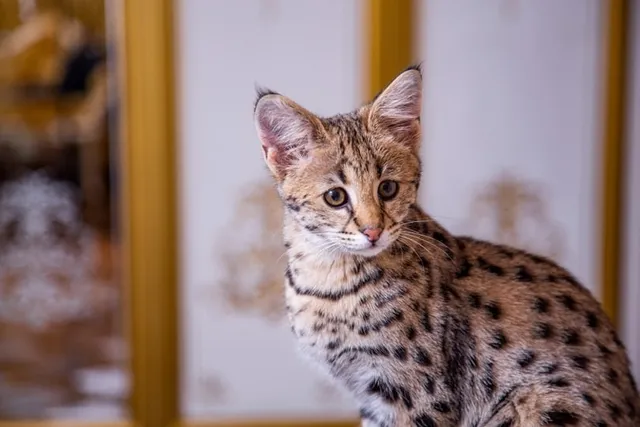
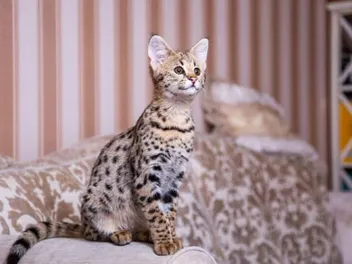
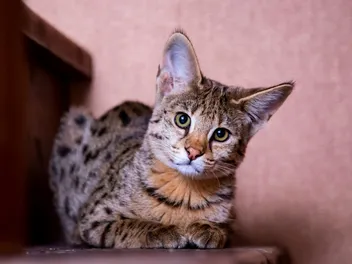
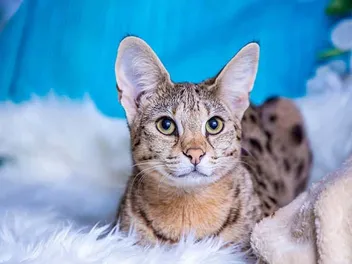
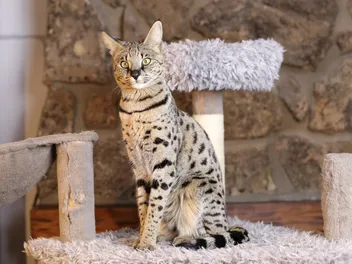
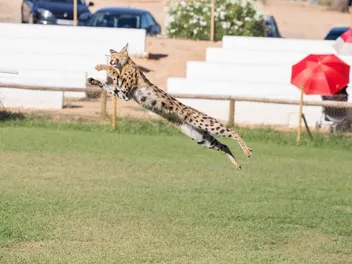
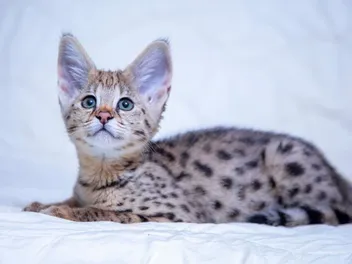
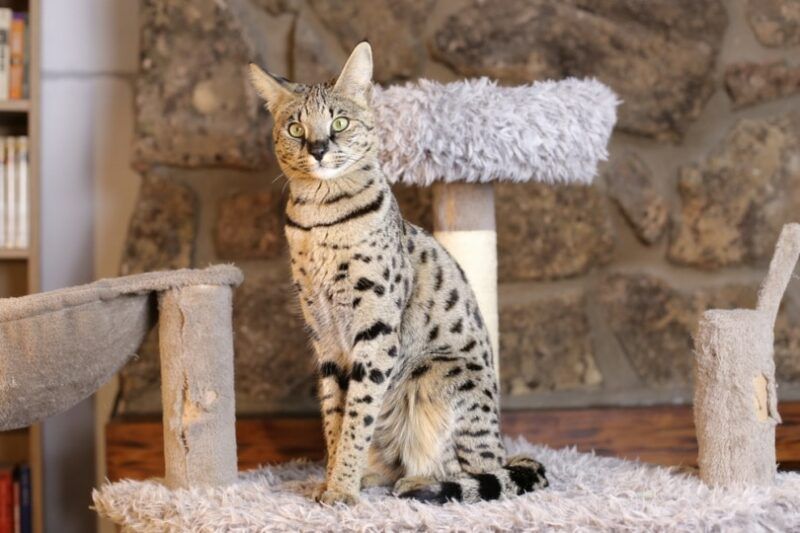
If you want to add a unique, high-energy pet to your California home, the Savannah cat might be what you’re looking for. However, because the cat is a hybrid with a true wild species as one parent, the Serval cat, they aren’t legal in every state. California Savannah cat lovers are in luck since all generations of the breed are legal to own without a permit, so yes, it is legal to own a Savannah cat in California.
In this article, we’ll learn more about how Savannah cats are bred, including the generational differences that sometimes decide whether one is legal or not in other states. We’ll also cover a few details about what it’s like to have a Savannah cat as a pet.

Savannah Cats: Generations Explained
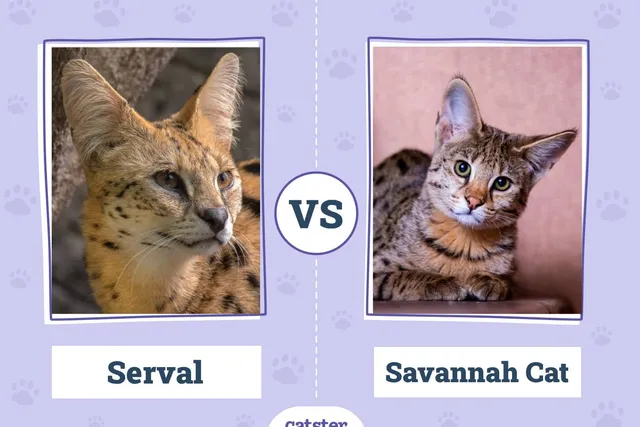
As we mentioned, all generations of Savannah cats are legal in California. But what is a generation, and why do some states restrict which of these you can own? The Savannah breed was created by crossing domestic cats, such as the Siamese, with African Servals, a wild species.
All Savannah cats are assigned a generational number, starting with F1 and moving higher, which indicates how much of their genetics come from the serval. F1 Savannah cats are the most closely related to servals, containing up to 75% of the wild DNA.
Although all Savannahs are technically considered “domestic” because they’re hybrids, the presence of more Serval genes can make a difference in the personality and behavior of the animal. Breeding Savannah cats to each other to create new generations further dilutes the influence of the serval ancestry. Because of that, some states only allow later generations, F4–F5 and higher, for example, to be privately owned.

How Generation Impacts Behavior
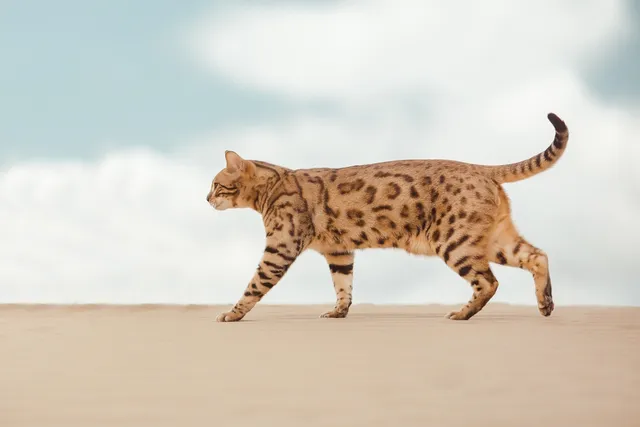
All Savannah cats display behavioral quirks that are unlike their domestic relatives. For example, they’re much bigger than most other cats, especially males, who weigh as much as 30 pounds. Savannahs are also highly energetic, playful, and intelligent.
Early-generation Savannahs retain more wild traits. They are more independent and have a more challenging time adapting to family life, especially if they aren’t socialized early. They might not like sharing their owners with other pets or kids.
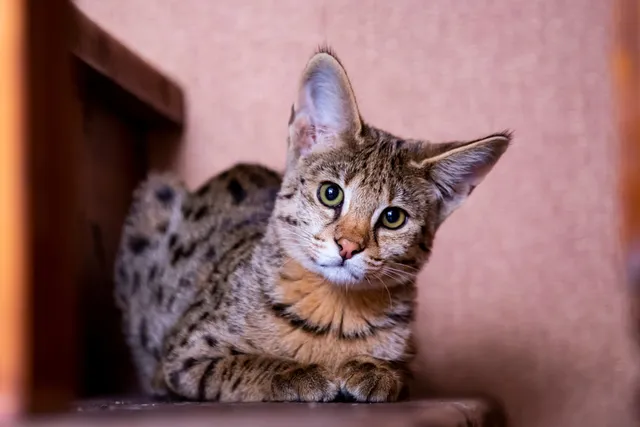
Later generations of Savannah cats, F4 and higher, behave more like domestic cats, but you can still expect them to be incredibly curious, energetic, and not particularly cuddly. However, they usually get along better with older children and dogs when given plenty of early socialization.
Owning a Savannah Cat
California residents can feel reassured they won’t be breaking the law by owning a Savannah cat, but there are other factors to consider before deciding if this is the pet for you. Unfortunately, some people decide they want a Savannah cat because of their exotic appearance and don’t learn enough about what it’s like to live with one, leading to unfortunate outcomes for the animal.
Savannahs are not suitable for those looking for a laidback kitty happy to snuggle on the couch. They are endlessly curious, mischievous, high-energy animals who need plenty of exercise and mental stimulation. Without it, they can quickly become bored and destructive.
Some cats tolerate spending much of the day alone, but the Savannah isn’t one of them. They bond closely with their humans and need plenty of attention. Later generations may enjoy another companion pet, but make sure they are carefully socialized together first.
Active individuals and families are best suited to life with a Savannah cat. The cat is intelligent and can quickly learn to walk on a leash, allowing them to join in outdoor adventures safely. Most Savannahs even like to swim.
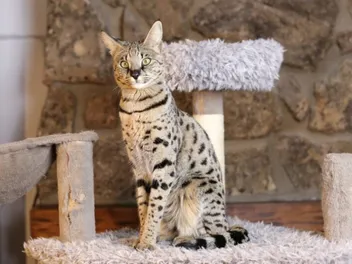
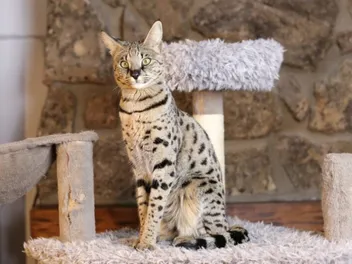
At home, Savannahs enjoy climbing and playing with interactive toys. Cat trees, shelves, and perches are a must for this breed. They might not want to snuggle in your lap, but your Savannah probably won’t let you out of their sight.

Conclusion
If you’ve done your research and believe you can provide a good home for a Savannah cat, choose a breeder carefully. The International Cat Association (TICA) registers Savannah cats and is an excellent place to start to find a reputable breeder.
As we’ve learned, the different generations of Savannah cats can be very challenging to live with, and you must be sure that the breeder you choose is telling the truth about what you’re buying. Early socialization and training are also essential, and experienced breeders will give your Savannah kitten a good foundation.
See also:
Sources
Featured Image Credit: AJR_photo, Shutterstock
Expert cat care, straight to your inbox
News, insights, and useful advice, delivered to you.

No spam — unsubscribe anytime.
By signing up, you agree to our Terms & Conditions and Privacy & Cookies Policy.
How useful was this post?
Click a star to rate. You can leave written feedback afterwards. (We read all feedback.)
Elizabeth Gray is a lifelong lover of all creatures great and small. She got her first cat at 5 years old and at 14, she started working for her local veterinarian. Elizabeth spent more than 20 years working as a veterinary nurse before stepping away to become a stay-at-home mom to her daughter. Now, she is excited to share her hard-earned knowledge (literally--she has scars) with our readers. Elizabeth lives in Iowa with her family, including her two fur kids, Linnard, a husky mix and Algernon, the worldʻs most patient cat. When not writing, she enjoys reading, watching all sports, and spending time outdoors with her family.