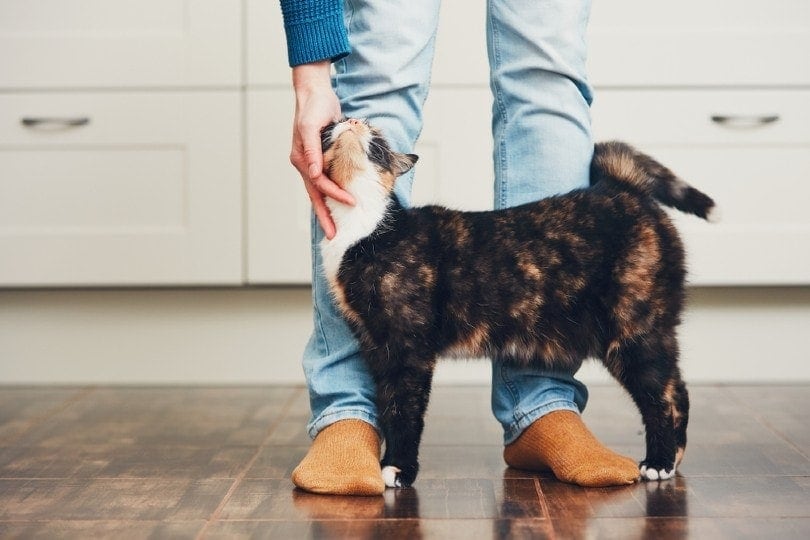
Why Is My Cat Sniffing My Face? 6 Vet-Reviewed Reasons


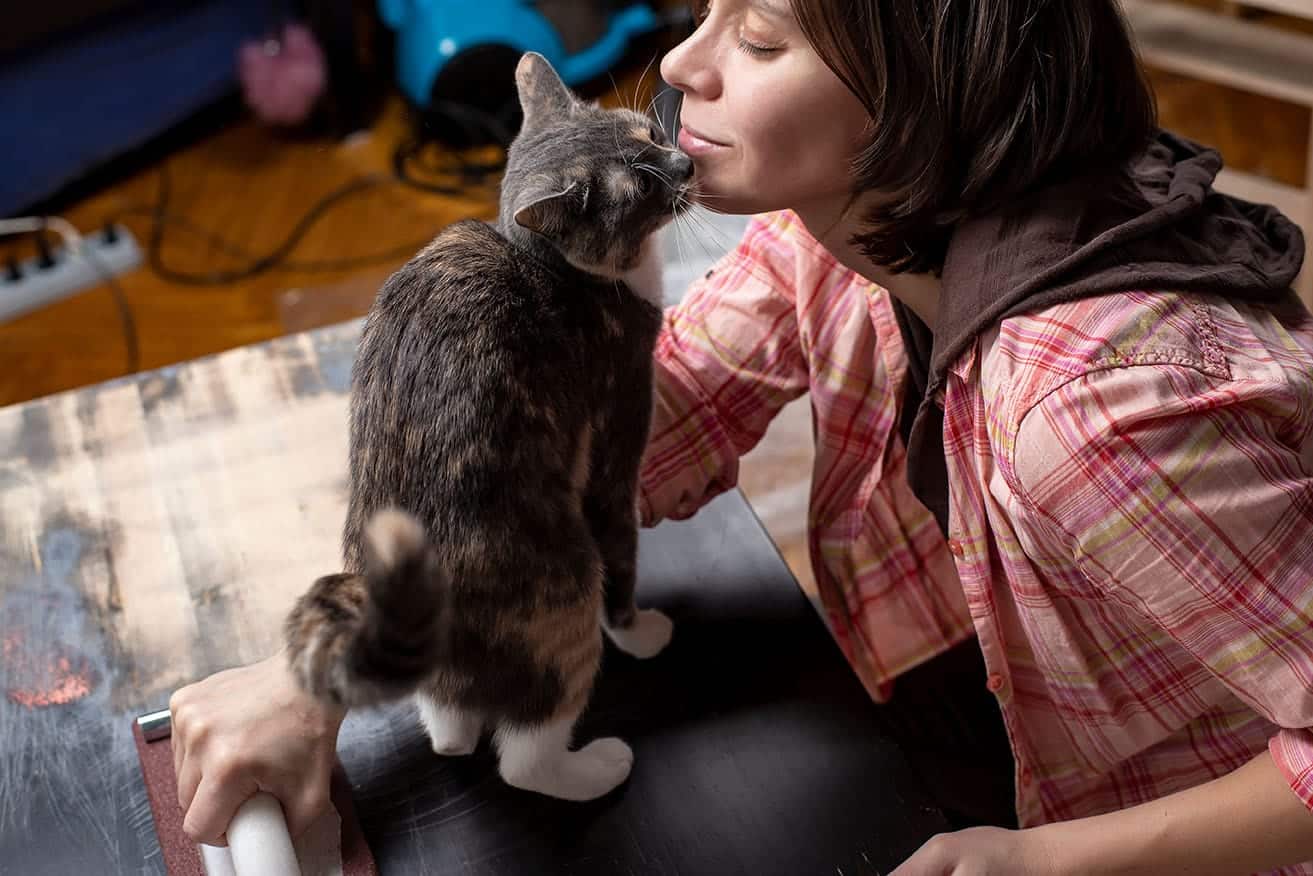
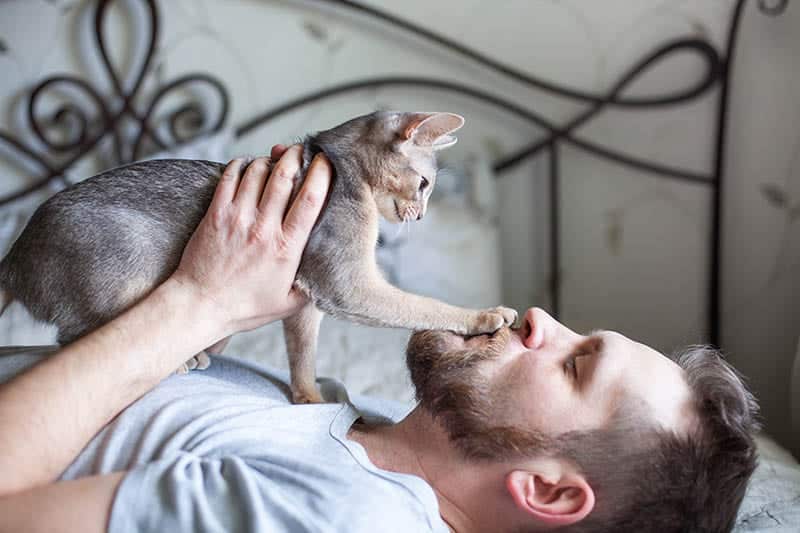
Your cat loves you—that much is certain. But have you ever wondered why your cat insists on sniffing your face? It's not just because they love the way you smell (although let's be honest, you do smell pretty great). In fact, there are a few reasons why your cat can't get enough of your face. Read on to learn more!

How Do Cats Use Their Sense of Smell?
One important thing to understand is how a cat uses their sense of smell in the first place. A cat's sense of smell is 14 times better than a human's. So, how does a cat's nose work? A cat has about 200 million olfactory receptors in its nose, compared to a mere 5 million humans.1 This means that a cat can identify smells much more precisely than we can.
Interestingly, cats also have a second organ that helps them in picking up scent, located in the nasal cavity and connecting to the roof of the mouth behind the upper incisors, called vomeronasal organ.2 It works more on pheromone signatures which tell about mating, territory, and mood. This allows them to taste smells as well as smell them.

The 6 Possible Reasons Why Your Cat Sniffs Your Face
1. Showing Affection
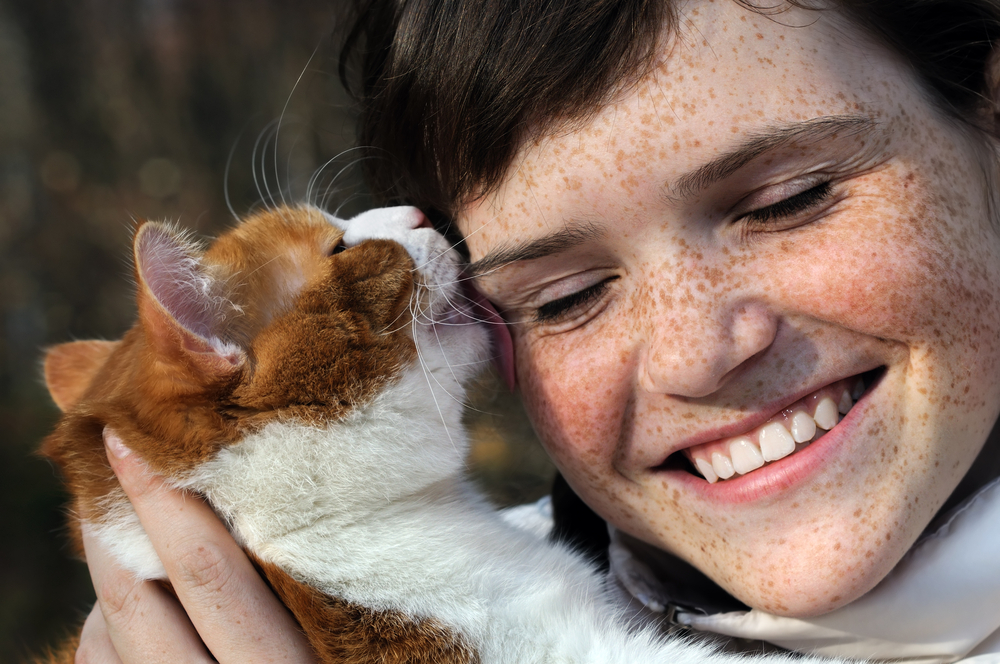
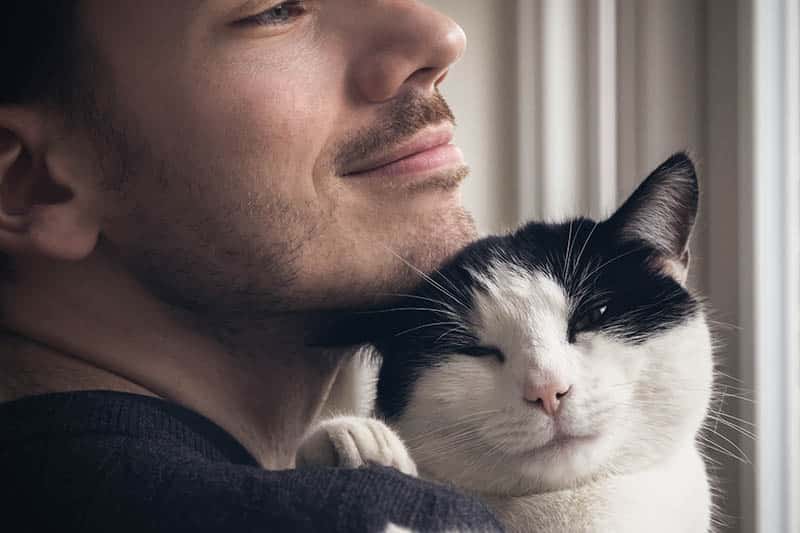
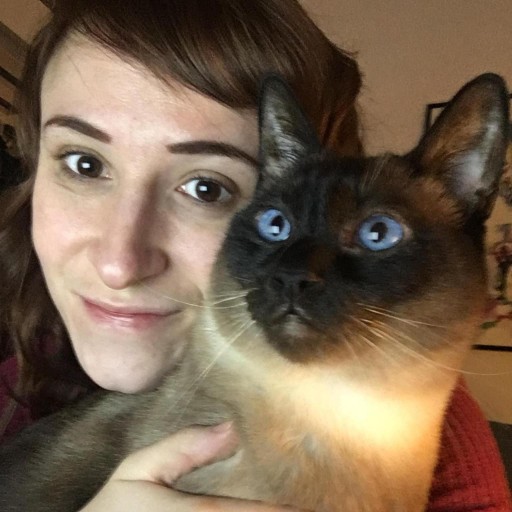
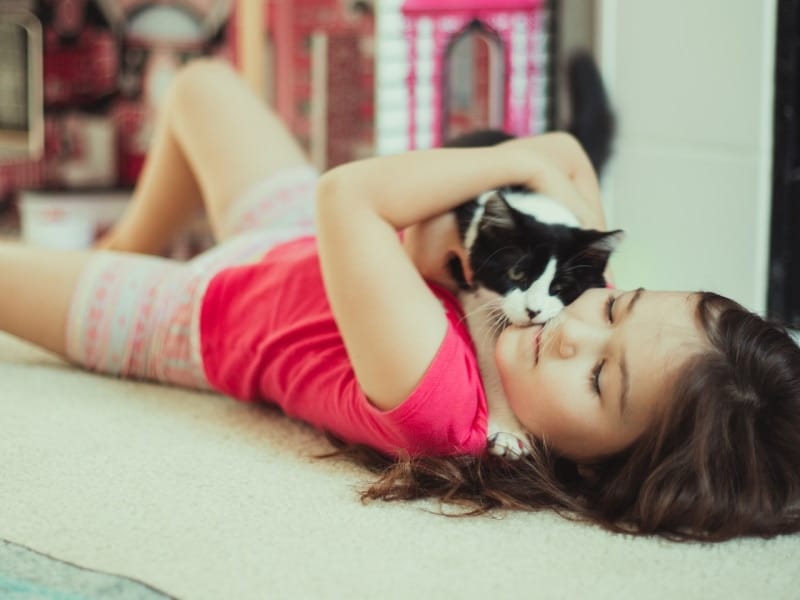
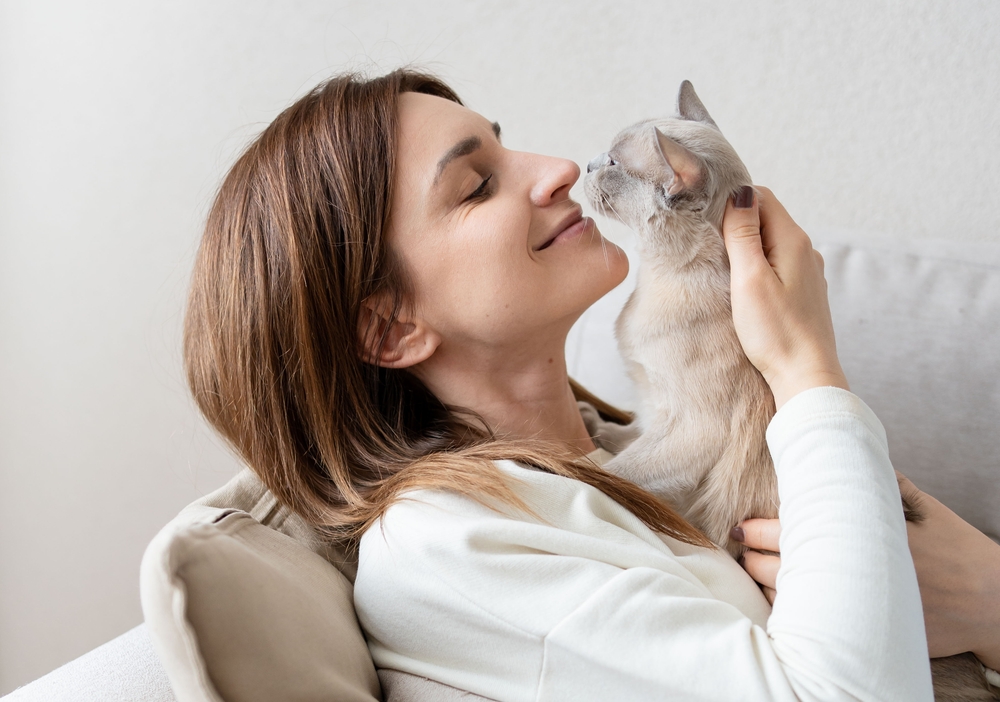
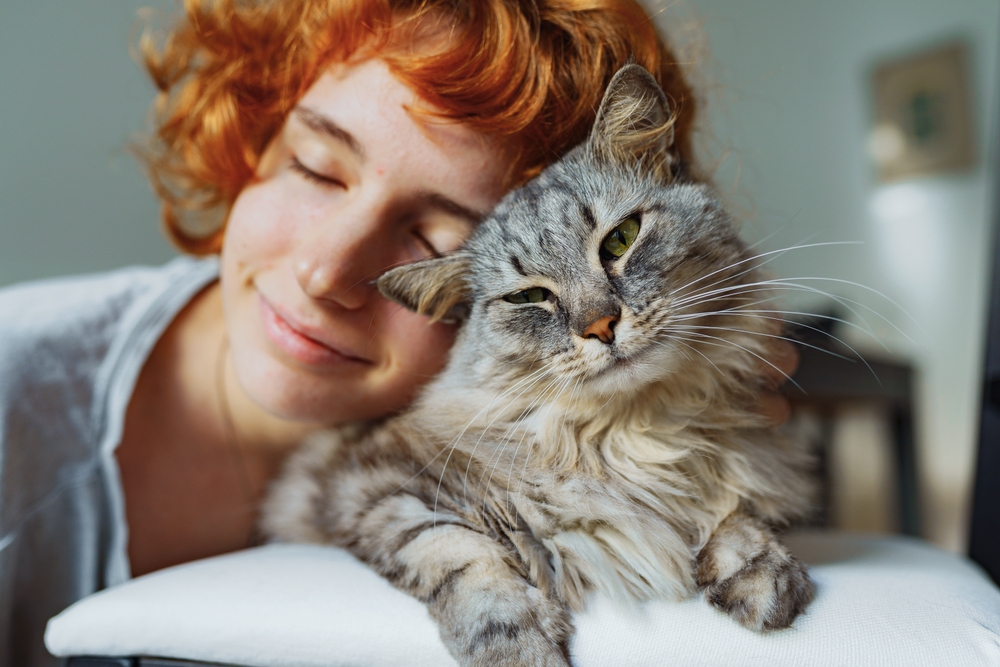
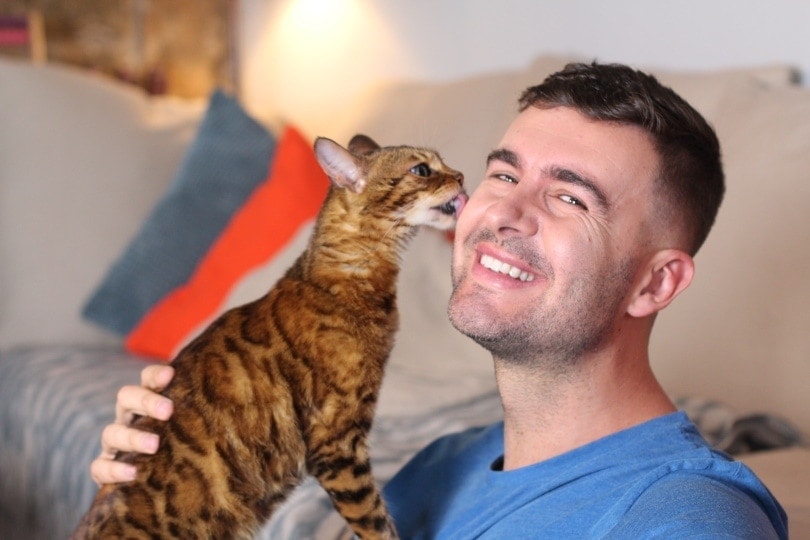
Some cats will head-butt and rub against their owners' legs, or jump up in their lap, purring and kneading, to show them how much they care. Other cats show affection by getting even closer and trying to sniff or even lick their owners’ faces. This can be a cute gesture of your cat showing their trust in you and wish to deepen their bond with you.

2. To Greet You
Another theory is that cats sniff faces as a way of saying hello. When they meet another cat, they'll often start by sniffing each other's butt or face. This allows them to exchange information like their sexual status, where they live, and what they've been up to.
So when you get home, and your cat moves in to sniff your face, they are just saying welcome home!
3. To Pick Up on Scents
Sometimes your cat will sniff your face if you have recently eaten some meat or anything umami-like, that they picked up on. Maybe there is some leftover food on your face, or you have used a face cream or another product, the scent of which attracted your kitty. Do not let your cat lick any of your topical creams from your skin or painkiller creams, as some of the ingredients may be harmful and even toxic to cats if ingested.
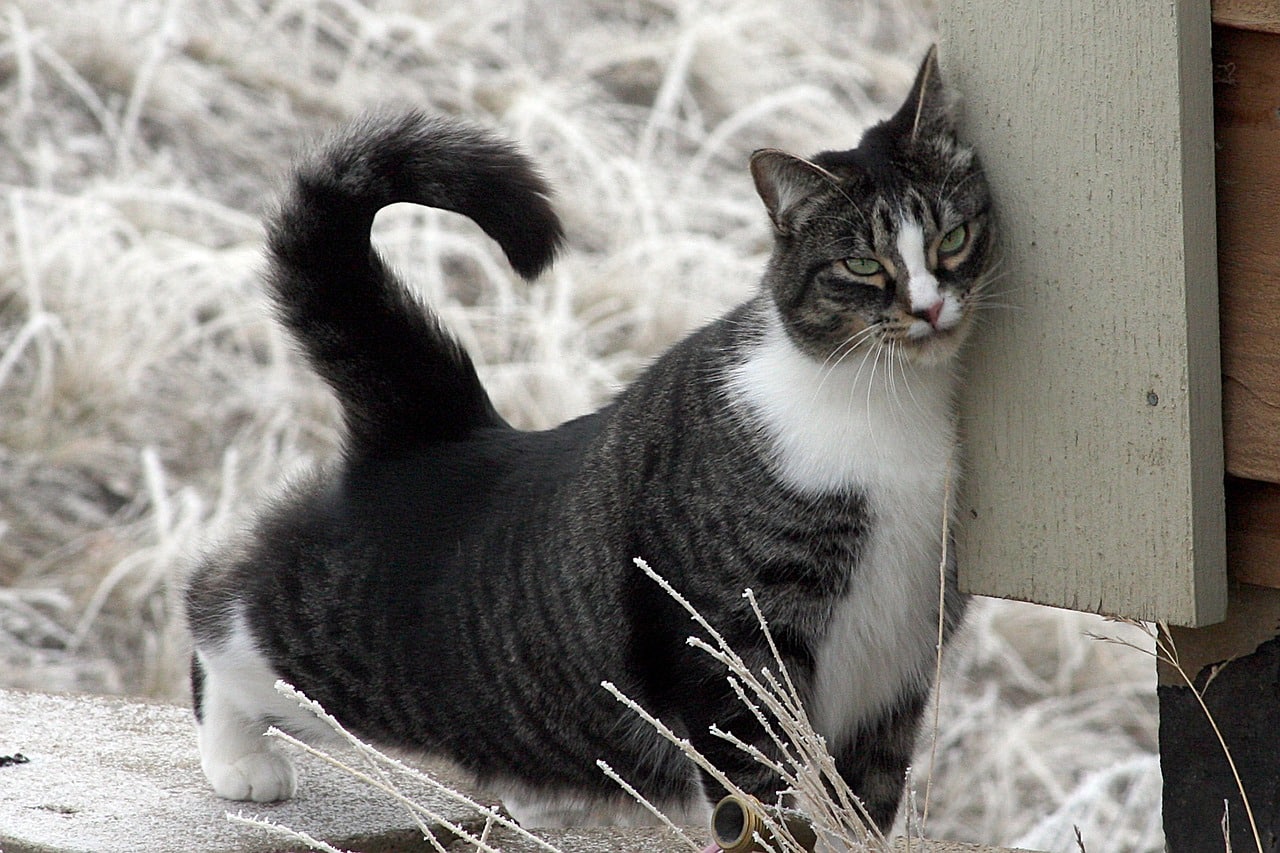
Cats have scent glands on their faces, so while sniffing you, they may also rub their heads against you, which means they are marking you as familiar. They do this to other cats as well.
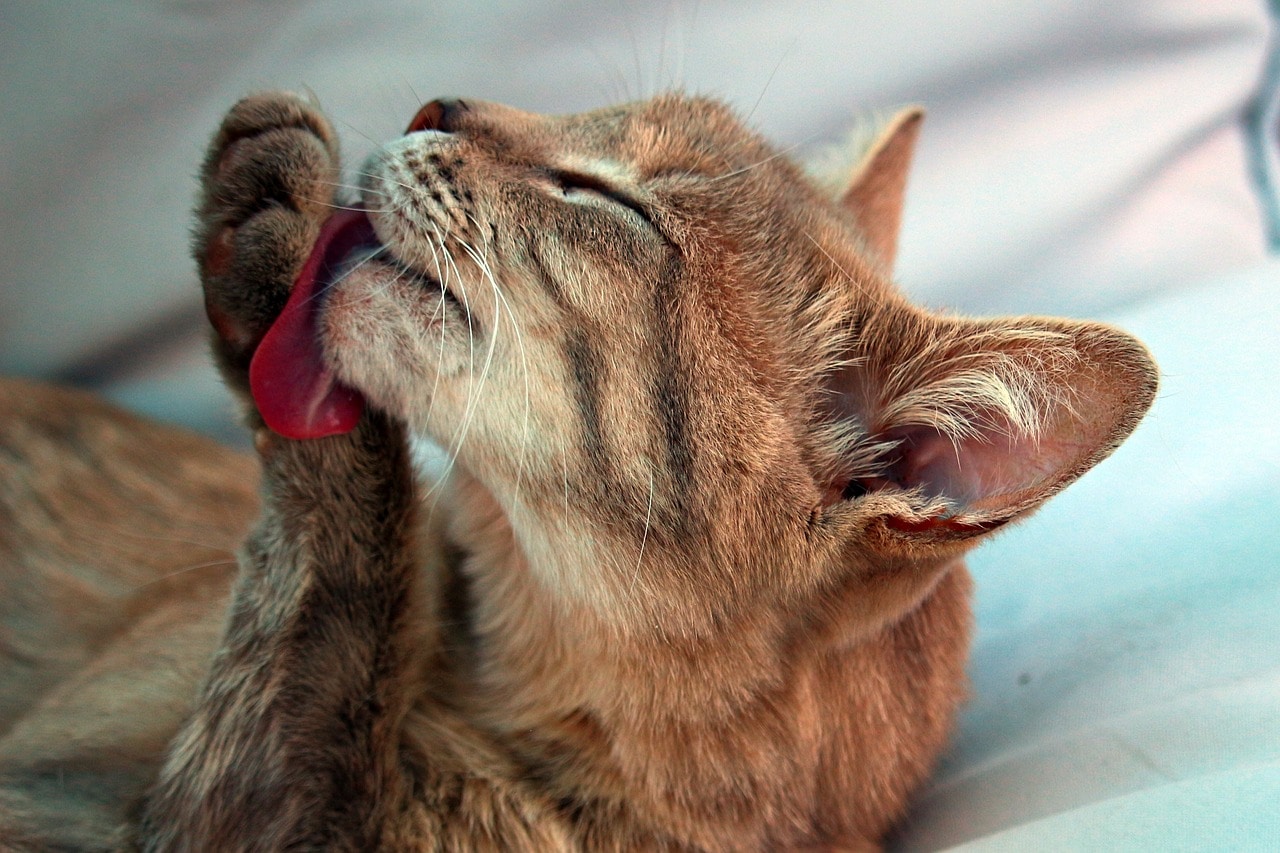
Face rubbing is also a form of grooming. When cats lick themselves, they spread their scent all over their bodies. But when they lick your face, they are essentially bathing you and covering you in their smell.

4. To Seek Attention
When a cat sniffs your face, they may be seeking your attention, in the form of petting, playtime, or even food. Some cats have learned that their owners give them attention if they jump up in their laps and sniff their faces, and this serves as a reinforcement for the behavior.
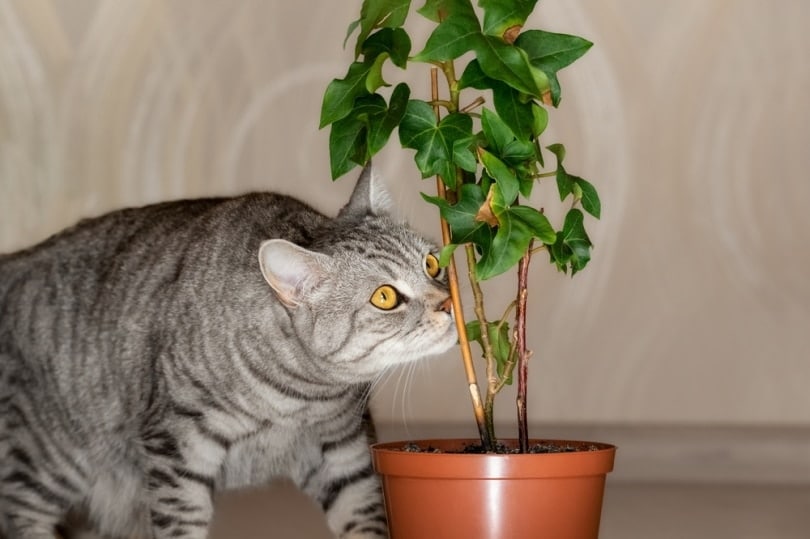
Of course, there are other reasons why cats like to sniff things. They may just be curious about your scent or checking you out for potential food sources (hey, we can’t blame them!).
5. To Wake You Up
There's nothing quite like waking up to a cat's nose pressed against your face. A cat's nose is cool to the touch making it the perfect tool to wake up their human when they want food.
When your cat gently nudges your face with their cold nose, it’s one of their many ways of telling you that they need you to wake up to feed them. Many cats can become persuasive about being fed and will wake you up long before your alarm clock does. If this is the case, keep them outside the bedroom at night, get them on a regular feeding schedule, play with them before bedtime, or buy an automatic feeding bowl.

6. To Reduce Their Stress
Cats have a keen sense of smell and may use it to reduce their stress levels. When they sniff our faces, they're taking in our familiar scent. This may help them feel more relaxed and secure. It is comforting to know that your cat looks to you to reduce stress and feel safer.
However, if your cat is showing other signs of anxiety or stress, such as hiding, changes in their appetite, destructive behavior, excessive vocalizing, inappropriate toileting, overgrooming, or others, get them checked out by your vet to rule out any underlying health issues which may be behind it. The next step is providing your kitty with an enriched and stimulating environment to help them battle any frustration or boredom, and ensuring they get plenty of exercise. Some cases of anxiety in cats will require help from a behaviorist.

Should I Let My Cat Sniff Or Lick My Face?
It's best to minimize your cat's contact with your face and avoid letting them lick your skin, especially any wounds or cuts. Cats harbor many bacteria in their mouths, as well as pathogens from the feces due to their grooming habits. By sniffing and licking your face, they may transmit these pathogens to you, in some cases leading to a severe illness. Older people, pregnant women, and young children, as well as immunocompromised individuals are at higher risk and some of these pathogens include Capnocytophaga canimorsus and Pasteurella multocida.
Final Thoughts
Now you know some of the possible reasons your cat sniffs your face! Thankfully, most reasons your cat will do this are positive and help foster a strong relationship between your cat and you. So next time your cat sniffs your face, think of it as a sign of affection. They're trying to tell you that they feel comfortable around you—and that's a good thing! However, if you or a member of your family is immunocompromised or at higher risk of contracting infections for various reasons, it would be best to discourage your cat from sniffing and licking your face and consulting with your doctor.
Sources
Featured Image Credit: Koldunov Alexey, Shutterstock

Expert cat care, straight to your inbox
Vet-reviewed advice, behavior tips, and the best of Catster. Free, and you can unsubscribe anytime.
By signing up, you agree to our Terms & Conditions and Privacy & Cookies Policy.
Christian started writing for a local newspaper as a teenager, and he's been involved in the publishing industry for most of his adult life. Combining his love of writing with a passion for animals, he is currently the Director of Editorial at Pangolia and the Editor-in-Chief at Catster.
Christian lives in the Philippines with his wife, son, and four rescue cats: Trixie, Chloe, Sparky, and Chopper.
Join the conversation
Ask a question, share your story, or send private feedback.