Why Does My Cat Keep Getting UTIs? 7 Vet Reviewed Reasons

In this article
Although feline urinary tract infections (UTIs) aren’t common in cats, it can be terrifying if one strikes your feline companion. While UTIs are technically caused by bacteria entering the urinary tract, bacterial UTIs are quite rare. Most cats with difficulty peeing suffer from some other sort of urinary tract condition, such as struvite crystal accumulation or cystitis.
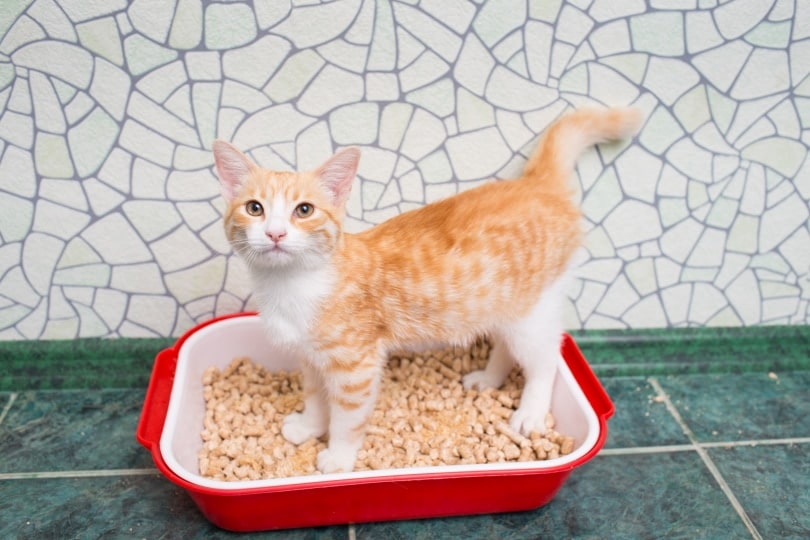
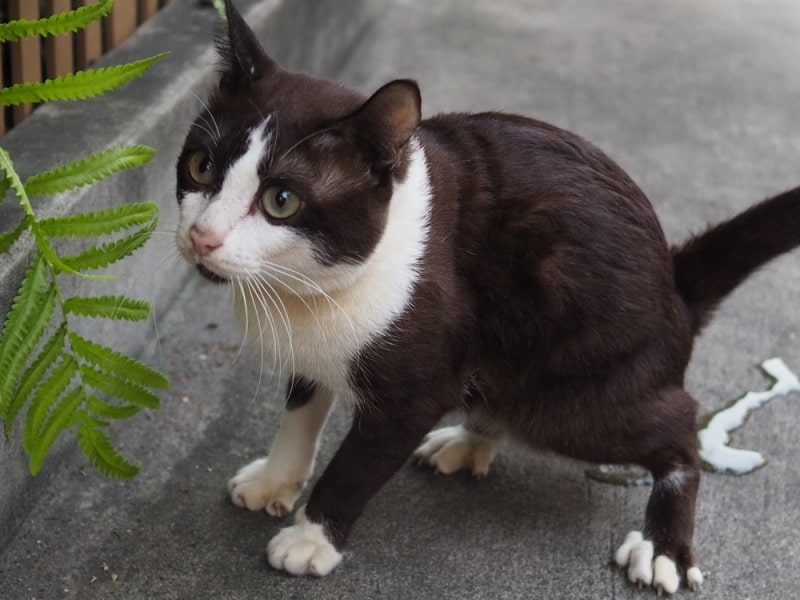
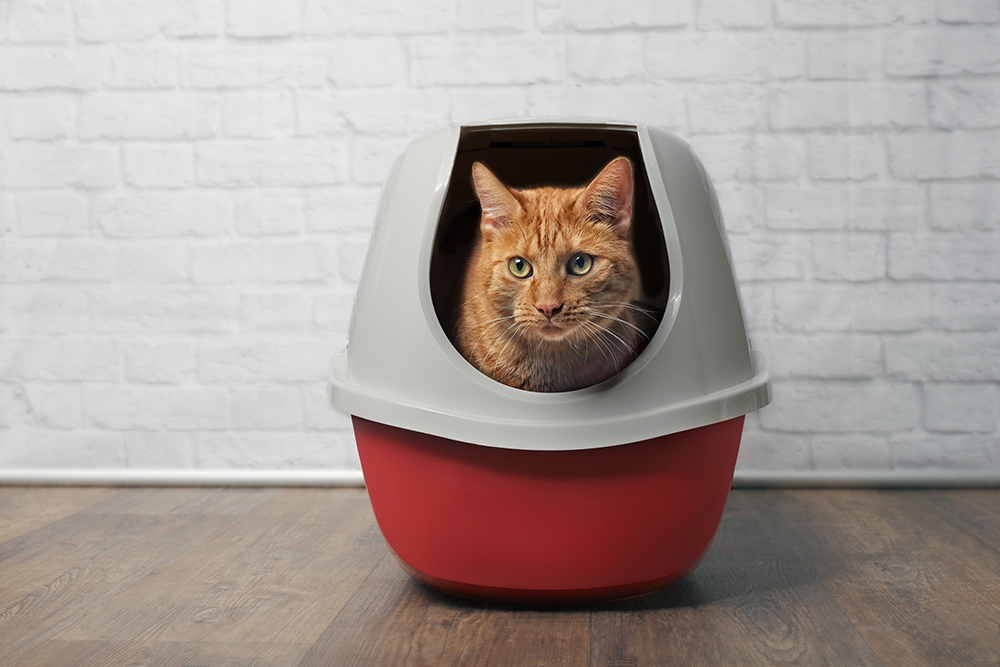
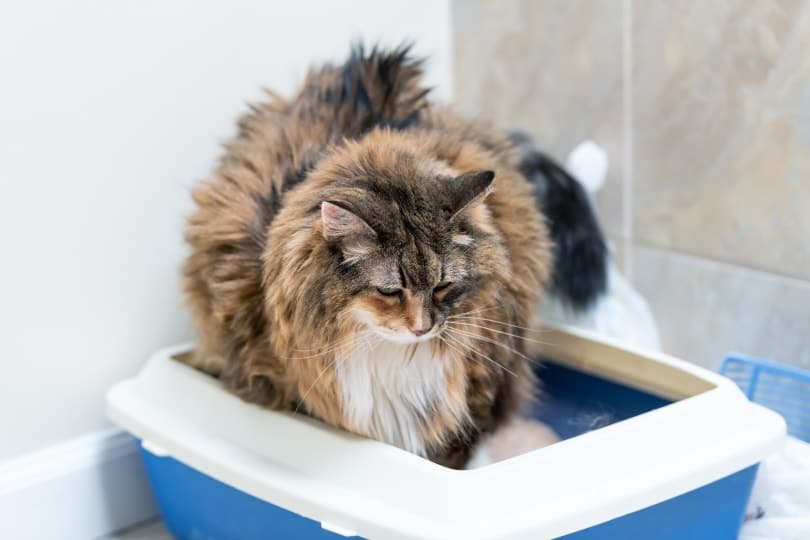
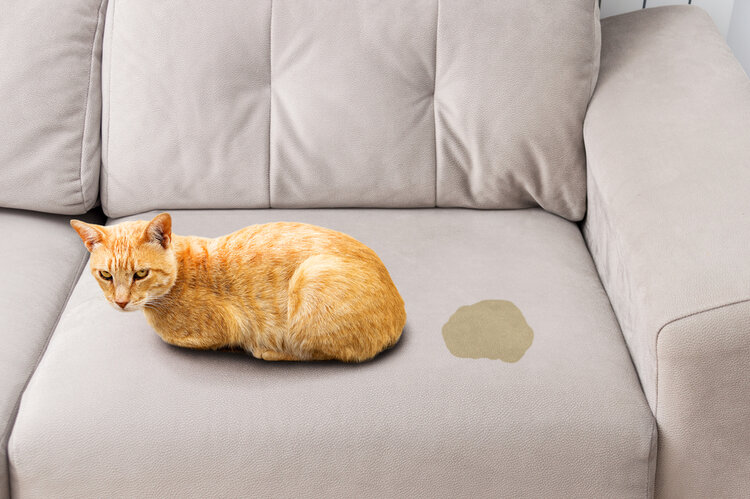
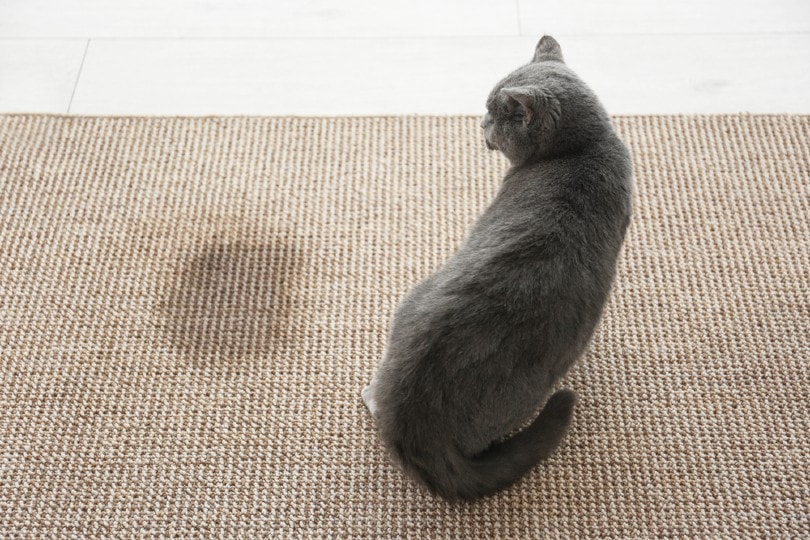
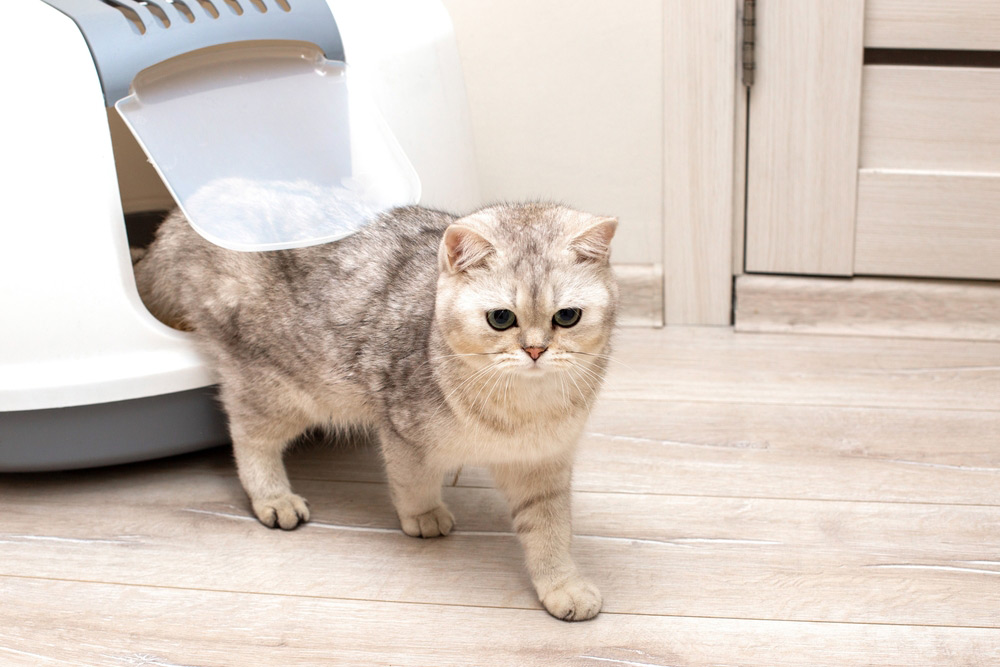
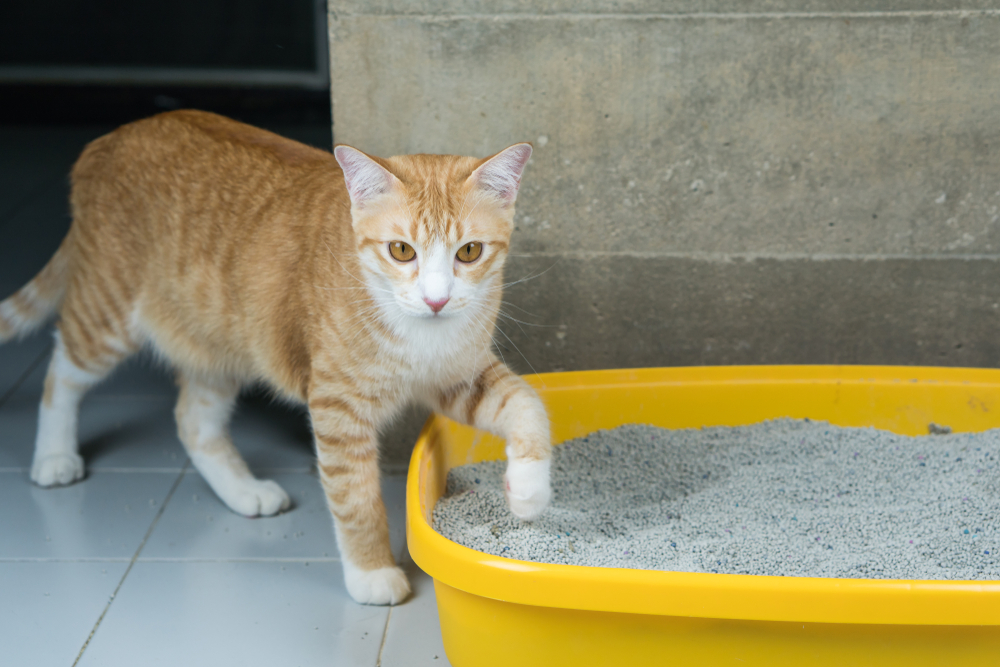
Cats dealing with urinary tract issues often repeatedly head to the litter box and strain while producing little urine. Others avoid the litter entirely and attempt to relieve themselves on cool, cold surfaces such as bathroom tiles or tubs. Veterinarians use blood tests, urinalysis, and ultrasound imaging to diagnose what’s causing the symptoms. Read on to discover the most common reasons your cat keeps getting UTIs.

The 7 Reasons Your Cat Keeps Getting UTIs
1. Age and Sex

Both male and female cats can get bacterial UTIs, but there appears to be a link between sex, age, and an increased risk for this type of feline urinary tract disease.
Older female cats are more likely to be diagnosed with the condition than other pets. Female cats have wider, shorter urethras than male cats, which predisposes them to bacterial UTIs. And cats’ immune systems tend to become less robust with age, so it makes sense that older female cats end up with more UTIs.
Older female cats can no longer fight off infections as efficiently, and their short urethras mean that their bladders are regularly exposed to potentially infectious agents.
2. Diabetes
Most cats with diabetes have the Type 2 variant of the disease, meaning the condition is not genetic, it was acquired later in life due to their diets and sedentary lifestyles. Diabetic cats’ bodies can’t properly regulate or use glucose. Overweight male indoor cats are at increased risk for developing the condition. All cats with diabetes are more likely to develop UTIs. Lack of exercise and long-term steroid use also appear to predispose cats to develop the disease.
Cats with diabetes often drink a ton of water, go to the bathroom frequently, and lose weight for no apparent reason. Diabetes is diagnosed using blood tests and urinalysis. Its management usually involves insulin injections and adherence to a low-carbohydrate diet. Many cats accomplish remission if this disease is diagnosed in its early stages and timely management protocols are followed.
3. Bladder Stones
Cats with a tendency to develop bladder stones are at heightened risk regarding urinary tract issues. These stones are made of calcium oxalate or struvite crystals, which are commonly found in the urine of healthy cats.
Problems arise when these crystals cleave together and develop into grit and stones that create blockages. The condition is sometimes caused by dehydration and insufficient water intake. Cats with bladder stones are prone to developing UTIs, as the stones’ sharp edges irritate the delicate tissues of the bladder and urethra, causing inflammation and pain.
Cats with bladder stones are also at great risk of developing urinary tract blockages. These happen when the stones enter a cat’s urethra and impede the flow of urine. Blockages occur most commonly in male cats and can be fatal if not treated immediately.
Seek veterinary advice if you’re concerned about your pet’s well-being.
4. Not Drinking Enough Water
Dehydration resulting in highly concentrated urine is a leading cause of many conditions resulting in urinary tract problems. Cats that don’t drink enough water also have a higher risk of developing kidney disease. Increasing your cat’s water intake can be one of the most important things you do to support your pet’s long-term health.
A cat water fountain is a simple way to increase your kitty’s water intake. Because cats prefer moving water, cat water fountains often encourage cats to drink more. Another option is to increase the amount of wet food you feed your cat. Most wet food contains more water by volume, making it a relatively enjoyable way for your cat to stay hydrated.
5. Obesity

While cats with a few extra pounds are often adorable, feline obesity is a huge problem that has repeatedly been linked to some life-altering feline diseases such as arthritis, diabetes, and high blood pressure. Obesity increases the risk of developing feline lower urinary tract disease. Diabetes and high blood pressure increase a cat’s chances of developing kidney disease.
Keeping your cat’s weight under control is vital to preventing the development of chronic conditions that often underlie chronic urinary tract disease and inflammation in cats. Regular exercise and portion control can limit unintended weight gain before things get out of hand. Weight management food is a good option for cats that need to get serious about dropping a few pounds.
6. Thyroid Conditions
Cats with overactive thyroids often suffer from urinary tract inflammation and pain. The condition is called hyperthyroidism and is most commonly found in older cats. A non-cancerous tumor is often the cause of this disease in which thyroid hormone production goes into overdrive.
The signs of hyperthyroidism include weight loss, extreme thirst, vomiting, and diarrhea. Diagnosis usually involves blood tests and a physical exam. With proper treatment, hyperthyroidism can usually be treated. Treatment usually involves diet management, medication, radioactive iodine therapy, or surgery. Addressing the condition with medication often requires twice-daily pill administration. Radioactive iodine therapy requires an injection and some days of isolation after the treatment.
The radioactive iodine is taken by the thyroid gland, killing the overactive hormone-producing cells. This treatment allows the thyroid function to return to normal. Many cats that were once very ill with the condition go on to live long, happy lives after treatment.
7. Chronic Kidney Disease (CKD)

Cats suffering from CKD are also prone to developing bacterial UTIs. CKD is most often diagnosed in older cats. Up to 50% of cats over 15 show signs of the disease. The most common signs include increased thirst and urination, weight loss, and anemia. In the later stages of the disease, cats often vomit and become lethargic.
There’s no cure for CKD, but when caught early, cats often go on to live for several years. Its treatment varies based on the stage at which the disease is discovered. To keep your cat’s kidneys as healthy as possible, ensure your cat always has access to fresh water, and consider purchasing a fountain to increase the amount of water your pet drinks.
Non-Infectious Urinary Issues
1. Cystitis
Cystitis occurs when the lining of a cat’s bladder becomes badly inflamed. Although it causes many of the same symptoms as a UTI, it’s not caused by bacteria. Cats suffering from cystitis often strain when going to the bathroom, produce little urine, and make frequent trips to the litter box.
Without treatment, the inflammation can become so pronounced that it causes a urinary tract blockage, which is a serious emergency. Most cases of cystitis are idiopathic, meaning they just happen; there’s no apparent cause or underlying condition responsible for the inflammation. Overweight male cats are more likely to end up with the illness, and it occurs most often in cats younger than 10.
2. Stress & Anxiety

Cats often develop cystitis when under stress. Cystitis symptoms mimic those of a bacterial UTI, with several trips to the litter box, painful peeing, and bloody urine. If your cat keeps getting idiopathic cystitis, it may be an indication that your cat is extremely stressed.
No one knows precisely why, but stress appears to trigger the condition. Cats often become stressed in the presence of loud, repetitive noises—most don’t do well during home renovations, for example. Some don’t adjust well to new household members. A new baby or pet in the home can send some kitties’ stress levels through the roof. Others don’t react well to changes in their owners’ schedules.
If your cat exhibits other stress-related behaviors, such as excessive vocalization, decreased appetite, or aggression, you may have a stressed-out cat on your hands.
Those caring for anxious cats understand the struggles and discomfort that their companions feel on a daily basis. The innovative bowl shape of the Hepper Nest Bed provides nervous pets with support and its high sides offer a sense of security, diminishing stress and worry. To learn about how to the Hepper Nest can provide solace to your cat, click here.

- COMFY KITTY - Your cat or kitten will have an amazingly deep sleep in this self warming, nesting cat bed. The warm, fluffy cat bed lining provides calming stress relief for cats of all ages.
- PRETTY HOME - This round cat bed has a modern and unique design that’s perfect for a sleek indoor look. We don’t think of it as cat furniture but think of the Cat Nest as a “cat home”.
- SPACE SAVER - Reclaim your desk, window sill, or couch from kitten encroachment. This calming nest cat bed has an elevated, space-saving hideout so comfortable your kitty can't resist!
At Catster, we’ve admired Hepper for many years and decided to take a controlling ownership interest so that we could benefit from the outstanding designs of this cool cat company!
Final Thoughts
Several conditions can make it painful for your cat to pee, from bacterial infections to cystitis. Most have similar symptoms, making feline urinary tract issues one of the conditions best sorted out by a veterinarian, as treatment depends on the underlying cause of the problem.
To keep your cat’s urinary tract in great shape, make sure they’re getting plenty of water, and don’t underestimate the importance of your cat maintaining a healthy weight.
Sources
https://www.thesprucepets.com/good-food-cat-with-struvite-crystals-3976993
https://vcahospitals.com/know-your-pet/urinary-tract-infections-utis-in-cats
https://www.petmd.com/cat/centers/nutrition/slideshows/does-stressed-cat-have-urinary-issue
https://www.petmd.com/cat/centers/nutrition/slideshows/signs-your-cat-might-be-stressed
https://vcahospitals.com/know-your-pet/urinary-tract-infections-utis-in-cats
https://www.petmd.com/cat/conditions/urinary/utis-cats-urinary-tract-infections-cats
https://www.thesprucepets.com/good-food-cat-with-struvite-crystals-3976993
https://www.petmd.com/cat/centers/nutrition/slideshows/does-stressed-cat-have-urinary-issue
https://www.petmd.com/cat/centers/nutrition/slideshows/does-stressed-cat-have-urinary-issue
https://www.petassure.com/maxscorner/impact-of-obesity-on-cats-and-dogs/
https://vcahospitals.com/know-your-pet/urinary-tract-infections-utis-in-cats
https://www.hillspet.com/cat-care/healthcare/male-cat-urinary-blockage
https://www.thecathospitalofmedia.com/chronic-renal-disease-crd-in-cats/
https://todaysveterinarypractice.com/urology-renal-medicine/feline-chronic-kidney-disease/
https://www.petmd.com/cat/conditions/urinary/feline-idiopathic-cystitis-fic-cats
Featured Image Credit: nanniezwawa, Shutterstock

Expert cat care, straight to your inbox
Vet-reviewed advice, behavior tips, and the best of Catster. Free, and you can unsubscribe anytime.
By signing up, you agree to our Terms & Conditions and Privacy & Cookies Policy.
Lorre Luther is a writer who is firmly convinced that cats are smarter than humans. She left her law career in the United States and moved to the Netherlands to follow her dream of becoming a writer. Lorre currently lives in Rotterdam, she enjoys traveling and greatly appreciates the beauty of nature. Lorre has a spot for animals and admires the intelligence of cats.
Join the conversation
Ask a question, share your story, or send private feedback.