Why Does My Cat Bite Their Feet? 7 Vet-Verified Reasons


Cats do all sorts of strange things! The motivations of most feline behavior remain, for the most part, opaque at best, with cat lovers reduced to playing with educated guesses when attempting to explain their pets' various quirks.
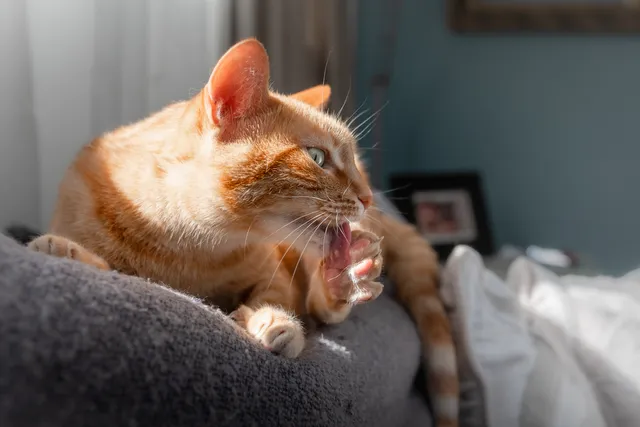
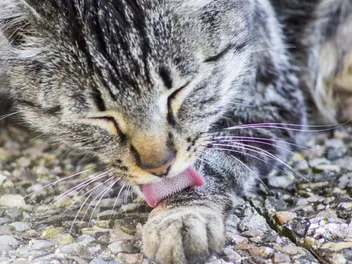
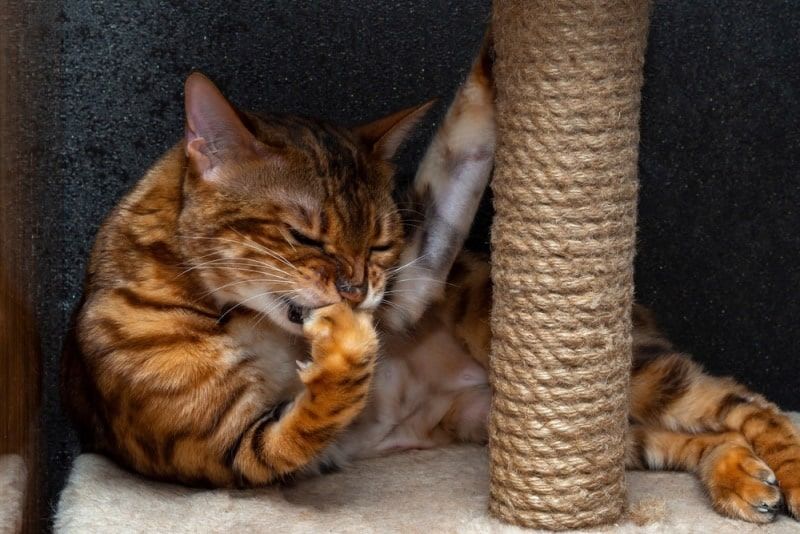
They intentionally knock things over, interrupt you when you're taking a shower, and wake you up in the middle of the night when they zoom around the room. But then there are behaviors like foot biting. It's normal for cats to "bite" their feet and claws as a regular part of their self-grooming routine.
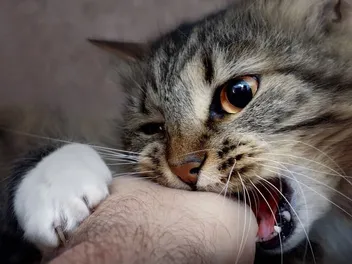
Cats bite at their paws to remove stuck-on debris, such as bits of litter. Excessive foot biting, on the other hand, often indicates that something's causing your cat to experience physical or mental distress. Below you'll find more information about seven common reasons cats sometimes bite their feet.

The 7 Reasons Why Cats Bite Their Feet
1. Grooming
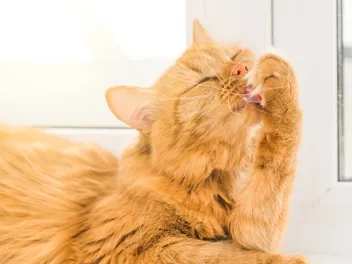
Cats are pretty good at grooming themselves, with some devoting up to 50 percent of their waking hours to getting and staying squeaky clean. Kitties' tongues are full of papillae that help distribute saliva to your cat's coat as they lick themselves clean. Their paws address hard-to-reach areas like behind the ears, and their teeth are whipped out when deep cleaning is required.
Cats don't usually need to be bathed unless they’ve gotten into something stinky or potentially toxic. Many owners find that a bit of catnip helps take the edge off bath times and other stressful situations (including visits to the veterinarian).
Cats will also bite their paws if the outer shell of a claw sloughs off and needs to be removed. If your cat bites their feet for a few minutes as part of their regular bathing activities, there's nothing to worry about. Just keep an eye on your pet to make sure nothing changes.

2. Infection
Infections often cause pain and inflammation, which many cats respond to by licking and biting the area. Cat saliva appears to have antibacterial and antiseptic qualities to a minor degree. Cats often lick their wounds; it’s how they deal with infections in the wild. However they also carry a lot of bacteria in their mouths and can make the infections worse. Common signs of infection include redness, swelling, and pain. There’s often discharge, and a smelly odor may be detectable around the infected area. A veterinarian should evaluate any pet that has a wound or signs of infection on their feet or toes. Cats may over-groom or even bite at their feet if they are finding them uncomfortable.
3. Foreign Objects
Cats use their teeth to free annoying and painful foreign objects stuck in their paws. Cats’ paws are incredibly sensitive; they’re packed full of nerve endings that allow kitties to do amazing things like feel the movements of their prey.
Cats often bite their paws when trying to remove something that causes discomfort. Common offenders include thorns, litter granules, and bits of glass. Outdoor cats are at higher risk of ending up with a foreign object embedded in a paw. You can remove most small items yourself with patience and a pair of tweezers. Remember never to use alcohol or hydrogen peroxide on a cat wound; both can injure the delicate feline tissues.

4. Stress or Anxiety
Nail and foot biting can also become compulsive behaviors in some cats. It's often seen in seriously stressed-out kitties as a self-soothing mechanism. Anxious cats often repetitively lick or bite at themselves. The process can become so severe in some cats that they lick themselves raw in places.
Feline stress and anxiety have several causes, including environmental instability. Some cats are very sensitive and highly aware of their environments, and most cats don't like sudden changes. Cats often become stressed when an owner gets a new pet, has a new family member, or is making home improvements.
Cats that are particularly close to their owners and pets with high socialization needs sometimes end up with separation anxiety when left alone. Enrichment activities and exercise can often ease mild feline stress. Get your cat checked out by their veterinarian if they develop a licking compulsion.
5. Allergies
Biting is a go-to mechanism for dealing with irritated skin that needs to be itched. Feline allergies often cause symptoms such as sneezing and itchy skin. Many cats develop sensitive places on their skin in response to food allergies. The most common feline food allergens include chicken, beef, and fish.
Milk and other dairy products can also cause reactions in some cats. Other signs of a cat suffering from a food allergy include vomiting, diarrhea, and scooting. Cats can also suffer from contact dermatitis, an allergic reaction to something they've touched. Just about anything from detergent to fertilizer can cause severe itching in cats.
Cats with allergies will benefit from having the problem assessed by a veterinarian.

6. Yeast Infections
Cats typically have yeast on their paws, and the amount of yeast remains balanced and contained by the immune system. But when there's too much yeast on a cat's paws, problems, including intense itching, often occur. Signs your cat may have a yeast infection include the presence of scaly skin that looks like bark or an elephant hide. They may also have dark material stuck on their claws at the base.
You may also see crusts, observe swelling, and detect an unpleasant odor. Cats with compromised immune systems, such as kitties suffering from feline immunodeficiency virus (FIV), feline leukemia virus (FeLV), or diabetes, are at increased risk of developing the condition.
Treatment by your veterinarian will help to bring the infection under control.
7. Mange
Mange is a range of incredibly itchy conditions caused when tiny mites infest a cat's skin. These infestations usually result in inflammation, hair loss, and the development of scaly, hairless lesions. The condition is very contagious.
Cats can catch the disease canine Scabies, from dogs they come into close contact with.
Trombiculosis is a specific type of mange that cats develop after being infested with harvest mites and chiggers. Outdoor cats are more inclined to experience problems related to these parasites.
Trombiculosis is usually seen in the fall and summer but can be found year-round in areas with mild winters. Redness, crusty lesions, and intense itching are common symptoms indicating a trombiculosis infestation.
Treatment includes medication to kill the mites, antibiotics, and anti-inflammatories for infections caused by scratching. Mites are highly contagious, so you'll need to wash your cat's bedding, plush toys, and favorite blankets to prevent an immediate reinfection once your cat receives treatment.
Conclusion
Cats typically bite their feet for one of a few reasons, including grooming and anxiety. Cats also bite and lick their feet to remove annoying bits of stuck-on litter or debris as part of their regular bathing routine. If your cat begins licking or biting one specific paw, there might be another cause, such as an infection.
Or, your cat may have a thorn or other sharp object stuck in their paw. If the behavior goes on for an extended period, and you're sure it's not grooming or injury-related, your cat may be biting their paws out of stress or anxiety.
See Also: Can I Use Hydrogen Peroxide on Cats?
Featured Image Credit: Azovsky, Shutterstock
Expert cat care, straight to your inbox
News, insights, and useful advice, delivered to you.

No spam — unsubscribe anytime.
By signing up, you agree to our Terms & Conditions and Privacy & Cookies Policy.
How useful was this post?
Click a star to rate. You can leave written feedback afterwards. (We read all feedback.)
Lorre Luther is a writer who is firmly convinced that cats are smarter than humans. She left her law career in the United States and moved to the Netherlands to follow her dream of becoming a writer. Lorre currently lives in Rotterdam, she enjoys traveling and greatly appreciates the beauty of nature. Lorre has a spot for animals and admires the intelligence of cats.