Why Do Cats Roll in Catnip? 5 Common Reasons (Vet Reviewed)


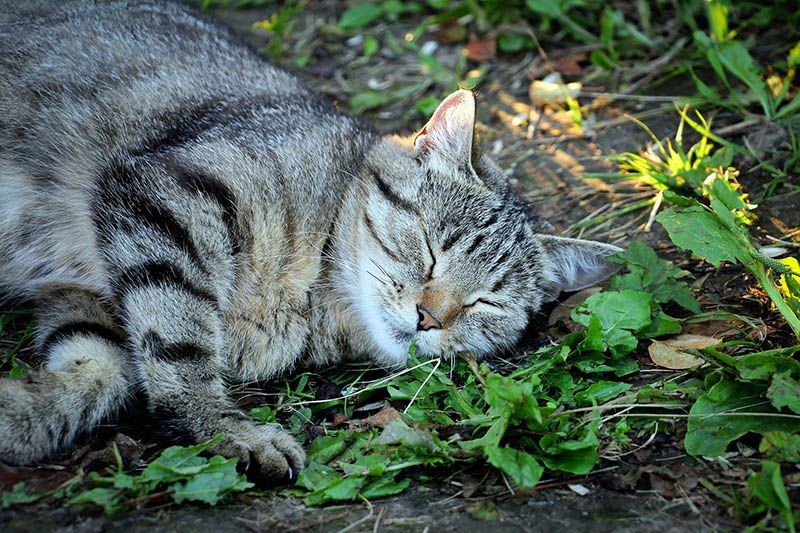
Most cats love catnip. There might be nothing more adorable than the concentrated energy cats bring to every interaction involving this powerful plant. But after watching your cat enjoy losing themselves in a good catnip high, you might be curious about why cats enjoy the plant so much.
Big cats also enjoy getting in on the excitement. Lions and tigers have been known to enjoy a nice bit of catnip. But not all cats enjoy the herb. Approximately 30-50% of cats don't have the genes required to appreciate the plant.
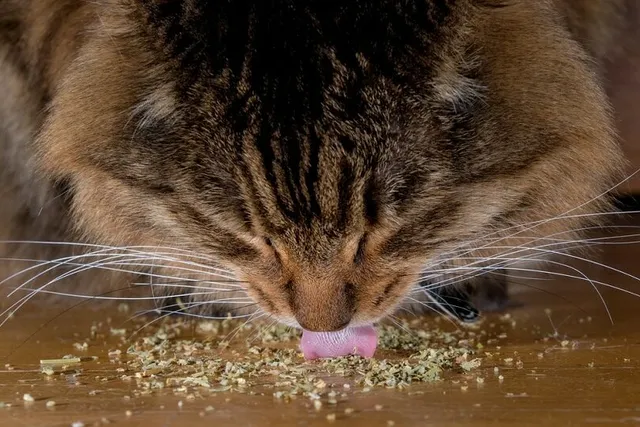
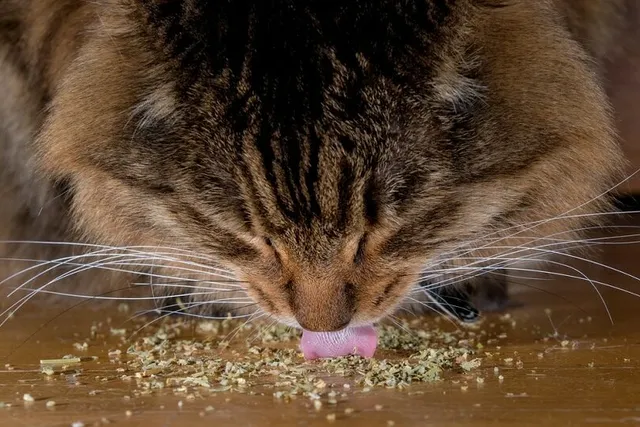
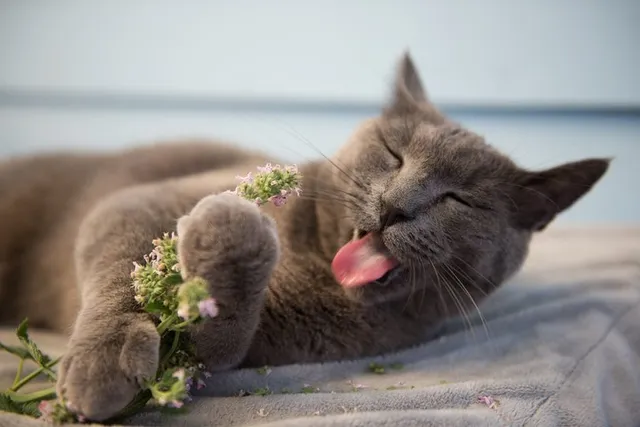
Catnip has behavioral and sensory enrichment benefits for many cats. But the fundamental reason that cats roll in catnip is because they enjoy the temporary euphoric or stimulating response it triggers. Below you'll find five reasons why cats roll in catnip and can't seem to get enough of the plant.

The 5 Reasons Why Cats Roll in Catnip
1. Catnip Has Stimulating Qualities
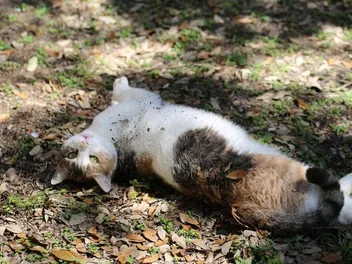
Catnip releases a volatile compound, nepetalactone, which binds to olfactory receptors and acts as a temporary stimulant when inhaled, inspiring many cats to get up and move. When left to their own devices, most cats find many ways to entertain themselves after enjoying a bit of catnip. Typical activities include running about, batting at imaginary creatures, rolling around on the ground, and wreaking havoc.
It's a great way to motivate feline couch potatoes for a good play session. Cats that aren’t accustomed to regular exercise should be eased into things, with play sessions kept to under 10 minutes to ensure the activity doesn't stress their heart and joints. Once cats are comfortable with regular exercise, they can usually handle four 10-minute play sessions daily.
It pays to limit the frequency with which cats get to enjoy catnip. Cats can’t overdose on the plant but will become temporarily desensitized if they use too much. Allowing 1–2 hours between exposures to the herb helps reset their sensitivity.
Lots of cats go bananas for catnip. If your cat is one of them, we recommend Hepper's durable, engaging Catnip Stick Toy! These sturdy toys come in several fun colors and feature bite-proof double bagging and 100% organic catnip fill. They're also handmade in the USA and designed to look like your cat's natural prey.

- No Filler - Like all the best cat toys our is stuffed with 100% organic catnip. Cheap cat toys with filler leave your cat bored and disinterested. Our pets deserve to be excited and engaged.
- Flexible Play - Simple plush shape is great for biting, scratching and pawing. It can start life as a teething toys for kittens then soon your furry friend will be using it as a cat kick stick. Play for any mood
- Durably Designed - Our cat safe toys are hand-stitched with a double-lined exterior construction for hours of playtime, perfect cat kicker toys for cats indoors and even outdoors. Your cat will tire out before the toy does!
At Catster, we’ve admired Hepper for many years and decided to take a controlling ownership interest so that we could benefit from the outstanding designs of this cool cat company!
2. Catnip Has Sedative Properties
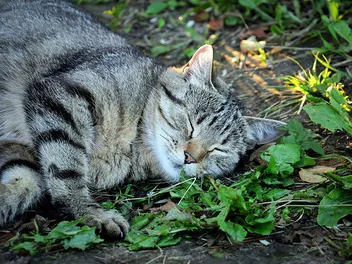
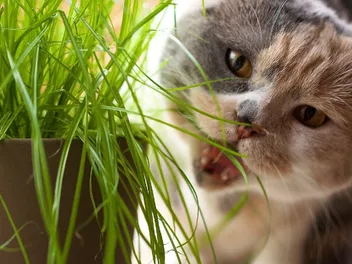
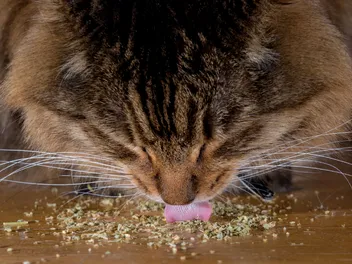
Many cat owners swear by catnip as a feline sedative. Some cats become incredibly mellow after eating a bit of the plant. Cats typically react differently depending on whether they sniff or eat catnip. Cats that sniff the plant often get a serious energy boost. In contrast, those who consume its leaves, flowers, or stems may become active for a short time and then zonk out for a long nap. In reality, whether a cat becomes excited or calm depends not only on how they’re exposed to the plant but also on their individual response.
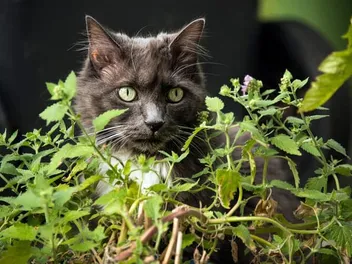
If you're interested in having plenty of fresh catnip for calming purposes on hand, consider growing your own. It’s just about the perfect plant for a container garden. Many gardeners prefer to plant catnip in containers to prevent the hearty herb from crowding out other plants. It likes moist but not super wet soil and lots of sunlight. It grows well on window ledges.

3. 3. Catnip May Influence Appetite Indirectly
Cats suffering from stress often shy away from eating. Lack of appetite, excessive licking, pacing, and excessive vocalization are often signs of feline anxiety. Cats who are highly stressed often eat more after getting hold of a bit of the plant. Catnip, unlike cannabis, doesn't generally give cats the munchies. Instead, it works by lowering anxiety, in some cats through mild sedative effects, which may help restore appetite indirectly.
Catnip, when eaten by responsive cats, appears to provide anxiety-reducing and calming effects. But most cats relax at the end of a catnip-induced romp, whether the plant is eaten or sniffed, although nibbling on fresh catnip is the gold standard when it comes to calming. Dried flakes are perfect for motivating cats to run about and play. Getting sufficient exercise often helps manage feline anxiety and sometimes leads to an increased desire to eat. Store dried catnip in a sealed container away from light to maintain potency.
4. Catnip Has Anxiety-Reducing Properties
Anxiety is a common issue among domestic cats. Cats suffering from the condition often vocalize excessively, lose interest in food, and lick themselves to the point of baldness. It's commonly triggered by long-term exposure to stressors such as repeated loud noises or major changes in a cat's environment. Home renovations and the arrival of a new baby often cause feline anxiety.
Super intelligent breeds with high activity demands, such as Bengal cats, are also prone to depression if they don't get enough mental engagement or physical exercise. Cats often show anxiety and depression through needy or destructive behavior. Even though a good catnip high usually starts out with lots of energy, most cats become calm and relaxed after the initial buzz wears off, making this a useful enrichment tool for some anxious cats. Cats need to ingest or rub against the plant for any calming effect to occur.
5. Catnip Triggers Natural Scent-Marking and Grooming Behavior
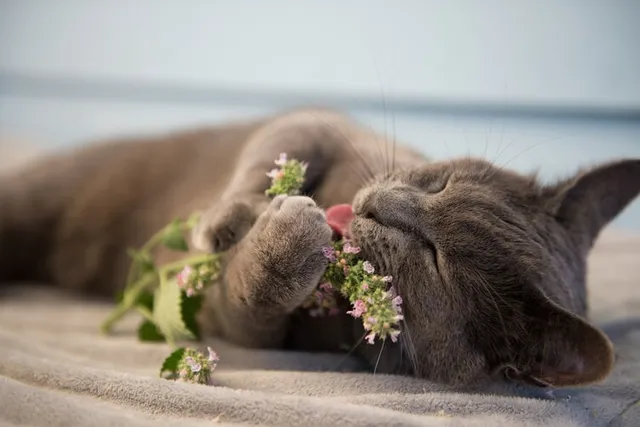
When cats roll in catnip, they’re often responding to the plant’s scent in a way that mimics natural scent-marking behavior. Nepetalactone triggers the same brain pathways activated by feline pheromones, stimulating cats to rub, roll, and press their faces and bodies against the leaves. This reaction is thought to help them spread their own scent or simply enjoy the euphoric stimulation.
Rolling also releases the plant’s aromatic oils onto their fur, allowing the cat to continue enjoying the smell long after the initial exposure. This behavior is part play, part self-soothing, and part instinctive communication, showing just how complex the catnip response can be.

Final Thoughts
While most cats who enjoy catnip probably do so because of the general high that comes with a good sniff of the plant, this herb can also serve as a form of environmental enrichment that supports emotional well-being.
It is easy to grow, doing well in outdoor container gardens and indoors on sunny window ledges. Properly stored dried catnip does not go bad, although it loses potency over time. But ultimately, cats roll in catnip because it feels good and satisfies their innate drive to interact with interesting scents and textures in their environment.
Sources
Featured Image Credit: Kassel95, Pixabay
Expert cat care, straight to your inbox
News, insights, and useful advice, delivered to you.

No spam — unsubscribe anytime.
By signing up, you agree to our Terms & Conditions and Privacy & Cookies Policy.
How useful was this post?
Click a star to rate. You can leave written feedback afterwards. (We read all feedback.)
Lorre Luther is a writer who is firmly convinced that cats are smarter than humans. She left her law career in the United States and moved to the Netherlands to follow her dream of becoming a writer. Lorre currently lives in Rotterdam, she enjoys traveling and greatly appreciates the beauty of nature. Lorre has a spot for animals and admires the intelligence of cats.