Can Cats Have Brown Eyes? What Science Tells Us


In this article
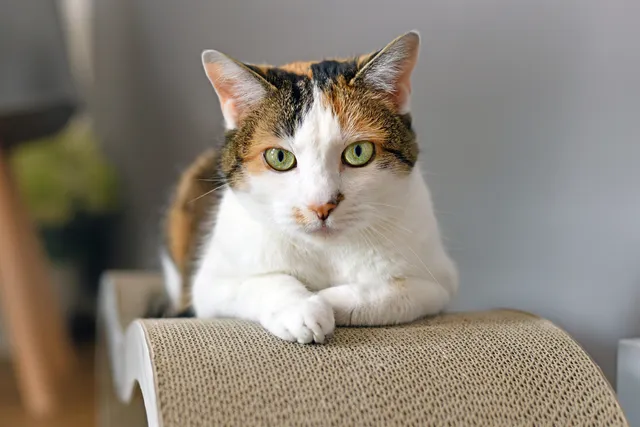
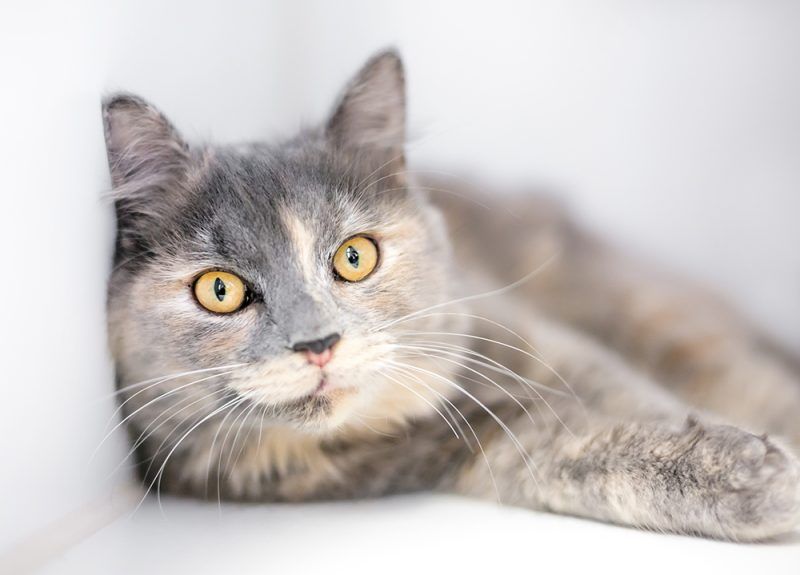
If you’ve spent time with cats or have cats of your own, you’ve likely noticed that there are a handful of prevalent eye colors in cats. Amber, hazel, and blue are some of the most common eye colors in cats, but most cats don’t have brown eyes.
Some people mistakenly believe that no cats have brown eyes, and while there are cats with brown eyes, the eye color is exceptionally rare in felines. For being such a common eye color in other species, like humans and dogs, what would cause it to be rare in cats?

The 2 Reasons Most Cats Don’t Have Brown Eyes
1. Melanin
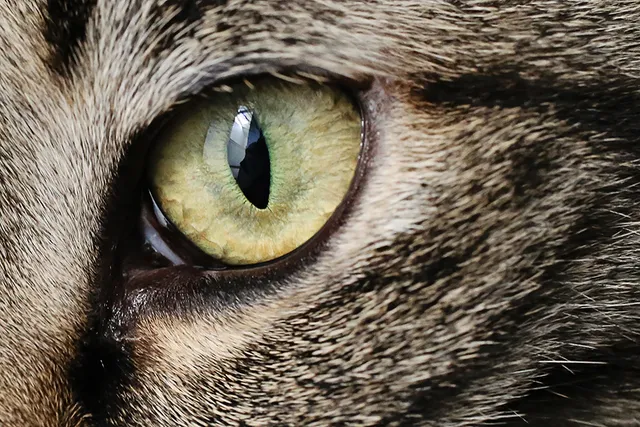
The iris of the eye, or the colored area surrounding the black pupil in the middle, is a multi-layered area of tissues packed with melanocytes. Melanocytes are responsible for melanin production. Melanin can impact the skin and fur color, and in the irises, the amount of melanin present in two of the layers of the iris is responsible for the color of the eyes.
The two iris layers responsible for the color of a cat’s eye are the stroma and the posterior pigmented epithelium. The more melanocytes in the irises, the more melanin is produced, resulting in a darker eye color, and the fewer the melanocytes, the lighter the eyes will be.
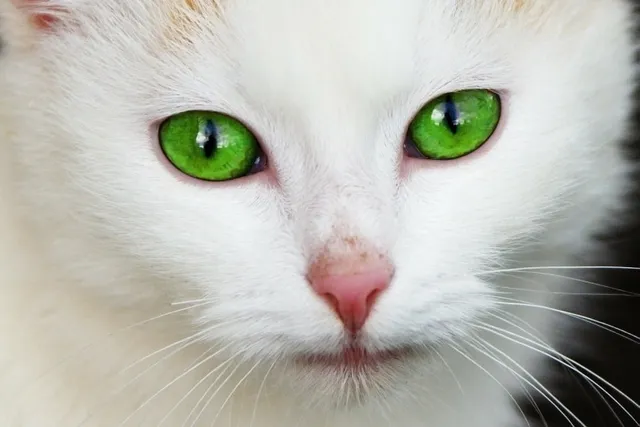
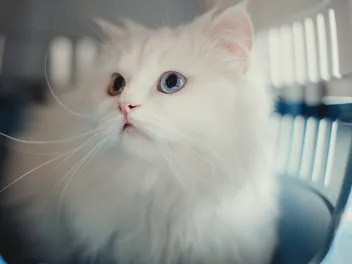
The only exception to this is blue eyes. Blue eyes are absent of melanin in the thickest layer of the iris, the stroma. The blue coloration comes from light refraction on the iris. In general, cats’ eyes don’t contain enough melanocytes to result in brown eye color, except for the very few cats with true brown eyes.

2. Breed
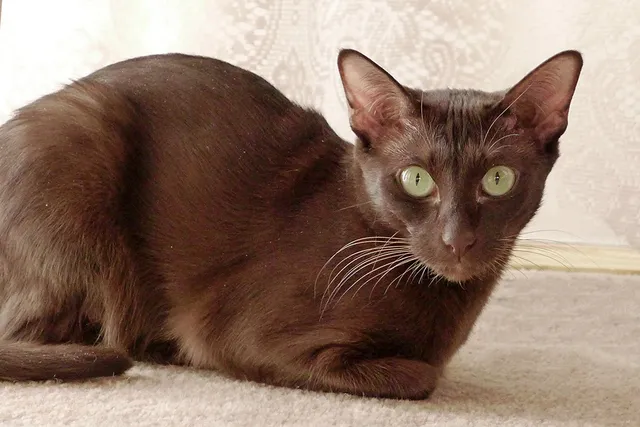
Some eye colors are part of the breed standard for multiple breeds. In some instances, all cats of a specific breed will have the same color eyes, while others may have multiple eye colors within the breed. No breeds have dark brown eyes as part of the standard. However, there are multiple breeds where brown variations are common or necessary for the standard.
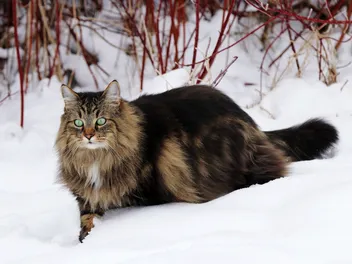
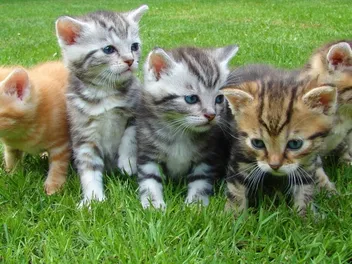
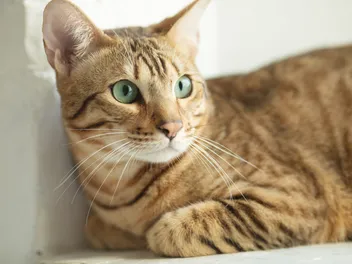
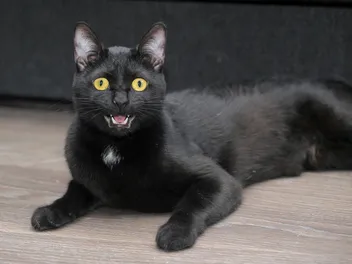
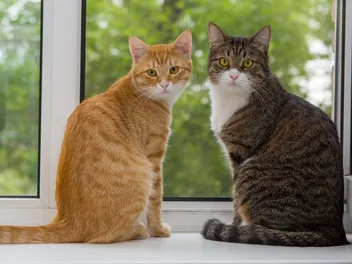
The lighter variations of brown eyes are common in breeds like the Bombay, Sphynx, British Shorthair, American Shorthair, Manx, Bengal, Scottish Fold, and Abyssinian. The darkest eye color you’ll see in most cats is copper, which is a brown color with undertones of reds and oranges.

Are Eye and Coat Color Related?
It may make sense to think that cats with dark coats are more likely to have dark eyes and cats with light coats are more likely to have light eyes, but that isn’t true. In humans, the genes that control the eye and hair color are close to each other within the chromosome, and because of that, it’s not uncommon for hair and eye color pairings to occur.
The only exception to this is cats that have blue eyes; they're more likely to be light in color, which is related to the dominance of the white coat gene. White cats with blue eyes (one or both) are at higher risk of being deaf (in one or both ears) than white cats with green or yellow eyes.
Blue eyes aside, your cat could have any combination of coat and eye color. They can have a dark and light coat-colored cat with any eye color.
Unusual Eye Color Combinations
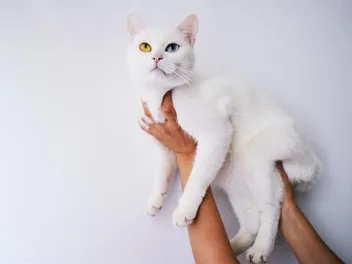
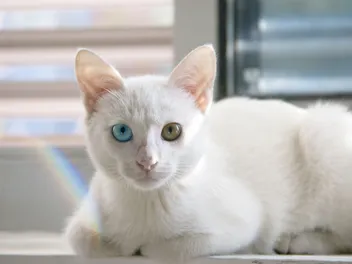
Believe it or not, not all cats have two eyes that match. Dichromatic and heterochromia are uncommon, with dichromatic being very rare, but both conditions indicate that a cat’s eyes contain two different colors.
Heterochromia refers to each eye having a different color. This can result in various color combinations, and shades of brown, copper, and hazel can be combined with the opposite eye sporting a completely different color, like green or blue.
Dichromatic refers to each eye containing two colors. The eyes likely match each other color-wise, but both eyes are a combination of two colors. This typically appears as one color surrounding the irises and another color surrounding the first color, but it is also possible for the colors to show up in streaks and splashes.
Conclusion
Brown eyes are uncommon in cats, and when they occur, they almost always appear in a lighter shade, like copper. This is due to the number of melanocytes that appear in most cats’ eyes, resulting in lower melanin production than you see in species that commonly have brown eyes, like dogs and humans.
You might luck into spotting a cat with darker brown eyes, and if you do, you should count your lucky stars because you’ve seen a very rare cat!
Featured Image Credit: Mary Swift, Shutterstock

Expert cat care, straight to your inbox
Vet-reviewed advice, behavior tips, and the best of Catster. Free, and you can unsubscribe anytime.
By signing up, you agree to our Terms & Conditions and Privacy & Cookies Policy.
Brooke Billingsley, a former veterinary assistant for nine years, became a nurse in 2013. She lives in Arkansas with her boyfriend of five years, surrounded by her beloved pets: three dogs, two cats, five fish, and two snails. Brooke has a soft spot for special needs animals, caring for a three-legged senior dog and a widely known cat with acromegaly and cerebellar hypoplasia. She has developed a keen interest in fish keeping and is always learning how to provide the best environment for her aquatic pets. In addition to her passion for animals, Brooke enjoys gardening and maintains a vegetable garden during the summer. She stays active with yoga and received her 200-hour yoga teacher certification in 2020. Brooke also hosts a podcast that delves into folklore and myth, dedicating her spare time to research and writing. She embraces the philosophy that every day is an opportunity for learning and growth, continually working to acquire new skills and knowledge.
Join the conversation
Ask a question, share your story, or send private feedback.