Whisker Fatigue In Cats: Vet Reviewed Signs, Causes & Treatment


In this article
We pet parents are always trying to do our best to make sure our cats are at their happiest and most comfortable, but many are unaware of what whisker fatigue, also called whisker stress, is and how it can potentially affect our cats. While it might not sound that serious, it’s something that can overstimulate our pets and lead to negative health signs. Learn more about whisker fatigue and how to combat it below.

What Is Whisker Fatigue?
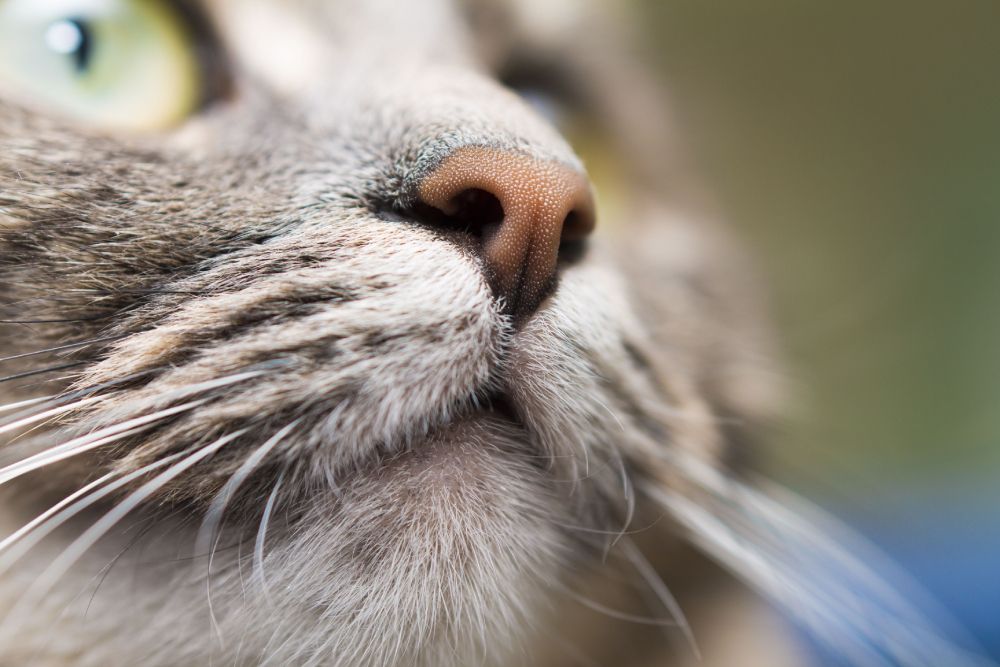
Whisker fatigue describes the overstimulation of these specialized and sensitive hairs. Whiskers are located primarily on the animal’s head, near their upper lip, ears, and eyes. They help them sense their world, not unlike our fingertips. Their placement is strategic, given their forward approach when exploring. They are also highly innervated, sending sensory information to the cat’s brain.
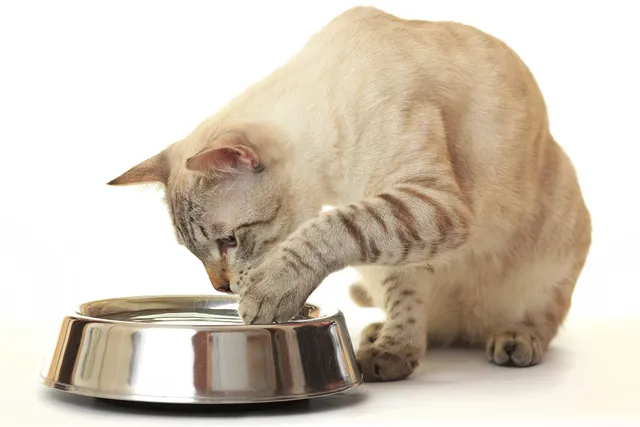
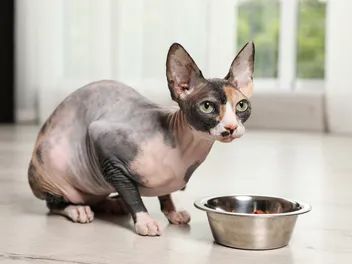
Cats’ whiskers can provide valuable intel about the surrounding environment. The theory of whisker fatigue is that everyday objects may overstimulate the nerves within them, leading to stress and discomfort. One common culprit is deep, narrow food or water bowls. The shape of these containers may cause irritation from rubbing against the sides.
Currently, most of the evidence for whisker fatigue is anecdotal, with sometimes conflicting views between vets, behaviorists and cat owners. More research is needed to investigate if and why it occurs and which cats are susceptible.

What Are the Signs of Whisker Fatigue?
In order to spot the possible signs of whisker fatigue, you have to pay close attention to your cat, especially their eating habits. If your cat displays any of these signs while eating, it’s possible they’re experiencing whisker fatigue.
- Leaving food at the bottom of the bowl
- Spending less time eating at a dish
- Pawing at food and water dishes
- Dragging or dropping food outside the bowl and then eating it off the ground
- Pacing or vocalizing near food and water bowls
- Nervously approaching food and water bowls
- Aggression toward other pets in the home
- Acting hungry even when food is in the bowl
If your pet is showing of whisker fatigue, we suggest you speak to a vet.
What Are the Causes of Whisker Fatigue?
Whisker fatigue refers to overstimulation of the whiskers and often comes from excessive contact with food and water bowls, especially those that are too shallow or deep. The theory is that the more contact your cat’s whiskers have with these kinds of objects, the more irritated and distressed they become.
How Do I Care for a Cat With Whisker Fatigue?
Anecdotal evidence suggests replacing your cat’s food and water bowls with whisker-friendly dishes may offer a solution. One study examined its efficacy in cats and whether it affects eating habits. The researchers worked with pet owners, beginning with a full history of the animals. They fasted their pets and fed them their usual meal in their regular bowls, recording their activity. They also noted any spillage and the amount consumed.
The owners then fed them using the whisker-friendly dishes, making similar observations. They offered the cats a choice of the two bowls on the third data. The researchers conducted a statistical analysis of the data. They found no significant differences between time spent eating, spillage, or the amount consumed between the feedings. However, the scientists noted a preference among the felines for the whisker-friendly bowls.
If you suspect your kitty may have whisker fatigue, purchasing new bowls is a small investment to see if it makes any difference in your cat. If you’re in a pinch, though, a paper plate can also work.

- NO MESS - The 360° tray on this cat food and water bowl set has a raised design to catch and contain stray crumbs and drips. Protect your indoors and floors from wet and messy meals!
- WHISKER FRIENDLY - Shallow and wide metal containers with flat bottoms ensure your kitty can enjoy mealtime free from whisker fatigue!
- CHEW-SAFE MATERIALS - Kittens and cats love chewing on silicone and soft rubber - but it's a choking hazard. Our cat feeding station materials are anti-chew for a 100% safe feeding frenzy!
Choosing the right food and water bowls for our feline companions can pose certain challenges for pet owners. The Hepper NomNom Cat Bowl provides a chic and innovative solution that supports cat specific needs, such as shallow bowls and a subtle elevation that fosters whisker relief, posture comfort, and improves digestion. It features an elegant contemporary design with a wide wrap-around tray aimed at minimizing any messes from ending up on your floor! Furthermore, this bowl is entirely dishwasher safe, so pet owners are able to spend more time with their cats instead of cleaning up after them. Discover why the Hepper NomNom Cat Bowl is right for both you and your kitty by clicking here.
At Catster, we’ve admired Hepper for many years and decided to take a controlling ownership interest so that we could benefit from the outstanding designs of this cool cat company!
Frequently Asked Questions
Is It Wrong to Ignore It?
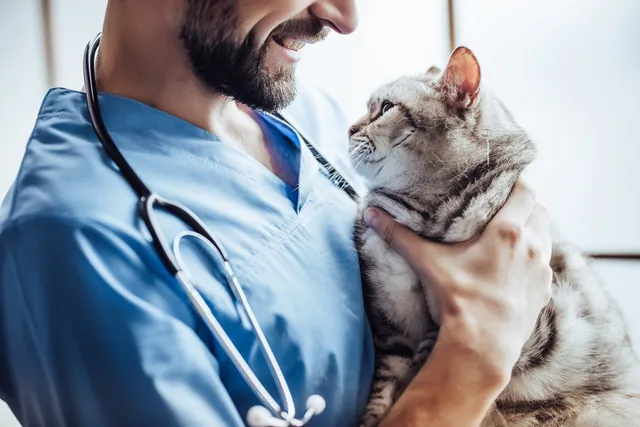
We recommend taking your kitty to the vet for a full workup if you notice any unexplainable behavioral changes. Chronic stress can increase your pet’s risk of disease. The best course of action is to identify a cause and find ways to mitigate it. If you suspect your cat has whisker fatigue, making small changes to fix the problem is definitely in their best interest.
Is Whisker Fatigue an Illness?
No, whisker fatigue is not an illness, as there is no specific diagnosis or treatment.
Conclusion
While whisker fatigue can be hard to determine, some cats definitely prefer to keep these little hairs from touching things and becoming too overstimulated. Thankfully, a simple switch is the solution to your problems. However, if you make these changes and your cat is still behaving abnormally, it’s best to get your cat checked out by a vet.
Sources
Featured Image Credit: Photographerivanov, Shutterstock
Expert cat care, straight to your inbox
News, insights, and useful advice, delivered to you.

No spam — unsubscribe anytime.
By signing up, you agree to our Terms & Conditions and Privacy & Cookies Policy.
How useful was this post?
Click a star to rate. You can leave written feedback afterwards. (We read all feedback.)
Chris has been a science-focused pet writer since 2009, specializing in health and the environment. She lives with her husband Norm and three amazing cats in the land of 10,000 lakes. When she's not writing about cats, Chris also enjoys boating and sampling wine. She has her WSET 1 and 2 certifications and is currently pursuing her Certified Wine Specialist Award (CSW).